The heat is on in Southeastern Pennsylvania, and many families head to local rivers, lakes, and coastal beaches for recreation. However, open water environments present unique, unpredictable conditions that demand extra caution. From the American Red Cross, here is a practical guide to staying safe when enjoying natural bodies of water.
Understand Natural Hazards
Unlike swimming pools, open water comes with shifting currents, deep drop-offs, and unpredictable weather. Being prepared starts with understanding the hidden risks beneath the surface:
- Watch for hidden obstacles: Natural waters often contain submerged rocks, logs, debris, and sudden drop-offs. Always enter unknown waters feet first to avoid head or neck injuries.
- Respect currents and waves: Strong undertows and fast-moving river currents can sweep away even experienced swimmers. If caught in an ocean rip current, remain calm, signal for help, and swim parallel to the shore until you escape the current before heading back to land.
- Monitor the weather: Check forecasts before heading out and leave the water immediately at the first sign of dark clouds or thunder. Stay indoors for at least 30 minutes after the last thunderclap.
Respect Beach & Waterfront Warnings
Before jumping into open water, take time to observe your surroundings and read local safety postings:
- Understand warning flags: Many ocean and lake beaches use color-coded flag systems. Green flags indicate low hazards, yellow flags warn of moderate currents or surf, red flags mean dangerous conditions, and double red flags mean the water is completely closed to the public.
- Obey posted signage: Look for signs marking sudden drop-offs, underwater hazards, or areas designated exclusively for motorized watercraft.
- Follow lifeguard instructions: Lifeguards have a clear view of water conditions and potential hazards. Always swim within sight of a lifeguard chair and follow any instructions immediately.
Smart Habits on the Shore
Establishing clear safety routines ensures everyone stays protected throughout the day:
- Swim in designated areas: Always choose beaches, lakes, and parks with a lifeguard on duty, and swim with a buddy rather than alone.
- Assign a dedicated Water Watcher: Designate a responsible adult to maintain undivided attention on swimmers, keeping cell phones and distractions away.
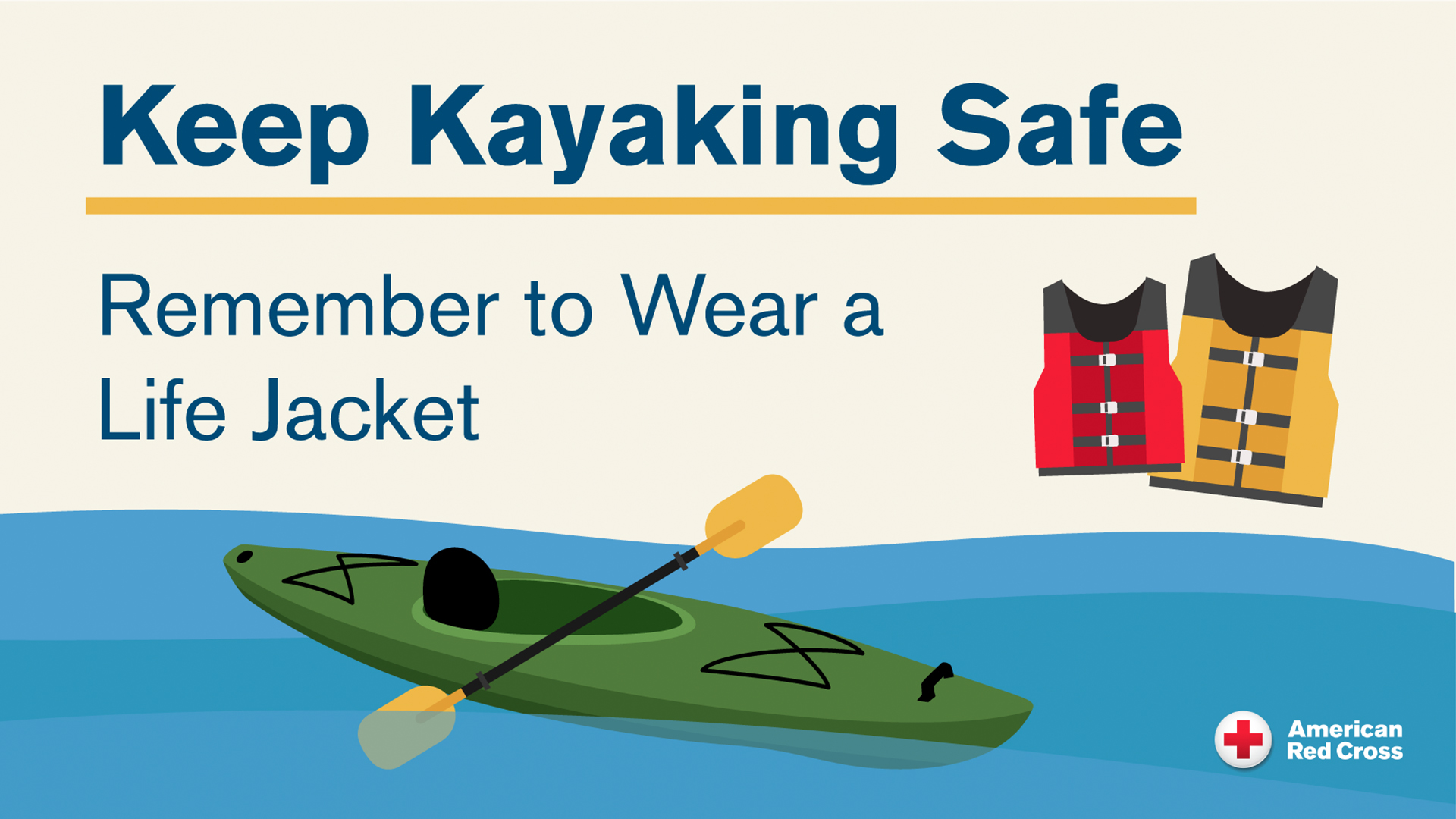
- Wear U.S. Coast Guard-approved life jackets: Non-swimmers, inexperienced swimmers, and anyone boating, kayaking, or fishing should always wear a properly fitted life jacket.
Know How to Respond
If an emergency arises, acting quickly and safely makes all the difference:
- Reach or throw, don't go: If someone is struggling in open water, throw them a flotation device or extend a long object like a pole. Entering fast or deep water after a drowning person can pull you under as well.
- Alert lifeguards or call 911: Seek professional assistance immediately and ensure bystanders provide accurate location details to first responders.
Taking time to respect open water hazards keeps outdoor adventures enjoyable for everyone. Be sure to check out our local chapter’s upcoming swim classes and water safety certifications to prepare your family for the season ahead!
---------------
- Written by Zain Ahmad