Back in June, I arrived at the American Red Cross Southeastern Pennsylvania headquarters at Seventh and Spring Garden streets before dawn. It was 5:30 a.m., and dozens of volunteers were already preparing for a long day ahead.
Some were serving breakfast and packing lunches. Others were charging emergency communications radios, organizing supplies, reviewing assignments and preparing transportation for teams headed across Philadelphia. The city was preparing to welcome tens of thousands of visitors for a series of major events, from international soccer matches and fan fests to celebrations connected to America's 250th anniversary.
As I walked through the building, I met volunteers from every walk of life. Retirees. Working professionals. Students. Neighbors. Some had adjusted work schedules. Others had given up weekends with family. None of them expected recognition. Most people attending the events that day would never know they were there. Yet their work was helping support the city.
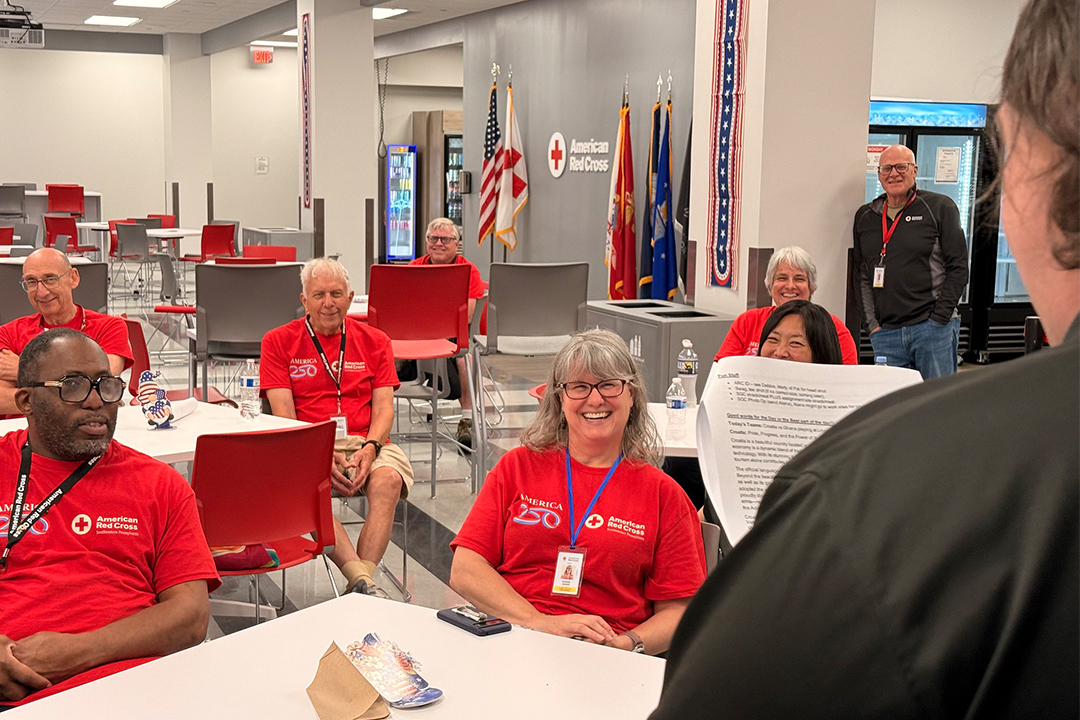
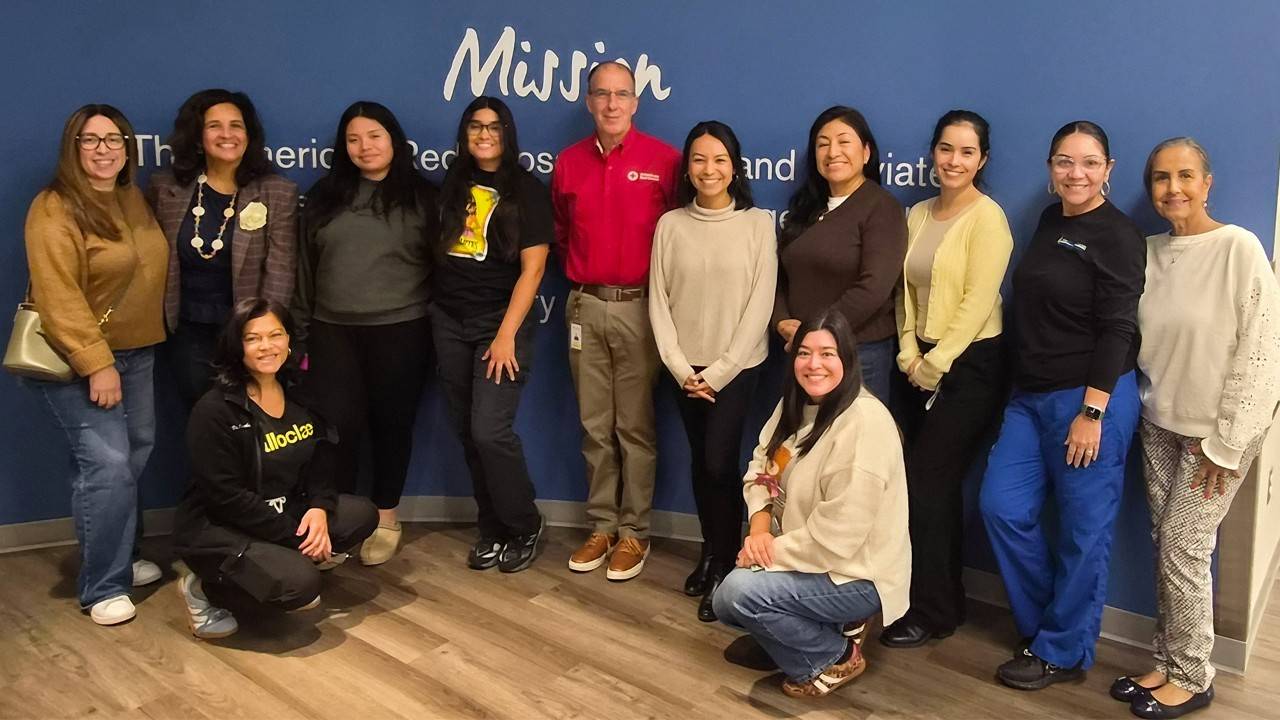
American Red Cross volunteers get briefed on the day's assignments heading out into the field. Submitted photo
When we talk about infrastructure, we often think about roads, bridges, transit systems, utilities and public buildings. Those investments are essential. They allow a city to move people, goods and services safely and efficiently.
But after spending this summer working alongside the Philadelphia Office of Emergency Management and many local, state and federal partners, I was reminded that cities depend on another form of infrastructure as well: people.
The networks of trained volunteers, emergency managers, nonprofit organizations, public servants and community partners who stand ready to support one another are every bit as important to a city's resilience as the physical systems we can see. This summer offered a powerful example.
For 45 consecutive days, American Red Cross volunteers supported preparedness and coordination efforts tied to some of the region's largest events. Volunteers filled hundreds of shifts and contributed nearly 10,000 hours. Behind the scenes, they supported stand-by evacuation centers and shelters, feeding operations, emergency communications, transportation logistics and volunteer coordination—ready to assist should conditions change unexpectedly.
Red Cross teams maintained a presence in emergency coordination efforts, working alongside city agencies and partner organizations to help ensure information and resources could be shared quickly and effectively.
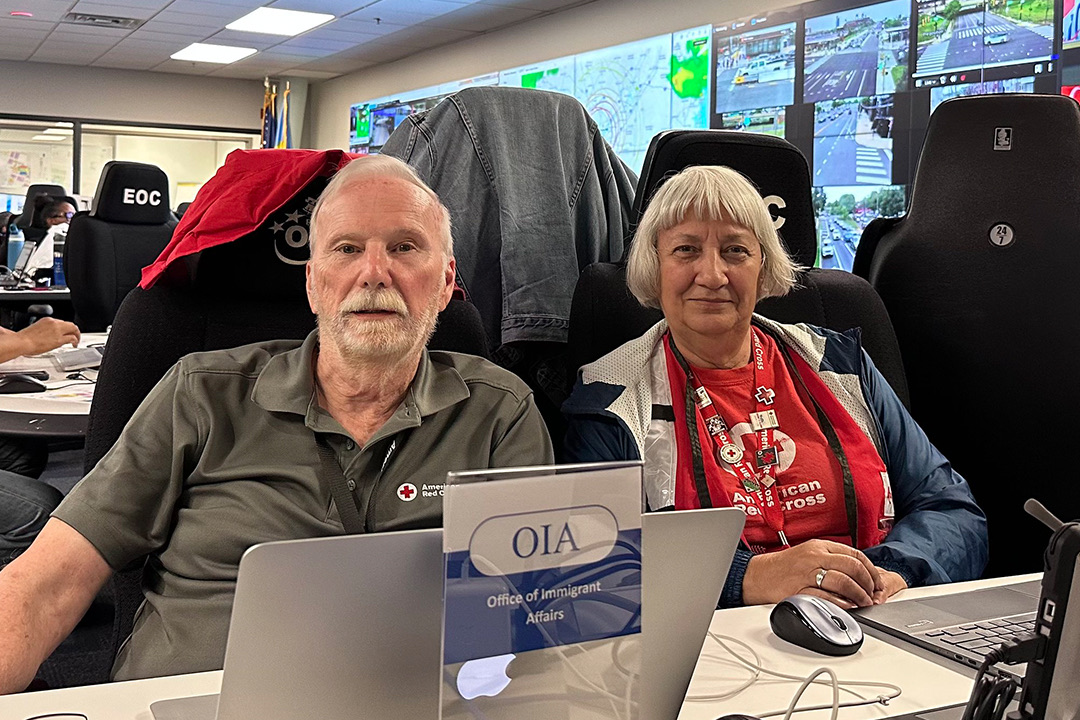
Government Operations volunteers Bruce Swift and Sandy Capoferri at the Philadelphia Emergency Operations Center (EOC) on June 19. Submitted photo
At the same time, the Red Cross continued its everyday mission across Southeastern Pennsylvania. While supporting major events, we responded to home fires and local disasters, provided emergency assistance to families in crisis, collected lifesaving blood donations, trained the community in lifesaving skills like CPR and first aid and supported military service members, veterans and their families.
Much of that work happened quietly. And that is exactly how successful preparedness should look.
The best emergency management efforts are often the ones people never notice. Visitors arrive safely. Events run smoothly. Communities gather and celebrate. Potential challenges are anticipated before they become problems.
But those outcomes do not happen by accident. They are the result of months, and sometimes years, of planning, relationship-building and coordination. Organizations learn how to work together long before they need to. Trust is established before challenges arise. Communication systems are tested. Volunteers are trained. Responsibilities are defined.
By the time crowds fill stadiums and public spaces, an enormous amount of unseen work has already taken place. Building resilience before emergencies occur strengthens communities and reduces vulnerabilities when unexpected events happen. In that way, preparedness is fundamentally an infrastructure investment. Not an investment in concrete or steel, but an investment in human capacity.
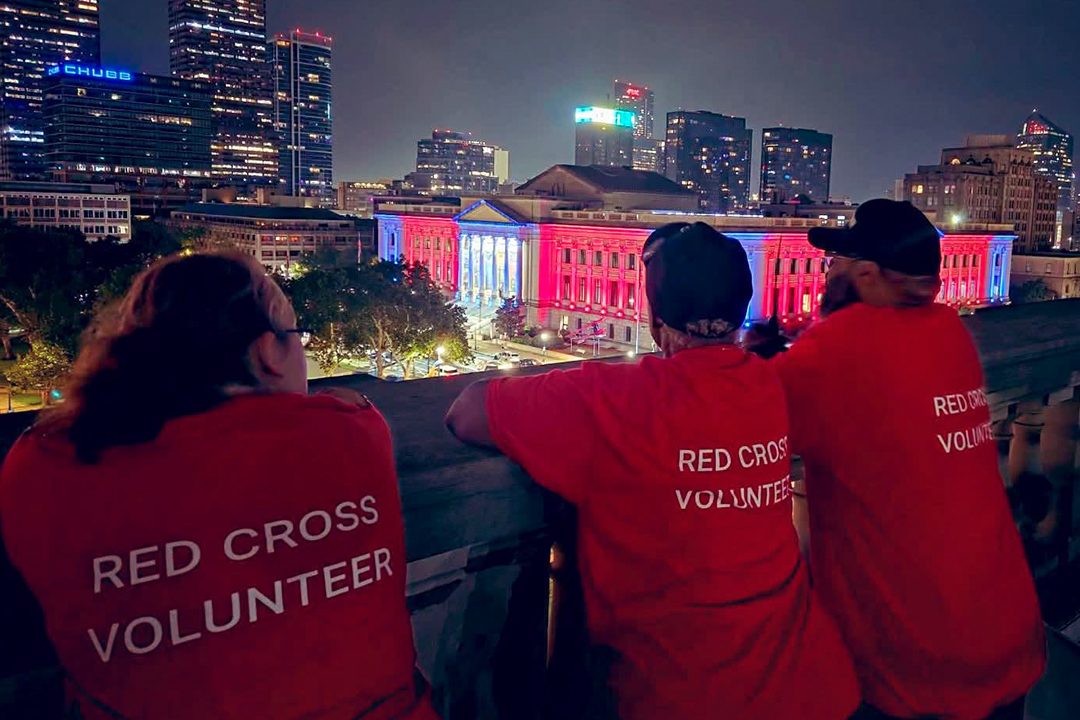
Red Cross volunteers at a stand-by family reception center on July 4, 2026. Photo courtesy of Philadelphia Office of Emergency Management.
For me, one of the most inspiring examples from comes from two volunteers who spent much of their summer coordinating our volunteer workforce. Together, they recruited volunteers, managed schedules, organized assignments and helped ensure teams had the information and support needed to be successful. Over the course of the summer, they coordinated 325 volunteer shifts.
Most people attending events throughout Philadelphia never met them. But their impact was everywhere. Their dedication underscores an important truth about cities: the people who make communities function are not always the people in the spotlight. They are often the people working behind the scenes, solving problems, building connections and helping systems operate effectively.
Philadelphia has always been shaped by civic participation. Long before terms like "resilience" and "preparedness" became part of public policy discussions, neighbors here were organizing block by block, supporting one another and stepping forward when their communities needed help. That spirit remains one of the city's greatest strengths.
The biggest lesson I took away from this summer is that preparedness is not a moment. It is a continuous commitment: a commitment to planning before problems occur, investing in partnerships before they are tested and maintaining readiness even when the spotlight is elsewhere.
It is also a commitment to recognizing that a city's greatest asset is not its infrastructure alone, but the people who make that infrastructure work. Most will never receive public recognition for their contributions, but they demonstrated something worth remembering: behind every resilient city is a community of people showing up every day to make it stronger.
We invite you to put on a red vest and join us. Visit redcross.org/volunteer to find out how you can support our community.
---------------
- Written by Jennifer Graham, CEO, American Red Cross Southeastern Pennsylvania Region
Support all the urgent humanitarian needs of the American Red Cross.
Find a drive and schedule a blood donation appointment today.
Your time and talent can make a real difference in people’s lives. Discover the role that's right for you and join us today!