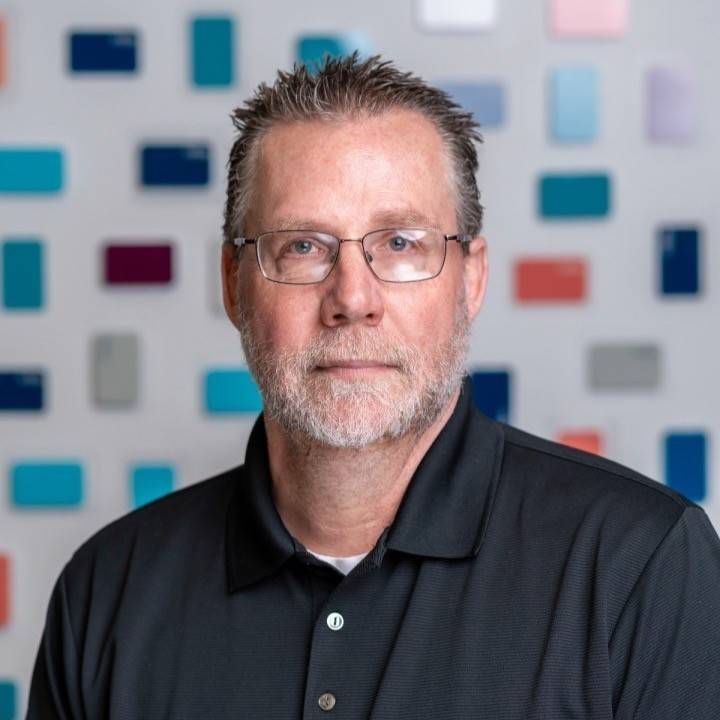
Robert Culler of Maryland
"... sometimes the greatest way to honor the gift you received is to pass it on.”
By Cheyenne DeGross, American Red Cross communications intern
For Robert Culler donating blood is not simply a charitable act. It is a way of honoring the people who helped save his family when tragedy struck nearly five decades ago.
His story begins on a cold winter night in January 1978.
Robert was just nine years old when he woke up in the early morning hours, thirsty, and headed downstairs for a glass of water. As he reached the staircase, he made a terrifying discovery: the entire first floor of his family's home was engulfed in flames. "I ran back upstairs and alerted my mom and stepdad," Culler recalled.
His stepfather immediately sprang into action. He grabbed Robert's younger brother, wrapped him in a blanket, and carried him through the burning house to safety. But when he opened the back door, a rush of fresh air fueled the fire, causing it to explode into an even more dangerous blaze. Suddenly, the staircase was no longer an escape route.
Unable to reach the first floor, Robert's mother took a lamp from her bedside table and smashed a window. Together, she and Robert climbed onto the roof and jumped to safety.
What happened next would change their family forever.
Unaware that Robert and his mother had escaped, his stepfather returned to the house to rescue them. He ran through the flames a second time and searched upstairs. When he could not find them, he ran back through the burning home once more. The injuries he suffered were catastrophic and three weeks later, he passed away at a Baltimore burn center.
"It was an incredible act of bravery," Culler said. "He came back for us."
The fire left lasting scars on the entire family. Robert spent seven and a half weeks in the hospital recovering from his injuries. His younger brother was hospitalized for more than three weeks. His mother spent months recovering from severe burns and extensive injuries caused as she escaped through the broken window.
Throughout their treatment, blood transfusions played a critical role in their recovery. Burn victims often require significant amounts of blood and blood products due to blood loss, surgeries and fluid replacement. Robert's mother and stepfather received numerous units of blood while being treated. Those lifesaving donations came from people they would never meet.
"My family benefited greatly from folks who donated blood before [the fire]," Culler said. At the time, his stepfather donated blood through workplace blood drives at his employer, a refinery in Delaware City. Following the family's ordeal, Robert's mother remained actively involved with blood donation efforts, determined to give back.
Years later, a blood donation request arrived in the mail. Robert noticed that he had a rare blood type. After making his first donation, blood center staff immediately encouraged him to continue donating because of the ongoing need for his blood type. For several years, he donated regularly.
Life eventually took him in a different direction. He moved away from home, got married and built a new life in Western Maryland. Though blood donation was always important to him, it gradually became less frequent as the years passed.
Then, decades later, he received an unexpected reminder.
A doctor noted that he had a high red blood cell count and suggested that donating blood would be beneficial. Around the same time, Culler was once again reminded of how rare and needed his blood type remained.
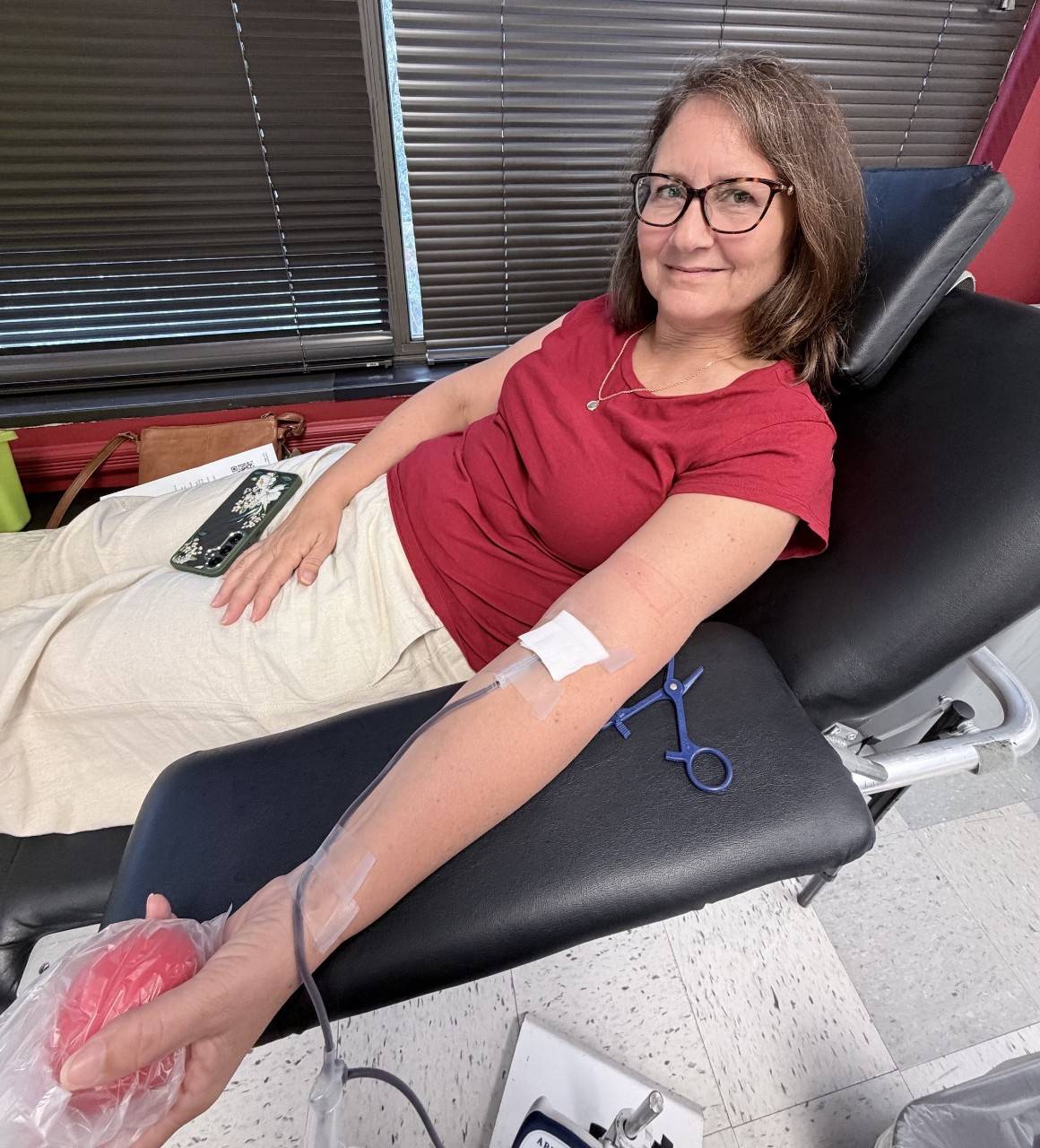
"I decided then that I would continue to donate every time I have the opportunity," he said.
Recently, after giving blood with the American Red Cross, he received a notification showing where his donation had been used. The message revealed that his blood had gone to a hospital in Wilmington, Delaware. For Culler, the moment felt almost impossible to believe.
"The first transfusion I received [as a child] was in Wilmington, Delaware," he said. "Even though I'm donating out here in Western Maryland, I thought that was very poetic."
After nearly 50 years, the place connected to one of the most painful chapters of his life had become the destination for something that could help save another person's life. "After all these years, and after what started this so long ago, for that to be where my blood went—that was very meaningful to me."
Today, Culler is more than 200 miles from the community where his donation journey began, but his commitment remains just as strong.
He hopes others will consider donating, too. For someone who endured extensive medical treatment as a child, the brief discomfort of a needle feels insignificant compared to the potential impact of a donation.
Culler’s family survived because strangers chose to donate blood. His mother received the support she needed. His stepfather received every possible chance to recover. Those donations provided hope during one of the darkest moments imaginable. Culler sees blood donation as an opportunity to offer that same hope to another family.
"You never know," he said. "Maybe you'll end up saving a life, because sometimes the greatest way to honor the gift you received is to pass it on.”
Support all the urgent humanitarian needs of the American Red Cross.
Find a drive and schedule a blood donation appointment today.
Your time and talent can make a real difference in people’s lives. Discover the role that's right for you and join us today!