By Josh Davis, Red Cross Volunteer
The Atlantic Hurricane season runs from June 1 through November 30 and your Red Cross of the National Capital & Greater Chesapeake Region is urging people in areas of potential impact to plan ahead.
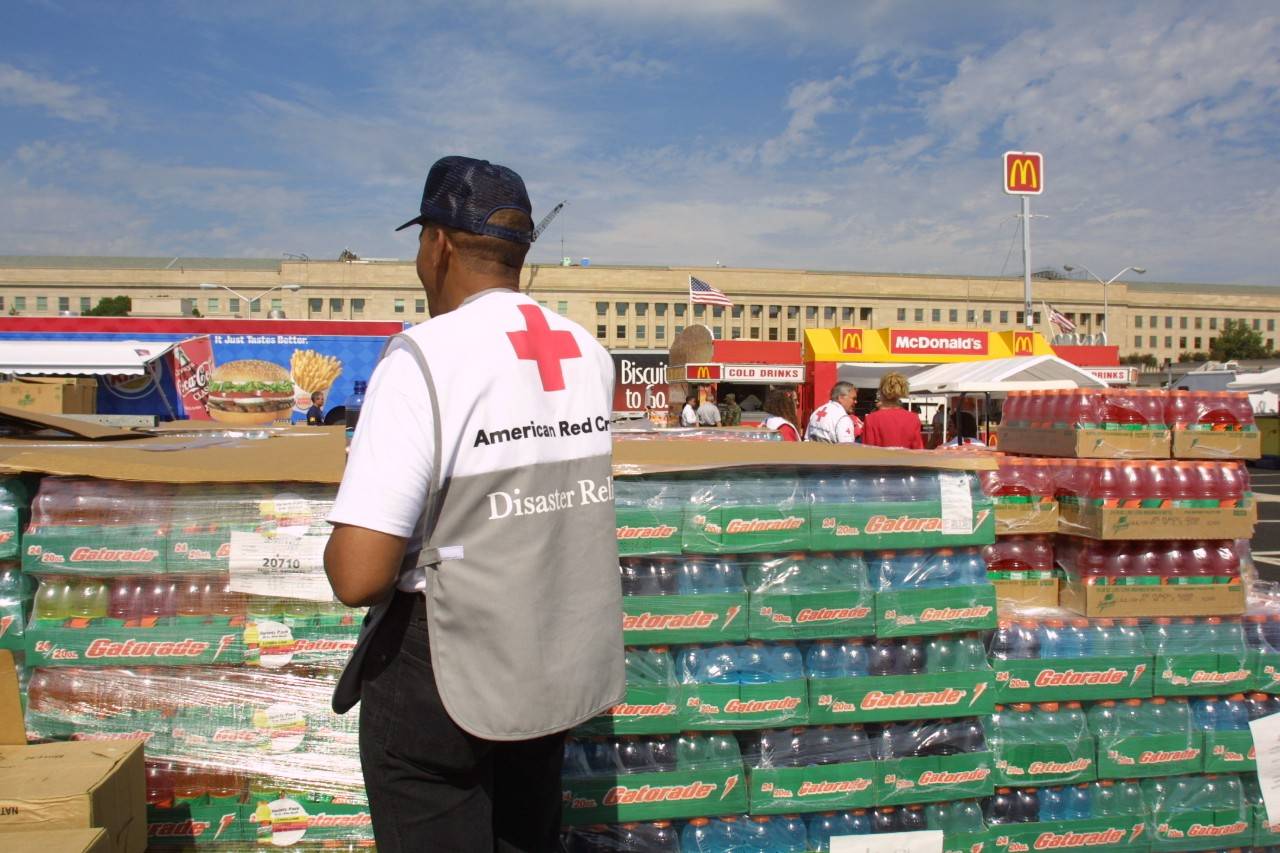
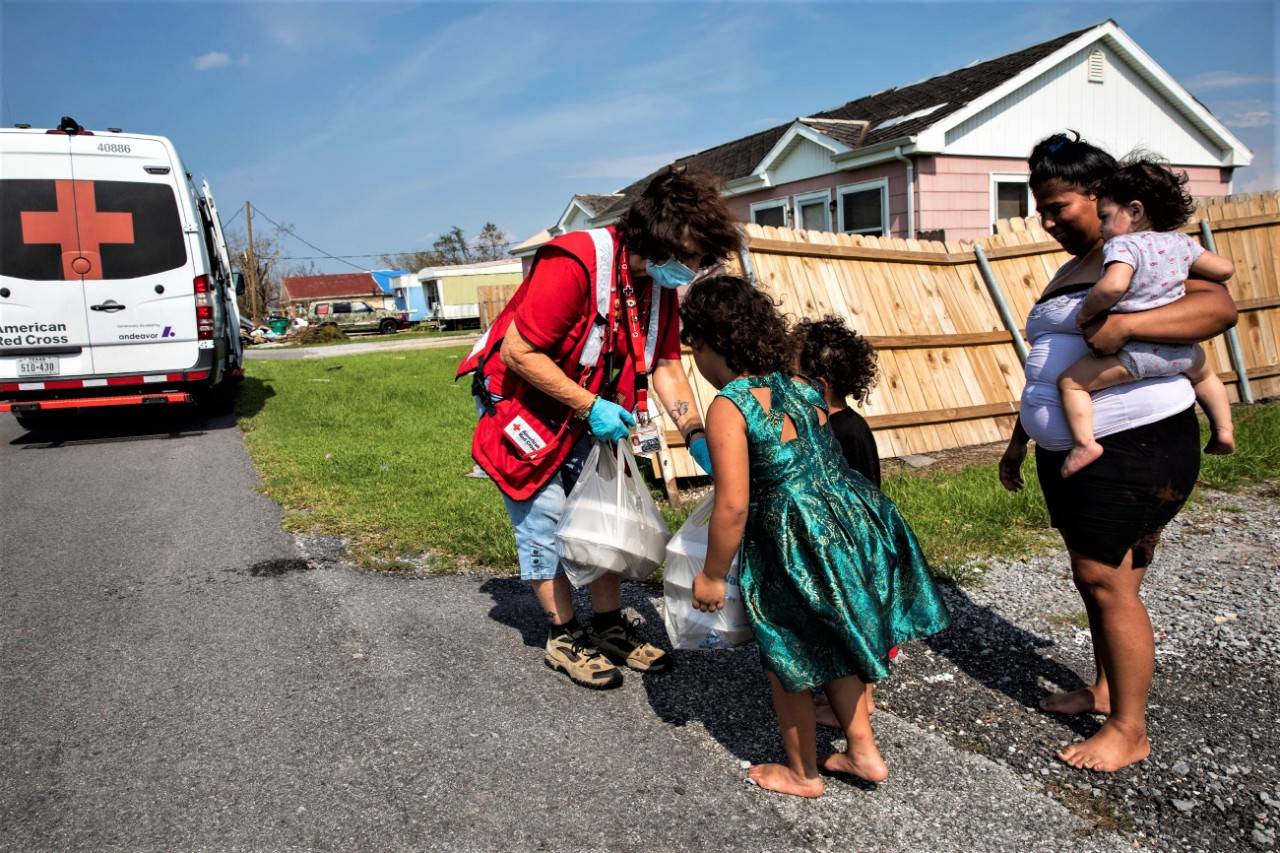
In 2021, Red Cross teams and partners provided more than 1 million meals and snacks and distributed over 353,000 relief items in the aftermath of Hurricane Ida. Plus, roughly 3,000 disaster workers helped with relief efforts for that storm alone.
When it comes to hurricanes, it’s not a matter of if, it’s a matter of when. And when a major storm approaches preparedness is key.
Eastern Maryland resident, Mike Wiley remembers hurricane preparedness meetings with the Anne Arundel County Fire Department, where he worked for 28 years.
“We had big staff meetings and we would be ready for all kinds of contingencies,” he said. “Sometimes everything blew over, but it’s always better safe than sorry.”
Wiley made a preparedness kit when he moved to Berlin, Maryland 16 years ago. He keeps a large waterproof container filled with instant soups and canned goods, a can opener, and disposable plates and utensils.
“It also doesn’t hurt to have a quick repair kit with things like a roll of plastic, and nails and nail strips in case you lose a window,” he said. “Flashlights and batteries are also good, and a hand-crank light is great to have.”
Wiley experienced his first hurricane as a child in 1954, when Hazel struck the Mid Atlantic.
“We were without power for about four days,” he said. “There was a woman with two kids who lived across the street and my parents had them over. I still remember setting up card tables in the living room and putting sheets over them, and they were our forts. That’s how we occupied ourselves.”
Monika Lupean of Salisbury, Maryland keeps a small kit with bottled water, flashlights, and batteries.
She said the experience of Hurricane Isabelle in 2003 caused her to take storm warnings seriously.
“My husband, son and I were on vacation in the Outer Banks of North Carolina, where the hurricane was expected to land. When the builder next door came to board up my windows and doors, I decided it was time to come back home,” she said. “Since then, we’ve made hurricane preparedness a priority and always have extra supplies.”
Regardless of how you’ve prepared in past years, NOW is the best time to check your emergency supplies and make a plan for Hurricane Season 2022.
If a hurricane or other major storm is approaching, the first step is to make a plan
An emergency preparedness kit should include food, water, and medicine
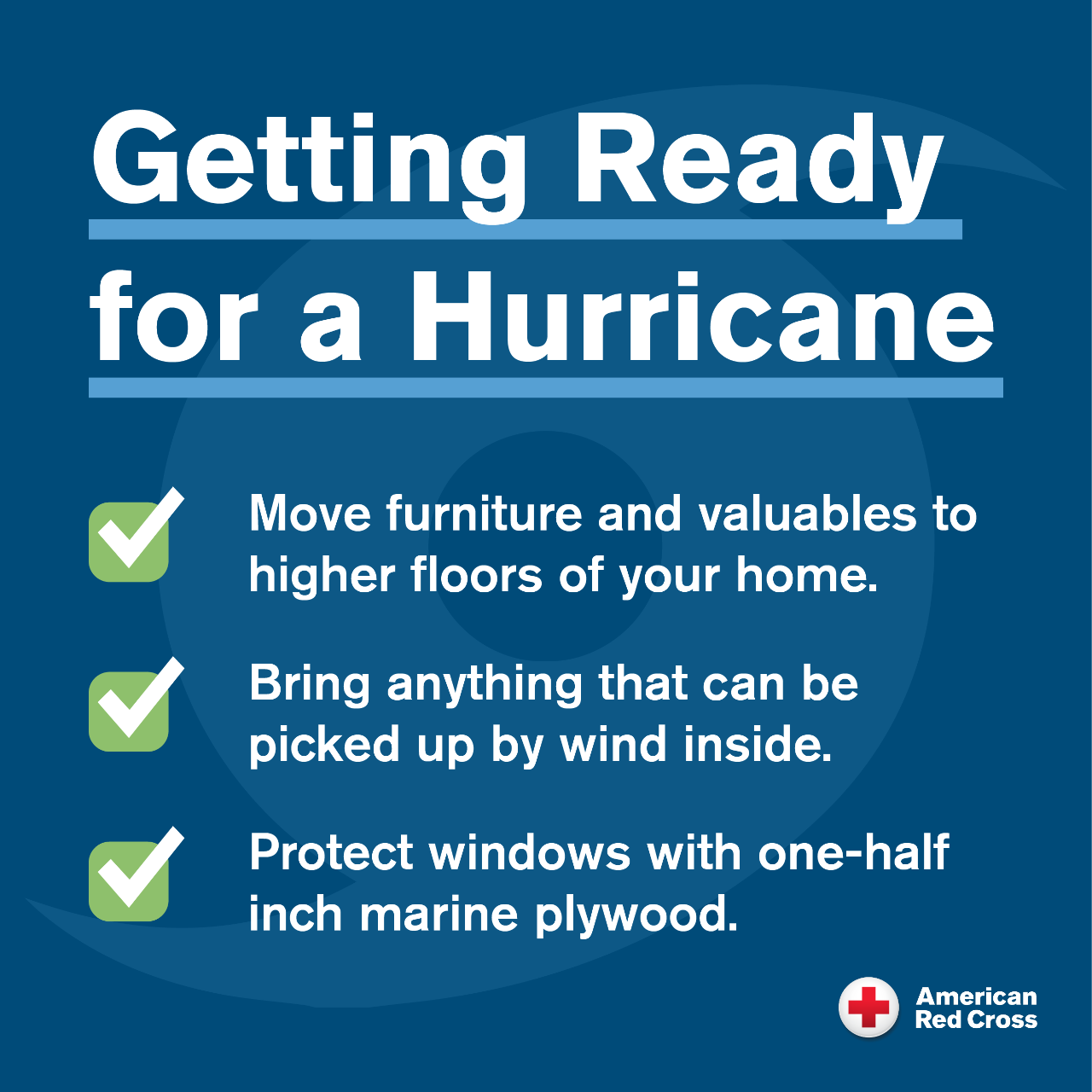
Get your home ready
If advised to evacuate, do so immediately and go to a safe place
Plan to Stay Connected and Informed
Don’t forget your pets
Visit redcross.org/hurricane for more hurricane safety information.