By Tara Prakash, Red Cross volunteer
Just last week, I was at a friend’s house and her mom — a college law professor — received a devastating email from one of her students. The student wrote to tell her that her brother had died in a riptide the day before. He had been trying to save his children. I remember sitting stunned on the couch, trying to imagine the all-encompassing grief, the sheer suddenness of that kind of loss.
I’ve grown up going to the beach. In an annual summer tradition we called “beach week,” my family rented a house at Virginia Beach with several other families. We’d wake up early, pack sandwiches and a cooler of drinks, lather ourselves in sunscreen and head to the shore for the entire day — boogie boarding, body surfing and building sand castles. We were strong swimmers and we stayed aware. We watched the beach flags and paid attention to the water conditions.
But sitting on the couch, thinking about that student and her brother, I was reminded how tragedies like these often feel distant — events that happen somewhere else, to someone else — until suddenly, they don’t.
As the weather warms and pools and beaches begin to open, many families are looking forward to spending long afternoons in the water. Swimming is one of the most fun and exciting parts of summer, but it also comes with risks that are often overlooked.
The American Red Cross encourages families to become “water smart,” which means more than just knowing how to swim — it includes understanding water conditions, supervising carefully and knowing what to do in an emergency.
One of the most important safety habits, especially among young children, is constant supervision. Because drowning is often fast and silent, children should never be left unattended near water. When families are swimming, it helps to designate a “water watcher,” an adult whose only job is to keep their eyes on the water. And while you should not rely on life jackets alone, have young children or inexperienced swimmers wear a properly fitted, U.S. Coast Guard-approved life jacket around water.
In the event of an emergency, throw an object to the person in trouble and tell them to grab on to it. However, don’t jump in yourself, as you could become a victim.
Where you swim also matters. At the beach, swim only where a lifeguard is present and within designated swimming areas. If you are caught in a rip current, stay calm and swim parallel to the shoreline until you are free of the current, then head back to shore. If you cannot swim to shore, float or tread water and signal for help.
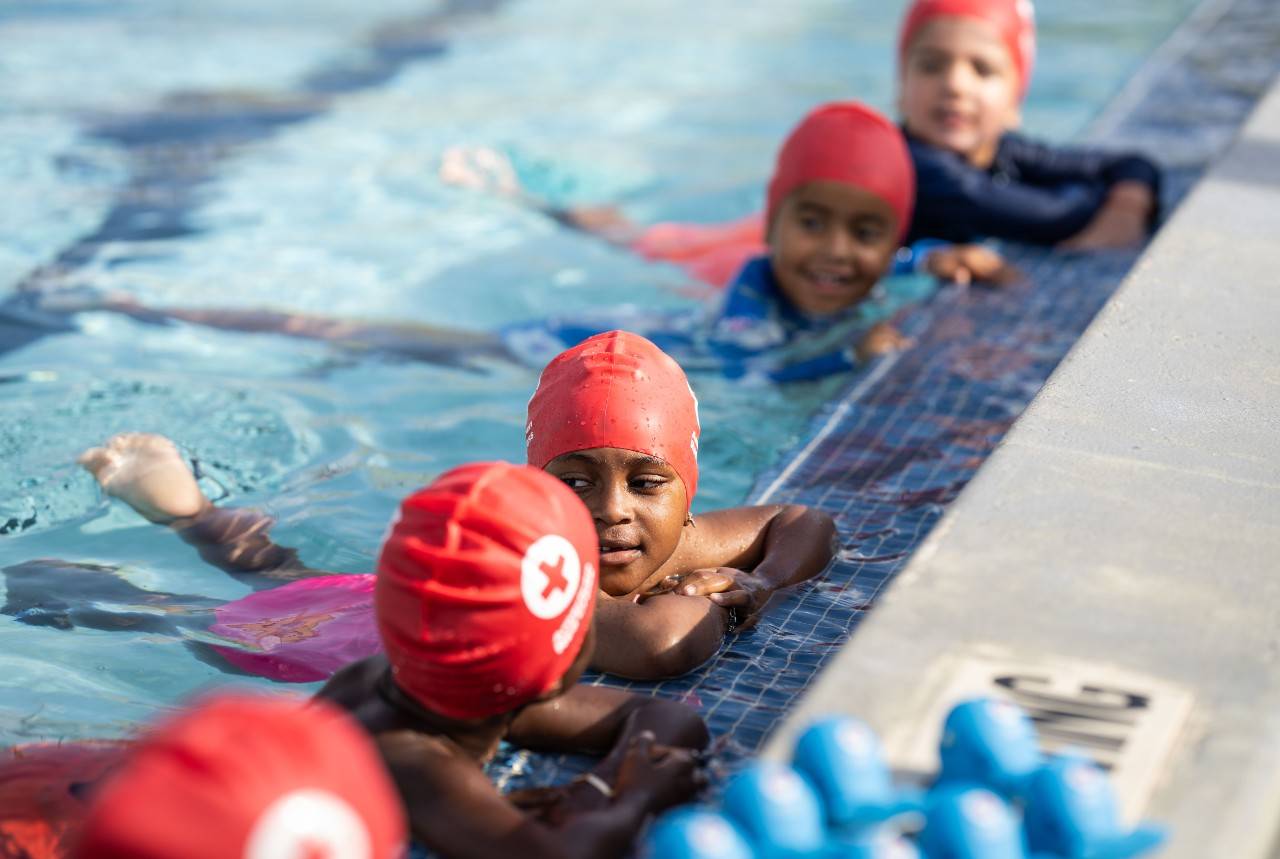
Learning to swim is one of the most effective ways to reduce drowning risk. The Red Cross teaches water safety and swimming to more than 1.5 million people each year, helping children and adults build confidence and skills.
Spending time in the water should be something families can enjoy together. But that student’s email was a reminder that water safety is more than a set of tips on a piece of paper — it’s knowledge and awareness that can actually save a life.
Sometimes, the difference between a fun summer day and a tragedy comes down to knowing what to do, staying alert and being prepared before you ever step into the water. Visit RedCross.org/WaterSafety to learn more.
"The American Red Cross encourages families to become 'water smart,' which means more than just knowing how to swim — it includes understanding water conditions, supervising carefully and knowing what to do in an emergency."
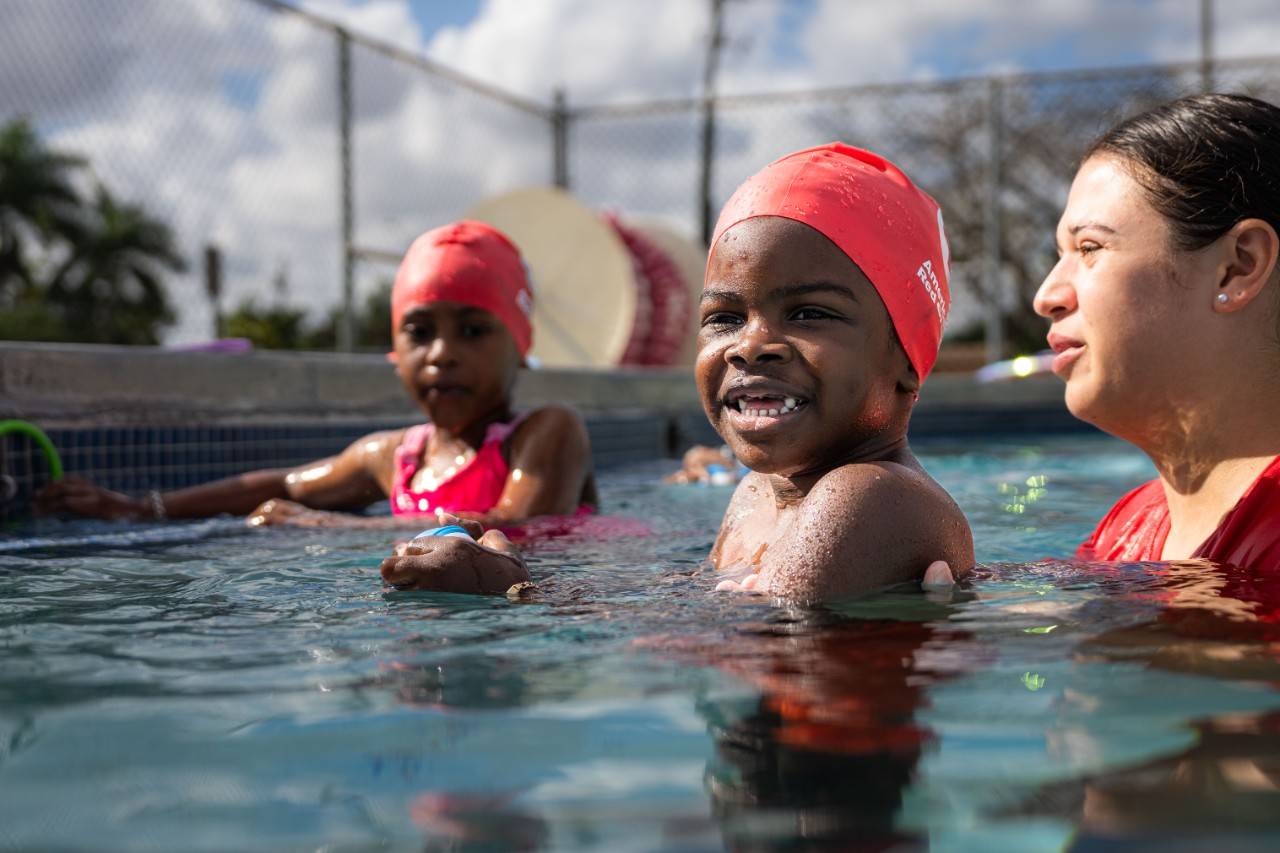
Photos: American Red Cross archives, 2024
Support all the urgent humanitarian needs of the American Red Cross.
Find a drive and schedule a blood donation appointment today.
Your time and talent can make a real difference in people’s lives. Discover the role that's right for you and join us today!