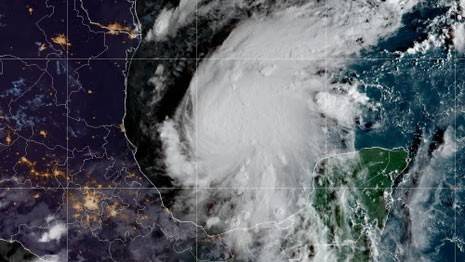
In South Florida, hurricane season is part of life. While we can’t stop storms from forming, we can take steps now to be better prepared when they do.
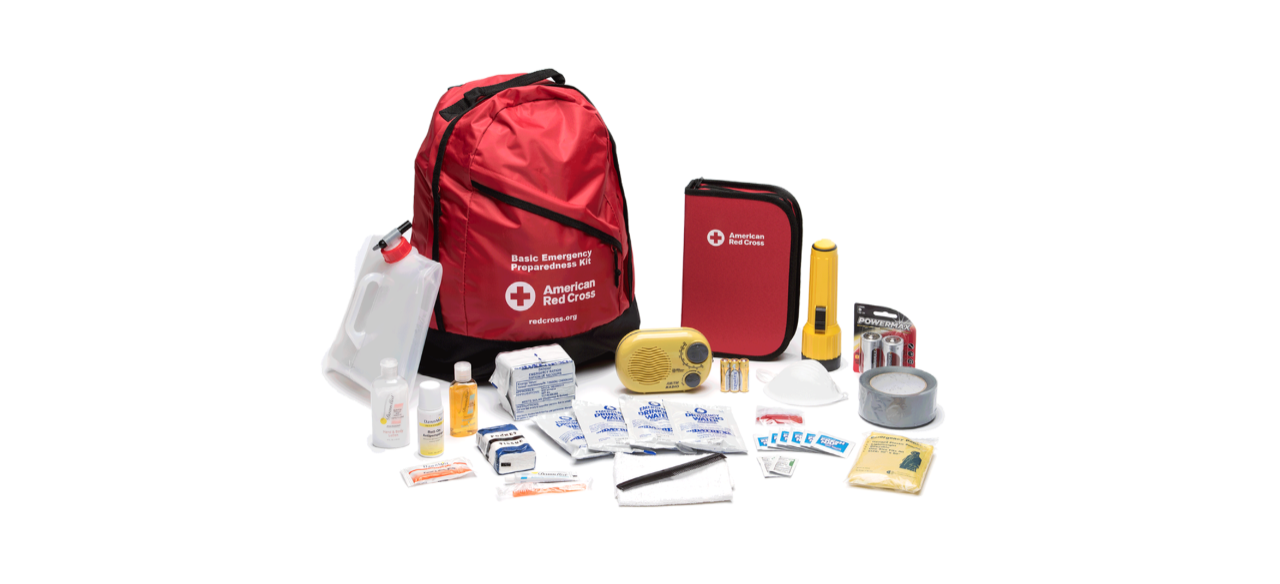
One of the most important things every household can do before hurricane season is build an emergency kit. Having supplies ready before a storm approaches can help keep your family safe and reduce stress when stores are crowded and shelves are empty.
The American Red Cross recommends preparing for the possibility of being without power, water, internet access or access to stores for several days after a storm. Your emergency kit should include enough supplies for everyone in your household, including pets.
What should go in your emergency kit?
Start with the basics:
The Red Cross recommends having a “Go Kit” with at least three days of supplies in case you need to evacuate, as well as a larger “Stay-at-Home Kit” with two weeks of supplies in case you remain home after a storm.
Building a kit does not have to be expensive
Preparing for hurricane season can feel overwhelming, but building an emergency kit can happen over time.
A good way to start is by adding one or two extra emergency items to your grocery cart each week. Buying supplies gradually can make preparedness more manageable and affordable.
Here are a few low-cost ways to build your kit:
Use what you already have
A sturdy backpack, reusable grocery bag or plastic tote you already own can work just fine.
Check your home for supplies you may already have, including flashlights, batteries, canned food, refillable water bottles and basic first aid supplies.
Shop sales
Discount stores often carry many emergency essentials at lower prices, including batteries, canned food, hygiene products and flashlights.
Buy extra canned goods or bottled water when they are on sale and rotate them into your normal household use before they expire.
Focus on essentials first
If you are just starting out, focus on the items that matter most:
You can continue adding supplies over time.
Reuse and repurpose items
Old backpacks can become Go Kits. Empty food containers can be cleaned and used to store supplies. Zip-top bags can help keep documents dry during storms and flooding.
Make a family plan too
An emergency kit is only one part of being prepared. Families should also:
The 2026 hurricane season is here. Taking small steps today can make a big difference when a storm is on the way.
Learn more about hurricane preparedness and emergency kits and download the free Red Cross Emergency App.
Support all the urgent humanitarian needs of the American Red Cross.
Your time and talent can make a real difference in people’s lives. Discover the role that's right for you and join us today!