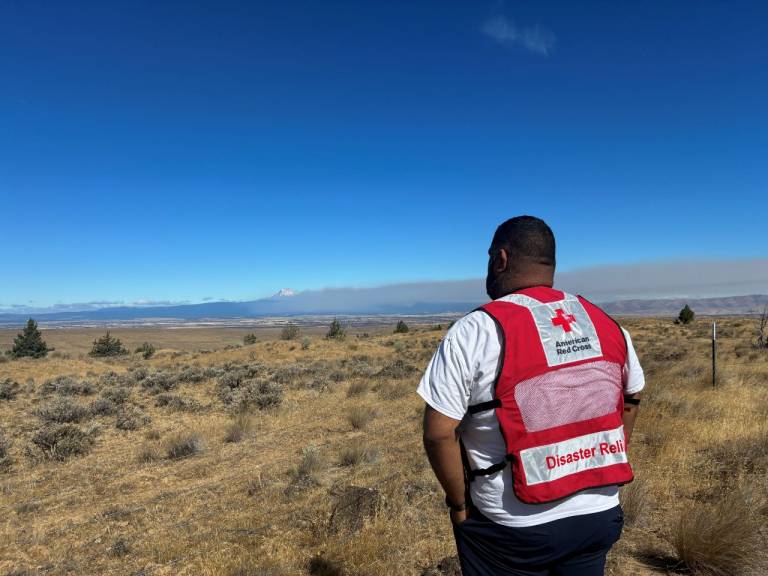
Hundreds of American Red Cross disaster workers are working around the clock across multiple states as massive wildfires in the west threaten neighborhoods and continue to force people from their homes.
The danger isn’t over ─ critical fire weather continues across the region. Very dry and windy conditions and extremely dry vegetation could fuel new fires and hamper efforts to contain the existing fires.
BLOOD SUPPLY CRISIS Meanwhile, the Red Cross has declared only the second national blood supply crisis in its history after blood donations fell to a four-year summer low, deepening an emergency shortage that threatens the availability of lifesaving blood for patients across the country. Don’t wait. Those who may be eligible are urged to book an appointment now at RedCrossBlood.org or 1-800-RED CROSS.
MILLIONS OF ACRES DESTROYED Oregon and Washington have been hit by their worst fire season in more than 30 years, with flames burning more than 2.1 million acres as of July 30. In Oregon, 49 fires are burning, having already consumed more than 1.8 million acres. A state of emergency has been declared for all of Washington state where major new fires threaten as many as 5,000 structures in Spokane County alone. Thousands of families in both states have been forced to evacuate.
A hotline is now set up for Oregonians affected by wildfires and smoke. People can call 1-833-699-0554. Callers are encouraged to leave a message if their call isn’t answered. People can also complete an online form. The hotline does not guarantee financial assistance or enrollment for a particular program. People in immediate danger should call 911, while those needing information on evacuation shelters should call 211.
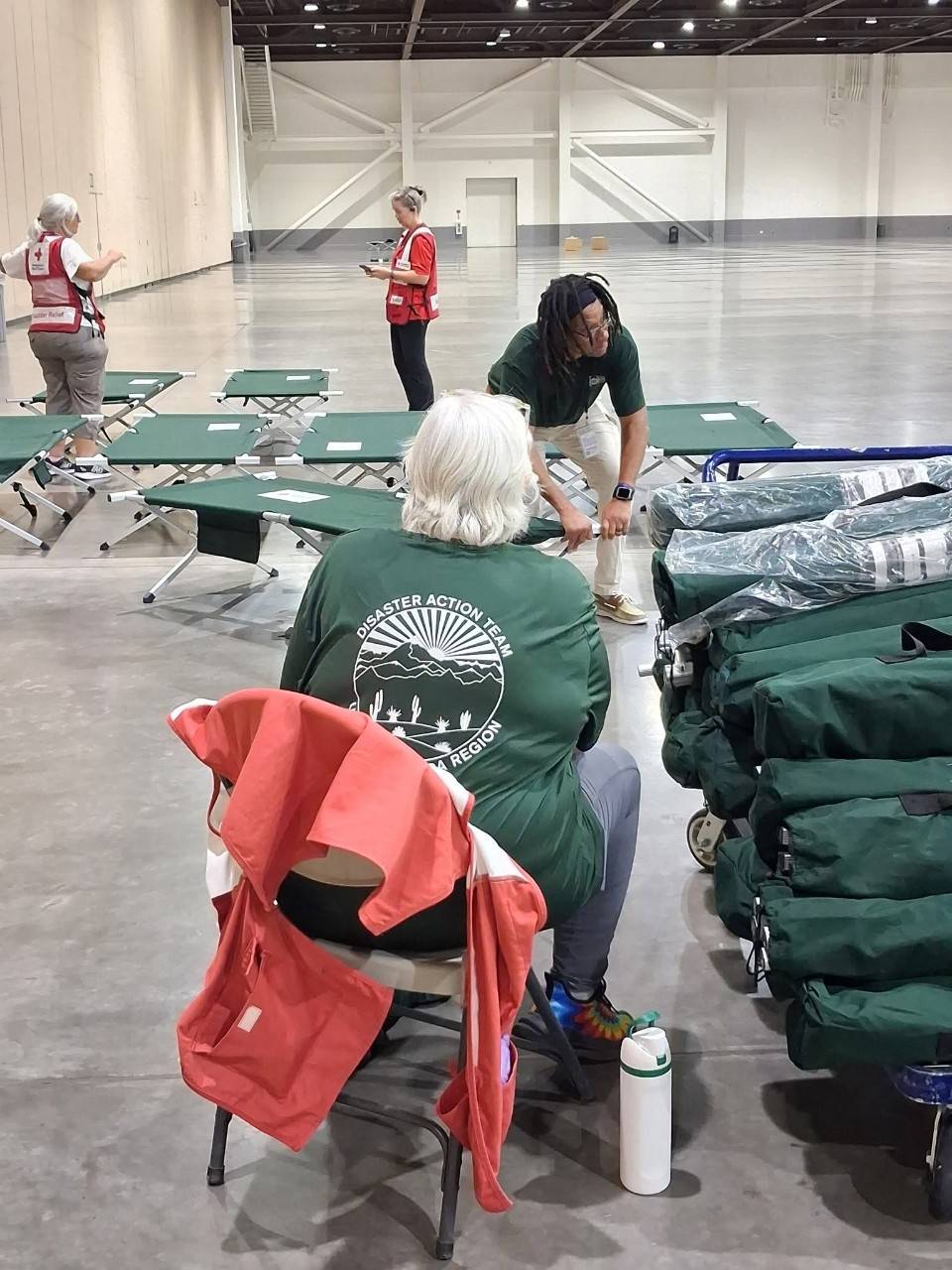
Disaster teams across the Red Cross Cascades region in Oregon are keeping a close eye on evacuation orders and making sure all shelters are fully staffed and equipped for any surge in overnight stays as conditions lead to additional Level 3 “Go now!” evacuation orders.
In Washington, Red Cross Northwest Region disaster volunteers have opened new shelters in the Spokane area following the new fires starting there and are reminding people to listen to any evacuation orders.
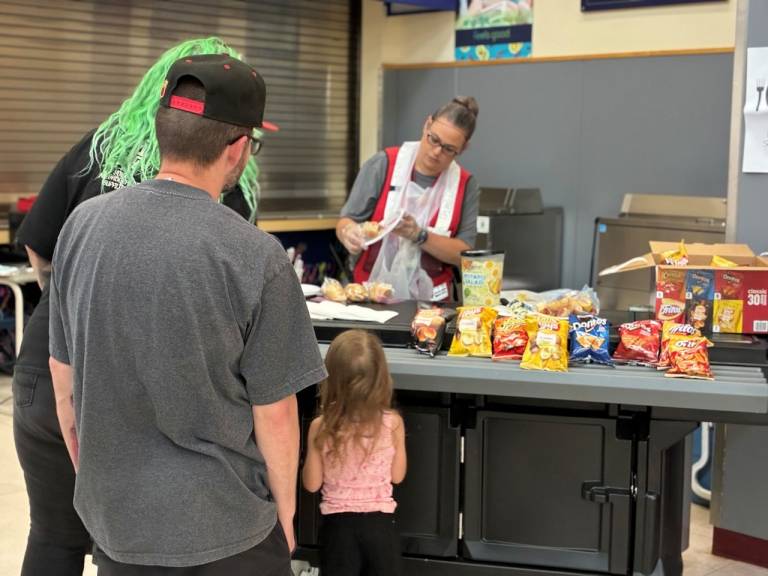
Oregon and Washington have been hit the hardest by the fires. However, wildfires are burning up and down the west from Washington to southern California. Disaster teams have opened more than 40 shelters where people can access health services such as replacing lost eyeglasses or medications in addition to finding a safe place to stay. They have served more than 3,600 meals (including shelf-stable meals), more than 6,300 snacks and distributed almost 2,500 relief items. Red Cross disaster workers are also supporting damage assessment where it is safe to do so.
IF ORDERED TO EVACUATE Anyone in a Level 3 evacuation area needs to get to safety immediately. Anyone in a Level 2 or even a Level 1 evacuation order should be actively preparing to leave the area.
Listen to officials and evacuate if they tell you to do so. Plan in advance where you’ll go, how you’ll get there and where you’ll stay. If you need help leaving or use public transportation, you may need extra time to evacuate. Follow evacuation routes and don’t try to take shortcuts because they may be blocked.
Don’t forget your pets. If it’s not safe for you, it’s not safe for them to stay behind. Take your emergency go-kit with three days of supplies like food, water and medicine. Include backup batteries and chargers for your devices (phone, CPAP, wheelchair, etc.).
NEED A SHELTER? You can find shelters by visiting redcross.org, using the free Red Cross Emergency app or by calling 1-800- RED CROSS (1-800-733-2767). You can also check with local officials and monitor local news for information on where to get help.
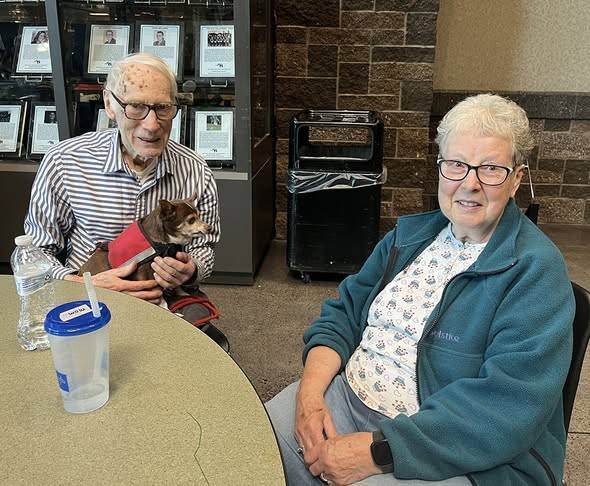
Anyone who has been affected is welcome to stop by a shelter for a hot meal, to charge their phone and get other support. We don’t ask for identification, and you don’t have to stay overnight. If you are coming to a shelter, if possible, bring prescription medications, extra clothing, pillows, blankets, hygiene supplies, other comfort items and important documents with you. Don’t forget any special items for family members, pets or children, such as diapers, formula and toys.
YOU CAN HELP people affected by disasters like fires, floods and countless other crises by making a donation to Red Cross Disaster Relief. Donate by visiting redcross.org, calling 1- 800-RED CROSS (800-733-2767) or texting the word REDCROSS to 90999. Your gift enables the Red Cross to prepare for, respond to and help people recover from disasters big and small, whenever and wherever they occur across the country.
You can also help by becoming a volunteer. We invite you to get involved by visiting redcross.org/volunteer.
WILDFIRE SAFETY The Red Cross offers these steps people can take to help keep them safe should a wildfire occur.
About the American Red Cross:
The American Red Cross shelters, feeds and provides comfort to victims of disasters; supplies about 40% of the nation’s blood; teaches skills that save lives; distributes international humanitarian aid; and supports veterans, military members and their families. The Red Cross is a nonprofit organization that depends on volunteers and the generosity of the American public to deliver its mission. For more information, please visit redcross.org or CruzRojaAmericana.org, or follow us on social media.
Support all the urgent humanitarian needs of the American Red Cross.
Find a drive and schedule a blood donation appointment today.
Take a class and be ready to respond if an emergency strikes.