by Cecilia Sugar, Public Affairs
From a busy kitchen to a backyard grill—or even a generator brought out after a hurricane—a fire can start in seconds. During Fire Prevention Week, the American Red Cross offers simple steps South Florida households can take to help prevent home fires and keep loved ones safe.
South Florida’s year-round warm weather means residents often spend time outdoors cooking and entertaining. At the same time, hurricane season can bring power outages and the need to use generators, creating additional fire and carbon monoxide hazards.
A few simple precautions can make a big difference.
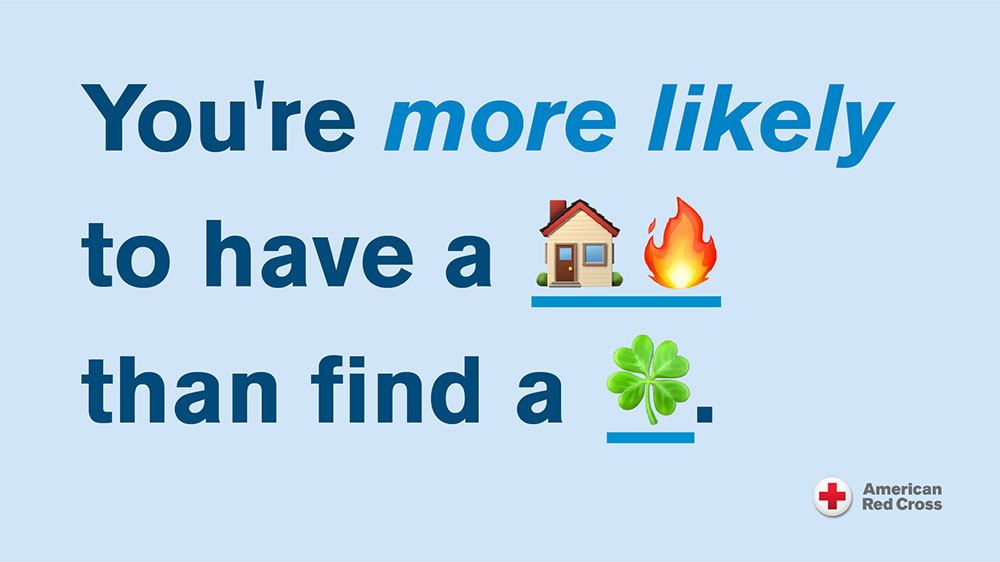
Did you know [1]:
Fire Prevention Week — Oct. 4-10 — is a good time to make sure your household knows how to prevent a fire, recognize an alarm and get out safely.
SAFETY STEPS — GET A PLAN AND ALARMS
Develop a fire escape plan and install smoke alarms. Learn how in the first 10 items listed below:
HAVE A PLAN You may have less than two minutes to escape from a burning home. Draw up your household fire escape plan and practice it twice a year.
1. Everyone in your household should know two ways to escape from every room, whenever possible. This is especially important in homes with bedrooms on upper floors and in apartments or condominiums.
2. Pick a location a safe distance from your home where everyone will meet, such as a neighbor’s home, a mailbox or another familiar landmark.
3. If a fire starts, leave immediately and never go back inside for people, pets or belongings. Call 911 once you are safely outside.
4. Time your fire drill and practice until everyone knows how to get outside quickly. Practice at least twice a year and whenever there is a change in your household.
5. Make sure your plan includes young children, older adults, people with disabilities and anyone who may need additional help escaping. Assign someone to assist children or household members who cannot evacuate independently.
SMOKE ALARMS can cut your risk of dying in a fire nearly in half.
Working smoke alarms provide early warning when a fire starts. The Red Cross recommends installing smoke alarms on every level of your home, including inside bedrooms and outside sleeping areas.
6. Press the test button regularly to make sure your alarms are working. Replace batteries at least once a year, if your model requires it.
7. Check the manufacturer's date on your alarms. Smoke alarms that are 10 years old or older generally need to be replaced because their sensors can become less sensitive over time.
8. Carbon monoxide (CO) is a colorless, odorless gas that can become a serious hazard when fuel-burning equipment is used. Install CO alarms according to the manufacturer's instructions, particularly when your home has fuel-burning appliances or you use a generator.
9. Make sure children know the sound of both smoke and CO alarms and understand that an alarm means it is time to act.
10. Do not block doors, windows, hallways or stairways with furniture, boxes or other belongings. In an emergency, every second counts.
FIRE PREVENTION — SOUTH FLORIDA STYLE
Cooking remains a leading cause of home fires. In South Florida, fire prevention also means paying close attention to outdoor cooking, electrical equipment and hurricane-related power outages.
11. Never leave cooking food unattended. Stay in the kitchen when frying, grilling or cooking with an open flame. If you need to leave—even briefly—turn off the stove or cooking equipment.
12. Keep anything that can burn away from heat. Keep towels, paper products, food packaging, curtains, potholders and other flammable items away from stovetops, ovens and other heat-producing appliances.
13. Create a three-foot kid- and pet-free zone. Keep children and pets at least three feet away from cooking areas and hot appliances.
14. Keep a lid nearby when cooking with oil. If a small grease fire starts in a pan, turn off the heat if it is safe to do so and carefully cover the pan with a lid or baking sheet. Never use water on a grease fire.
15. Whether you're grilling on a patio, in a backyard or at a family gathering, keep the grill away from structures and anything that can burn. Never leave a grill unattended, and follow the manufacturer's instructions for safe use.
POWER OUTAGES, GENERATORS AND STORMS
For South Florida residents, hurricane preparedness and fire safety go hand in hand. A generator can provide important emergency power, but improper use can lead to fire, electric shock or carbon monoxide poisoning.
16. Operate generators outdoors. Never use a portable generator inside a home, garage, shed, crawl space or other enclosed or partially enclosed area. Keep it well away from windows, doors, vents and other openings where exhaust could enter the home.
17. Never refuel a hot or running generator. Turn the generator off and allow it to cool before adding fuel. Store gasoline and other fuels safely in approved containers and away from heat, sparks and flames.
18. Never connect a portable generator directly to your home's electrical system. Improper connections can create a dangerous electrical hazard and can put utility workers at risk. If you want backup power connected to your home's electrical system, use a qualified professional and the appropriate transfer equipment.
19. Use flashlights instead of candles whenever possible. After a storm or during a power outage, battery-powered flashlights and lanterns are safer choices than open flames. If you use candles, keep them in sturdy holders away from curtains, paper and other things that can burn, and never leave them unattended.
20. Check your home after a storm. Before restoring power after a hurricane or major storm, look for damaged wiring, sparks, unusual burning odors or other signs of electrical damage. If you see damage or suspect a problem, do not turn the system back on. Have the electrical system inspected by a qualified professional.
SOUTH FLORIDA HOME FIRE FREQUENTLY ASKED QUESTIONS
Q. How much time do I have to escape a home fire?
A. You may have less than two minutes to get to safety. That's why working smoke alarms and a practiced escape plan are so important.
Q. How often should I test my smoke alarms?
A. Test smoke alarms once a month. Replace batteries according to the manufacturer's instructions and replace alarms that have reached the end of their service life.
Q. Can I use a generator in my garage if the garage door is open?
A. No. Portable generators should never be operated inside a garage or other enclosed or partially enclosed space. Generator exhaust contains carbon monoxide, which can build up to dangerous levels quickly.
Q. Can I use a charcoal or gas grill inside during a hurricane or power outage?
A. No. Never use charcoal or gas grills inside a home, garage, vehicle, tent or other enclosed area. They can produce dangerous levels of carbon monoxide and also create a fire hazard.
Q. What should I do if a grease fire starts?
A. If it is safe to do so, turn off the heat and carefully cover the pan with a lid or baking sheet. Never put water on a grease fire. If the fire is spreading or you are unsure what to do, get out, stay out and call 911.
Q. What should I do if my home is damaged by a hurricane?
A. Stay alert for electrical, gas and structural hazards. Do not use damaged electrical equipment or restore power if you see sparks, damaged wiring or smell something burning. Contact the appropriate utility or a qualified professional for assistance.
Q. What should I do if a smoke or CO alarm sounds?
A. Treat every alarm seriously. Get outside to safety and call 911. Never assume an alarm is a false alarm without checking safely from outside or following emergency guidance.
THIS FIRE PREVENTION WEEK, TAKE TWO MINUTES
Fire Prevention Week is a reminder that preparing for a fire doesn't have to take all day.
Take a few minutes to test your smoke alarms. Walk through your home and identify two ways out of every room. Choose your household meeting place. Check your grill and generator. Make sure everyone knows what to do if an alarm sounds.
The goal is simple: prevent fires when you can, recognize danger quickly and make sure your household can get out safely.
For more home fire safety information, including resources for creating and practicing a home fire escape plan, visit redcross.org/fire.
[1] National Fire Protection Association
About the American Red Cross:
The American Red Cross shelters, feeds and provides comfort to victims of disasters; supplies about 40% of the nation’s blood; teaches skills that save lives; distributes international humanitarian aid; and supports veterans, military members and their families. The Red Cross is a nonprofit organization that depends on volunteers and the generosity of the American public to deliver its mission. For more information, please visit redcross.org or CruzRojaAmericana.org, or follow us on social media.
Support all the urgent humanitarian needs of the American Red Cross.
Your time and talent can make a real difference in people’s lives. Discover the role that's right for you and join us today!