By Zaide Manzur
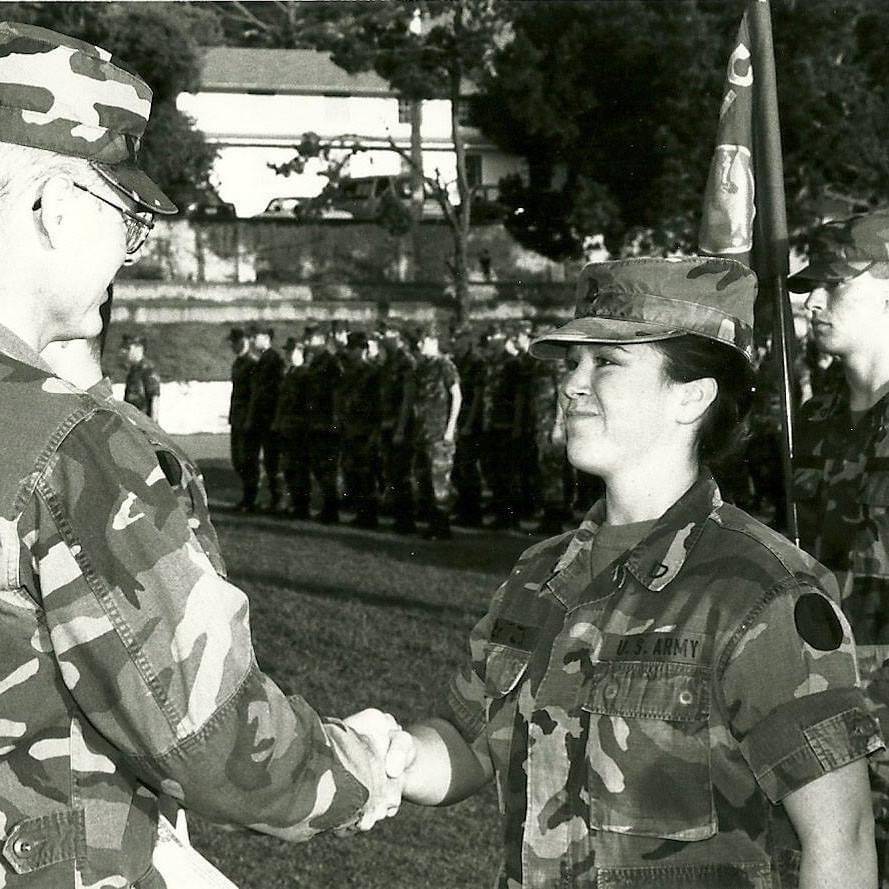
At 18 years old, Mauricio Serrato found himself thousands of miles from home in Okinawa, Japan, wearing the uniform of the United States Marine Corps.
He had enlisted at 17, hoping to build a better future for himself. But as he recalls, he was still a young man who was very close to his family, suddenly finding himself alone on the other side of the world.
“One day, I woke up and thought, ‘I’m here. How did this all happen?’” he recalls.
Born in Cali, Colombia, Mauricio moved to the United States with his parents and siblings when he was seven years old. Years later, his decision to join the military would mark the beginning of a journey that, despite taking many different turns, has always been connected to helping others.
During his four years of active duty and four years of inactive service, he learned lessons that continue to guide him today: discipline, perseverance and the importance of seeing things through.
He also carried with him a philosophy that remains deeply connected to his work with the American Red Cross.
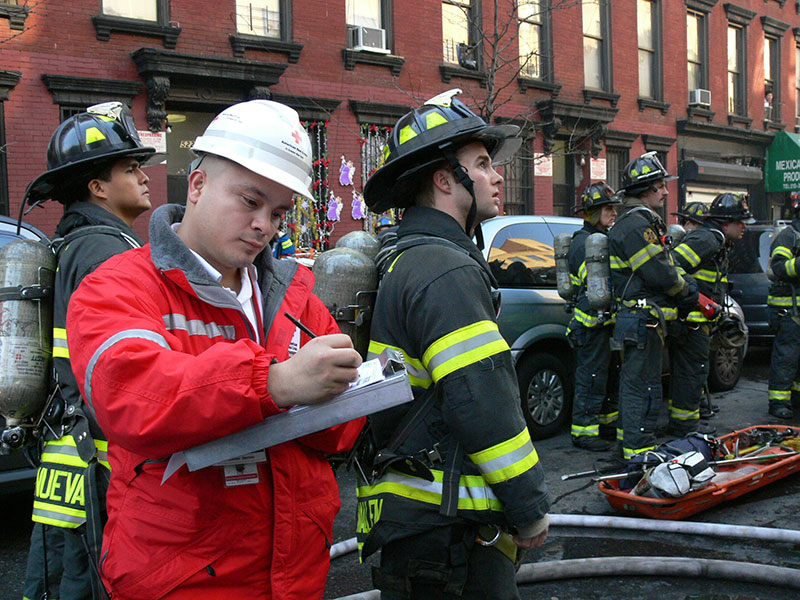
“It doesn’t matter if someone is Hispanic, Chinese or American. We don’t look at politics, religion or differences. We’re there to provide a service.”
After leaving the military, Mauricio explored different career paths. He worked as a youth counselor, held jobs in restaurants and warehouses, and even ran his own Hispanic restaurant.
His journey with the Red Cross, however, began almost by chance.
An uncle who worked on the organization’s cleaning staff mentioned that they needed someone to help for a few days. Mauricio accepted the opportunity and eventually secured a permanent position.
It was during that time that something caught his attention.
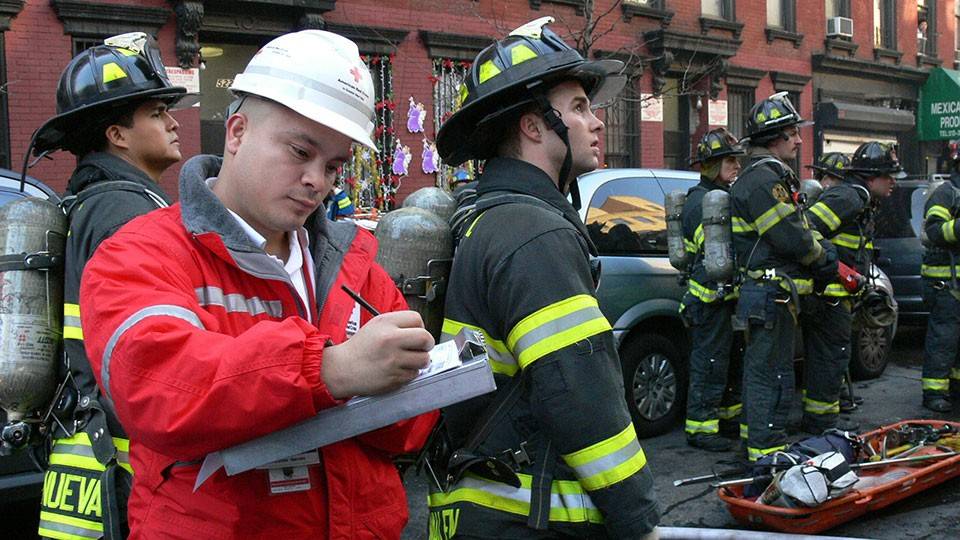
During the historic New York City blackout, he watched as Red Cross disaster responders mobilized to help communities affected by the emergency.
“Who are they? What are they doing?” he remembers asking.
The answers only made him more curious. Mauricio wanted to be part of it.
He began asking how he could volunteer during his days off. He approached his supervisors, spoke with Human Resources and waited while the organization determined whether he could work for the Red Cross and volunteer with a different department.
Eventually, he got the green light.
And his very first shift turned out to be more than he could have imagined.
His first response was to a fire near Queens Center Mall, where he helped several families. Among them was a Colombian family, a detail he still remembers more than two decades later.
But the night was far from over. He went on to respond to a building collapse and, later, another fire in Brooklyn. He didn’t make it home until around 3 a.m.
When asked about one of the most rewarding moments of his Red Cross career, Mauricio doesn’t mention a promotion or an award.
He remembers that first night.
“It wasn’t about the number of families,” he explains. “It was the experience of being able to help people and make an impact on their lives.”
What began as a temporary opportunity turned into a career of more than 22 years with the Red Cross.
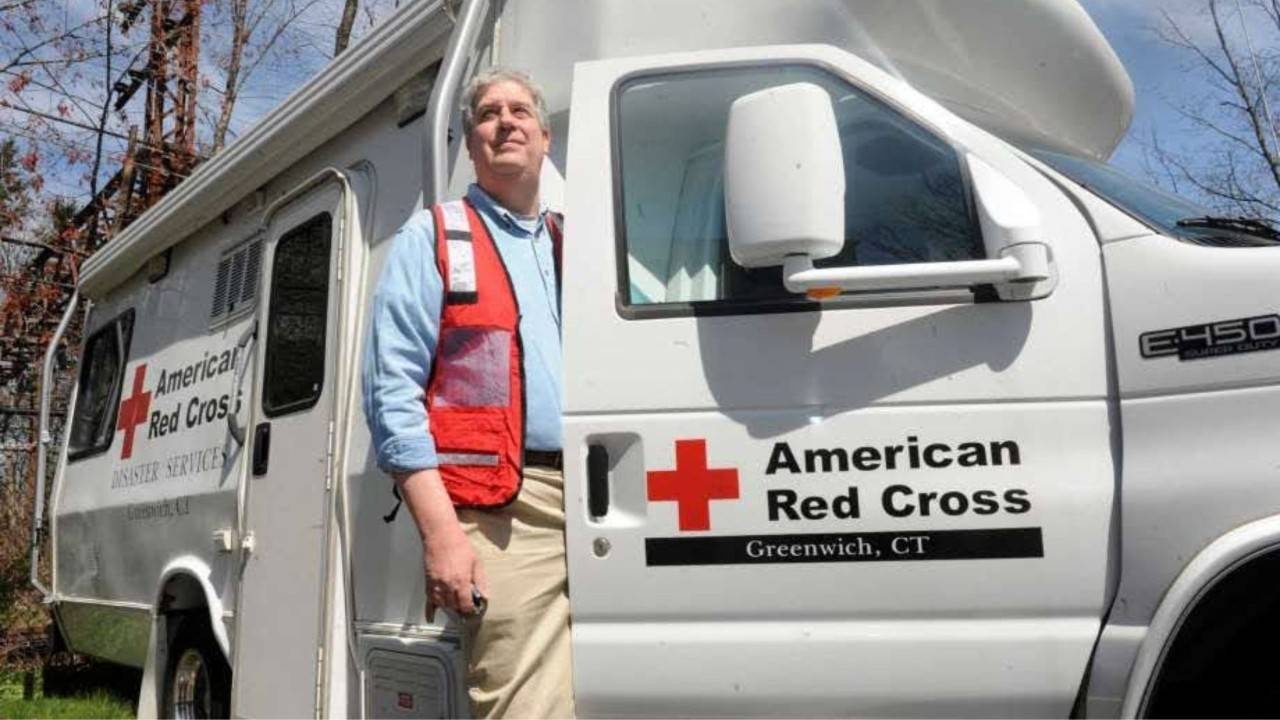
Today, Mauricio serves as Regional Client Care Manager for the American Red Cross in Greater New York.
In many cases, his work begins when the immediate emergency is over and families are left facing a difficult question: What happens next?
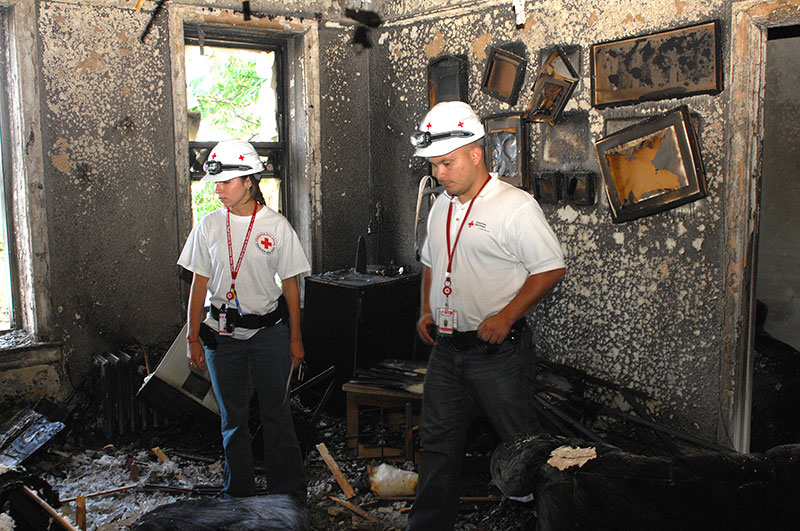
Mauricio and the teams he leads help people affected by home fires and other disasters understand the resources available to them and develop recovery plans based on their individual needs.
During the first quarter of fiscal year 2027 alone, which began in July 2026, his teams assisted approximately 2,500 families. According to Mauricio, that number could reach 10,000 by the end of the fiscal year.
But for him, the work is about much more than numbers.
Over the years, he has helped transform the way the organization supports families, including introducing in-person appointments to help them better understand the next steps in their recovery.
The idea came after he noticed a recurring challenge: families were receiving information about available resources but often remained unsure of what to do next.
Rather than relying solely on phone calls and remote guidance, Mauricio began welcoming families in person, creating a space where they could ask questions, explore their options and receive more personalized support.
He has also worked to strengthen volunteer teams and improve processes that help deliver assistance more efficiently.
Yet one of the most important lessons he has learned from his own team is the importance of slowing down and taking the time to listen, even in the middle of an emergency.
Because behind every case is a family going through one of the most difficult moments of their lives.
“Some families are laughing, some are crying, some are screaming, and others are completely in shock,” he explains. “They’re all going through the same thing, but in different ways.”
For Mauricio, recognizing those differences is essential.
A family can lose everything they’ve spent years building in a matter of minutes. Understanding that reality, he believes, is an important part of helping them begin again.
And although Mauricio has spent most of his life in the United States, some traditions from his Colombian roots remain part of his everyday life.
One of them has even found its way into his work at the Red Cross.
When he began implementing in-person appointments for families, he wanted to incorporate a simple gesture that feels familiar to many Latino households: offering guests something to drink.
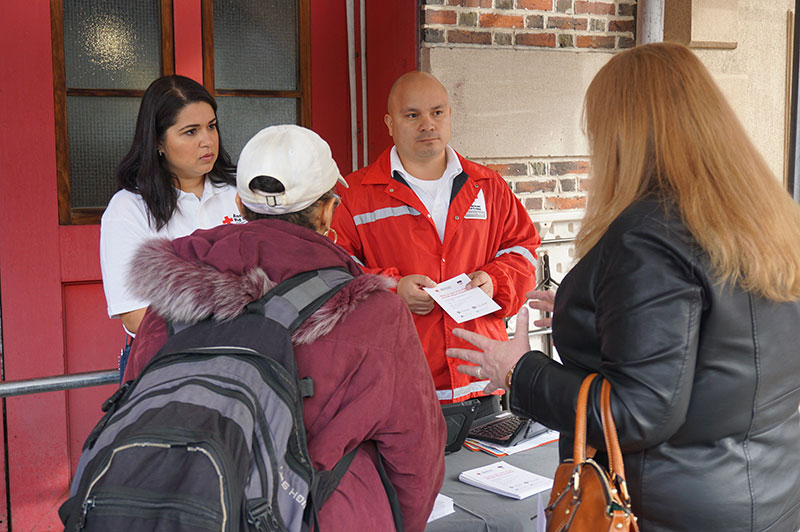
A cup of coffee, tea, hot chocolate or simply a glass of water.
“It’s about hospitality,” he explains. “Making people feel like they’re in their own home from the moment they walk in.”
That small gesture became part of the welcome volunteers offer families who come in seeking guidance.
It may seem like a small detail compared to the challenges families face after a disaster. But to Mauricio, it represents something meaningful: helping people feel welcomed and supported from the very beginning.
It’s also a way of bringing a little piece of his Latino heritage into his everyday work.
Mauricio’s commitment to disaster response has also been part of his family’s life.
His wife and daughter are used to him traveling to support affected communities whenever hurricane season arrives or a major disaster strikes.
And although his daughter grew up hearing about his work, there’s one conversation he remembers especially well.
She was about five years old when Mauricio returned from a disaster response operation and began telling her about everything he had done: the programs he had coordinated, the volunteers he had mobilized and the resources they had distributed.
After listening for several minutes, she interrupted him with a question:
“But how many people did you rescue?”
Mauricio laughs as he remembers the moment. His daughter was imagining the kind of rescues she had seen on the news, while he was trying to explain all the work that happens behind the scenes during a disaster response.
The story reflects something he knows well: helping people doesn’t always mean physically pulling someone out of danger.
Sometimes it means coordinating resources, finding solutions, guiding a family or making sure someone has a safe place to spend the night.
And after more than two decades, it’s those families who continue to motivate him.
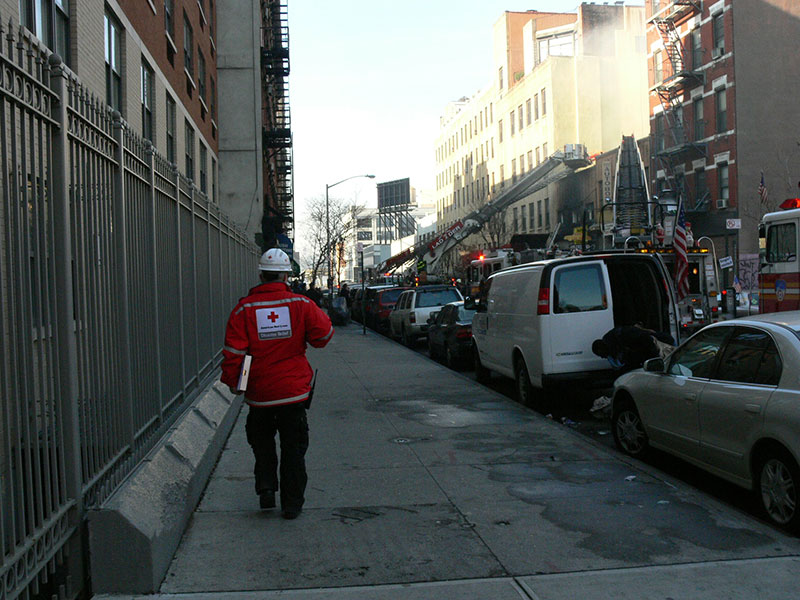
He has seen firsthand how a disaster can change someone’s life in a matter of minutes, and how the right support can make a difference in their recovery.
That same willingness to help, regardless of circumstances or differences, has been part of Mauricio’s life since his days in the Marine Corps.
For him, Veterans Day is an opportunity to remember those who have served in the U.S. Armed Forces and especially to honor those who lost their lives in military conflicts.
As he reflects on the day, his thoughts also turn to others who have demonstrated an extraordinary commitment to helping people.
He recalls, for example, the firefighters and first responders who responded to the September 11, 2001, attacks, including those who ran toward danger to help others.
“To me, it’s about remembering the people who went the extra mile to make sure others received help,” he shares.
And it’s that same commitment to others that has shaped Mauricio’s journey, from the young Colombian who arrived in Okinawa at 18 to the leader who now helps thousands of families navigate their recovery.
Support all the urgent humanitarian needs of the American Red Cross.
Find a drive and schedule a blood donation appointment today.
Your time and talent can make a real difference in people’s lives. Discover the role that's right for you and join us today!