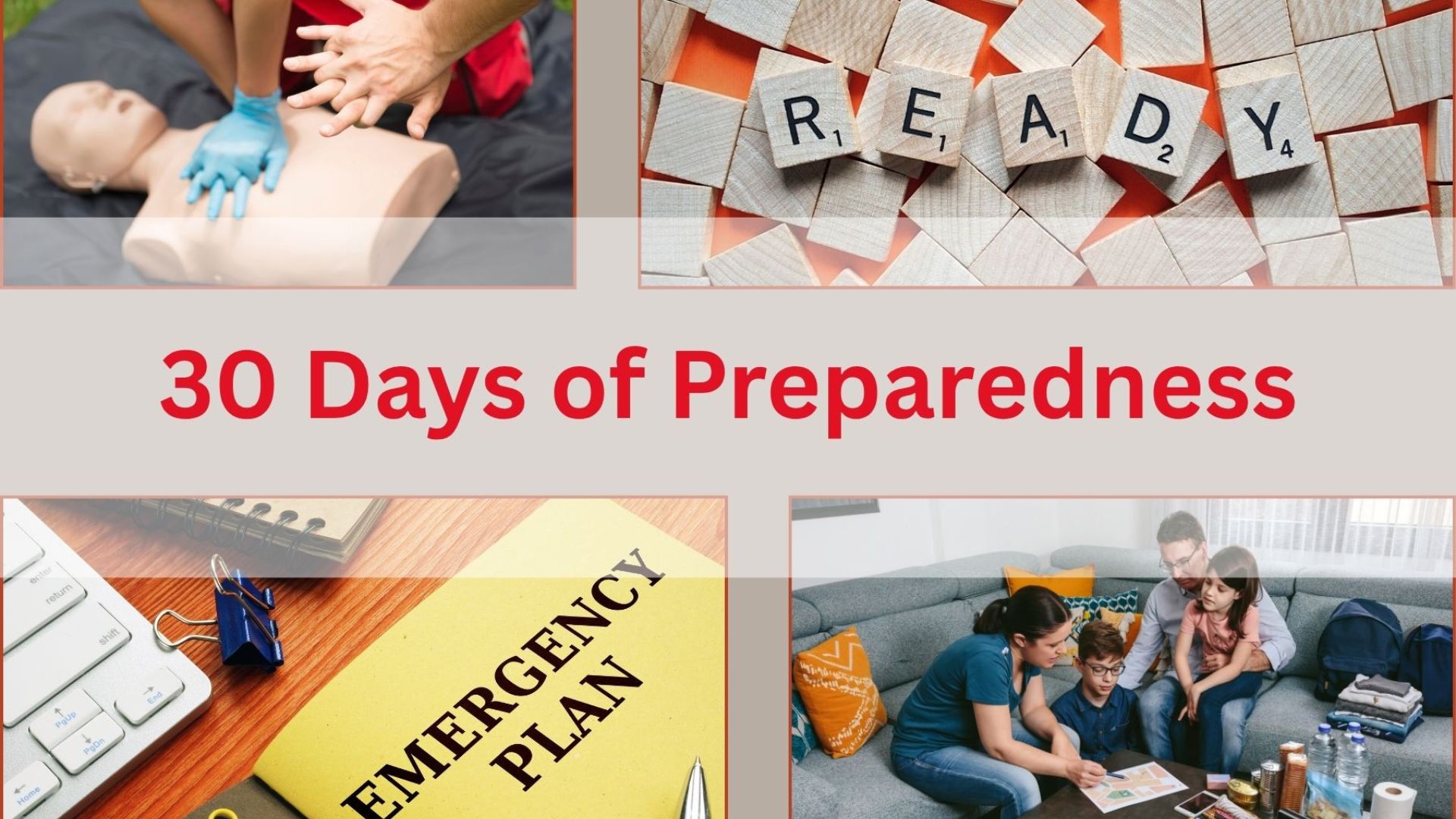
Preparedness can feel overwhelming. Between severe weather, home fires, power outages and medical emergencies, it's easy to look at everything you should do and wonder where to even begin.
The good news? You don't have to do it all at once.
This September, the American Red Cross Southeastern Pennsylvania Region is making preparedness a little easier. Throughout National Preparedness Month, we'll share one simple action you can take to help yourself, your family and your community be a little more ready for whatever comes your way.
Some days will take just a few minutes, while others might take a little more planning. But every step you take adds up. So whether you're just getting started or looking to refresh your emergency plans, we hope you'll join us for this 30 Days of Preparedness challenge.
This September, the American Red Cross Southeastern Pennsylvania Region is breaking down preparedness topics to make them more manageable. Throughout National Preparedness Month, we’ll be sharing 30 Days of Preparedness—a daily dose of practical actions you can take to strengthen your readiness.
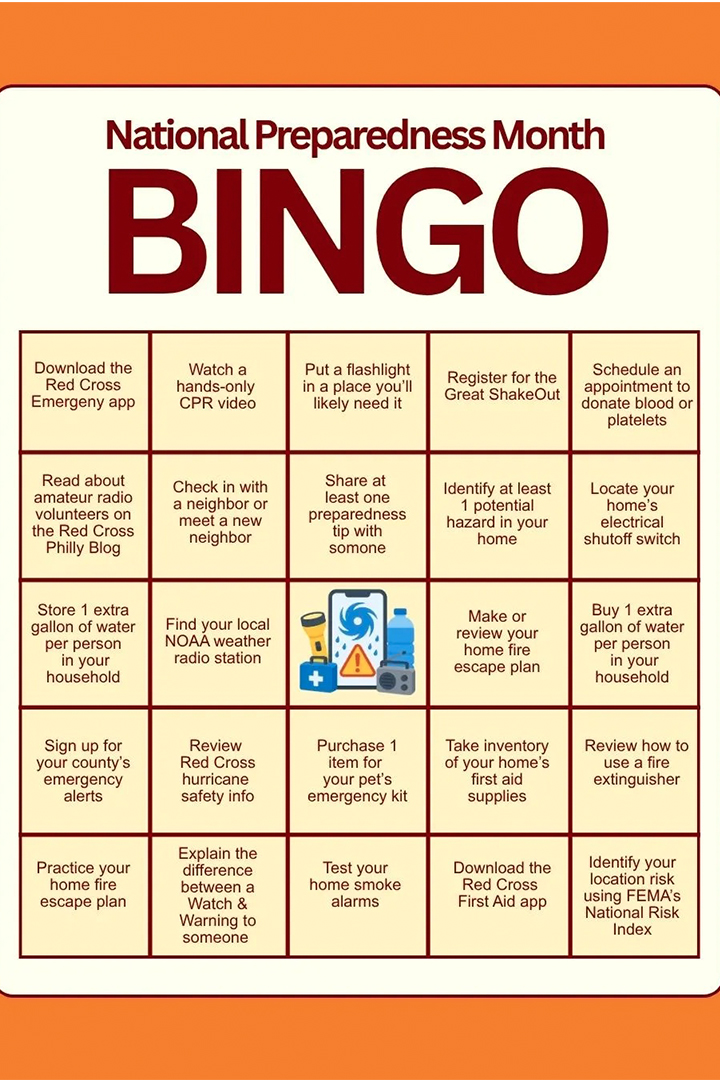
** Bonus Challenge: Play Preparedness BINGO!
Looking for an extra way to participate in National Preparedness Month? Download our Preparedness BINGO card and see how many preparedness activities you can complete throughout September.
Mark off squares as you go, challenge friends and family to play along and see if you can earn a BINGO before the month is over. Whether you complete one row or fill the entire card, every action you take helps make you, your family and your community more prepared.
30 Days of Preparedness Activities
Tuesday, Sept. 1 – Download our Apps
Let's start with something simple. Take a few minutes today to download our free Red Cross Emergency and First Aid apps. The Emergency app can send weather alerts, help you locate open Red Cross shelters and provide expert guidance for a variety of emergencies. The First Aid app offers easy-to-follow instructions for everyday injuries and unexpected situations. Download both apps and spend a few minutes exploring them.
Wednesday, Sept. 2 – Sign Up for Alerts
When it comes to emergencies, information is everything. Now that you've downloaded our apps, make sure you have a few other ways to receive alerts too. Wireless Emergency Alerts on your phone and a NOAA Weather Radio can help keep you informed when severe weather or other emergencies threaten your area.
Many counties and municipalities also offer their own alert systems. In Southeastern PA, these include Ready Bucks, Ready ChesCo, Delco Ready, Ready Montco and Ready Philadelphia. Take a few minutes today to see what's available where you live and sign up if you haven't already.
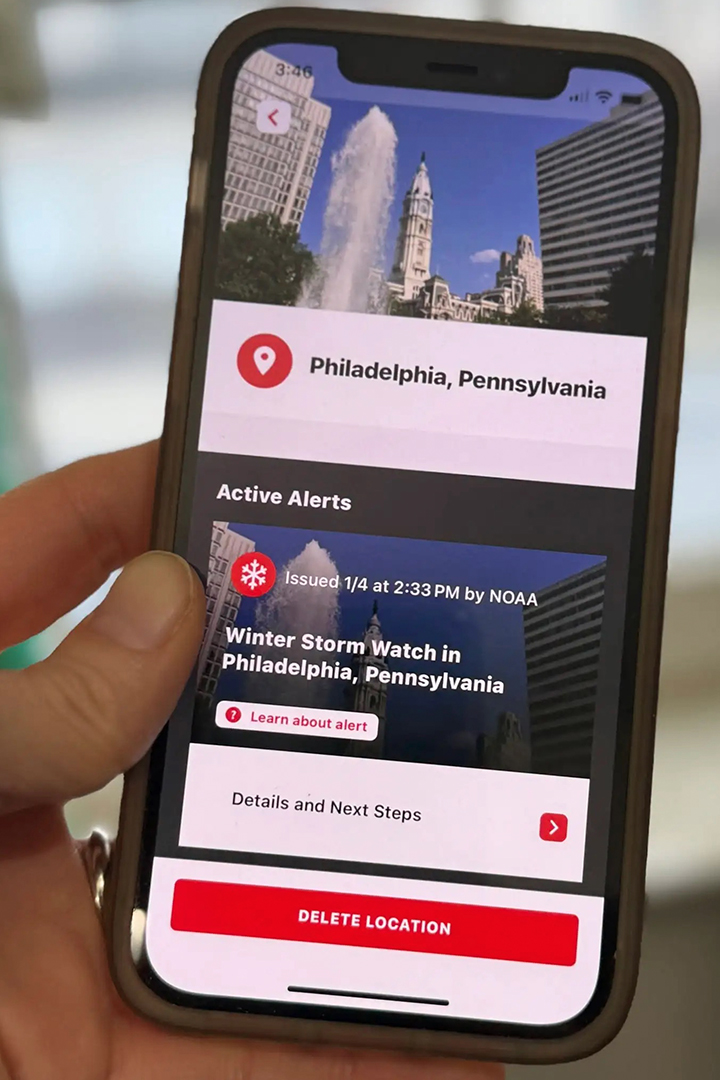
Download the American Red Cross Emergency App for free from your favorite app store. Photo by Alana Mauger/American Red Cross
Thursday, Sept. 3 – Know Your Risk
Not every community faces the same hazards. Some areas are more prone to flooding, while others may be at greater risk from severe storms or extreme heat. Today's preparedness step is easy: spend a few minutes exploring FEMA's National Risk Index interactive map. Understanding the risks where you live can help you make smarter decisions about planning and preparedness.
Friday, Sept. 4 – Learn How Choose or Use a Fire Extinguisher
A fire extinguisher can make a big difference during a small fire, but only if you know how to use it. If you don't have a fire extinguisher on every level of your home, consider adding one. If you already have them, take a few minutes to review the instructions so you're not trying to figure them out during an emergency. The U.S. Fire Administration has resources to get you started. Better yet, check with your local fire department to see if they offer demonstrations or training.
Saturday, Sept. 5 – Learn CPR
Each year, more than 350,000 people experience out-of-hospital cardiac arrest in the U.S. and only about 10% survive. But immediate CPR delivered by a bystander can double or even triple a person’s chance of survival. Whether you're brand new to CPR or just need a refresher, today is a great day to learn. You can sign up for a class through the Red Cross or watch a hands-only CPR video online. Even a few minutes spent learning the basics can make a life-saving difference.
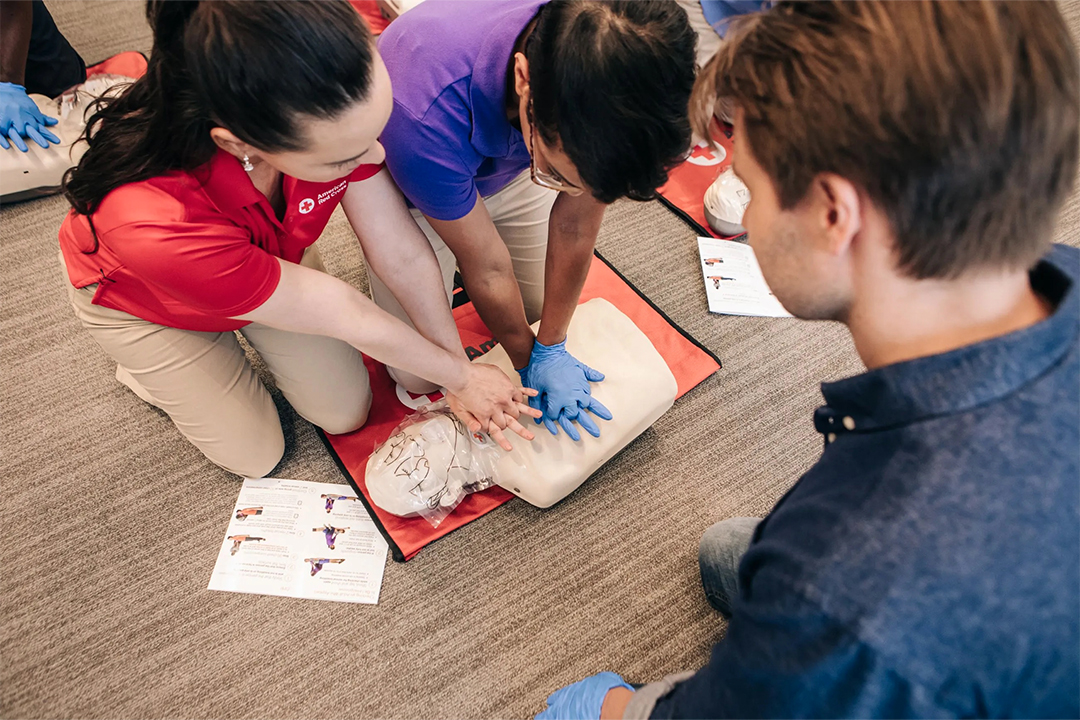
CPR stock photos by Roy Cox for the American Red Cross.
Sunday, Sept. 6 – Create an Escape Plan
If a home fire happened tonight, would everyone in your household know what to do? Take some time today to create a home fire escape plan. Make sure everyone knows two ways out of each room and where to meet once they're safely outside. Don't forget to include children and pets in your planning. Download our home fire escape plan template to get started.
Monday, Sept. 7 – Practice Your Escape Plan
Yesterday, you made a plan. Today, let's put it into action. Gather everyone in your household and do a quick practice run. The goal is to be able to get out safely in two minutes or less. It may feel a little silly at first, but practicing now can help everyone react quickly when it matters most.
Bonus Task: After the drill, take a selfie of you and your family at your designated meeting spot. Share it on social media and challenge a friend to do the same.
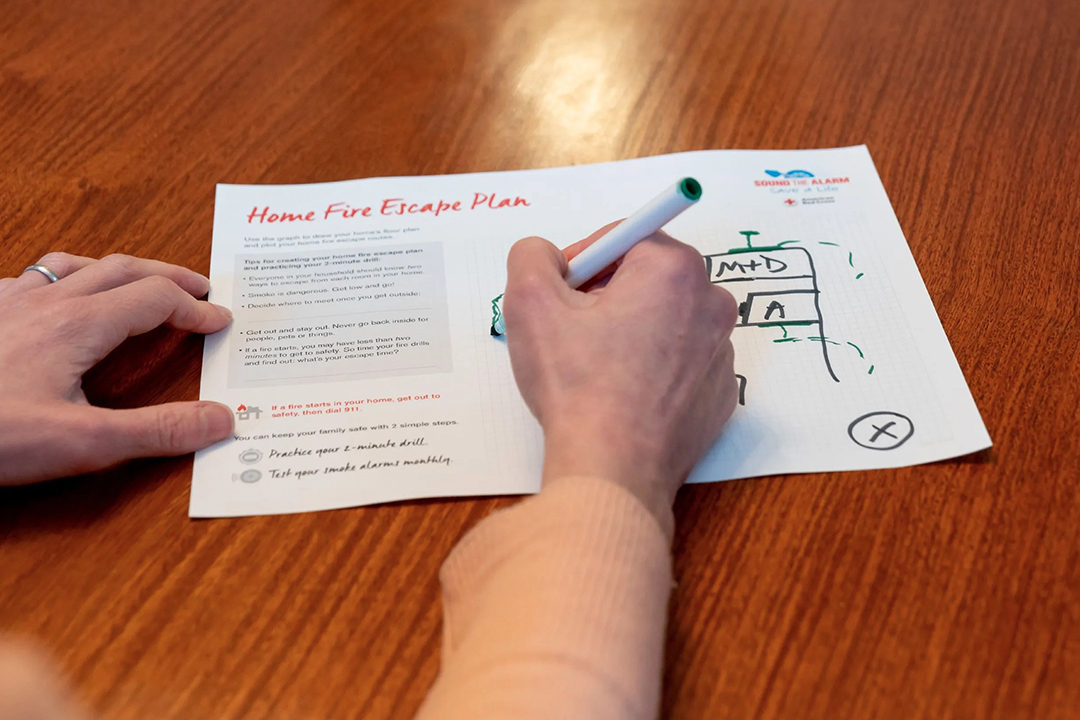
A family maps our their two-minute home fire escape plan. Photo illustration by Brad Zerivitz/American Red Cross
Tuesday, Sep. 8 – Know the Difference Between a Watch and a Warning
You've probably seen weather alerts pop up on your phone before, but do you know exactly what they mean? A watch means conditions are favorable for severe weather and you should be prepared to take action. A warning means dangerous weather is happening or expected soon and it's time to act. Take a few minutes today to review the different types of weather alerts and what they mean. Knowing the difference can help you make quicker, safer decisions when severe weather threatens.
Wednesday, Sept. 9 – Know Your Numbers
If you had to leave home quickly, would you have all the important information you need? Spend a few minutes gathering emergency contacts, doctors' phone numbers, insurance information and any other important details your family may need during an emergency. FEMA's family emergency plan template is a great place to start.
Thursday, Sept. 10 – Brush Up on Hurricane Preparedness
September is the busiest month of Atlantic hurricane season, making it a good time to review hurricane safety. Even though hurricanes don't hit Southeastern Pennsylvania directly very often, their impacts can reach us through flooding, high winds and power outages. Take a few minutes today to review Red Cross hurricane safety information so you'll know what to do before, during and after a storm.
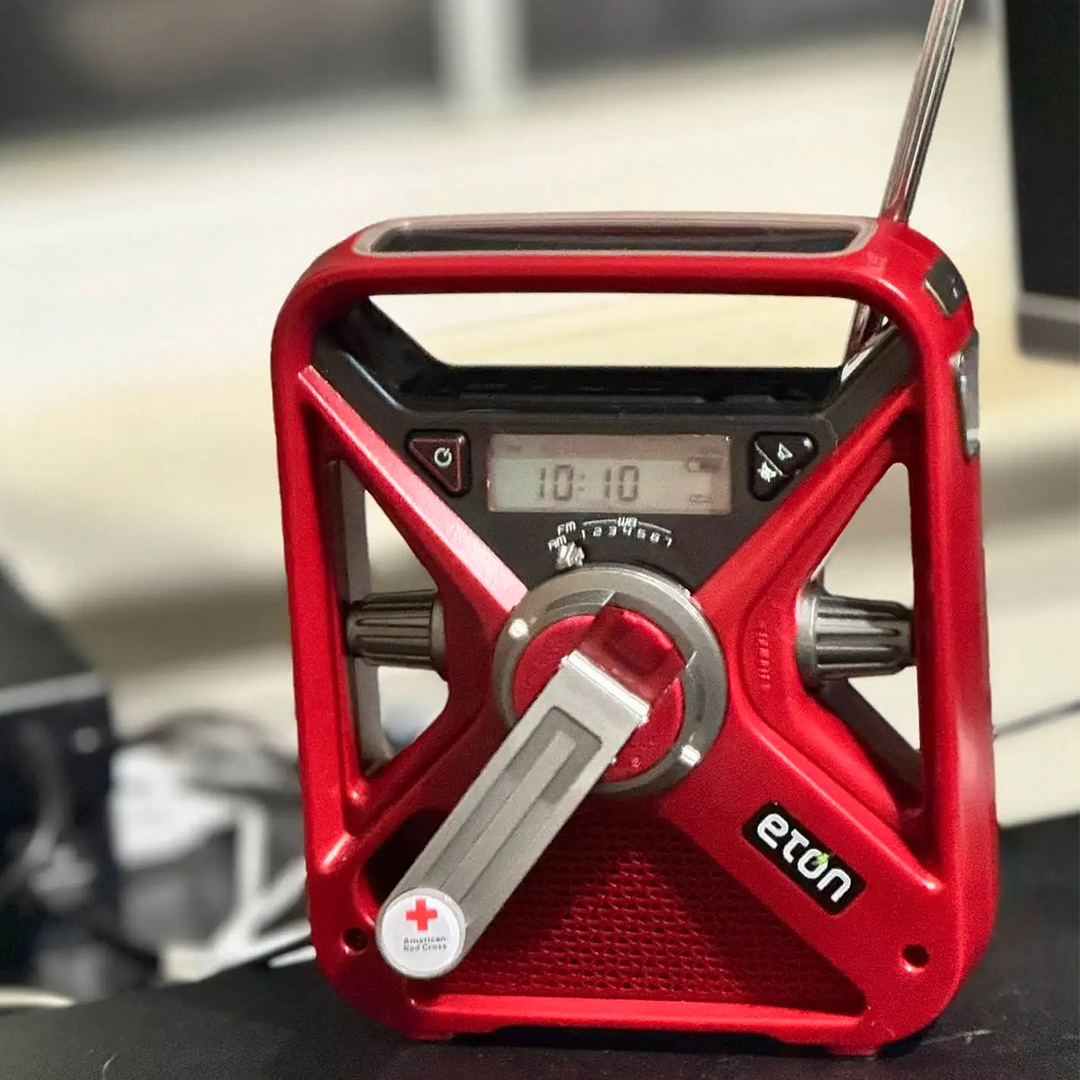
Example of a solar and crank-powered radio with NOAA weather bands. Photo by Alana Mauger/American Red Cross
Friday, Sept. 11 – Find Your Emergency Radio
What would you do if your phone lost service and the power went out? Battery-powered and hand-crank radios remain one of the most dependable ways to receive emergency information during a disaster. If you already have one, find it and make sure it's working. If not, consider adding one to your preparedness supplies.
Bonus Task: A NOAA Weather Radio can provide lifesaving information when other communication systems are unavailable. Find your local NOAA station here.
Saturday, Sept. 12 – Back Up Important Documents
Recovering from a disaster is much easier when important documents are easy to access. Take some time today to securely store copies of key documents such as insurance policies, driver's licenses, medical records, banking information and housing documents. A password-protected cloud account or secure external drive can help keep them safe.
Sunday, Sept. 13 – Build Your Emergency Kits
Let's talk emergency kits. Think about the things you and your family use every day to stay safe and comfortable. Water, food and medications are a great start, but don't stop there. Consider items for children, pets and anyone with specific medical needs. These checklists from the Red Cross and FEMA can get you started. Remember, the goal isn't to build the perfect kit overnight. Start with what you can and build from there.
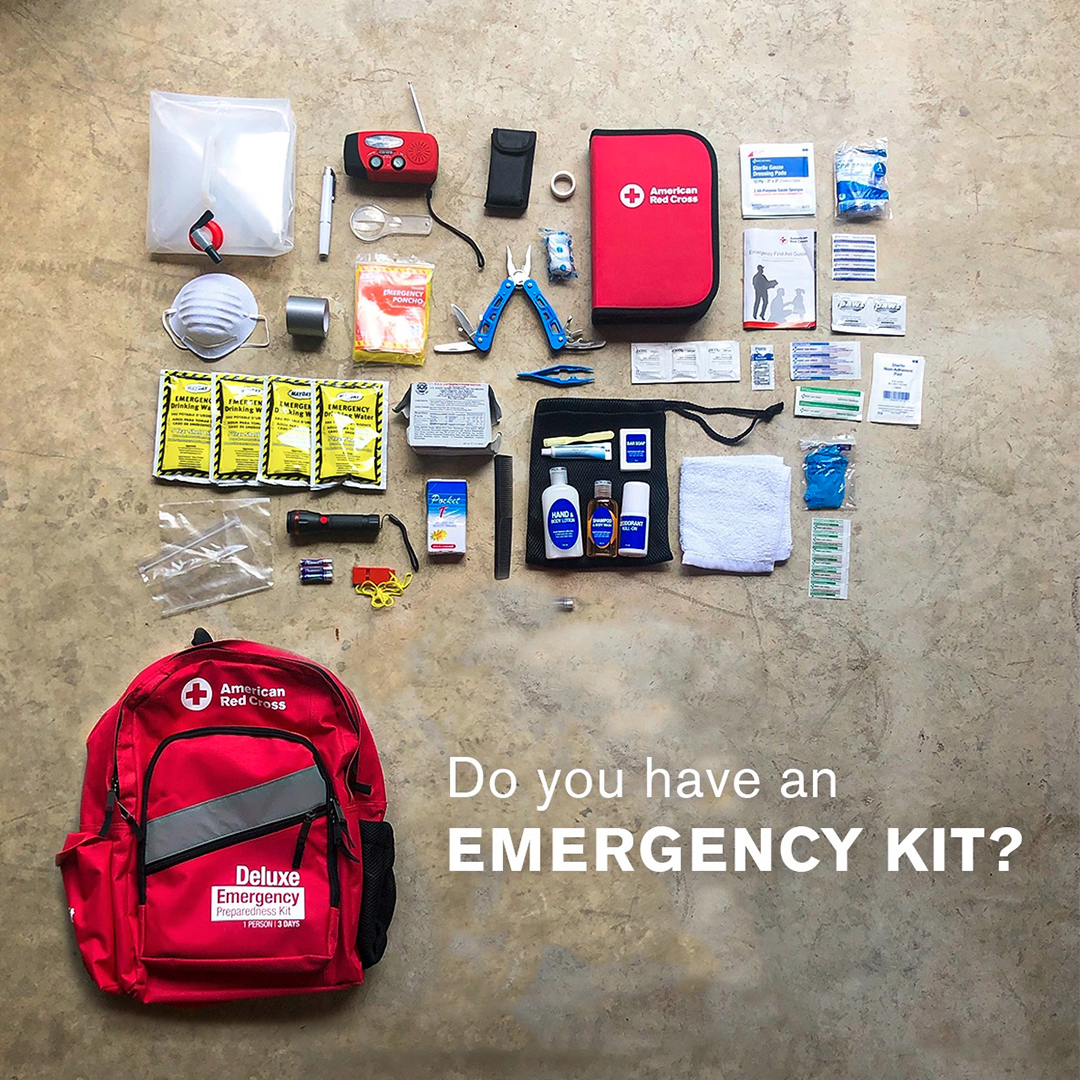
Red Cross graphic showing examples of items to include in an emergency kit.
Monday, Sept. 14 – Don’t Forget Your Vehicle
Emergencies don't always happen when you're at home. Take a few minutes today to put together a basic emergency kit for your vehicle. Consider items like a flashlight, blanket, jumper cables, first aid supplies, charger, boots, flares and bottled water. Check out these lists from FEMA and AAA for inspiration.
Tuesday, Sept. 15 – Put Flashlights Where You’ll Need Them
Power outages never seem to happen at convenient times. Today, walk through your home and make sure flashlights are stored in easy-to-find locations. Check the batteries and add extras nearby if needed. The next time the lights go out, you'll know exactly where to look.
Wednesday, Sept. 16 – Sign up for the Great ShakeOut
Did you know millions of people participate in the Great ShakeOut earthquake drill every year? Even though earthquakes aren't common in our area, practicing what to do during unexpected emergencies is always a good idea. Take a minute today to register your family, workplace or school and plan to participate in this year's drill. It's free, easy and a great way to build preparedness habits.
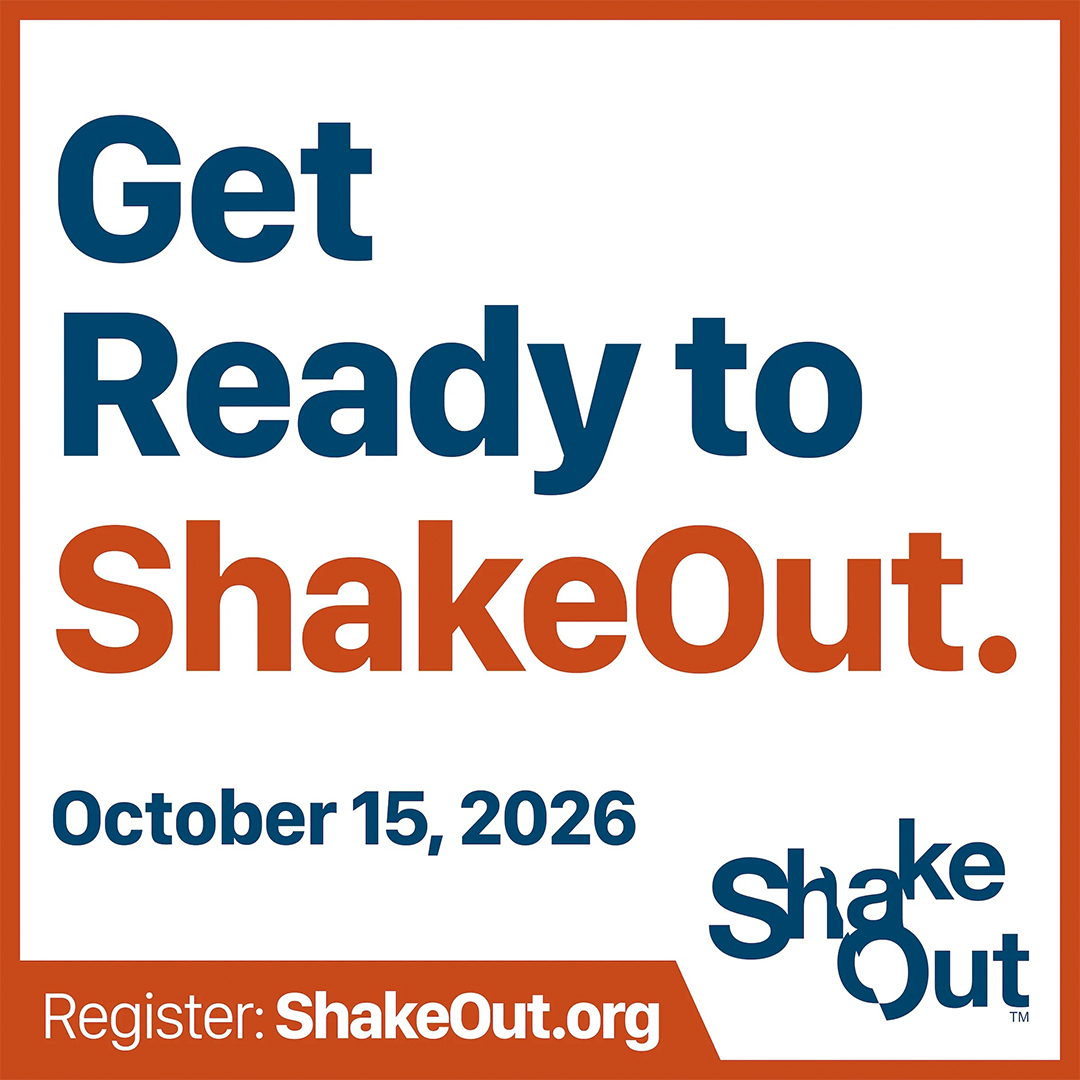
ShakeOut graphic: Get Ready to ShakeOut. October 15, 2026. Register: ShakeOut.org
Thursday, Sept. 17 – Test Your Smoke Alarms
Here's a task that takes less than five minutes and could save lives. Walk through your home and test every smoke alarm. Working smoke alarms can cut the risk of dying in a home fire by half. If you discover a missing or non-working alarm, make a plan to replace it as soon as possible.
If you need smoke alarms, the Red Cross may be able to help. Submit a request to have free smoke alarms installed by the Red Cross. Many fire departments also offer this service free of charge.
Friday, Sept. 18 – Turn Around, Don’t Drown
Flooding is the most common natural disaster in Pennsylvania, and flood-related deaths happen far too often because people underestimate moving water. Today's reminder is simple: never drive, walk or swim through flooded areas. Take a few minutes to review our flood safety tips and remember the slogan: Turn Around, Don't Drown.
Saturday, Sept. 19 – Build a First Aid Kit
You probably have bandages somewhere in the house, but do you have a complete first aid kit? Take some time today to check what supplies you already have and fill in any gaps. Include items for cuts, burns, sprains, allergies and common illnesses, along with any medications your household depends on. Review this checklist from the Red Cross.
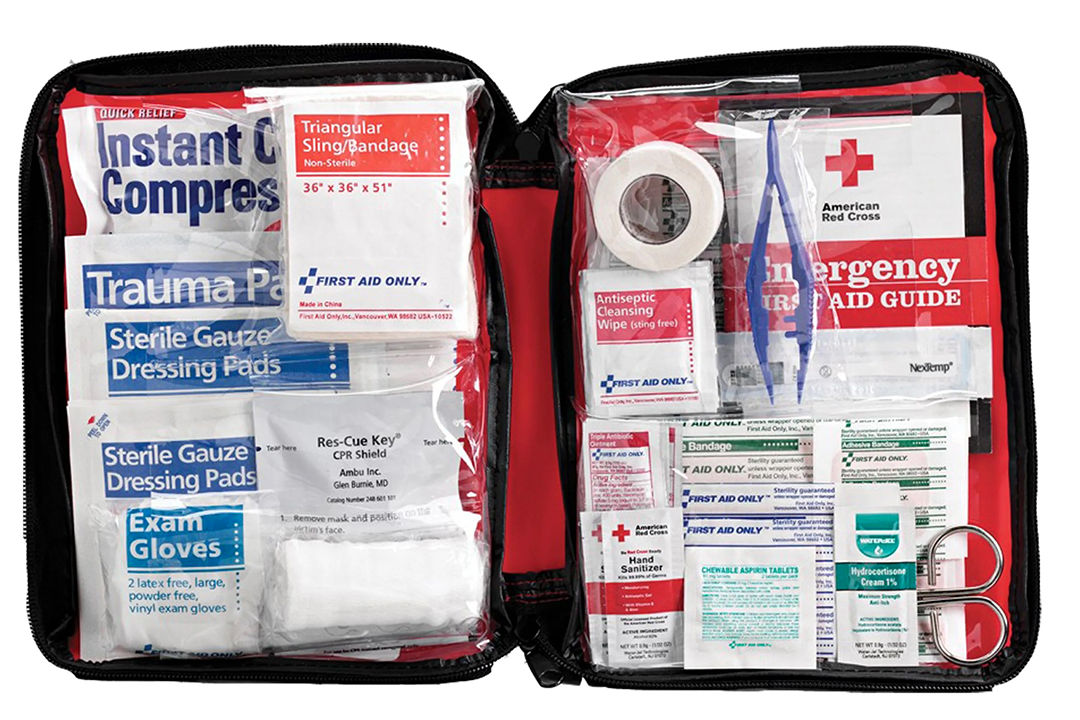
Be Red Cross Ready First Aid Kit open. Photo by Dan Bittinger
Sunday, Sept. 20 – Check Your Fuel Level
Here's a simple preparedness habit that can make a big difference. Take a look at your vehicle’s gas gauge. Is your tank at least half full? Keeping your vehicle fueled can give you more options if you ever need to evacuate or travel during an emergency. Consider making a half tank your personal rule of thumb.
Monday, Sept. 21 – Learn About Amateur Radio
In a world of smartphones and Wi-Fi, you might be surprised to learn that amateur radio (aka ham radio) still plays an important role during disasters. When traditional communication systems fail, licensed amateur radio operators often help emergency organizations stay connected.
The Philadelphia Amateur Radio Emergency Service (ARES) directly supports the disaster work of the Red Cross, and many operators are also volunteers. Take a few minutes to read about the role of Red Cross amateur radio operations during Philadelphia’s summer of major sporting events, festivals and public gatherings.
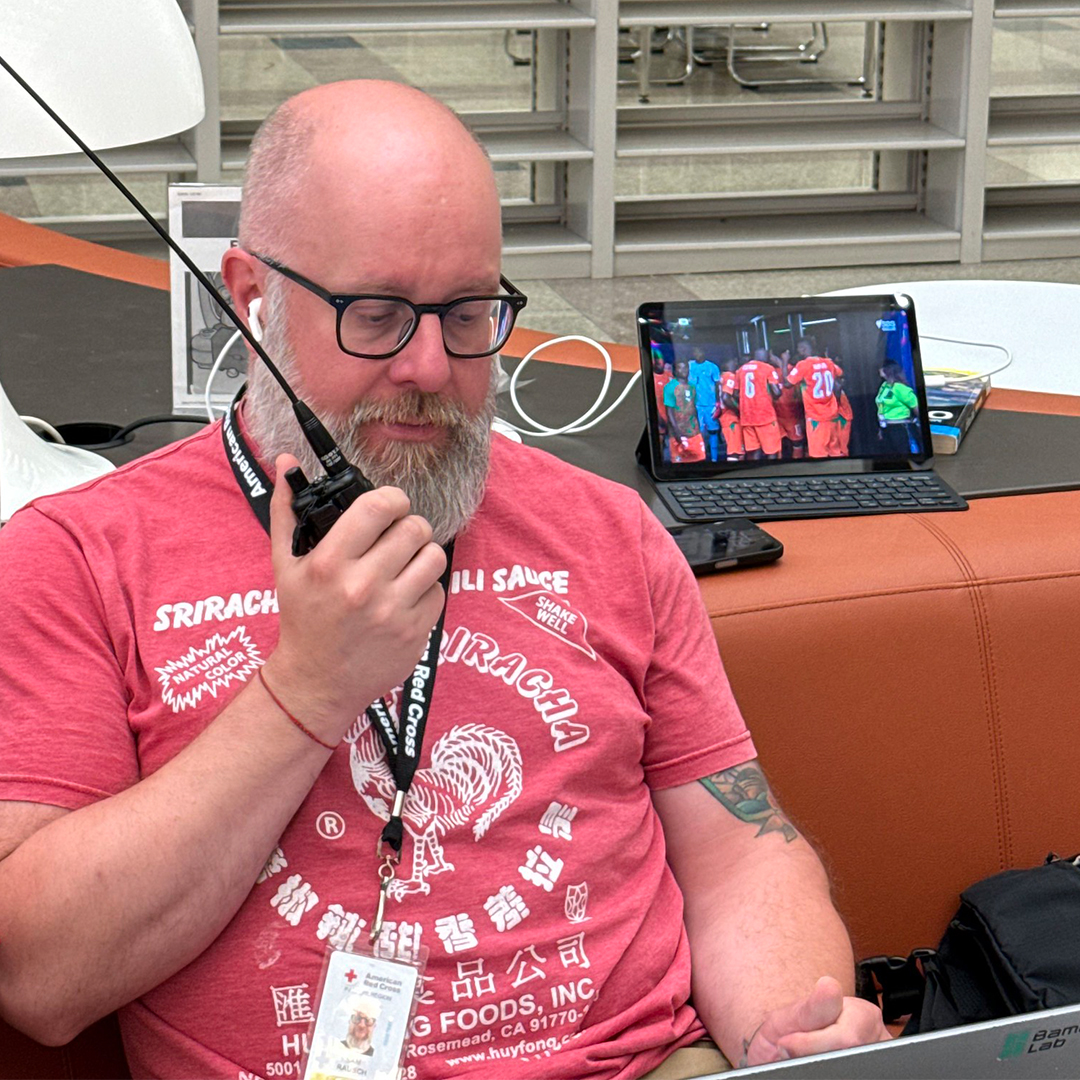
Amateur radio operator Sam Rausch checks in to Net Control from Central Parkway Library during his first Red Cross summer events shift on June 14. Photo by Eileen Raul / American Red Cross
Tuesday, Sept. 22 – Get Familiar with Your Utilities
If a water pipe bursts or a storm damages utility lines, would everyone in your household know what to do?Take a few minutes today to locate your home's water, gas and electrical shutoffs. Make sure the adults and older children in your household know where they are and when they should be used. It's also a good idea to keep any tools needed to turn off water or gas nearby.Just remember – only shut off utilities if you suspect damage or are instructed to do so by local authorities. If the gas is turned off, it must be turned back on by a professional.
Wednesday, Sept. 23 – Donate Blood or Platelets
Preparedness isn't just about protecting yourself. It's also about helping others when they need it most. When emergencies happen, hospitals rely on blood that's already on the shelves. If you're eligible, consider scheduling a blood or platelet donation this month. If donating isn't an option, you can still help by encouraging someone else to give. Visit RedCrossBlood.org or download our FREE Blood Donor app.
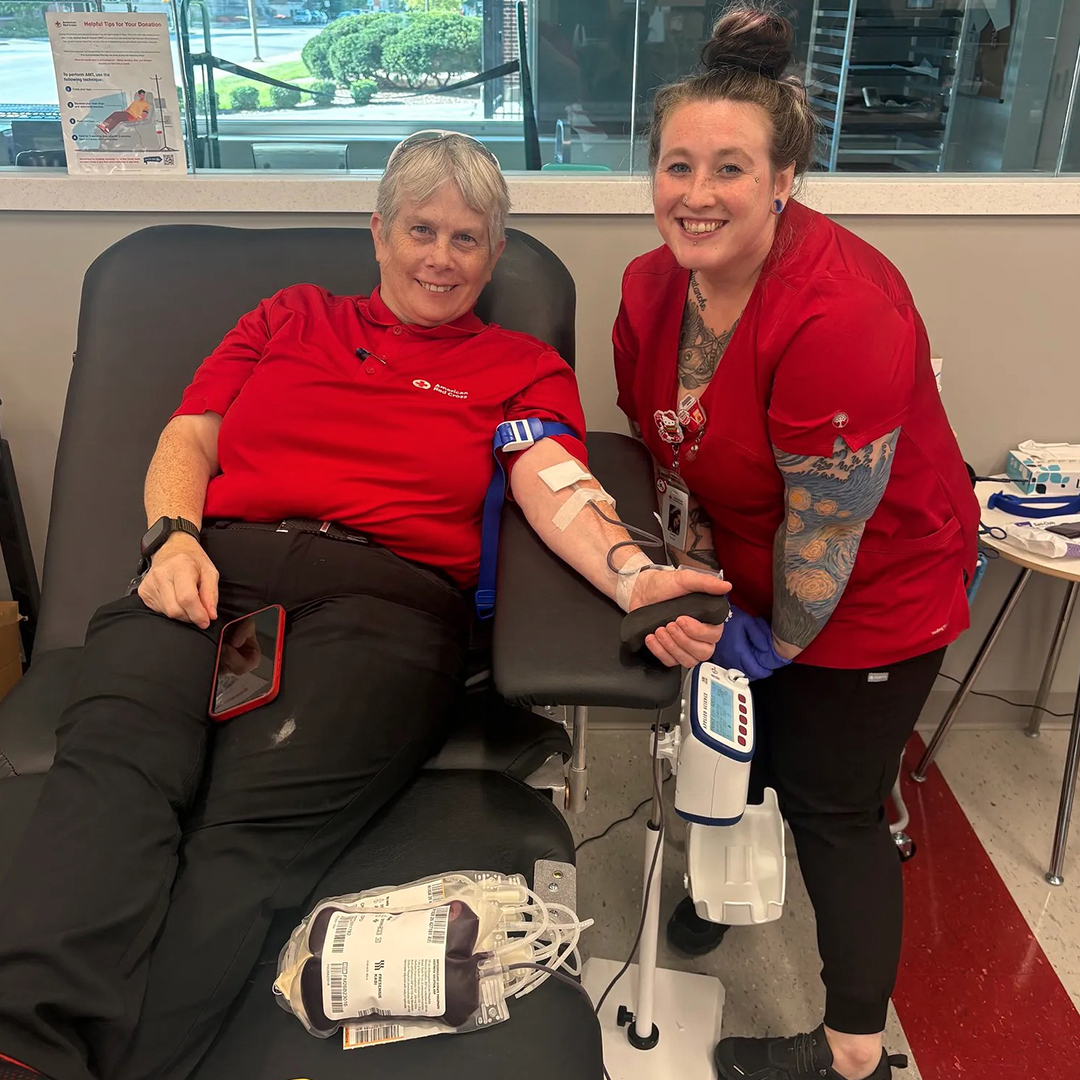
Local Red Crosser Heidi Dampman took a break during her recent deployment in Indiana to donate blood. Submitted photo
Thursday, Sept. 24 – Store Extra Water
Water is one of the most important things you'll need in an emergency, but it's easy to overlook when building your supplies. Today, take stock of the water you already have and consider whether it's enough for your household. A good rule of thumb is to have at least one gallon per person per day. You'll want enough for drinking, cooking and basic hygiene. If you're just getting started, don't worry about storing two weeks' worth today. Start small and build your supply over time. Every bottle you set aside is one step closer to being prepared.
Bonus Task: Take a few minutes to review CDC guidance for making water safe in an emergency.
Friday, Sept. 25 – Explore Red Cross Programs for Kids
Preparedness isn't just for adults; kids can learn important safety skills, too. And when kids understand what to do in an emergency, they often become preparedness champions for the whole family.
Take a few minutes to explore two free Red Cross programs designed especially for children. Prepare with Pedro helps young children learn how to stay safe during home fires, severe weather and other emergencies through engaging stories and activities with Pedro the cartoon penguin. In WHALE Tales, Longfellow the whale teaches children and families important water safety skills to help prevent drowning.
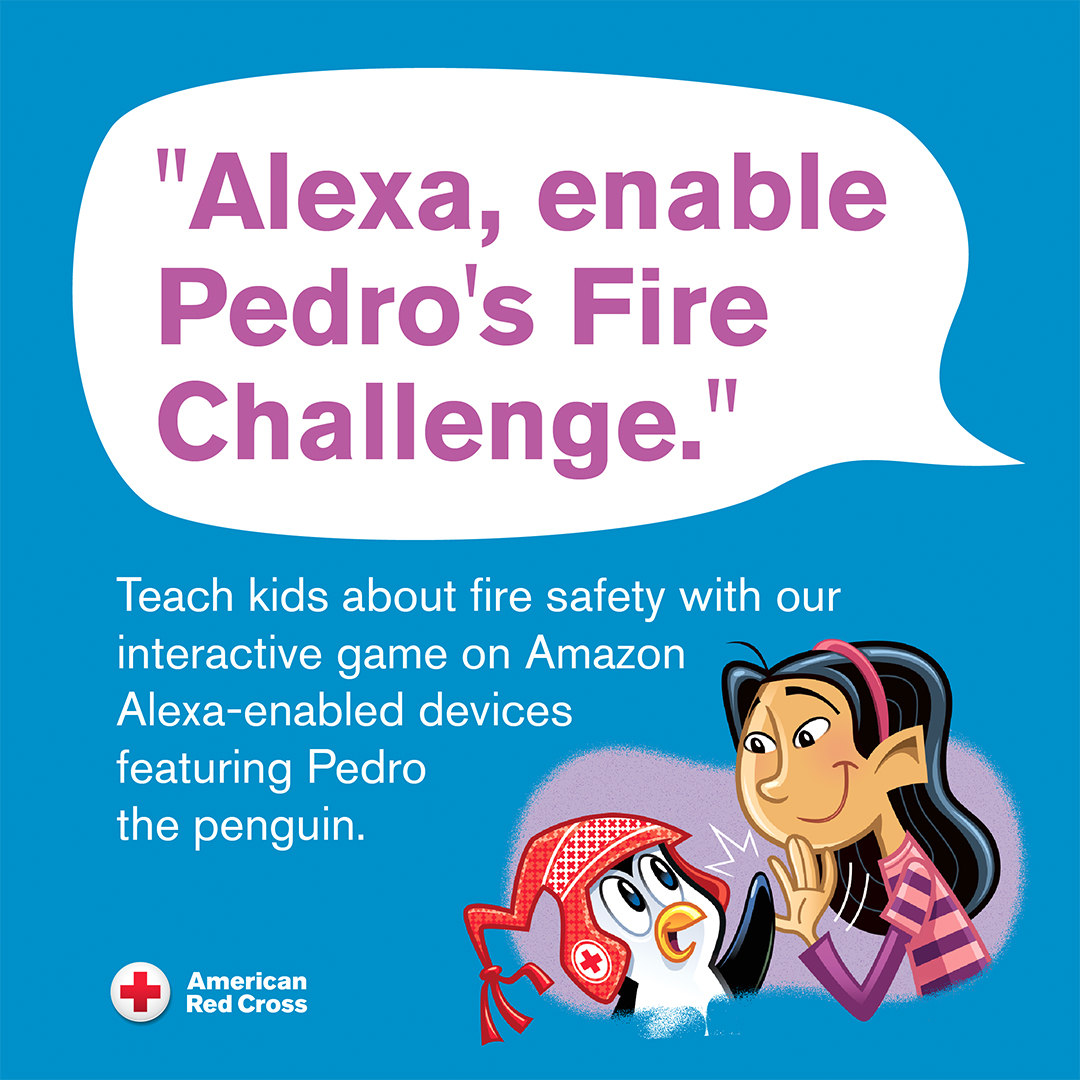
Red Cross graphic reads Alexa, enable Pedro's Fire Challenge.
Saturday, Sept. 26 – Go on a Home Hazard Hunt
Here's a preparedness activity the whole family can do together! Walk through your home and look for things that could become hazards during an emergency. Bookcases that aren't secured, overloaded outlets, loose cords, cleaning supplies within reach of children and heavy items stored on high shelves are all good places to start. You might be surprised by what you find. Small fixes today can help prevent injuries and damage tomorrow.
Sunday, Sept. 27 – Check In with Your Neighbors
Preparedness is stronger when communities are connected. Think about the people who live around you. Do you know who might need extra help during an emergency, such as an older adult, someone with a disability or a family with young children? Do your neighbors know how to reach you if they need assistance?
You don't need to organize a neighborhood emergency response team. Simply introducing yourself or exchanging contact information with a neighbor can make a big difference when severe weather, power outages or other emergencies occur.
Monday, Sept. 28 – Make a Plan for Your Pets
Our pets are family, so they should be part of our preparedness plans, too. Take a few minutes to think about what your pets would need if you had to leave home in a hurry. Do you know where you could take them if a shelter or hotel doesn't allow animals? Are their ID tags and microchip information up to date? Do you have extra food, water, medications and supplies set aside? A little planning now can help keep your furry family members safe and reduce stress if an emergency happens.
Bonus Task: Download the free Red Cross Pet First Aid app.
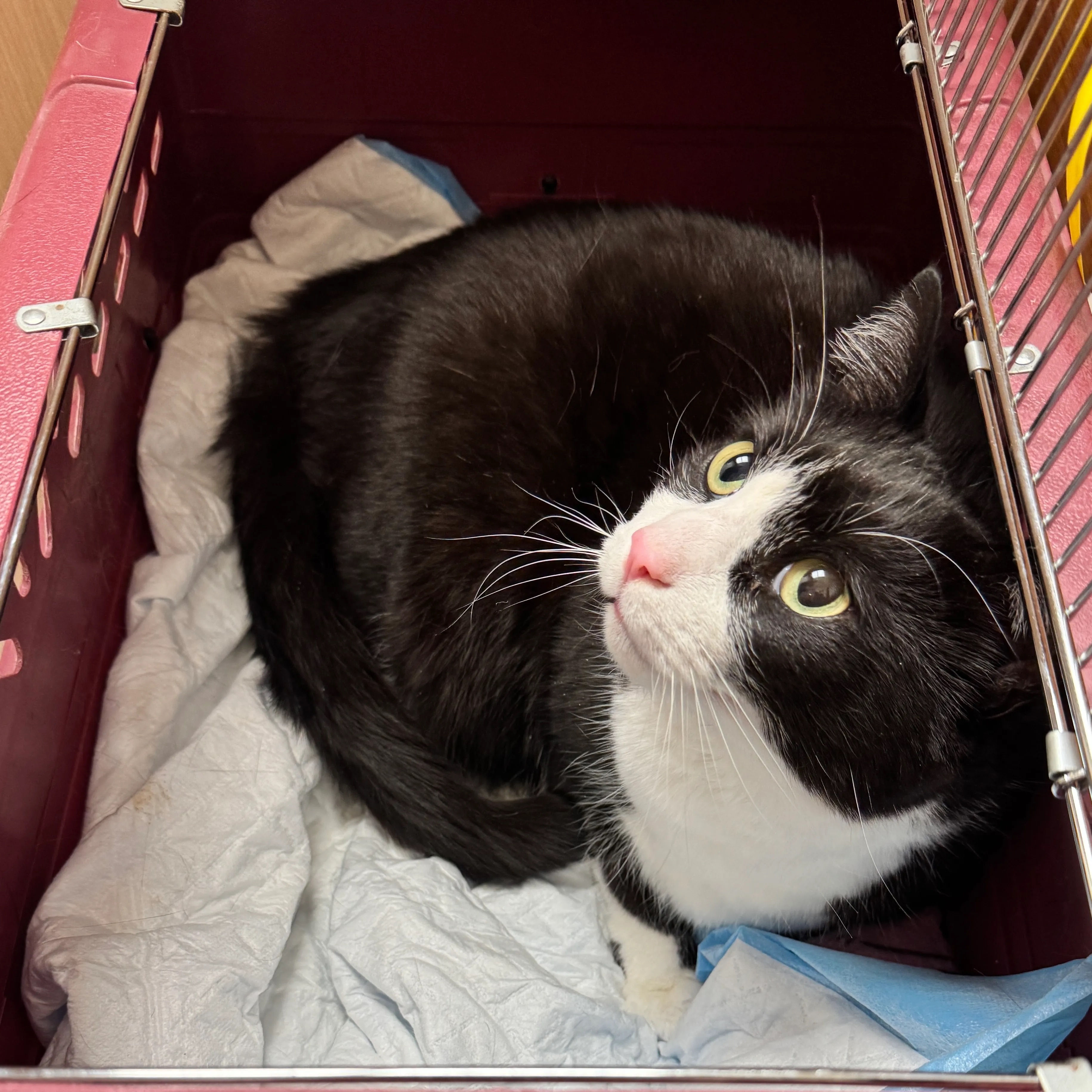
Storm the cat sits in his carrier. Photo by Alana Mauger / American Red Cross
Tuesday, Sept. 29 – Volunteer with the Red Cross
Want to take preparedness one step further? More than 90 percent of the Red Cross disaster workforce is made up of volunteers. Whether you're interested in supporting shelters, helping families after home fires or working behind the scenes, there's a volunteer role for almost everyone. Take a few minutes today to explore volunteer opportunities and learn how you can make a difference in your community.
Wednesday, Sept. 30 – Spread the Word
We made it! Over the past 30 days, we've taken steps to become more prepared for emergencies. That's something worth celebrating. Before the month ends, share a preparedness tip, resource or lesson you've learned with a friend, family member or neighbor. Preparedness works best when we do it together. A simple conversation today could help someone be ready tomorrow.
Keep the Momentum Going
If you've made it through all 30 days, you've taken meaningful steps toward becoming more prepared for emergencies.
The truth is, preparedness isn't about checking boxes or building the perfect emergency kit overnight. It's about creating habits that help us respond with confidence when the unexpected happens. Every alert you signed up for, every plan you reviewed and every conversation you had with family, friends or neighbors helps build a safer, more resilient community.
Preparedness doesn't stop at our front doors, either. When we know how to care for ourselves, we're better equipped to help others. Whether it's checking on a neighbor during a power outage, sharing preparedness tips with a friend or volunteering with the Red Cross, small actions can have a ripple effect throughout our communities.
That's what resilience is all about: people looking out for one another before, during and after emergencies.
As National Preparedness Month comes to a close, we hope you'll continue building on what you've started. Revisit your plans, update your supplies and keep the conversation going throughout the year.
---------------
- Written by Alana Mauger
Support all the urgent humanitarian needs of the American Red Cross.
Find a drive and schedule a blood donation appointment today.
Your time and talent can make a real difference in people’s lives. Discover the role that's right for you and join us today!