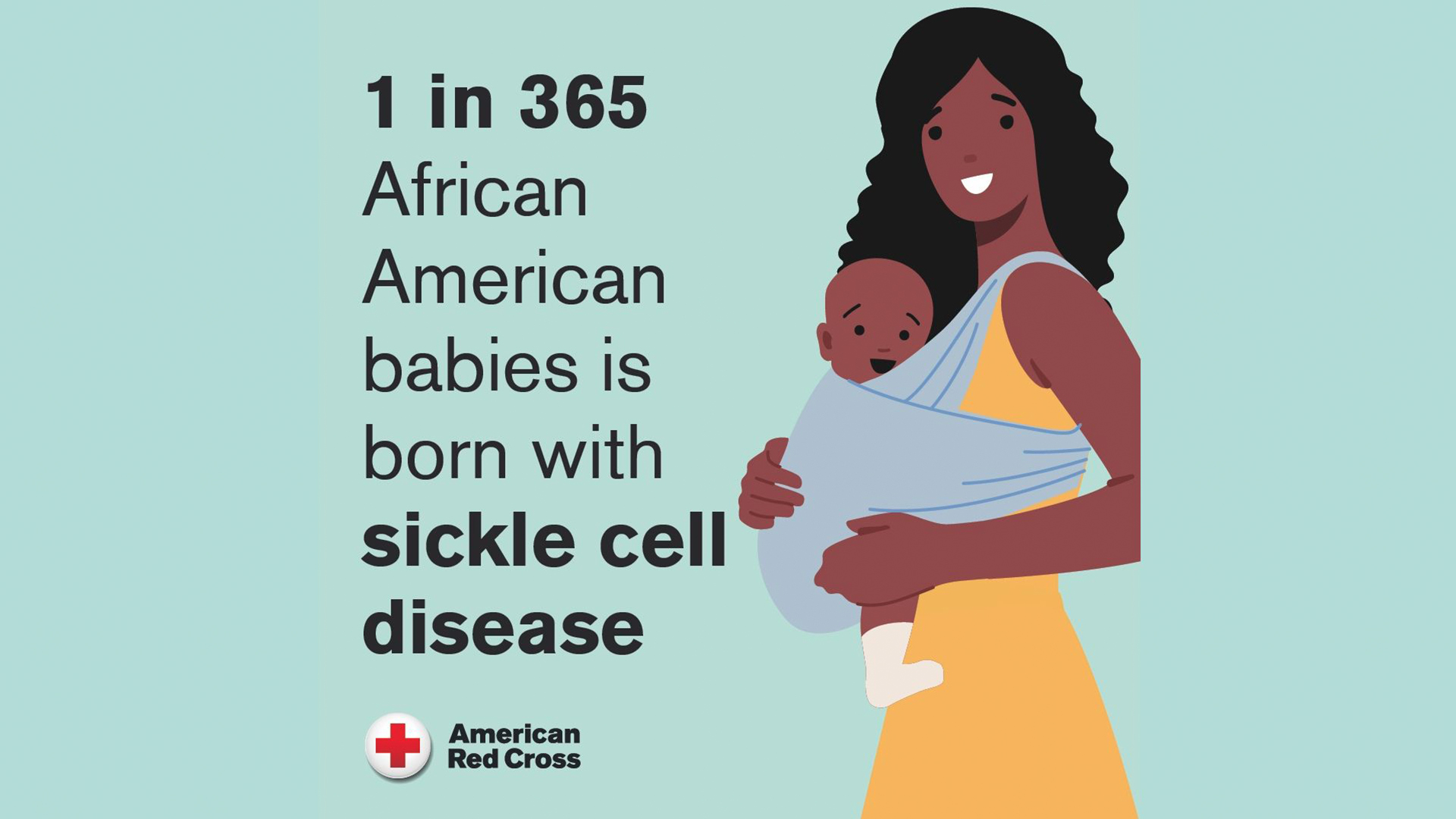
For Linn Johnson, sickle cell disease has been a constant presence since childhood. Growing up in Philadelphia, she was initially misdiagnosed—doctors told her parents she had rheumatoid arthritis before eventually discovering the true cause of her pain.
As a child, Linn sometimes went weeks without being able to walk or use her arms. Nights were long and sleepless, eased only by family members who stayed awake with her, trying anything they could to bring relief.
“I have pain every day. Every single day," she said.
Sickle cell disease nearly claimed her life more than once. In 2000, a severe crisis left her on life support for a week and hospitalized for months. Since then, she’s endured multiple joint replacements and countless pain episodes—but she continues to push forward.
Today, Linn is a mother, grandmother, substitute teacher for children with autism, and a devoted volunteer. She also helps coordinate sickle cell blood drives to help ensure blood is available when patients need it.
“You have to survive,” she said. “Some days you don’t want to get out of bed, but I push myself because I know there’s somebody out there who needs my help.”
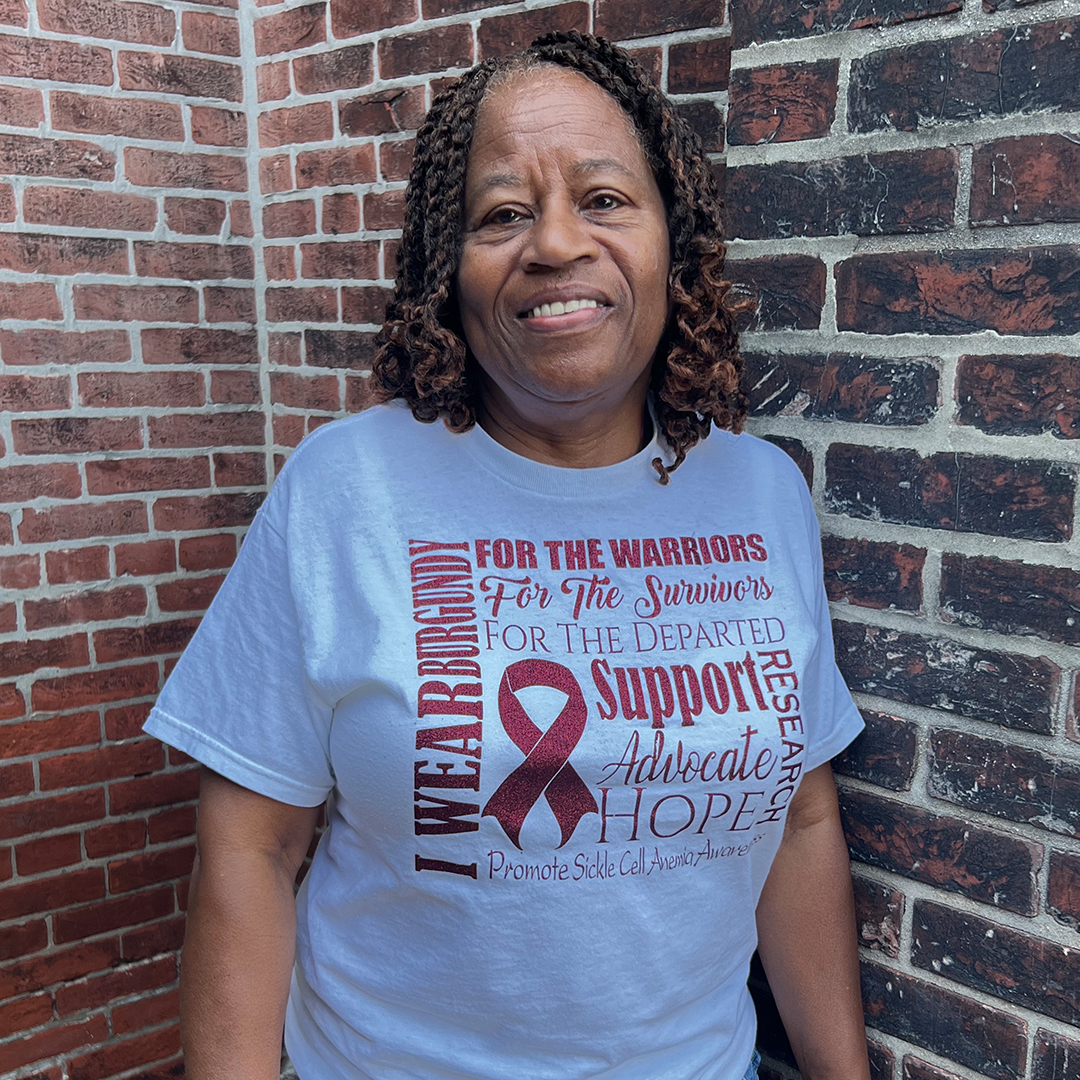
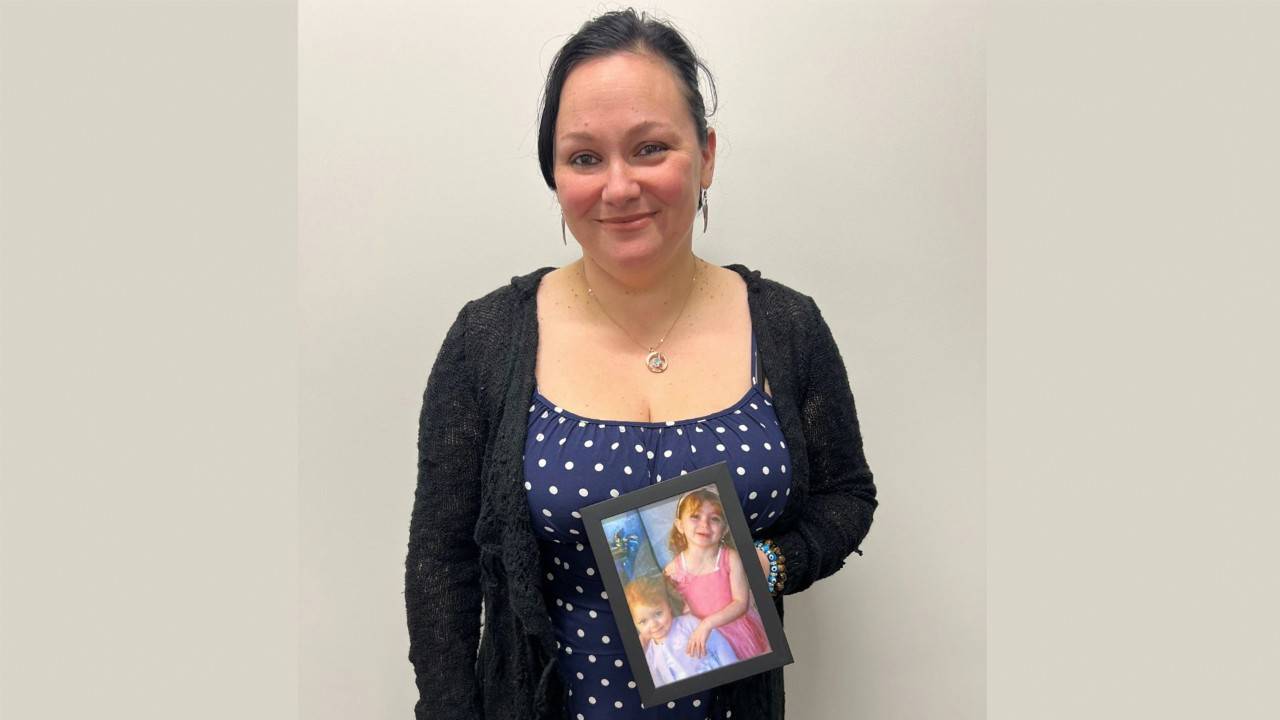
Sickle cell warrior Linn Johnson. Photo by Jenny Farley / American Red Cross
National Minority Health Month
April is National Minority Health Month—a time to recognize persistent health disparities in historically underserved communities and to take meaningful steps to reduce them.
At the American Red Cross, action begins locally. Philadelphia has long been at the forefront of advancing sickle cell care and awareness, including serving as the birthplace of the Red Cross Blue Tag Program, which helps people living with sickle cell disease receive better-matched blood transfusions.
For patients like Linn, access to compatible blood isn’t optional—it’s lifesaving.
Blood Donations for Sickle Cell Warriors
More than 100,000 people in the United States live with sickle cell disease, most of whom are of African, Latino or Mediterranean descent. The disease often requires lifelong blood transfusions to manage pain crises and prevent serious complications such as stroke or organ damage.
Because repeated transfusions can make it harder for patients to find compatible blood over time, programs like the Blue Tag initiative play a critical role. By identifying donors whose blood is more likely to match the complex needs of sickle cell patients, the program helps reduce complications and improve quality of care.
The Blue Tag Program’s roots in Philadelphia reflect the region’s commitment to meeting community-specific health needs and strengthening care where it matters most.
Black Maternal Health Week
Within National Minority Health Month, Black Maternal Health Week (April 11–17) shines a spotlight on another urgent health inequity—one where access to blood can save lives in a matter of minutes.
More than 80% of pregnancy-related deaths in the U.S. are preventable. Yet maternal mortality rates have worsened for women who are Black and Hispanic compared to pre-pandemic levels, while improving for some other groups. Women who are Black remain more than three times as likely to die from pregnancy-related complications.
Severe bleeding after childbirth, known as postpartum hemorrhage, is one of the leading causes of maternal death. When it strikes, immediate access to blood transfusions—sometimes dozens of units—is critical. Having blood readily available can mean the difference between survival and tragedy.
For the Red Cross, supporting maternal health is another way blood donors help close health gaps that disproportionately affect communities of color. Every donation strengthens the safety net for mothers and birthing people when emergencies arise.
Progress Brings Hope--and Continued Need
Today, newborn screenings and simple blood tests help diagnose sickle cell disease earlier than ever before. New gene therapies are offering fresh hope to patients and families.
Still, many people undergoing these treatments require months of ongoing blood transfusions to maintain stable hemoglobin levels and avoid serious complications. The need for blood has not gone away—it has evolved.
That means donors remain essential to turning scientific progress into real-world healing.
Health Equity Starts with Community
As part of its commitment to bridging health gaps, the Red Cross provides all presenting blood donors with a free mini health screening, including pulse, blood pressure and hemoglobin levels. For many people, especially those who lack regular access to care, this insight can be life-changing.
Through its Sickle Cell Initiative, the Red Cross also tests first-time donors who self-identify as Black, African American or multiracial for sickle cell trait, which empowers individuals with critical health information while helping better serve patients like Linn.
How You Can Help
National Minority Health Month and Black Maternal Health Week are about more than awareness. They are calls to action.
Across Southeastern Pennsylvania, you can help by:
Schedule a blood donation at RedCrossBlood.org.
---------------
- Written by Alana Mauger and Jenny Farley
Support all the urgent humanitarian needs of the American Red Cross.
Find a drive and schedule a blood donation appointment today.
Your time and talent can make a real difference in people’s lives. Discover the role that's right for you and join us today!