By Palashpriya Bhattacharyya, Northwest Region
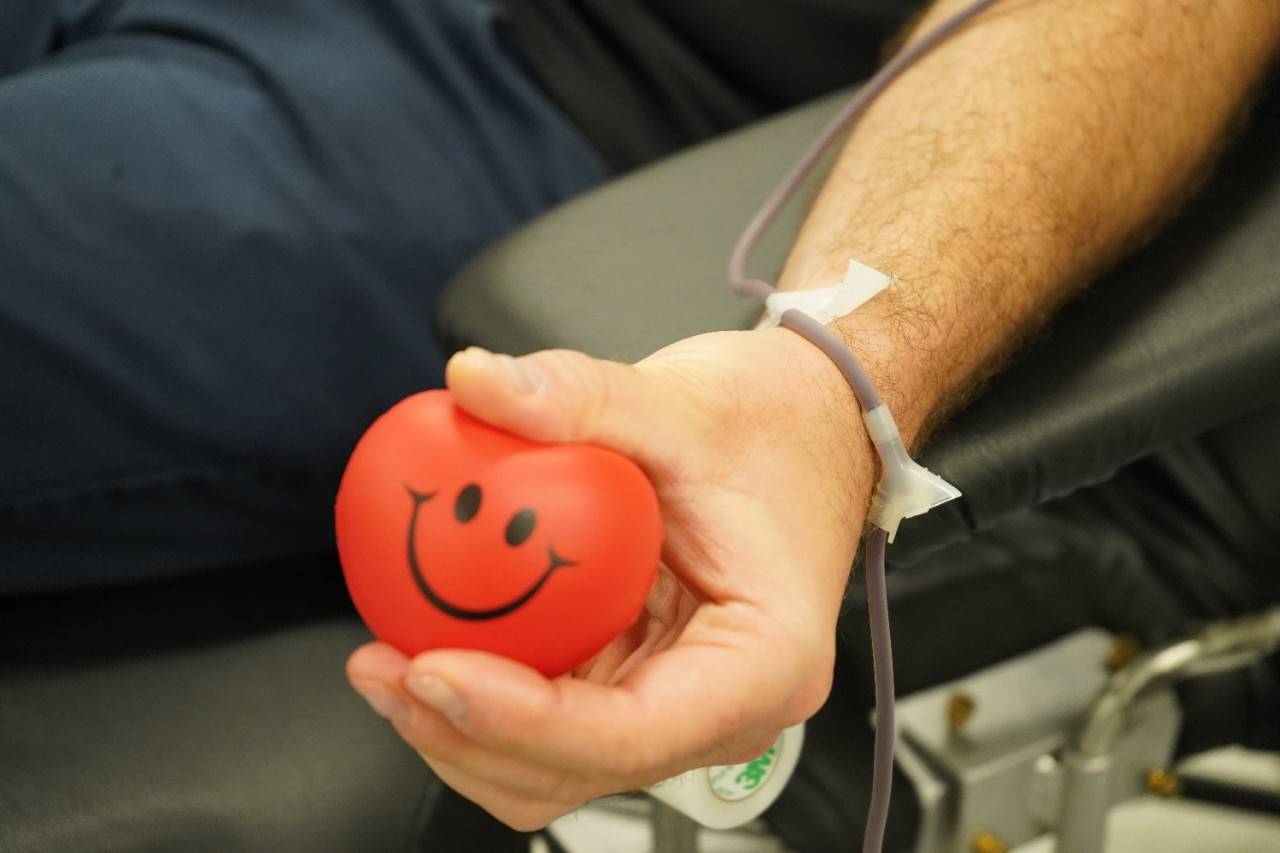
For decades, Fred Van Gorkom has viewed blood donation as one of the simplest ways to help another person. Since his college days at George Fox University, where he donated through Red Cross roughly once per quarter and eventually surpassed a gallon of donations, giving blood became a regular part of his life.
That commitment followed him around the world.
As a veterinarian, Van Gorkom and his wife spent years serving rural communities in Ethiopia, providing veterinary care and supporting community development projects in remote regions with limited access to medical services. Their work included everything from famine relief and water development to education and agricultural support.
But life in rural Ethiopia came with challenges of its own.
"We lived in malaria-endemic areas and both of us contracted malaria multiple times," Van Gorkom said. "One time I developed cerebral malaria and had to be medically evacuated."
Because of his history of malaria exposure, Van Gorkom was later unable to donate blood in the United States for many years under Red Cross eligibility guidelines that existed at the time. Recent changes in regulations have since allowed him to resume donating.
One experience from Ethiopia remains especially meaningful.
While working alongside local church leaders in the 1990s, Van Gorkom learned that the wife of a close colleague needed surgery. The hospital required family and friends to provide blood donors before the procedure could move forward because there was no community blood supply available.
"He asked me with almost no hope in his eyes," Van Gorkom recalled. "I was happy to help."
Unlike in the United States, where Red Cross blood donations are typically given anonymously into a shared supply, donations in that region were often made specifically for a particular patient. Van Gorkom and the woman's husband both donated blood for her surgery.
The procedure was successful.
Several months later, the couple returned to thank him personally.
"She told me, 'You saved my life,'" Van Gorkom said. "Then she smiled and said, 'I have your blood in my veins.'"
He still remembers their gratitude decades later.
"I'll never forget it," he said.
The experience also highlighted differences in blood donation systems around the world. At the time, Ethiopia had few voluntary blood donors and limited infrastructure for blood collection and storage. Donations were often arranged only when a patient urgently needed blood.
"In the United States, we usually don't get to meet the people whose lives we help save," Van Gorkom said. "But the need is just as real."
Today, he continues to encourage others to donate whenever they can.
"We have a renewable resource in our blood and platelets that can save lives," he said. "Most donors may never know the person they helped, but somewhere, someone gets another chance because they chose to give."
For Van Gorkom, that lesson has never changed, whether in a hospital in Ethiopia or at a local Red Cross blood drive closer to home.
"A single donation can mean everything to someone else," he said.
To find out where to donate blood through Red Cross in your area, go to RedCrossBlood.org.
Support all the urgent humanitarian needs of the American Red Cross.
Find a drive and schedule a blood donation appointment today.
Your time and talent can make a real difference in people’s lives. Discover the role that's right for you and join us today!