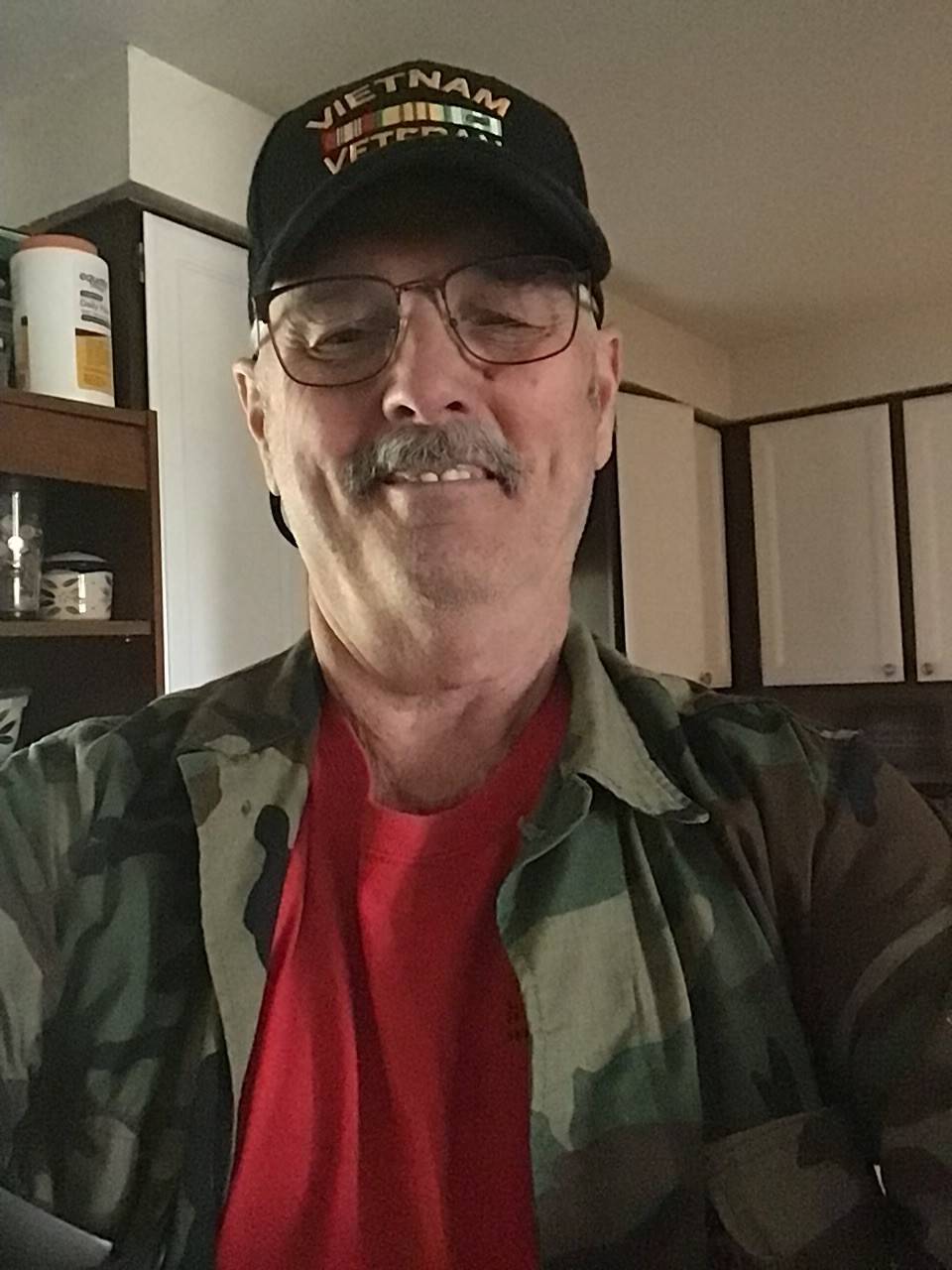
By Tana Kelley, Northwest Region
For one U.S. Army veteran, the decision to donate blood did not begin at a clinic or community drive. It began in the middle of a battlefield.
“I was in Vietnam when I gave my first donation,” Roger Bunton said.
During a mortar attack in Vietnam, chaos unfolded in seconds. Amid the confusion, a fellow soldier was critically wounded. With no time to spare, a medic made a call that would save a life: an emergency battlefield transfusion.
“We'd already given him morphine. The medic said we have got to give him blood. So we started sharing dog tags and we had the same blood type, O positive,” he recalled. “So they hooked me up right there. The only thing I said to him was, let’s not go too far.”
That moment, urgent and deeply human, became the foundation of a lifelong commitment to helping others.
After returning stateside and being stationed at Fort Knox, Bunton came across a sign encouraging blood donation. For him, the message carried a deeper meaning.
“I realized I had just helped save my buddy’s life,” he said. “So I started giving blood whenever I could.”
What began as occasional donations soon became a routine. Through college, work and life transitions, he continued donating roughly every two months, maintaining that commitment for decades.
Over the past 30 years, his donations have supported patients across the country, including burn victims and newborns in need of specialized care.
“It’s great to know where it goes,” he said. “It makes a difference in somebody’s life.”
His commitment to giving did not stop with strangers. When his mother underwent major surgery in her 40s, he stepped forward again, donating blood to support her recovery.
These experiences reinforced what he already knew firsthand. Blood donation is not just a medical act. It is deeply personal.
Now 75 years old, Bunton continues to advocate for blood donation and often shares his story to encourage others. “I tell people it’s simple, it’s virtually painless, and it helps folks,” he said.
For him, the motivation is clear. “Someday, I may need some,” he added.
It is a perspective shaped by experience, one that recognizes both the fragility of life and the power individuals have to protect it.
From two tours in Vietnam to years of continued service through blood donation, his story reflects a broader truth. Service does not end when a uniform comes off. It continues in everyday actions.
Sometimes, the simplest act can save a life.
Support all the urgent humanitarian needs of the American Red Cross.
Find a drive and schedule a blood donation appointment today.
Your time and talent can make a real difference in people’s lives. Discover the role that's right for you and join us today!