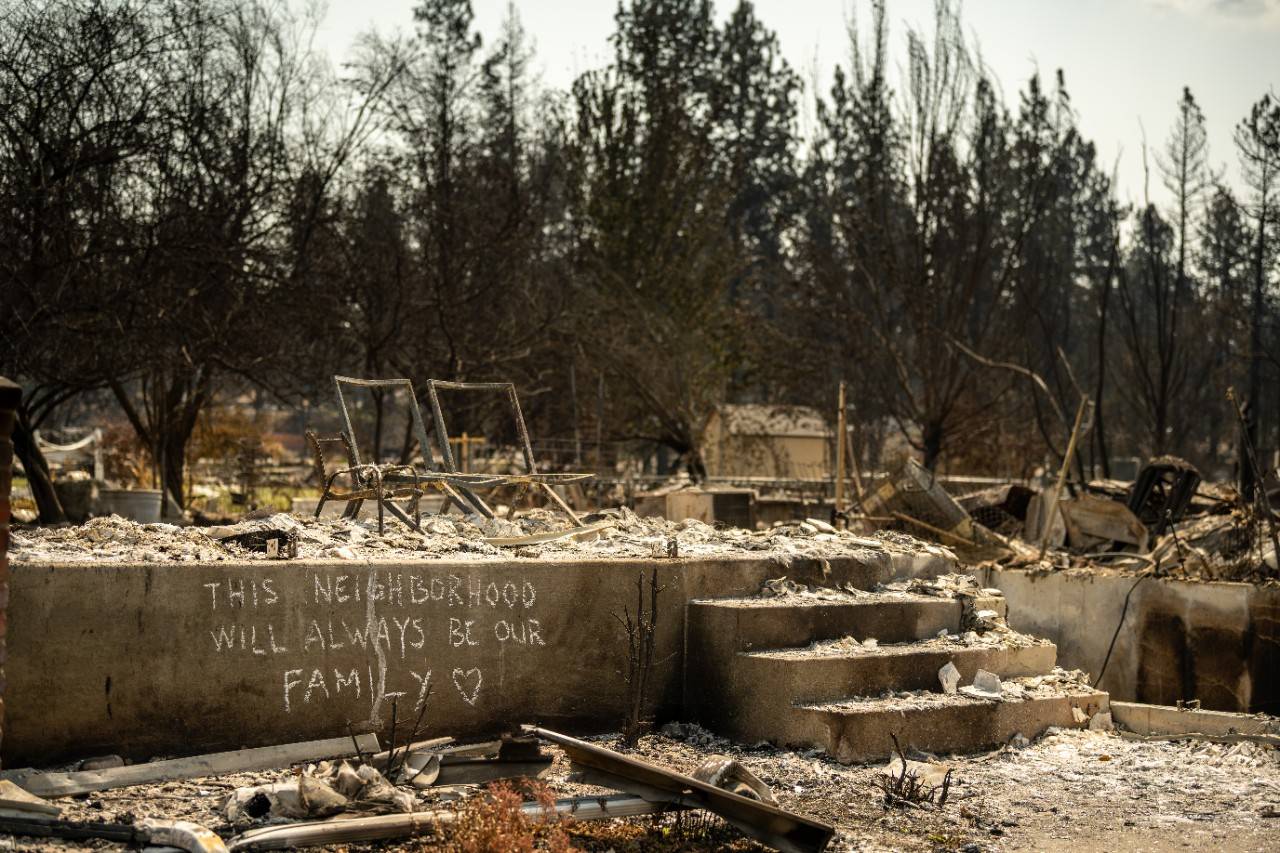
A neighborhood in Spokane, WA that was destroyed by a fast moving wildfire in August 2026.
By Ray Lapine, Northwest Region
We saw it coming....
And it was still a big challenge.
Megan Dulgar, the CEO of the Northwest Region of the Red Cross, says she began preparing long before the start of the 2026 wildfire season, which generally runs from June to October.
“I suspected that we were going to see more fires, in more places than we had historically. And I expected that not only because that is the trend we've been seeing, but because that is what all the modeling had really shown.”
It turned out that Dulgar was right about what would happen. There were 1600 wildfires in the Region that burned across 900,000 acres in parts of Washington and Northern Idaho.
Because many of those fires threatened people's homes, 49 shelters were opened over 107 days. That was nearly double the wildfire shelters the Region opened the previous year.
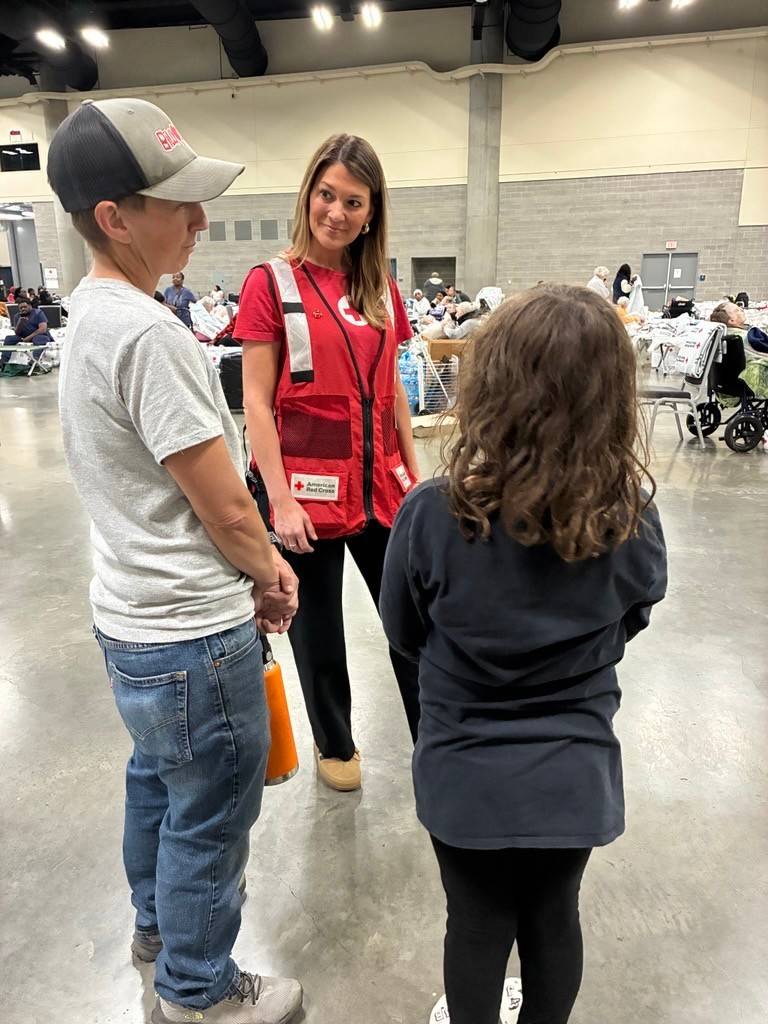
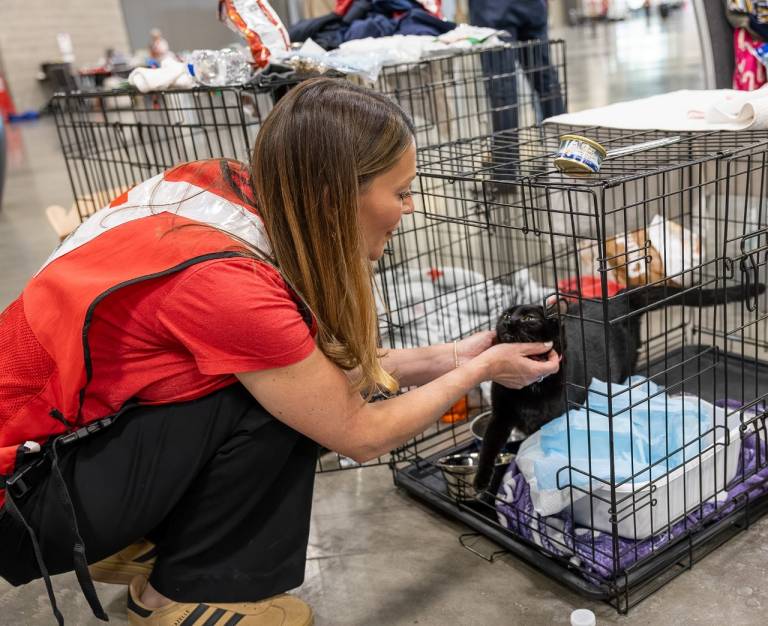
Finding people willing to step up to cope with the increased demand was not a big problem. Red Cross volunteers kept accepting repeat assignments as the situation developed.
The Red Cross depends on a core group of trained volunteers to be ready to respond quickly and effectively to get an emergency evacuation center or an overnight shelter up and running. Many of those volunteers were in place at the beginning of wildfire season.
Dan Hansen was one of them in central Washington. He supervised the opening of six shelters over a ten-month period, covering the transition from flood season to wildfire season.
Hansen acknowledges the pace can be stressful. How does he cope? By putting the clients' problems ahead of his own. “I just try to remind myself that this is potentially one of their worst days of their life, and I'm just there to support them.”
Megan Dulgar says “One of the biggest challenges is that Red Crossers — volunteers and employees — are compassionate people of action. We want to help, and we've been given this privilege of having access to help people on their worst days. And when there's a need, it feels impossible for a Red Crosser to take a day off. I think that was one of the biggest challenges we had to solve — how are we everywhere we need to be at the same time and also let our responders get the rest they need to be healthy people. ”
Dan Hansen again: “If I do get too stressed or feel the need for help, I know there are people I can reach out to. I haven't felt the need to yet, but I'm aware of it.”
When a big disaster strikes, like the wildfires that affected the Spokane area this summer, people with no prior Red Cross experience spontaneously offer their help. The trick is to identify ways they can be trained quickly to do things that aid the operation.
“Often in a time of significant disaster, that's when we have people just showing up and saying, how can we help? So our task is to create a structure that allows us to plug people into that work. We had people doing damage assessment. We had people in warehouses filling wildfire support kits,” Dulgar said.
Now that wildfire season is over, it's a good time to look at what lessons have been learned for next year. Dulgar says she has been impressed with the importance of working with community partners this season. “The way we were delivering services with and through partners, I think could be greatly increased. And I think that's the only way forward when we're seeing the dramatic rise in number of disasters, locations, and complexity. We've got to be doing it with and through partners.”
Finding the answer to one question has become especially important to Dulgar — “How do we take care of a workforce who's being asked to respond constantly? This is something I will not stop thinking about probably for the rest of my Red Cross career. “
Support all the urgent humanitarian needs of the American Red Cross.
Find a drive and schedule a blood donation appointment today.
Your time and talent can make a real difference in people’s lives. Discover the role that's right for you and join us today!