By Airik Myers, Northwest Region
When people think about Red Cross nurses, they often picture them responding during disasters, helping families after home fires, supporting shelters, or assisting communities recovering from emergencies. What many people don't see is the work that happens long before a disaster occurs.
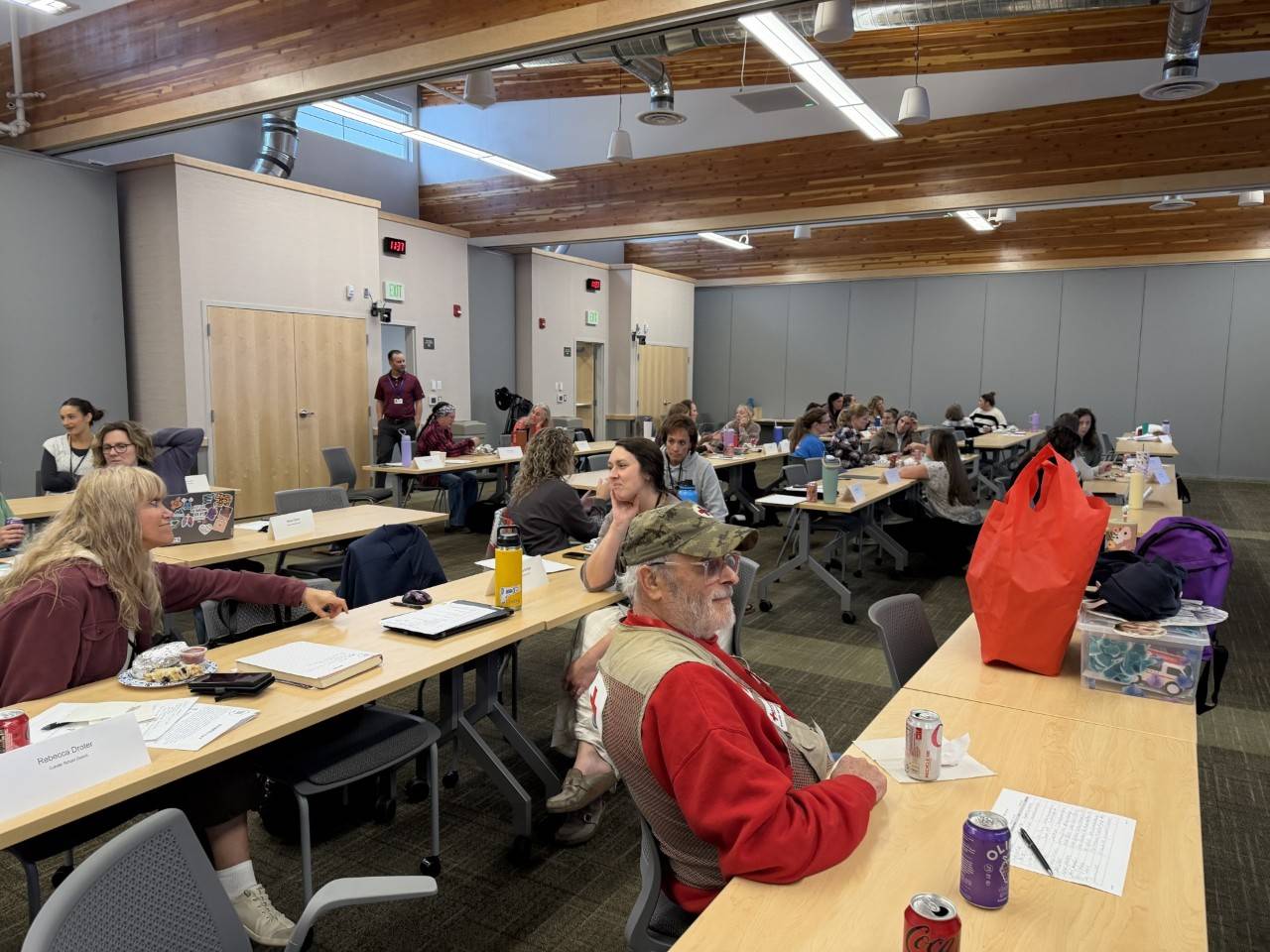
That was the focus of a recent presentation by local Disaster Health Services volunteers at the quarterly meeting of the Spokane School Nurses Association. The event gave Red Cross nurses an opportunity to share preparedness information, discuss volunteer opportunities, and help school nurses better understand how they can support resilience in their communities.
The event began when the Red Cross was contacted by Alicia Lowe, Director of the School Nurses Corps of Northwest Washington Educational Service District 101, who was looking for a speaker for the organization's September 30 meeting. The goal was to help school nurses learn more about preparedness, disaster response, and the role healthcare professionals can play before, during, and after emergencies.
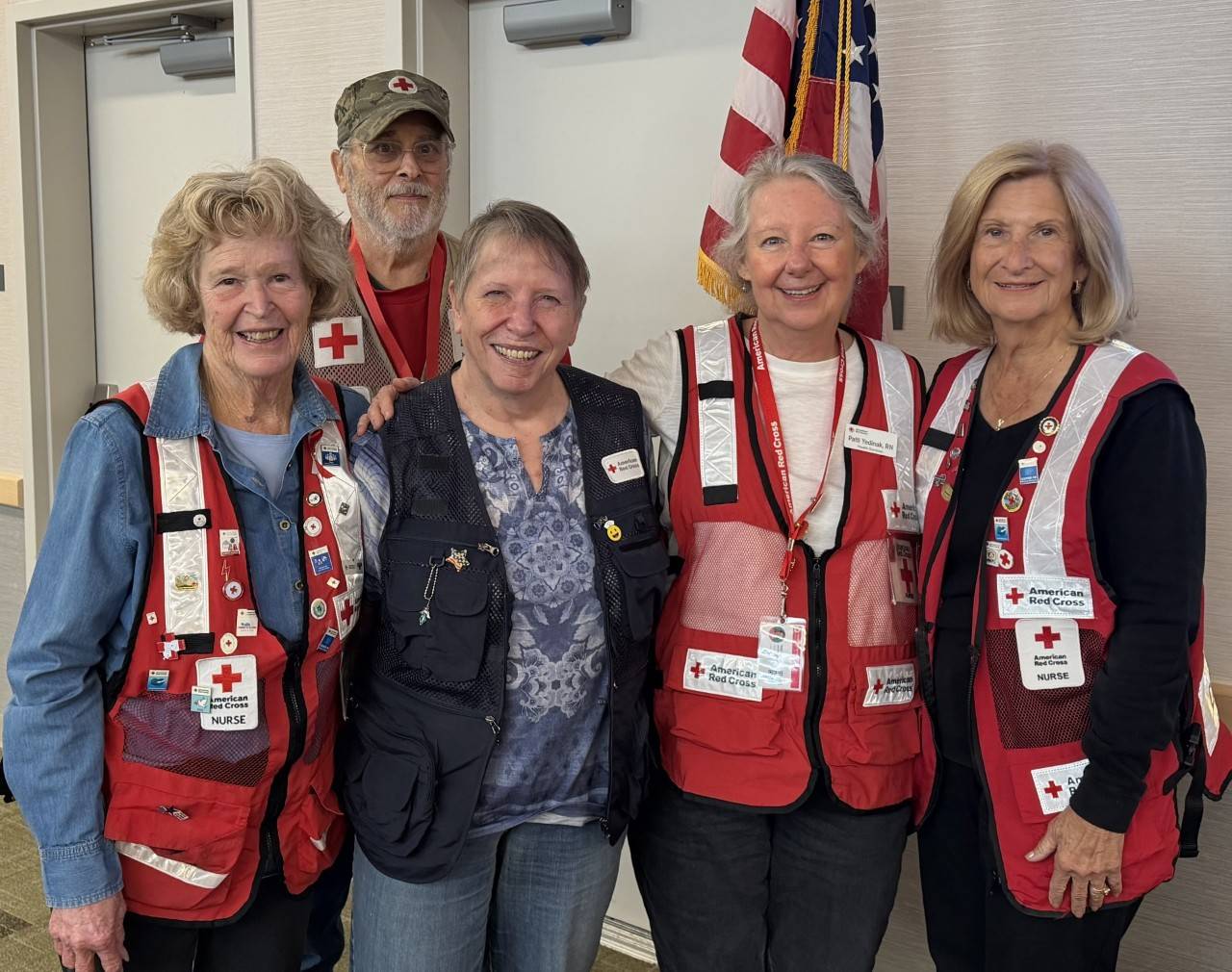
Recognizing the opportunity, five Red Cross Disaster Health Services volunteers came together to develop and deliver the presentation: Tina Piaskowski, John Jonckers, Barb Wharton, Patty Yedinak, and Dorothy Sawyer.
Together, the group represented approximately 50 years of Red Cross volunteer service.
Sharing the Red Cross Mission
The presentation covered a range of topics, including personal and family preparedness for healthcare professionals, volunteer opportunities for nurses, the role of Disaster Health Services during disaster response, and resources that can help school nurses support preparedness within their own communities.
Each volunteer nurse took responsibility for a different topic, allowing attendees to hear from nurses with varied experiences and perspectives. The team met several times beforehand to coordinate the program, discuss presentation strategies, select photographs, and support one another throughout the planning process.
Using photographs and educational materials, including the Red Cross publication Helping Children During a Disaster, the team delivered a 45-minute presentation followed by a
question-and-answer session. They later joined attendees for lunch, creating opportunities for informal conversation and relationship building.
Building Connections Beyond Disaster Response
For Tina Piaskowski, one of the most rewarding aspects of the event was helping attendees better understand the scope of the Red Cross mission.
Several participants commented that they had no idea how much the Red Cross does within communities. Others expressed appreciation for the knowledge and experience shared by the volunteer nurses.
The conversations went both ways.
Red Cross volunteers learned more about the work school nurses perform throughout the region, including the number of schools they support and the wide range of responsibilities they manage each day.
The presentation also sparked interest among attendees, with two school nurses indicating they may be interested in exploring volunteer opportunities with the Red Cross.
Serving Communities Year-Round
While disasters often bring attention to Disaster Health Services volunteers, events like this demonstrate the important work nurses do throughout the year. Building relationships with community partners, sharing preparedness information, and recruiting future volunteers all help strengthen communities before emergencies happen.
Tina hopes attendees left with a greater understanding of the many ways nurses can serve through the Red Cross and the compassion and dedication that volunteers bring to the mission.
For her, the experience reflected one of the reasons she continues to volunteer.
"I enjoy working with the Red Cross because of the clients I am able to help, my friendship with the other Red Crossers, and a sense of accomplishment," she said. "I have made the world a bit better."
For the volunteer nurses who shared their expertise, the presentation was more than an opportunity to speak about preparedness. It was a chance to build connections, share knowledge and inspire others to consider how their skills can make a difference before the next disaster occurs.
As communities across Washington continue to face emergencies ranging from wildfires to home fires, partnerships like the one between the Red Cross and Spokane's school nurses help ensure that preparedness, resilience, and compassion remain strong long before disaster strikes.
Support all the urgent humanitarian needs of the American Red Cross.
Find a drive and schedule a blood donation appointment today.
Your time and talent can make a real difference in people’s lives. Discover the role that's right for you and join us today!