Sickle cell disease is the most common genetic disease in the U.S., affecting about 100,000 people—primarily Black or African Americans. The disease causes red blood cells to be stiff and sickle shaped, sometimes blocking small blood vessels as they carry oxygen throughout the body and producing symptoms including extreme pain, acute anemia, tissue and organ damage, and even strokes. Though there is no readily available cure, frequent blood transfusions—as many as 10 units every month—help reduce these symptoms.
Every two seconds, someone in the U.S. needs lifesaving blood. For people like Justina Williams, the demand for blood is constant, as regular transfusions are a vital part of managing her sickle cell disease. Justina was only 6 months old when she experienced her first sickle cell crisis. She required her first emergency blood transfusion at age 3.

“Doctors said they could have lost me had I not gotten to the hospital and got that transfusion,” Justina said. “I’ve been doing very, very well on blood transfusions so far.”
- Justina Williams
To manage her sickle cell disease today, Justina receives monthly blood transfusions. To date, Justina estimates that she has received blood on more than 100 occasions. Regular blood transfusions allow her to support sickle cell warriors by helping them work through health-related challenges.
Blood and platelet donations are vital in supporting patients with sickle cell disease undergoing gene therapies, bone marrow or stem cell transplants as well as those in need of regular blood transfusions to alleviate pain and help manage their disease.
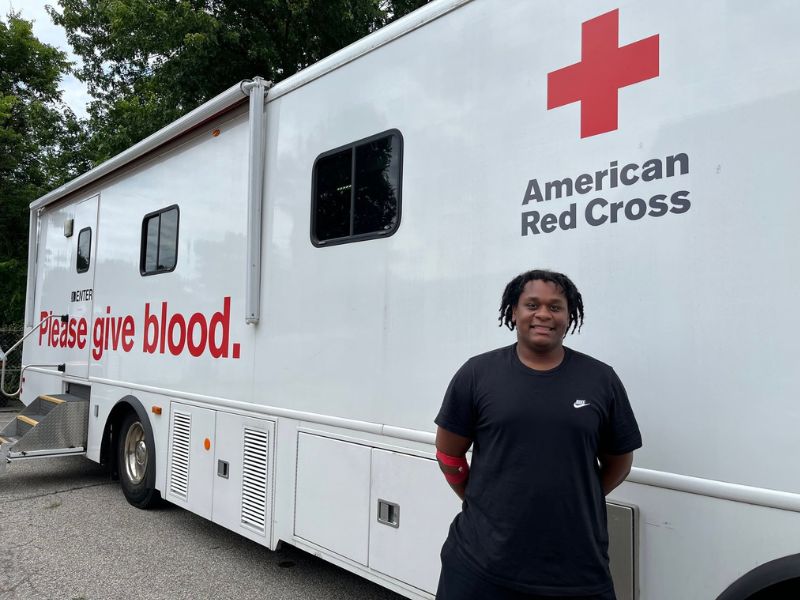
Ernest, from Louisville, KY, donates blood because he knows it goes to a good cause.
“You’re saving lives, and helping patients with sickle cell,” said Ernest. “It goes a long way, way more than you know.”
- Ernest, Louisville, KY