By Ray Lapine, Northwest Region
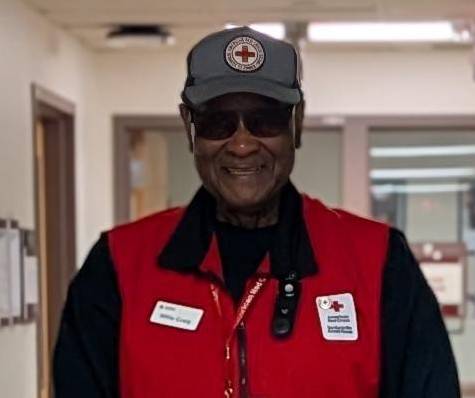
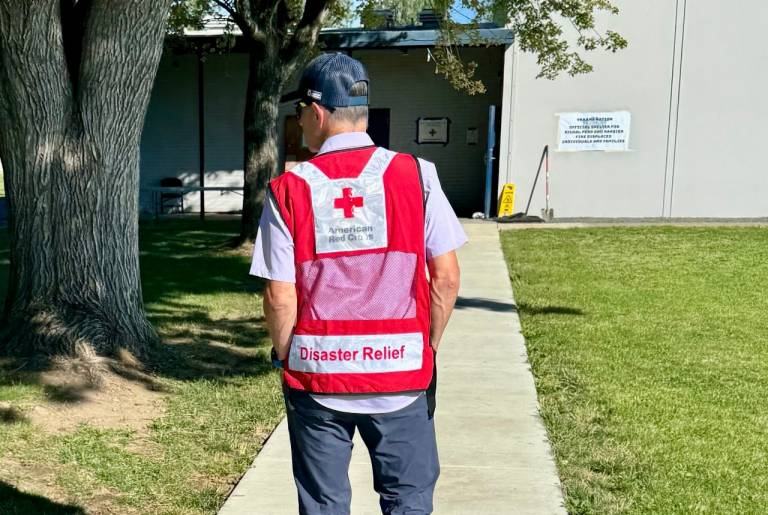
“Volunteers are the heart, the soul, the hands of everything we do at the Red Cross,” according to Marissa Kelly, a Red Cross Community Disaster Program Manager for the Central and Southeast Washington Chapter.
The volunteers who staff wildfire shelters this season are likely in for a heavy lift.
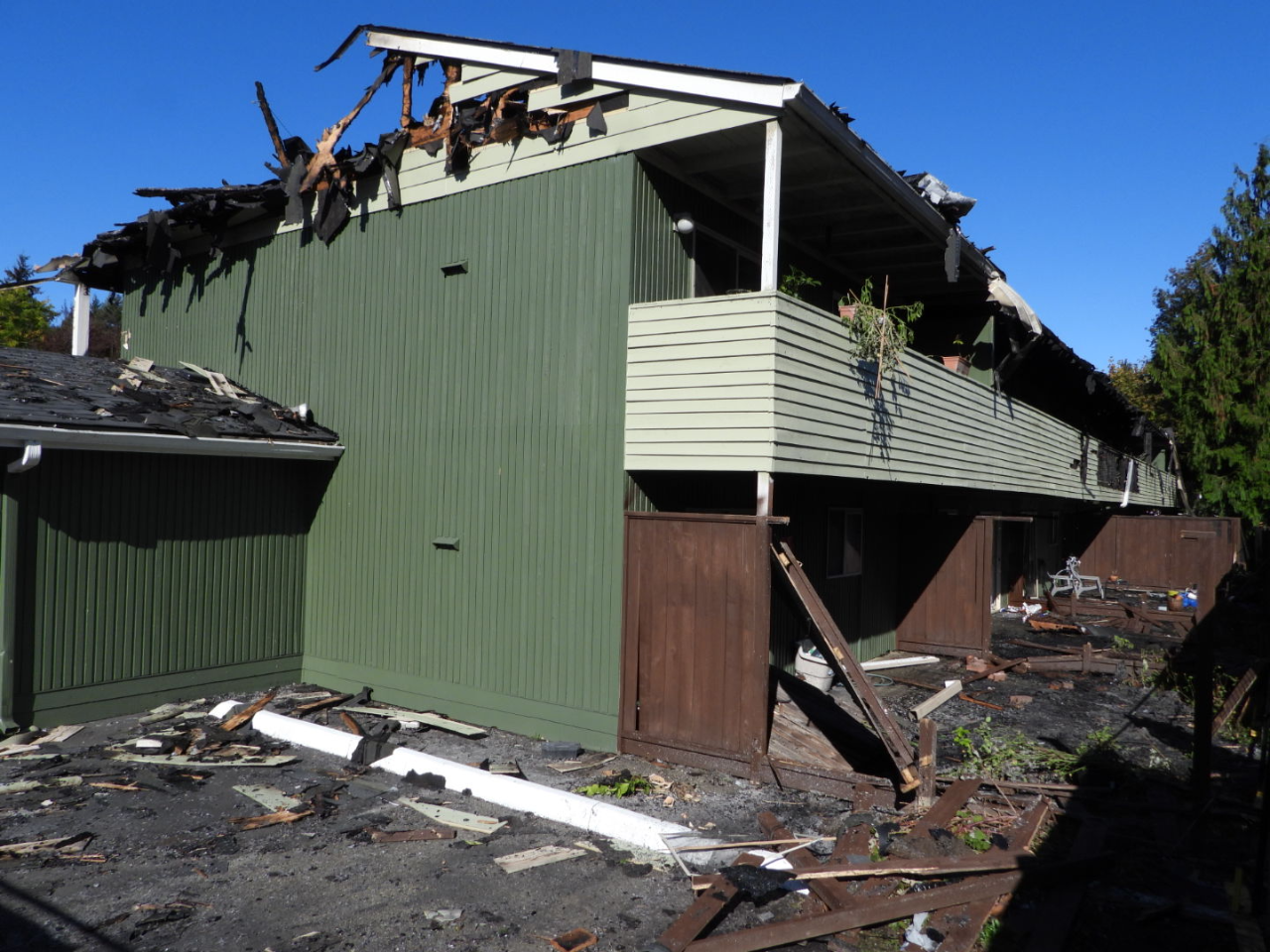
The Red Cross counts on those volunteers to quickly open and staff shelters that provide refuge for people forced by advancing flames to flee their homes. And it looks like this wildfire season may be one of the worst on record.
The National Interagency Coordination Center, a federal agency, used data from several sources to predict that all of Washington State will be at a greater risk of wildfires than normal in August and September. That includes Western Washington where, in past years, people have felt relatively protected from wildfires.
Last wildfire season, the Northwest Region of the Red Cross and its partners opened or supported 26 shelters. So far in the 2026 wildfire season, the Region and its partners have opened 32 shelters, a 23% increase, with three and a half months left to go in the season.
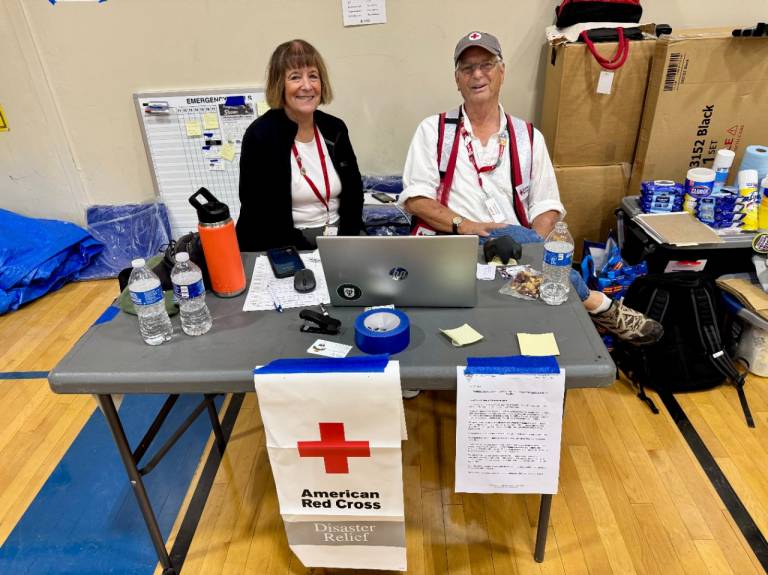
All the “boots on the ground” at shelters actively managed by the Red Cross are Red Cross volunteers.
HOW IT WORKS
When a government agency asks the Red Cross to open a shelter, a Chapter Community Disaster Program Manager calls on two experienced volunteers who are on stand-by to open the shelter. They must be prepared to get the shelter up and running in two hours.
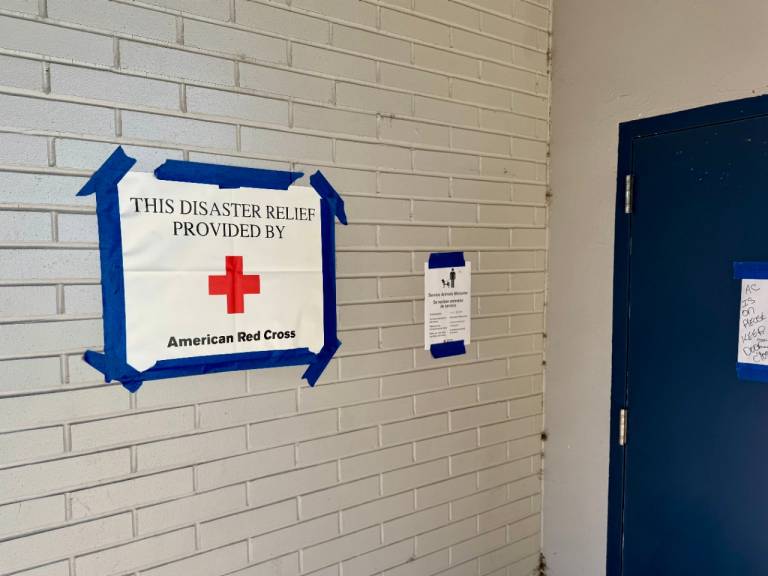
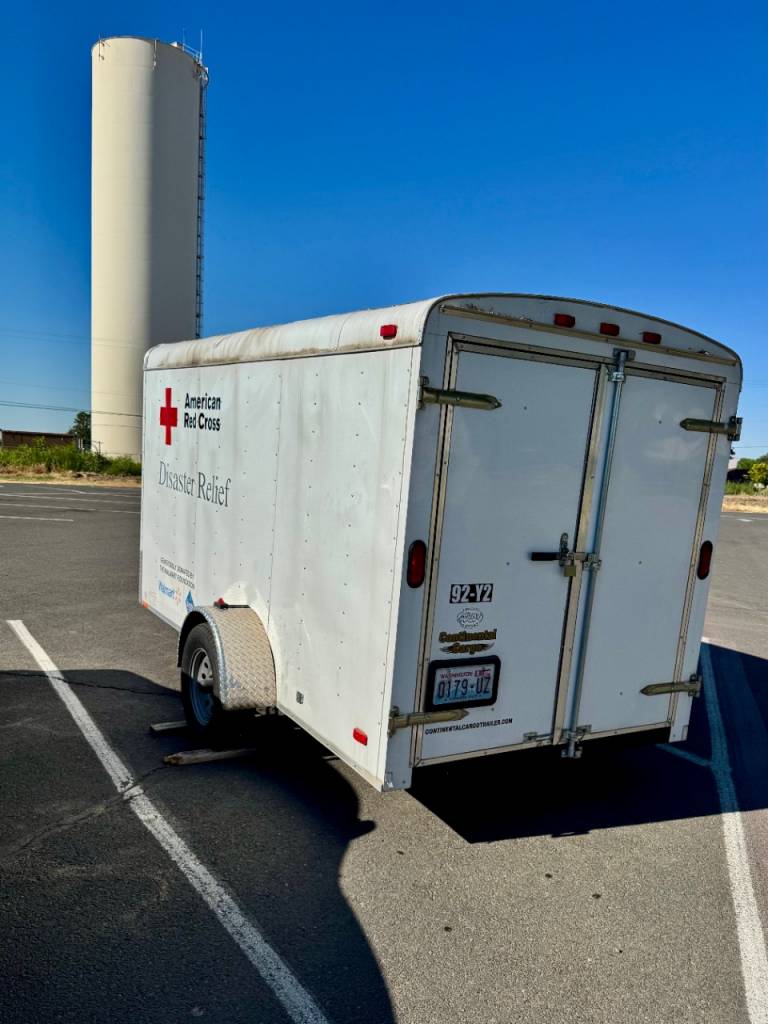
That means setting up the cots that will soon arrive at the location, getting food service ready to serve snacks and meals, and putting up signs inside and outside the building to guide the people coming for help. Because many people fleeing the fire arrive on one of the worst days of their lives, the volunteers must be ready to offer compassion as well as practical help.
Depending on how many fire victims show up and how long the shelter stays in operation, more volunteers are called in to help. Disaster Program Manager Marissa Kelly maintains a list of volunteers she keeps in touch with about their availability to take shifts:
“We're usually coordinating with our local team about who could take night shift today? Are they able to repeat that night shift tomorrow or do we need to find somebody else? So I think we're a little bit more flexible on the local level. It's not a traditional deployment where for two weeks you're going to be on the same 12-hour shift every single day.”
Kelly adds, “We're just grateful for any of their time that a Red Cross volunteer wants or is able to give. And we work to accommodate into our schedule any time that they're willing to give us - we'll take it.”
That system has worked so far this fire season. Kelly and her partner Disaster Program Manager Kelsey Smith have been able to find enough volunteers to meet minimum staffing standards for all the shelters they have opened. But she says, “if we get two or three different events happening at the same time, that's when we start to feel it.”
Having to deal with many events at the same time appears to be exactly how this fire season is developing.
HOW YOU CAN HELP
While the American Red Cross is a national organization, disaster response starts at the local level. When families face evacuation orders and go to a Red Cross-run shelter, they are often welcomed by trained volunteers from their own communities.
With shelter activity already 23% higher than it was during all of last year’s wildfire season, Red Cross leaders encourage people to volunteer ahead of the increased wildfire risk in August and September.
“Our shelters are powered by volunteers. When families are forced to leave their homes, it’s local volunteers who welcome them with comfort and resources,” said Lacie Clark, Greater Inland Northwest Chapter Executive Director. “If you’ve ever thought about getting involved, now is the time to join the Red Cross and help your community prepare for the next evacuation.”
The Red Cross is looking for volunteers in rural and wildfire-prone communities, where local responders can help open shelters, support evacuees and provide comfort and assistance during emergencies. Volunteers receive free training and can serve in a variety of roles based on their interests, skills and availability.
To learn more about volunteer opportunities, visit redcross.org/volunteer.
Support all the urgent humanitarian needs of the American Red Cross.
Find a drive and schedule a blood donation appointment today.
Your time and talent can make a real difference in people’s lives. Discover the role that's right for you and join us today!