By Betsy Robertson, Northwest Region
Second pregnancy. Full term. When Erin Smith arrived at the hospital to give birth on May 18, 2018, she had every reason to believe it would be a “normal” delivery.
It was everything but.
She remembers her second son, Garrett, entering the world, gasping for breath. He was immediately medevacked to Swedish Hospital in Seattle and put on a respirator. The next day he was medevacked again, this time to Seattle Children’s Hospital and placed on extracorporeal membrane oxygenation (ECMO).
Two emergency transports before Garrett was two days old.
For the next 11 days, an ECMO machine acted as his infant lungs, later taking on the role of his failing heart while Garret’s organs continued to develop.
ECMO is a life-support system that oxygenates blood outside the body. It requires continuous blood flow through tubing, pumps, and oxygenators – all of which consume blood products daily.
“Depending on the size of the patient, that could be between 1 and 5 units a day,” said Monica Wellner, a Red Cross board member in King County representing Seattle Children’s Hospital.
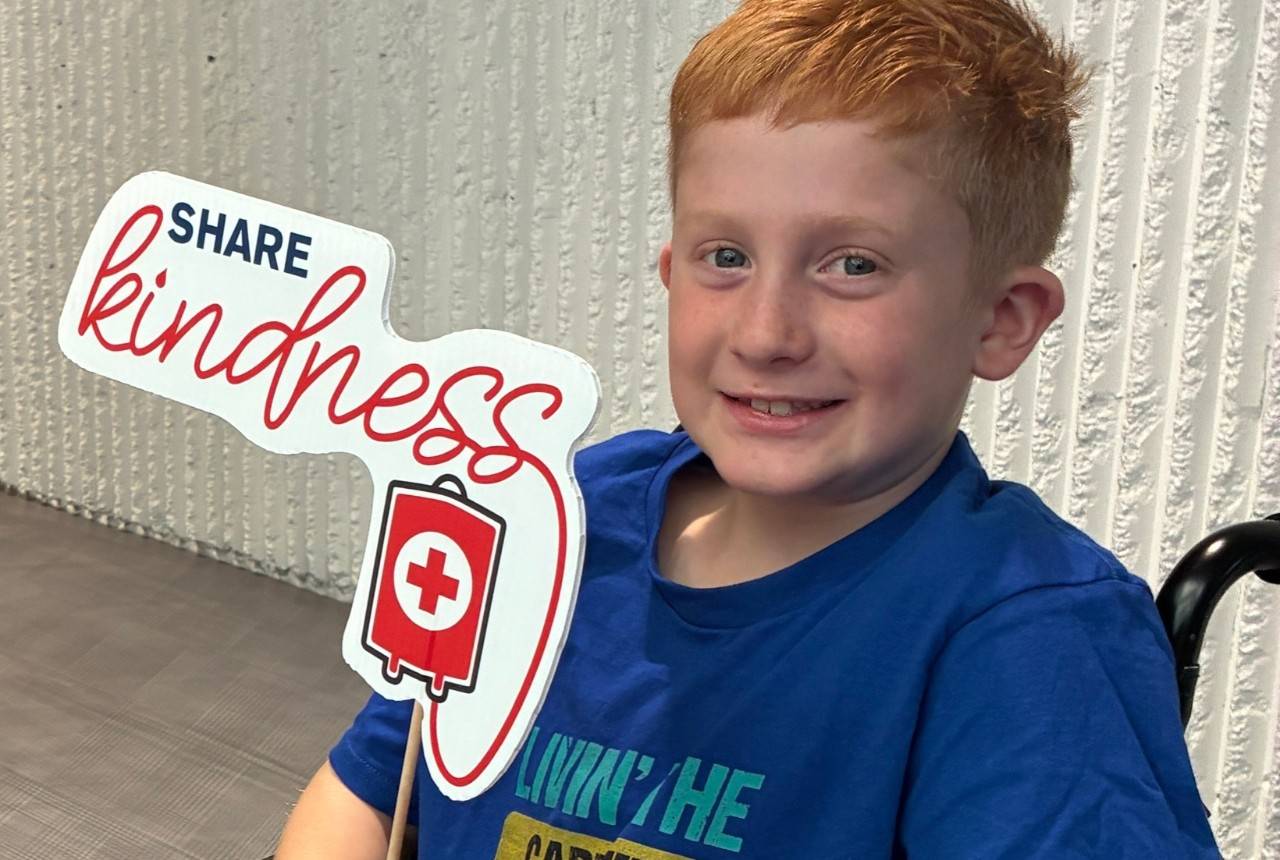
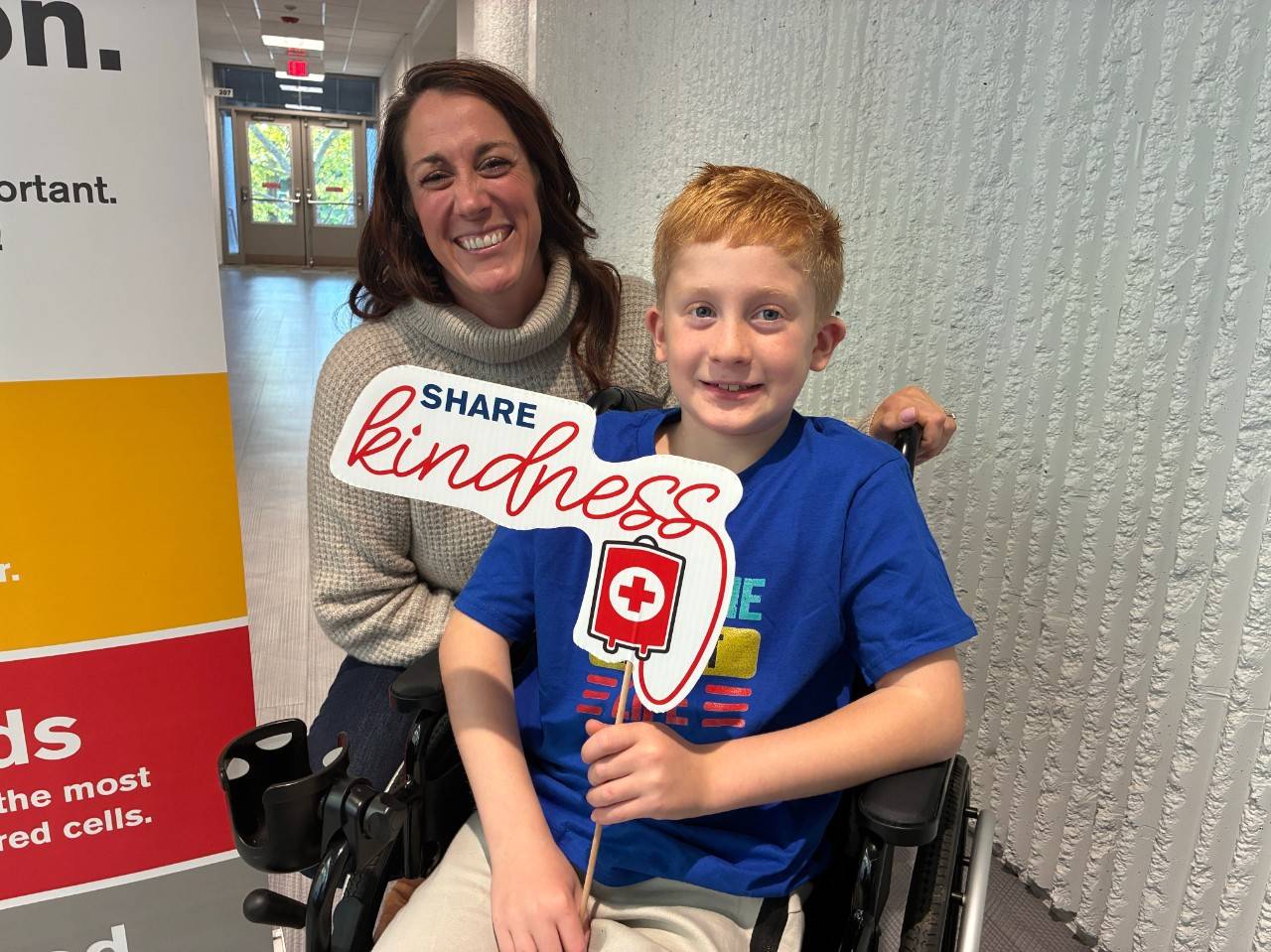
It’s a device that simply cannot operate without blood donors. It’s the device that made it possible for Garrett, now 8 years old, to be with us, smiling and building Legos today.
“My son and thousands of infants, children and adults survive every day because strangers choose to donate,” said Erin Smith when sharing her story with the Red Cross. “Without all of the people giving every month… lots of kids wouldn’t be around.”
Since then, she’s become a blood donor herself.
Not a day goes by without the Smith family thinking of and thanking the doctors and nurses at Seattle Children’s who cared for Garrett. He was under constant supervision during his time on ECMO. In all, it was a full 41 days before the whole family got to go home.
“We were told to act like he’s a normal kid,” Erin remembers, “but that’s not normal. What we experienced wasn’t normal.”
Seattle Children’s has a total of eight ECMO machines available for patients like Garrett, infants who might have been born with respiratory failure, sepsis, cardiac failure or more. These machines and the patients attached to them require blood from multiple donations daily.
Normal isn't a fixed reality; it's constantly evolving. For Garrett, the Safford family and so many others, let's make donating blood a normal habit, one that saves lives every day.
Support all the urgent humanitarian needs of the American Red Cross.
Find a drive and schedule a blood donation appointment today.
Your time and talent can make a real difference in people’s lives. Discover the role that's right for you and join us today!