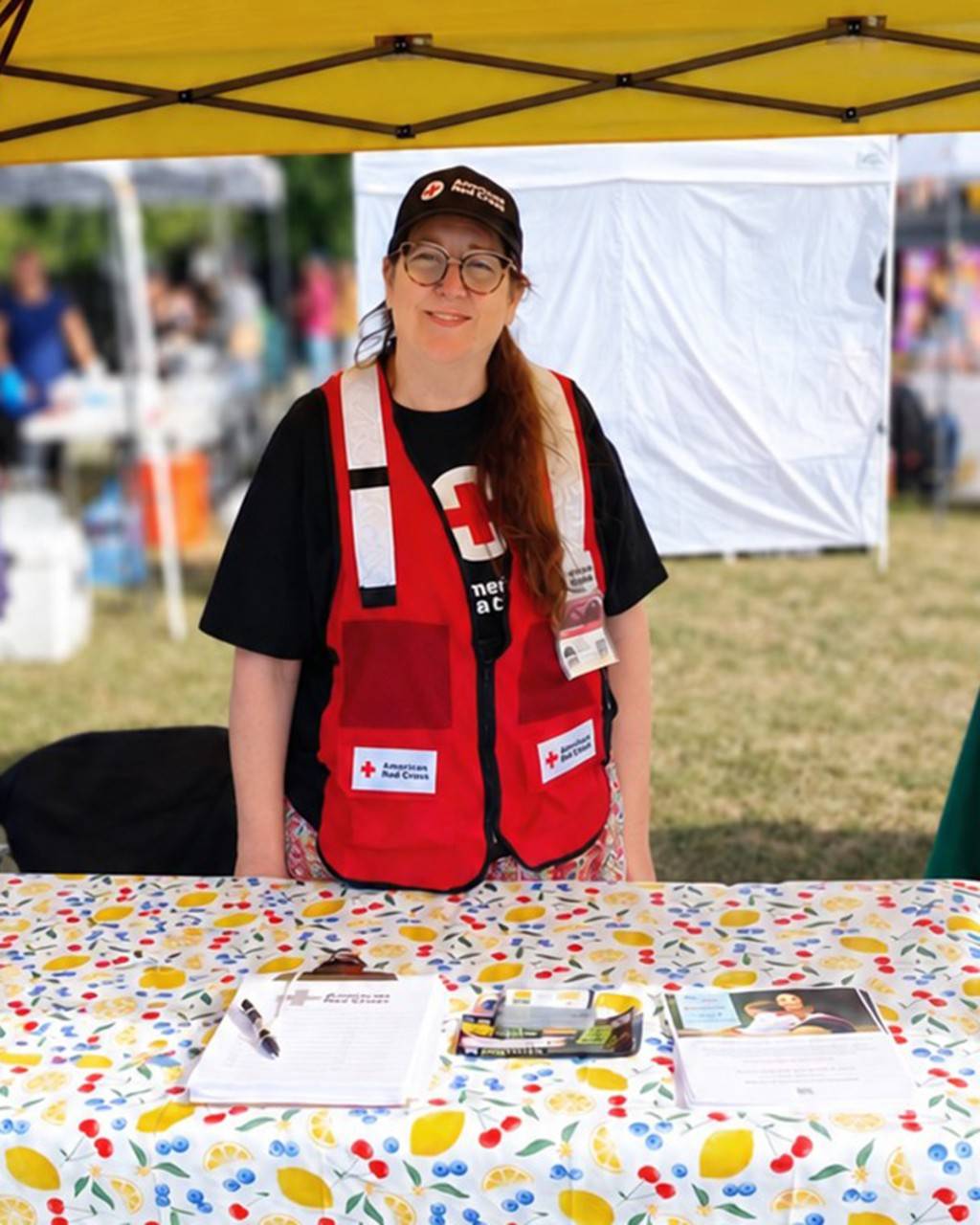
By Elizabeth Gadbois, Northwest Region
Nearly 14 years ago, my son and I moved from Bainbridge Island WA to Princeton, New Jersey. We cast off from familiar shores into the great unknown in search of educational opportunities only Juilliard Pre-College could offer. A month after we arrived, Hurricane Sandy made landfall less than 60 miles from our home.
The hurricane was loud. As branches fell on our roof, my son and I huddled in the center of the house while I clutched my cellphone to my ear. A friend in Seattle tracked the hurricane on television and relayed updates as the storm moved through Princeton and up the coast. We held our breath for news of how the nearby nuclear power plant would hold up during the storm.
The power outage lasted ten days. Nearby hotels were full, gasoline was difficult to find, and then early snow arrived. Our house grew so cold that we wore ski clothes indoors and kept the wood-burning fireplace going through the night. My son, Webb, composed music by candlelight, trying to maintain a sense of normalcy.
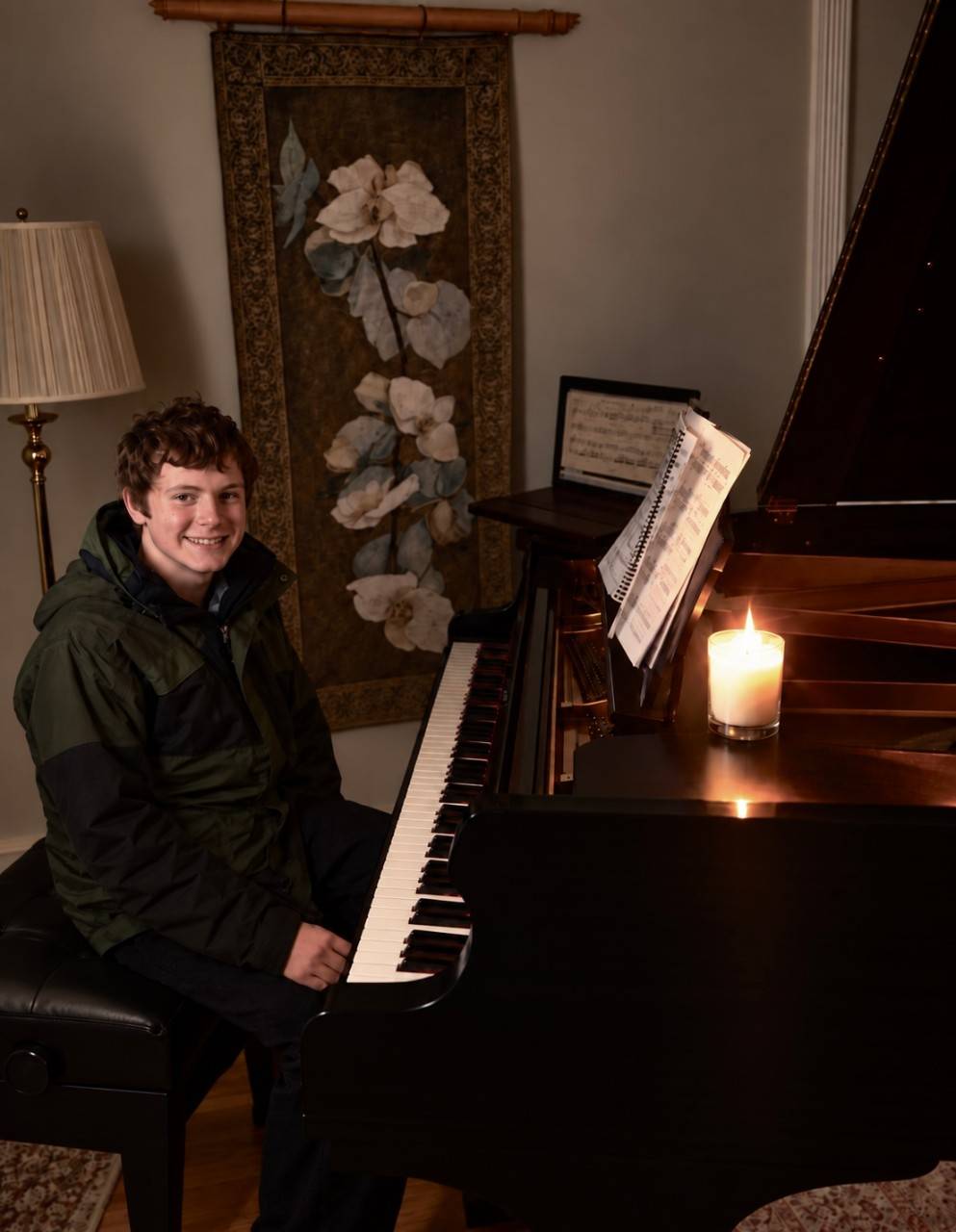
Elizabeth's son playing the piano in candlelight and multiple jackets on.
Each day, we walked to the Princeton Public Library in search of warmth. Its generator kept the lights on, offering heat and a safe place to spend the day. Nearby, a restaurant served hot soup to long lines of people. I was grateful for what was available because we were woefully unprepared at home.
Thanks to our community, we didn’t call in the cavalry because all of our immediate needs were already met.
Six months later, we visited the Jersey Shore near where Sandy made landfall. In the neighborhood we visited, the houses were destroyed and cleanup had yet to begin. It appeared that everyone had relocated. Former residents told us they were still waiting for FEMA assistance and described the extreme hardship they had endured over the previous six months.
Hurricane Sandy taught me that communications can fail, evacuation may be impossible, and everyday community resources can become critical lifelines after a disaster. Recovery can be long and painful, and some people may never fully recover.
What stayed with me most was the difference between receiving help and waiting for it. I wanted to understand how ordinary people could become part of the response. That experience eventually led me to the American Red Cross, where I found a whole ecosystem of mentors, training, opportunities, and free resources for volunteers.
Training with the Red Cross has made me more competent, prepared, and confident in my ability to help myself, my family, and my community. I have tremendous respect for the force of nature, but I no longer feel so helpless in the face of it.
I now live in the remote San Juan Archipelago, accessible only by boat or air. Living in a rural area is a choice that comes with responsibilities. Outside help may be far away, and responders may be unable to reach us if ferries are disrupted or the power is out.
Preparedness and training can help us support our communities until the cavalry arrives.
Support all the urgent humanitarian needs of the American Red Cross.
Find a drive and schedule a blood donation appointment today.
Your time and talent can make a real difference in people’s lives. Discover the role that's right for you and join us today!