By Gregor Elgee, Northwest Region
When director Kanin Guntzelman began work on Devil in the Wind, he set out to tell a story about wildfire preparedness in rural communities.
Then destructive wildfires hit close to home.
From Los Angeles, Guntzelman watched the disaster unfold in real time. Friends evacuated. Some lost everything. These were neighborhoods, schools, and stretches of Southern California that he was personally connected with. They were all suddenly part of the same story he had been documenting hundreds of miles away in Central Washington.
Before making the film, Guntzelman viewed wildfire preparedness as an issue primarily affecting rural communities. Watching fires threaten Southern California changed that perspective.
“From that point on,” he said, “I was like, this (film) is for everyone.”
That realization reshaped how Guntzelman understood Devil in the Wind, a short documentary produced by Levitate Media in partnership with the American Red Cross about wildfire preparedness work in Washington communities. What began as a film about helping rural residents prepare for disasters became a story about risk, service, and the assumptions people make before an emergency reaches their own doorstep.
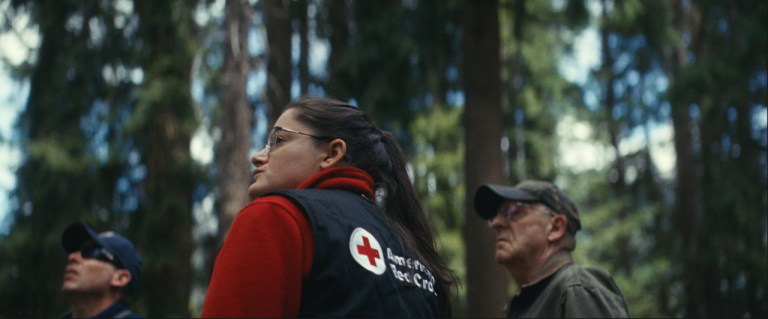
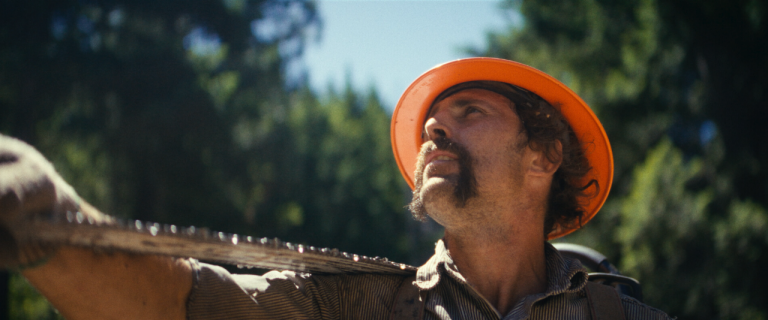
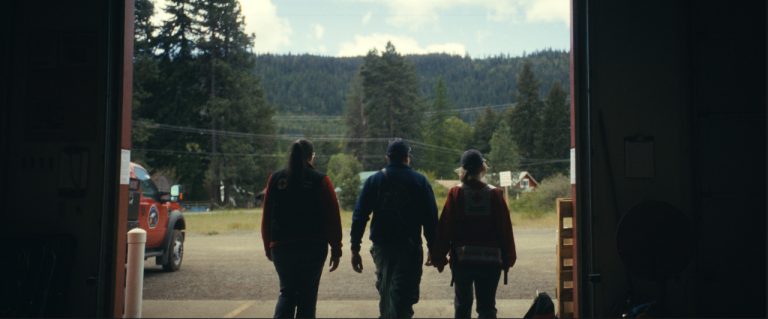
The film set out to highlight Red Cross preparedness work that happens long before a wildfire starts: home visits, local partnerships, and community conversations that help people understand risk and take action.
That created a unique storytelling challenge: How do you make prevention feel urgent before disaster occurs?
Guntzelman had first connected with the Red Cross through a home fire awareness series designed for the ASL community. That project led to relationships with Red Cross leaders working in disaster preparedness and video storytelling. Soon, conversations turned toward wildfire.
The goal was to show what Red Cross wildfire preparedness work looks like on the ground. That can include home visits, smoke alarm installations, property assessments, conversations about evacuation routes and guidance on reducing fire risk around a home.
Guntzelman saw an opportunity here to make something cinematic but also useful beyond a standard awareness piece.
“If you want to tell a story that is brand-adjacent at all,” he said, “the story that you’re telling has to have intrinsic value on its own.”
Washington first entered the project as a place to gather footage around a wildfire preparedness event in Easton. The idea was to film Red Cross workers and volunteers in action, then continue developing the larger story.
As filming progressed, the story began to center on the people doing the preparedness work on the ground.
In Easton, Guntzelman met Hannah Christen and Kelsey Smith, two Red Cross disaster workers deeply connected to the communities being filmed. From the beginning, he was struck by their urgency, local knowledge and commitment to the work.
They knew the communities. They knew the local fire departments. They knew which residents had stories to tell and who could explain the risk and how to approach people respectfully. Their local knowledge and relationships helped make the documentary possible.
Guntzelman later described Christen and Smith as unofficial producers.
Smith laughed at the title, saying she saw herself simply as a logistics coordinator. But her work helped connect the crew with local partners, filming locations, and community members whose experiences became central to the story.
Smith also helped connect the production to Mansfield, a small Washington community with firsthand experience navigating wildfire risk.
“The story changed drastically from the beginning to the end,” Smith said.
Christen described her approach as "getting to yes" by helping the production team connect with local experts and community members while ensuring Red Cross responsibilities remained the priority.
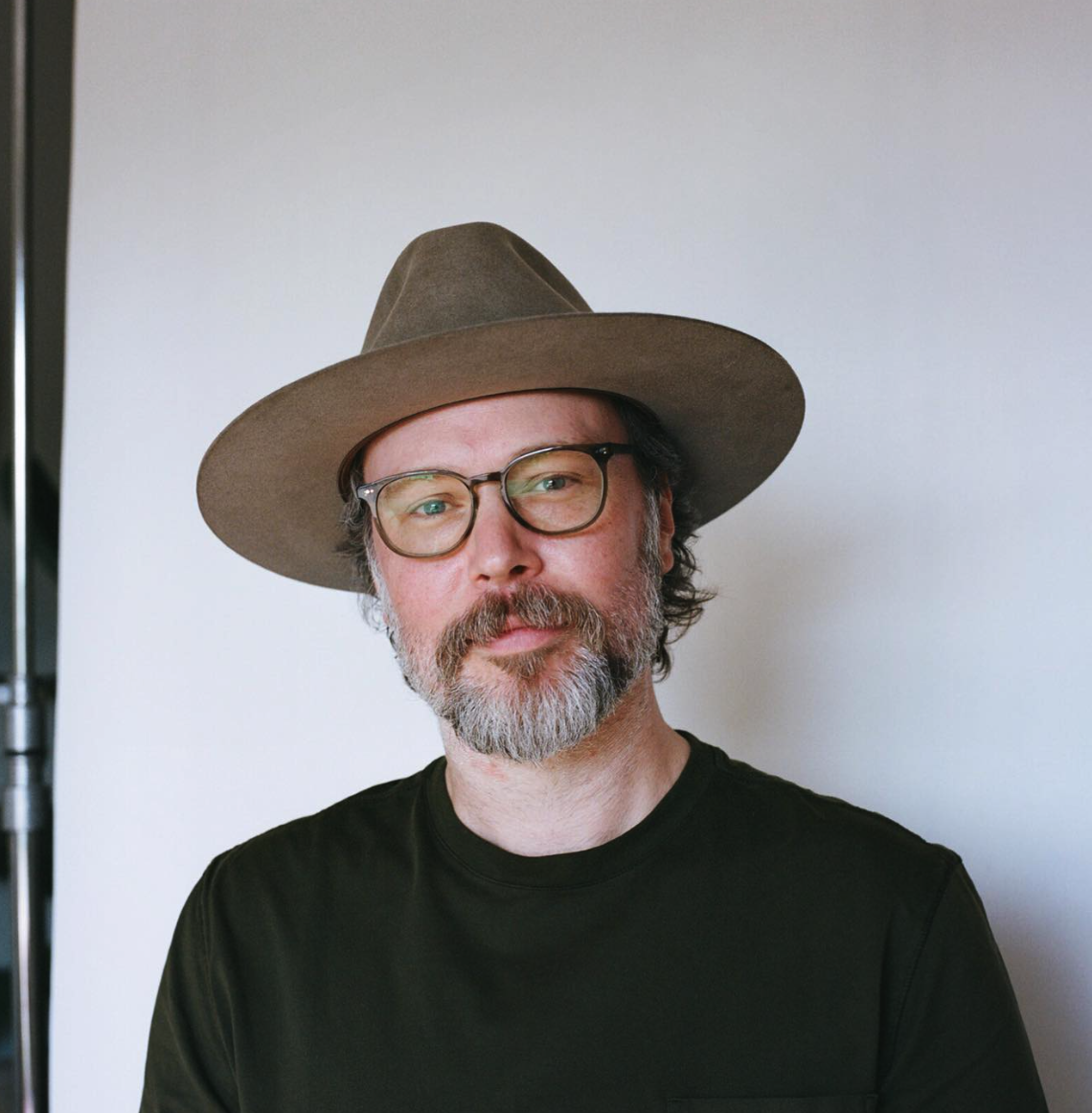
Kanin Guntzelman directed the short documentary Devil in the
Wind which was produced by Levitate Media in partnership with the American Red
Cross.
In Easton, the crew was filming during an active preparedness event. Christen had to balance the needs of the film with her responsibility to serve residents and protect client privacy. Homeowners who signed up for wildfire preparedness visits were told clearly that the Red Cross would provide the visit whether or not they agreed to be filmed.
“People typically live in the woods because they don’t like to be bothered,” Christen said.
Still, many said yes.
One of the film's key lessons involved how wildfires spread.
Many people imagine a wildfire as a wall of flames moving through a forest. But homes are often lost when wind-driven embers travel ahead of the fire and ignite combustible materials near a structure.
For Guntzelman, learning about ember-caused ignitions changed how he viewed wildfire risk.
Christen said many residents have a similar realization. Wildfire threats are not limited to remote forests and can affect a wide range of communities across the West.
In Kittitas and Yakima counties, she has seen how personal that risk can be. People she knows have lost homes, pastures and pets, and lived through repeated evacuation threats.
“It’s not uncommon for someone in Kittitas County or Yakima to have been really negatively affected by a disaster,” Smith said.
For Guntzelman, the lessons he learned from Christen, Smith and the communities in Washington took on a new weight when fires broke out in Los Angeles. The same ideas he had heard in Easton and Mansfield involving embers and the importance of preparing before disasters, no longer felt distant.
The film’s message widened for him. Devil in the Wind was still rooted in Central Washington, in the communities of Easton and Mansfield and in the work of Red Cross preparedness teams. But the story was no longer only about rural wildfire risk. It was about the assumptions people make before disaster, and how quickly those assumptions can change.
In Los Angeles, he also saw the Red Cross response from another angle: shelters, food, water, supplies and support for people affected by the fires.
He came away with a deeper respect for the people behind the organization.
“The people who work at the Red Cross are just a different breed,” he said.
Christen describes much of that work as invisible because, when it is done well, it can appear seamless from the outside. Sheltering, feeding, emergency supplies, health services, mental health support, spiritual care, financial assistance and casework are all part of the Red Cross response after disasters. But the preparedness work that happens before disaster can be even harder to see.
For Christen, that purpose came through clearly during one home visit in the Cle Elum area.
An elderly woman had received wildfire mitigation support through a local Firewise program. Grant funding helped remove 55 trees from her densely forested property. The woman had moved to the woods because she loved being surrounded by trees, and she worried about what the property would feel like after the work was done.
She understood the risk. She knew the mitigation work mattered. But she was afraid it might change her sense of home.
Afterward, she told Christen something that stayed with her.
She felt safer and, for the first time, could see both the sunrise and sunset from her back porch.
For Christen, that moment captured what preparedness can mean when it is done with care.
It is not only about clearing brush or reducing hazard. It is about helping people feel safer in the places they love.
“It’s about creating a sense of safety,” Christen said. “It’s about creating a sense of home.”
Christen said preparedness works best as a conversation, not a lecture. Everyone has different priorities, different fears and different resources.
If the first message a person hears is that they need to replace a roof or remove dozens of trees, the work can feel impossible. But if the first step is raking leaves away from the side of a house, clearing debris from a roof or thinking through an evacuation plan, preparedness can feel achievable.
After years of telling Red Cross stories through photos, quotes and reports, Smith said watching the finished six-minute film moved her in a way she did not expect. The film made Easton and Mansfield feel visible. It showed small communities not as dots on a map, but as places full of people, history, risk and resilience.
Christen said she would like to add Devil in the Wind to volunteer training. Much of that training is necessarily tactical: do this, then do this, then do this. The film shows the larger purpose behind the work. It helps volunteers understand not just the steps, but the impact.
In many ways, Devil in the Wind is already that kind of story.
It is a film about wildfire preparedness. But it is also a film about the relationships that make preparedness possible: Red Cross workers and local fire departments, homeowners and neighbors, small towns and the ordinary people trying to protect them.
Support all the urgent humanitarian needs of the American Red Cross.
Find a drive and schedule a blood donation appointment today.
Your time and talent can make a real difference in people’s lives. Discover the role that's right for you and join us today!