Many neighbors & their livestock in Mount Vernon had to be rescued by kayak during the December floods.
By Nanah Kiambati, Northwest Region
Beginning on December 8, 2025, the Pacific Northwest was hit by one of the strongest and longest-lasting "atmospheric rivers" in Puget Sound history. Rivers overflowed, lowlands disappeared under water, and entire communities across Western Washington and the Fraser Valley in British Columbia were forced to evacuate. Up to 10 inches of rain fell in the Cascades, and an estimated 5 trillion gallons of water poured into the region within a week. By December 10, Washington’s governor declared a state of emergency and deployed the National Guard as more than 100,000 people found themselves in evacuation zones.
This was the backdrop of my first-ever deployment as an American Red Cross disaster responder in the Northwest Region where I serve. For two years, I’ve written stories about Red Cross volunteers -- stories of compassion, resilience, and hope. But on this day, I wasn’t just documenting someone else’s experience. I was stepping directly into the heart of the response.
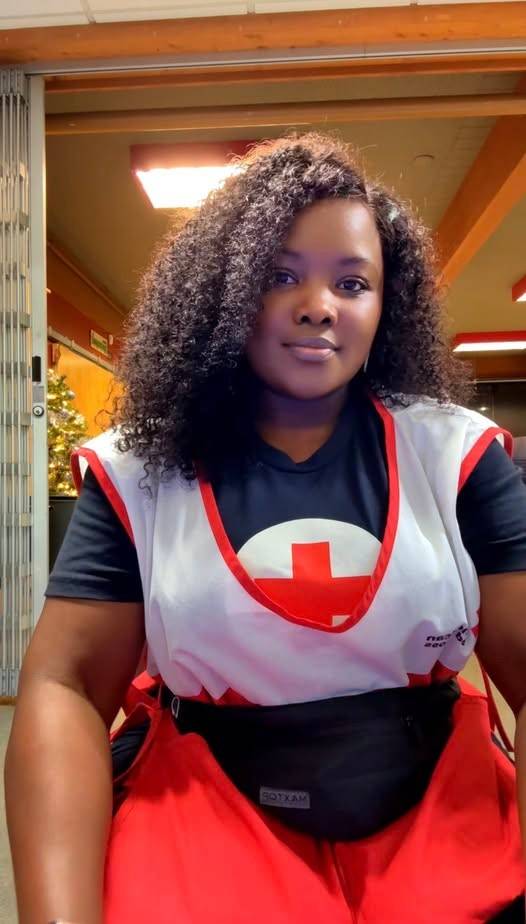
Nanah Kiambati volunteers at the Auburn shelter.
Driving through the rain that first morning, navigating closed roads and detours, I felt a mix of nerves and purpose. Before leaving home, I reread the deployment materials, safety protocols, shelter procedures, CDC guidelines. I’d studied them before, but today they felt heavier, more urgent. I put on my Red Cross T-shirt, zipped up my reflector vest, and reminded myself of our mission: to alleviate human suffering in the face of emergencies.
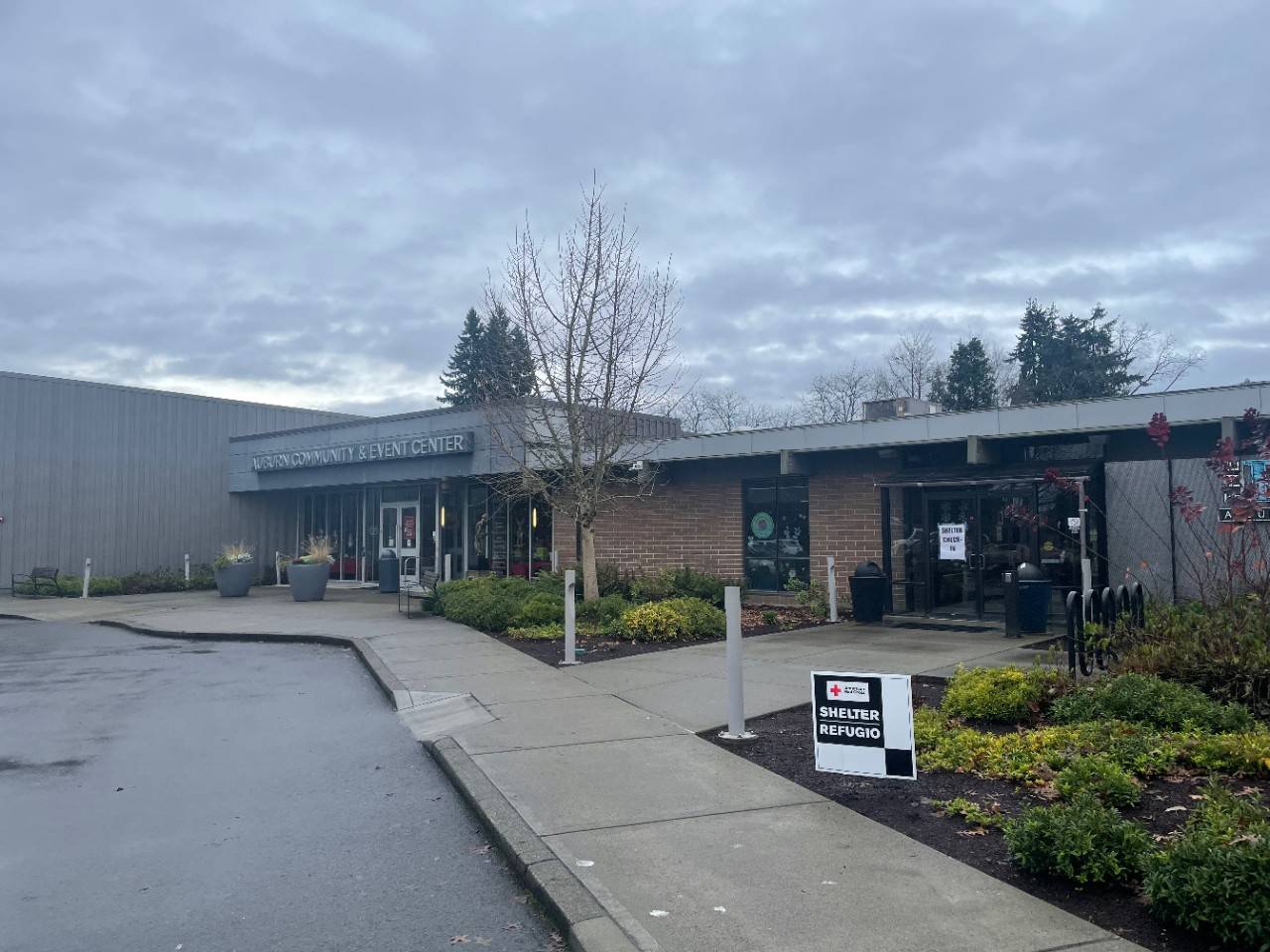
When I arrived at the Auburn Community Center, now being used to house a temporary shelter, I paused in my car. I wanted to honor the moment. This wasn’t just another writing assignment. This was service.
Inside, the “Shelter, All Are Welcome” sign guided me to the entrance. Security staff, shelter workers, and Red Cross volunteers moved with calm coordination. Some had traveled from Texas, New York, and California. Only two of us were local. Yet in that room, we were one team.
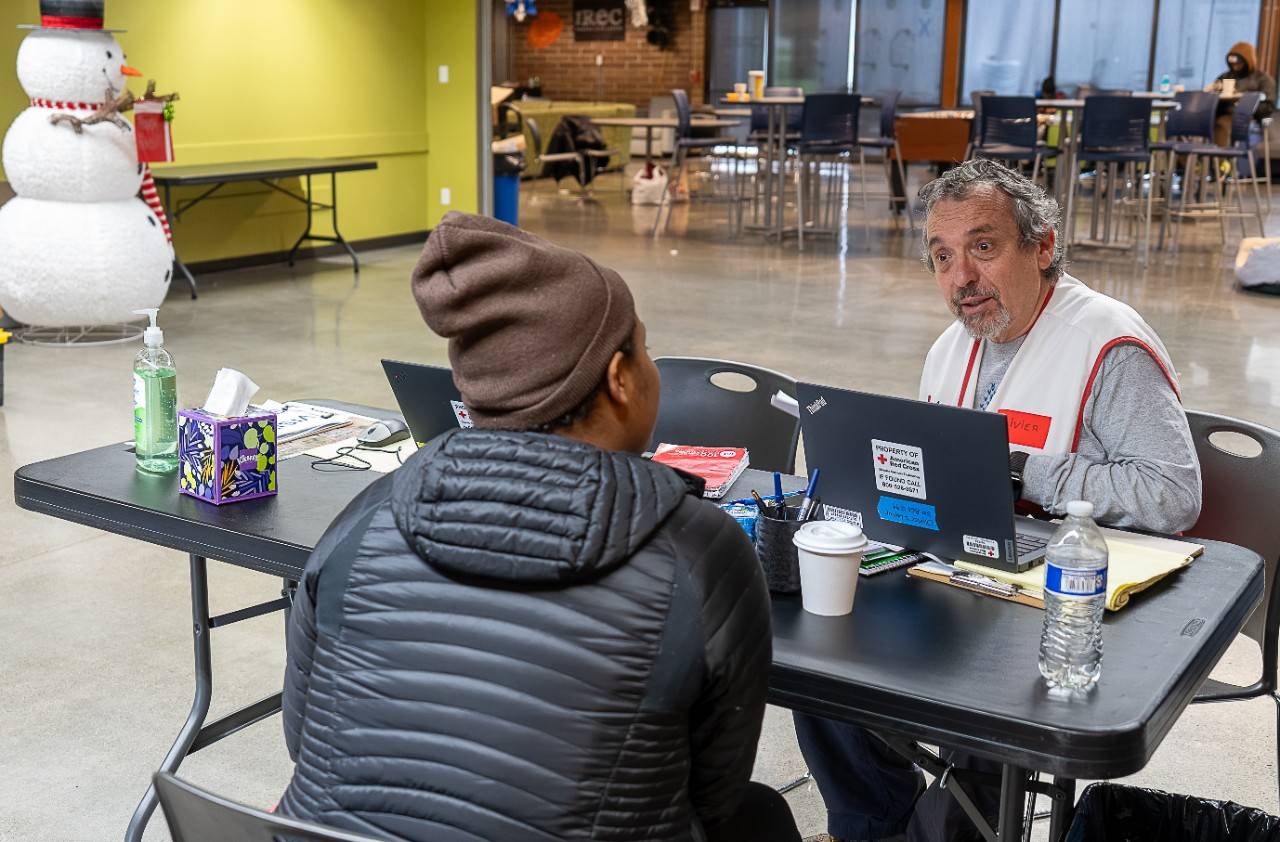
Red Cross shelter in Auburn, WA.
After checking in, a supervisor walked me through the shelter. The dormitory area held rows of cots, each neatly arranged with Red Cross blankets and comfort kits. Seeing those supplies -- items I’ve written about countless times, now in use by families who had lost so much -- made everything feel profoundly human.
One room sheltered a family of ten: grandparents, parents, children, staying close after being evacuated from their flooded neighborhood. Another room held a family of three. A third housed seven people navigating health challenges. Despite the exhaustion on their faces, there was warmth in the air. Children played. Adults chatted softly. Families stayed close, holding onto the one thing the floods couldn’t take: each other.
Outside, I learned about the bathroom system -- portable units labeled and monitored to ensure safety and dignity. My first task began immediately: checking residents into the showers, handing out towels and comfort kits, collecting used linens, and sanitizing each bathroom after use. Gloves on, mask secured, I moved from unit to unit, making sure every person had what they needed.
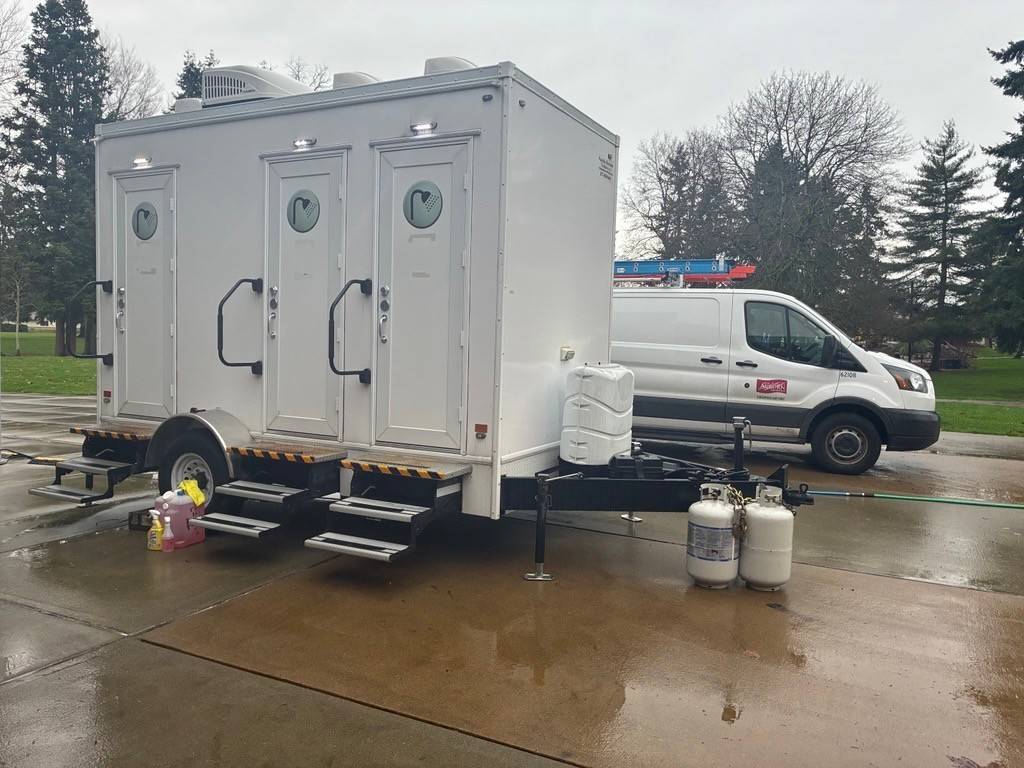
Portable showers that had to be delivered to the shelter.
Between shower rotations, my colleague and I refilled the snack station, restocked water, and prepared the dining area for dinner. When the pizzas arrived—vegetarian and meat—smiles spread across the room. After days of sandwiches, this small change felt like a celebration.
In one area, the Red Cross Shelter Resident Transition team worked hands-on to help departing residents navigate the process smoothly. At the receiving station, other volunteers ensured documentation was completed with care. Every corner of the shelter had something happening.
At dinner time, I watched the family of ten gather around a table, laughing and eating together as if they were back home. That moment stayed with me. Even in displacement, even in uncertainty, family remained their anchor.
Later, as I served pizza, I noticed a man waiting to be checked in. I brought him a bottle of water and asked if he would like it. He accepted with a smile. He spoke to me in Spanish, words I didn’t understand, but his tone was warm and grateful. My colleague leaned over and whispered, “He says you’re kind and he is grateful.” We both smiled. Kindness travels across languages.
By the time my shift ended at 8:05 pm, I was tired but deeply fulfilled. Today, I didn’t just write about the Red Cross mission—I lived it. I witnessed resilience, compassion, and the quiet power of showing up and working together as a team.
Across Washington State, families are still recovering from the historic floods. The Red Cross continues to provide shelter, meals and comfort. If you feel called to help, whether by volunteering, donating, or sharing our mission, your support can bring hope to someone facing their hardest day. Together, we can make a difference.
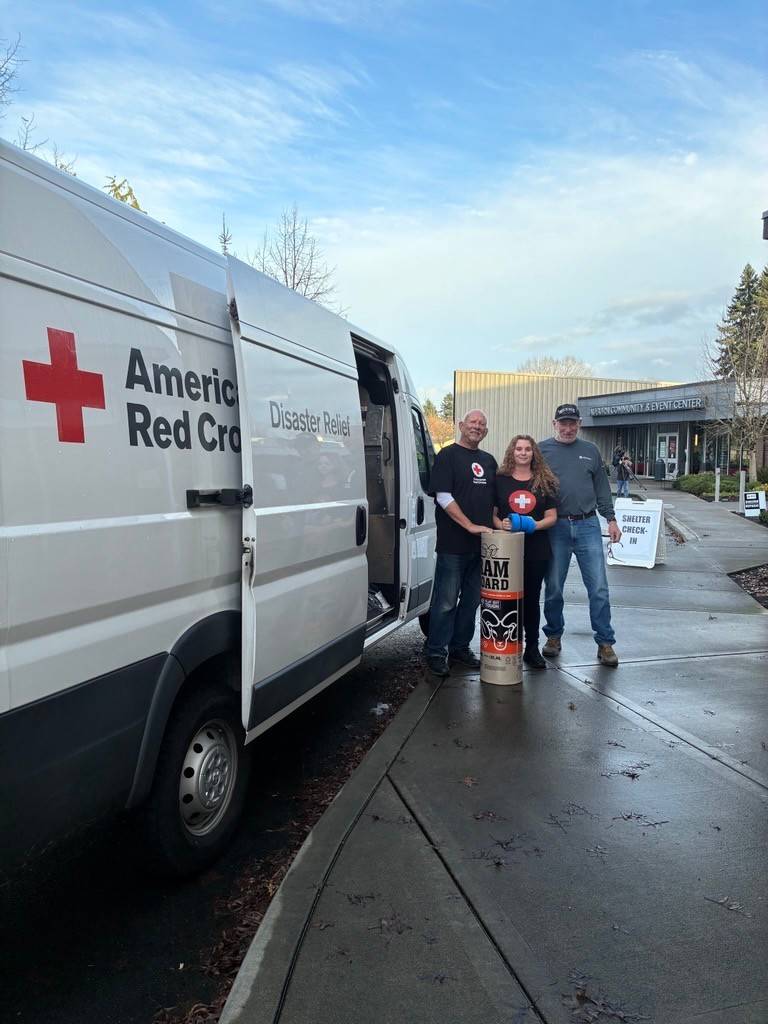
A Red Cross Disaster Relief vehicle brings supplies and aid to those displaced by flooding.
Support all the urgent humanitarian needs of the American Red Cross.
Find a drive and schedule a blood donation appointment today.
Your time and talent can make a real difference in people’s lives. Discover the role that's right for you and join us today!