By Gregory Elgee
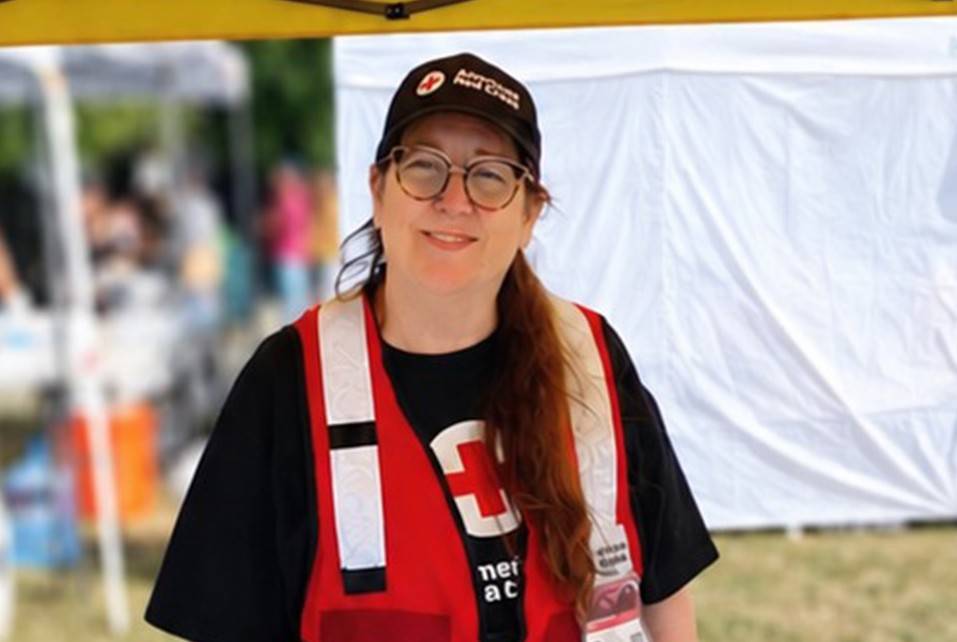
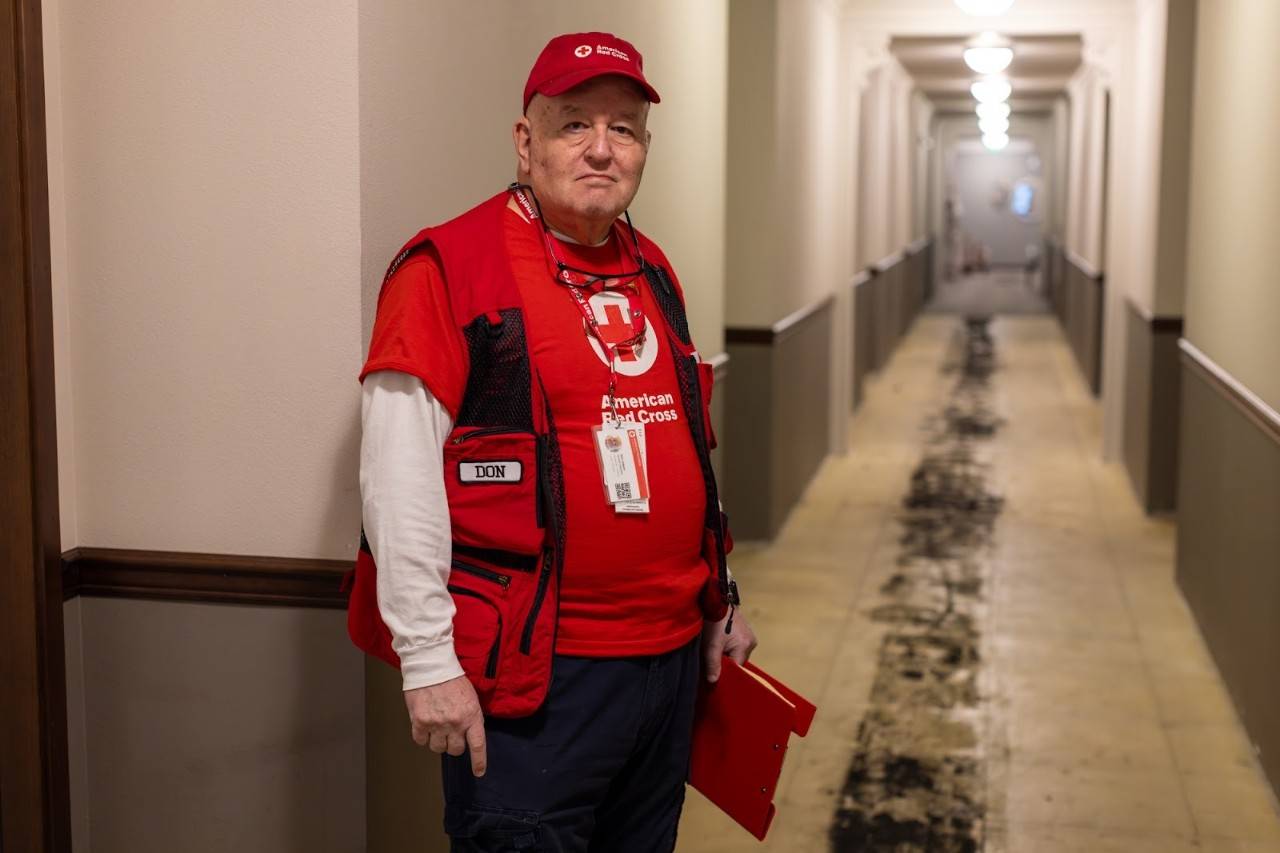
For Don Lederer, volunteering with the American Red Cross means being ready when someone’s worst night becomes a reality.
One recent evening, Don was at home with his wife, winding down and getting ready for bed, when his phone lit up with a Red Cross alert. He saw the caller ID and knew right away this would not be a quick response.
“I thought, well, okay,” he recalled, “it’s going to be all night.”
Don serves as a Disaster Responder with the American Red Cross, helping people in the immediate aftermath of home fires and other emergencies. That night he answered the call, checked in with the Duty Officer to understand the situation and headed out to meet up with his partner volunteer.
When they arrived on scene, the seriousness of the incident was clear. Inside an apartment building in Burlington, dozens of residents were gathered in a lobby, waiting for answers. There had been a fire, and because the incident involved someone’s death, access to parts of the building were restricted while first responders and investigators did their work.
Even in the middle of such a difficult situation, Don noticed something important: people were holding together.
He credited the building management team with helping keep the scene calm and organized. They quickly provided a private space where the Red Cross volunteers could meet with residents, and they continued checking in to see what more they could do. They also brought in pizza and bottled water for both residents and responders.
For Don, moments like that matter. So do the moments that come after the first introductions and paperwork, when people begin to realize they are not facing the night alone.
“I’m always moved by how relieved they are,” he said, describing the feeling of finishing an intake and seeing a client’s expression change once immediate help is in place.
That sense of relief is one of the reasons Don continues to serve.
As a senior responder on scene, Don helped to coordinate the response, brief other volunteers and make sure people who were eligible for Red Cross assistance received it. He also helped ensure that anyone else affected had access to information, comfort items and guidance about next steps.
And those next steps matter.
Don said one of the biggest misunderstandings people have after a fire is not realizing that support continues after the first response. In addition to immediate assistance, Red Cross caseworkers follow up with clients in the days after an incident to check on additional needs and help connect them with further resources.
For Don, that continuity of care is part of what makes the work meaningful. It is not only about showing up in the first chaotic hours. It is also about helping people begin to find their footing again.
His path to the Red Cross grew naturally from a lifetime of service. After first retiring from a career as a chemist, Don became a paramedic and worked in that role for six years. Later, looking for another way to keep helping people, he found the Red Cross.
“There was a lot of crossover between what the Red Cross does and what I did as a paramedic,” he said.
That background still shapes how he responds today. He says both roles rely on staying calm, drawing on training and helping people understand what is happening during intensely stressful moments.
“The biggest overlap is just how to keep the client calm,” Don said, “and make sure that they know what’s going on at every second of every minute that you’re there.”
That steady presence can make all the difference when someone has just experienced a fire or another emergency. For people who are overwhelmed, displaced or grieving, even a calm conversation can be a first step toward feeling safe again.
Asked what has meant the most to him in his volunteer service, Don came back to the same thing: the people.
“The satisfaction and the relief that I see from the clients,” he said. “The fact that they’re grateful that we’re there tells me that what we’re doing is a really good thing.”
For anyone considering volunteering, Don’s advice is simple: take the first step.
He encourages people to fill out an application and learn more about the many ways to serve. For those interested in disaster response, he noted that new volunteers follow their training by observing alongside experienced responders to see whether the role feels like the right fit.
“If you’re even just halfway thinking about it,” he said, “it’s worth your call.”
For Don, volunteering is about being there when people need help most — and making sure they know they do not have to face that moment on their own.
Support all the urgent humanitarian needs of the American Red Cross.
Find a drive and schedule a blood donation appointment today.
Your time and talent can make a real difference in people’s lives. Discover the role that's right for you and join us today!