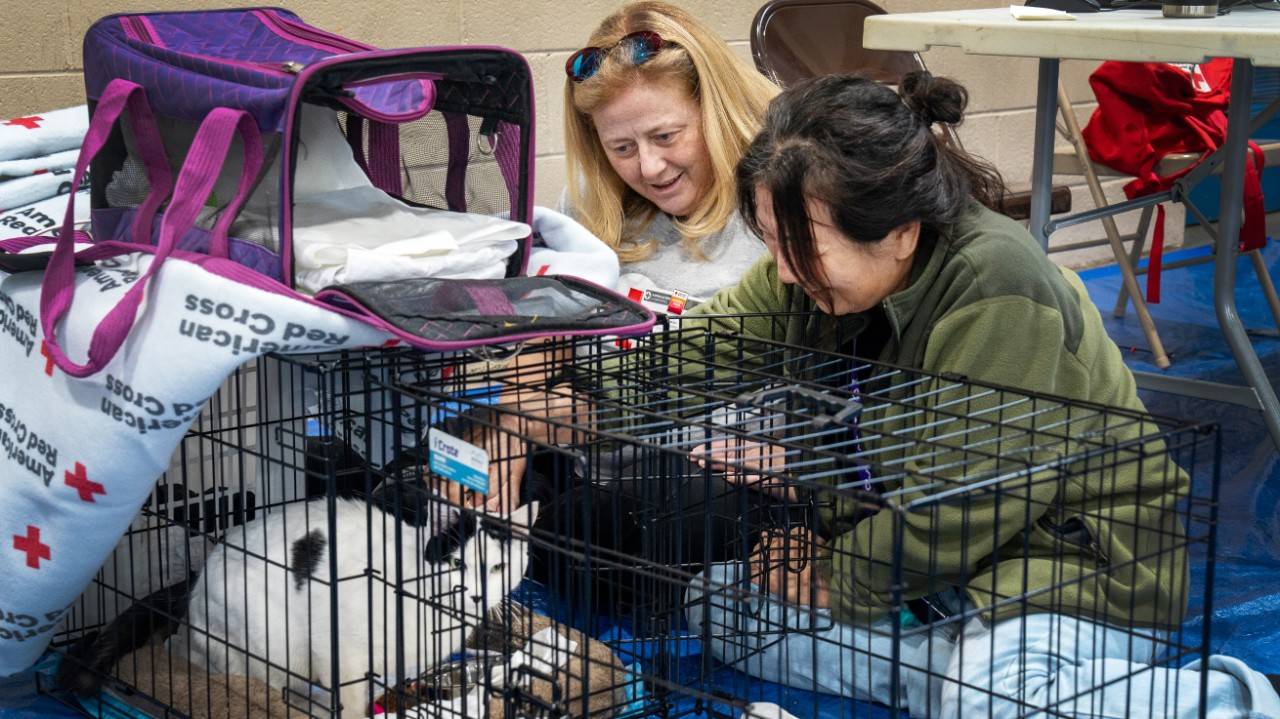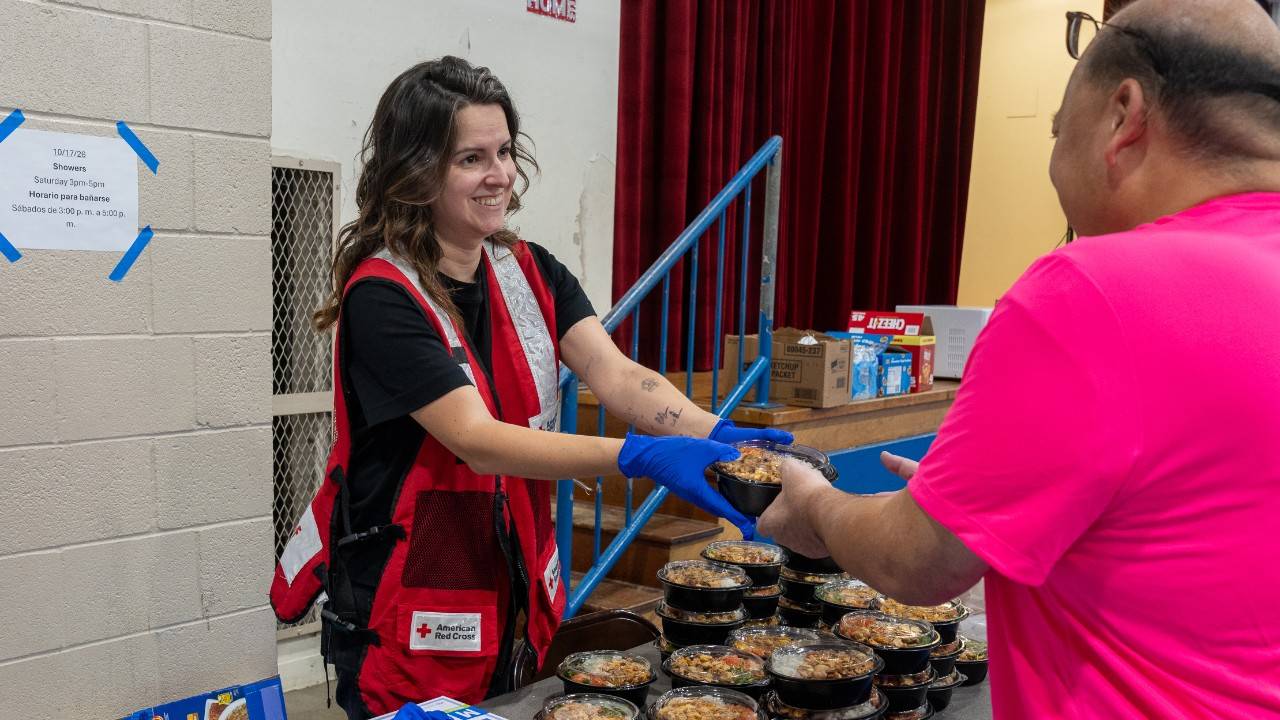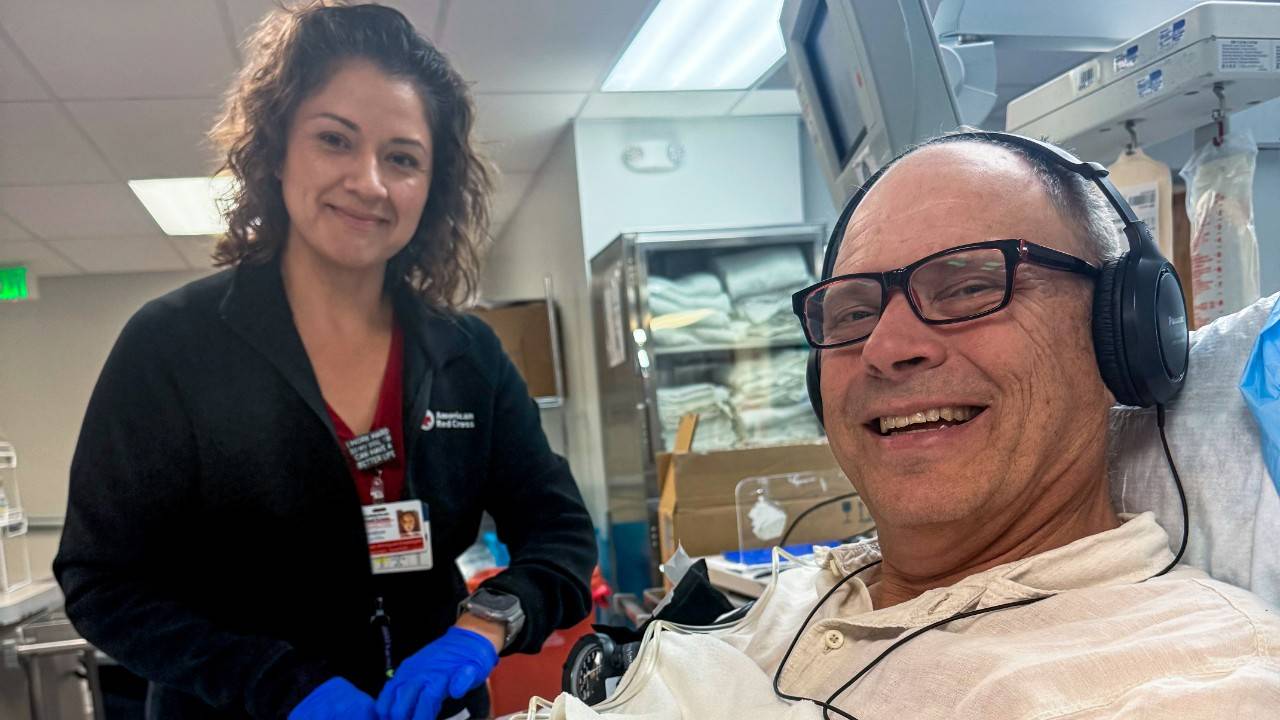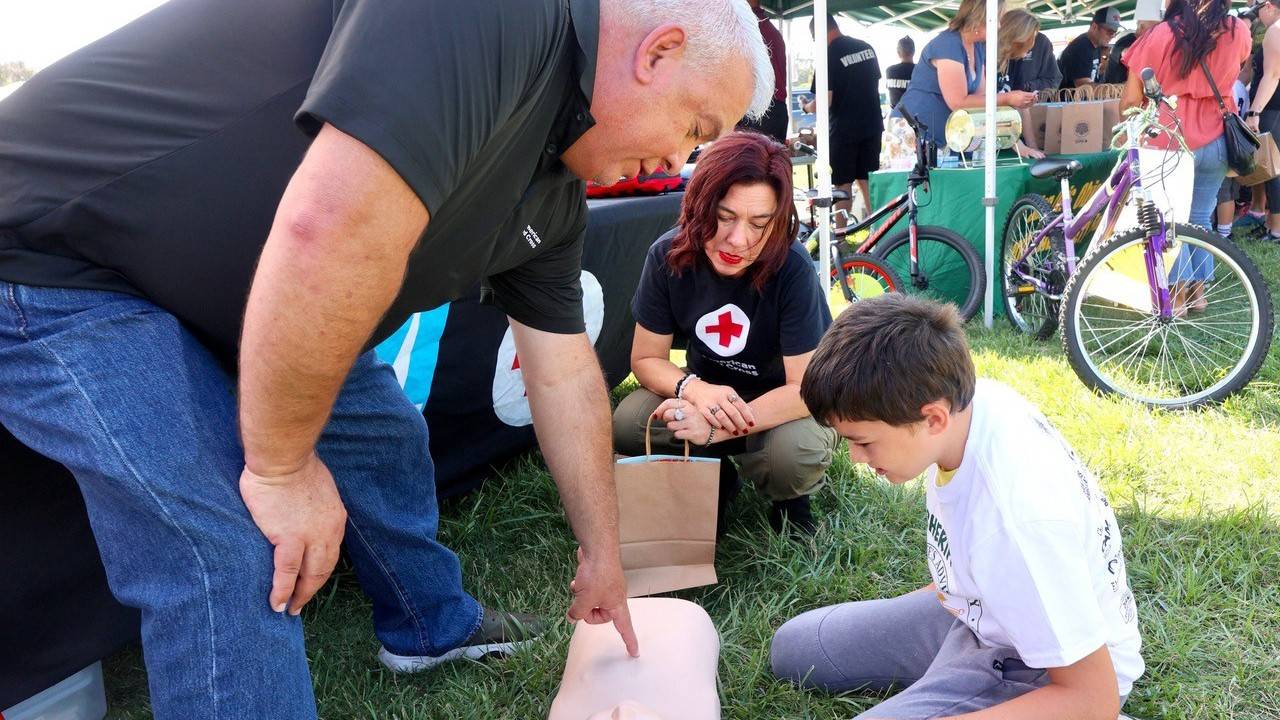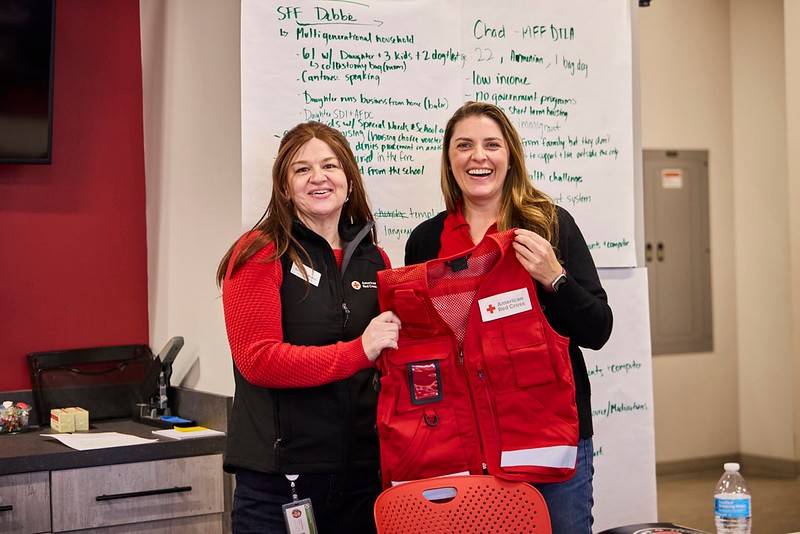
Amanda Morita, interim regional disaster officer (left), and Jacquie Clites, regional chief executive officer (right), share a moment while giving Jacquie a new disaster response vest during the response and recovery summit.
Photo by Lily Chan/American Red Cross.
The American Red Cross Los Angeles Region hosted a three-day Disaster Response and Recovery Summit Feb. 26–28 at its regional headquarters, convening more than 60 nonprofit, government and community partners to strengthen coordination and improve outcomes for communities impacted by disasters.
The summit, led by Interim Regional Disaster Officer Amanda Morita, was designed to address challenges identified during the 2025 Los Angeles fires, including duplicated services and gaps in care. Representatives from organizations such as the Salvation Army, Team Rubicon, local municipalities and emergency management agencies participated in focused discussions aimed at building a more unified response network.
“Our goal was to bring partners together to define what each organization brings to disaster response and how we can better align those efforts,” Morita said. “When we coordinate effectively, we can serve communities more completely and avoid leaving critical needs unmet.”
A central outcome of the summit was a shared commitment to a more coordinated, strategic model of disaster response. Participants agreed to continue meeting quarterly to evaluate real-world responses, participate in joint exercises and refine collaboration strategies before disasters occur.
For example, the group began building stronger structures for “warm handoffs,” a coordinated approach to client care in which organizations directly connect individuals and families to partner services. Rather than referring a client to another agency, responders create a network of contacts they can communicate with directly. By calling ahead, sharing information and ensuring a smooth transition, responders ensure clients are not left navigating recovery systems alone.
This enhanced coordination is expected to improve both immediate response and long-term recovery efforts by reducing duplication and ensuring a broader range of services is available to those in need. It also supports the Red Cross community mobilization initiative, which focuses on leveraging the strengths of partner organizations to deliver more comprehensive care.
“Our goal was to bring partners together to define what each organization brings to disaster response and how we can better align those efforts. When we coordinate effectively, we can serve communities more completely and avoid leaving critical needs unmet.”
Amanda Morita
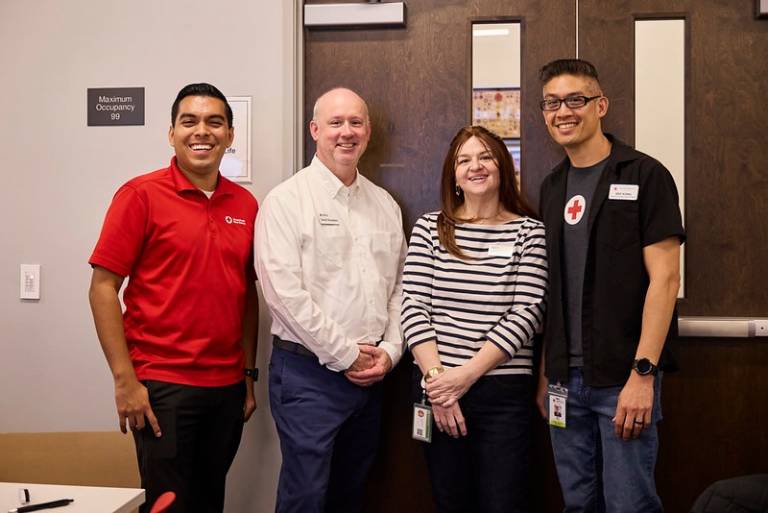
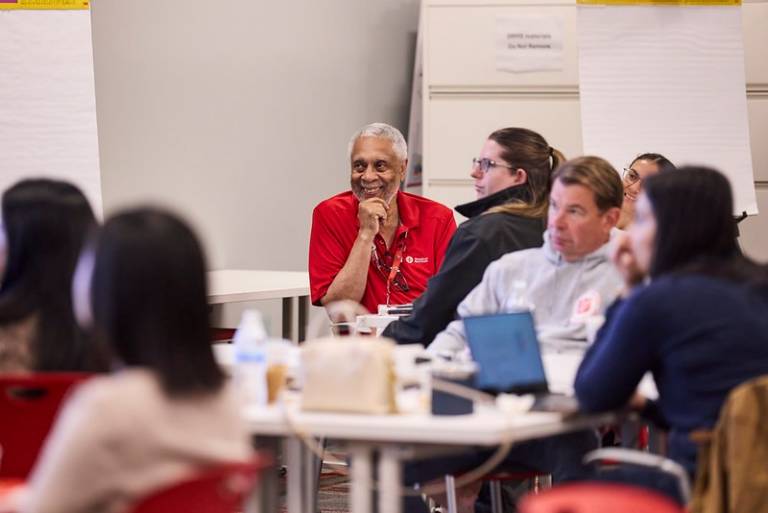

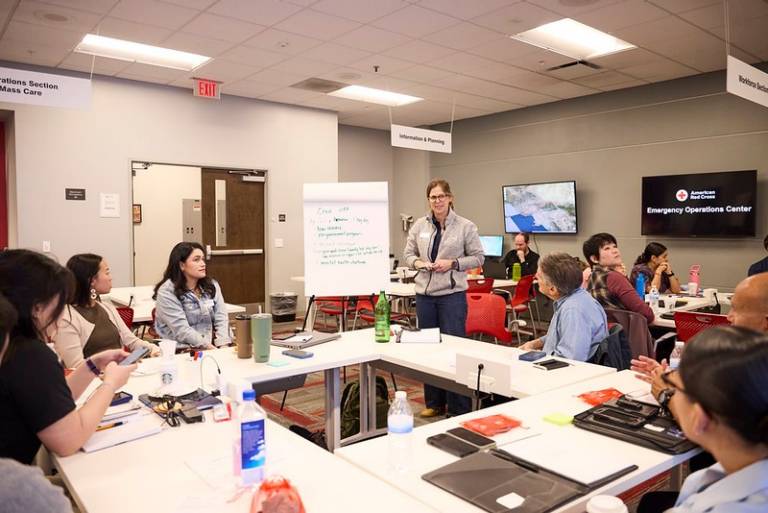
“With lots of commitment around continued education, continued exercises, better communication, and better visibility on who we are, we can make sure that we're all showing up like we committed to do.” Morita says. “I think it makes us more able, as both the Red Cross specifically and as a response network, to better meet the needs of our clients.”
The summit may serve as a model for other regions. Early discussions are already underway to replicate the approach nationwide, with the potential for broader adoption as agencies seek more effective ways to collaborate during increasingly complex disasters.
By establishing stronger partnerships and a shared framework for action, the Los Angeles Region is helping shape a more connected and resilient disaster response system—one that extends beyond a single organization to better serve communities across the country.
To learn more about how the Red Cross works with community partners in disaster response and recovery, visit https://www.redcross.org/local/california/los-angeles/about-us.
About the American Red Cross:
The American Red Cross shelters, feeds and provides comfort to victims of disasters; supplies about 40% of the nation’s blood; teaches skills that save lives; distributes international humanitarian aid; and supports veterans, military members and their families. The Red Cross is a nonprofit organization that depends on volunteers and the generosity of the American public to deliver its mission. For more information, please visit redcross.org or CruzRojaAmericana.org, or follow us on social media.
Support all the urgent humanitarian needs of the American Red Cross.
Find a drive and schedule a blood donation appointment today.
Your time and talent can make a real difference in people’s lives. Discover the role that's right for you and join us today!