
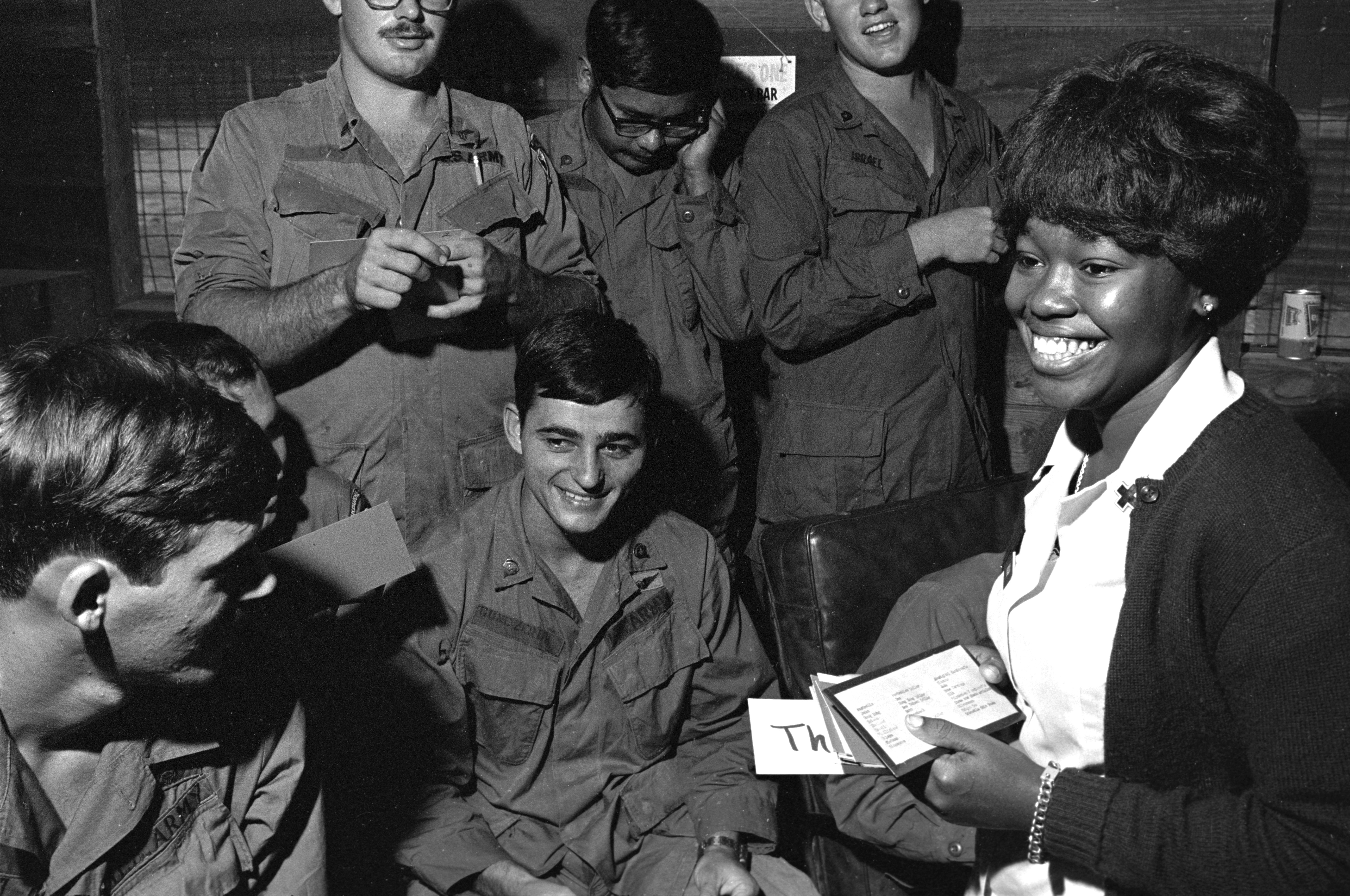
Mimi Teller/American Red Cross
On May 21, 1881, Clara Barton transformed a bold idea into a movement that would shape humanitarian service in the United States for generations to come. What began as one woman’s determination to meet human need has grown into the American Red Cross, a nationwide network responding to emergencies, supporting the military, collecting lifesaving blood and helping people prepare for crises every day.
Barton’s journey to founding the Red Cross was rooted in her firsthand experience with suffering and resilience. A former schoolteacher, she became one of the most recognized caregivers of the Civil War, bringing bandages, food and comfort directly to soldiers on the battlefield. Her courage earned her the nickname “Angel of the Battlefield,” but the work presented a larger truth: the U.S. lacked an organized system to care for people affected by war or disaster.
After the war, Barton traveled to Europe to rest and recover. There, she encountered the International Red Cross, a humanitarian movement already providing neutral and impartial aid during armed conflicts. She saw in it a model of compassion organized at scale, one that transcended borders and politics to focus solely on human need.
Barton believed the U.S. needed that same structure, and more. At the time, there was no coordinated national response for disasters such as floods, fires or storms. She envisioned an organization that would not only support those affected by war but also respond to emergencies at home.
Returning to the United States, Barton began advocating tirelessly for change. She successfully pushed for the U.S. to ratify the Geneva Convention, aligning the nation with the international humanitarian movement. With that foundation in place, she officially established the American Red Cross on May 21, 1881.
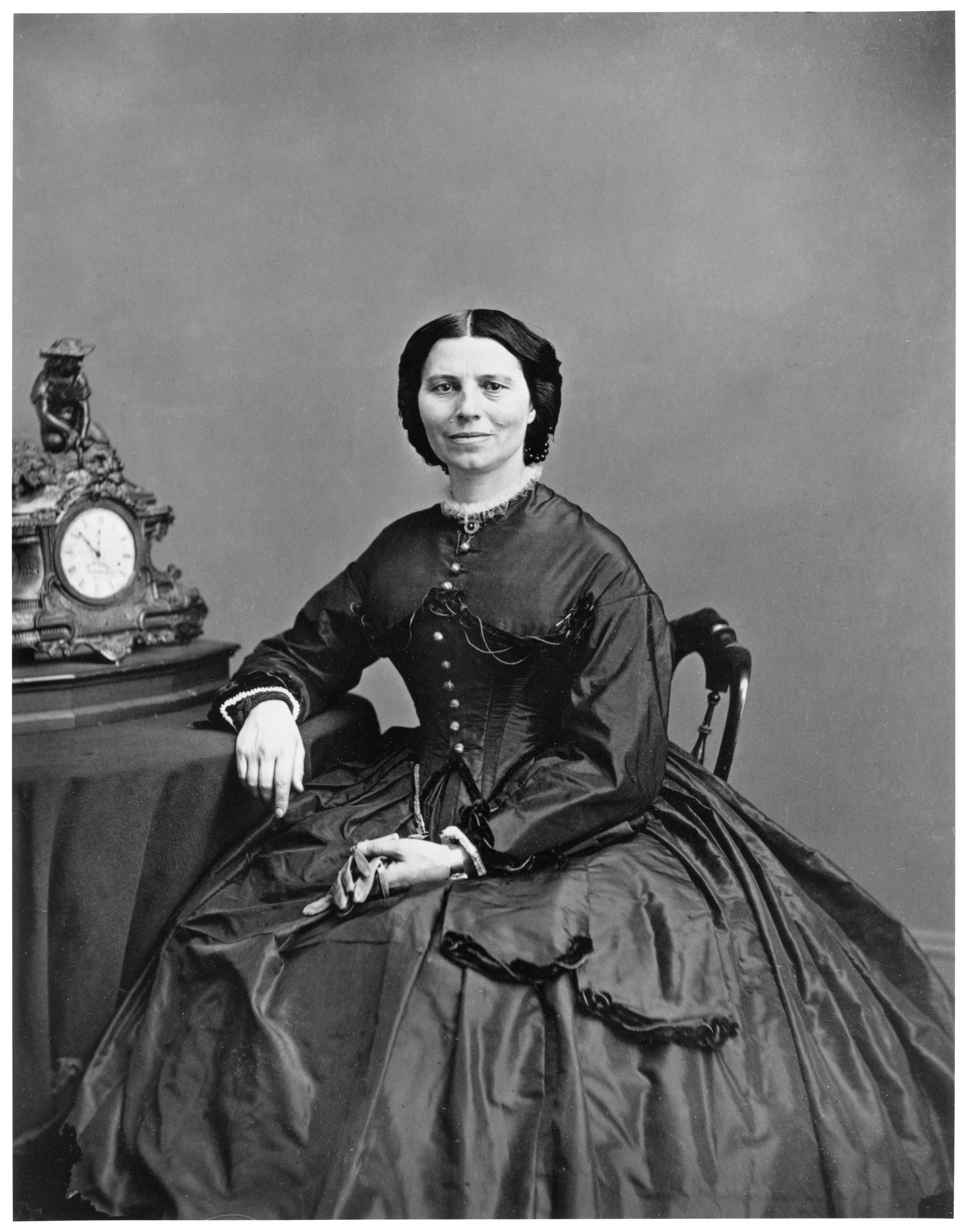
Circa 1865 — A portrait of Clara Barton, founder of the American Red Cross. Born on Christmas Day in 1821, Barton later founded the American Red Cross in 1881, leading humanitarian efforts that continue today. (Photo courtesy of the American Red Cross).
In its earliest days, the organization was small—a modest group of volunteers united by Barton’s vision that people could come together to alleviate suffering. But even then, its mission was already evolving. Barton expanded the focus beyond war relief to include disaster response, setting a precedent that continues to define the Red Cross to this day.
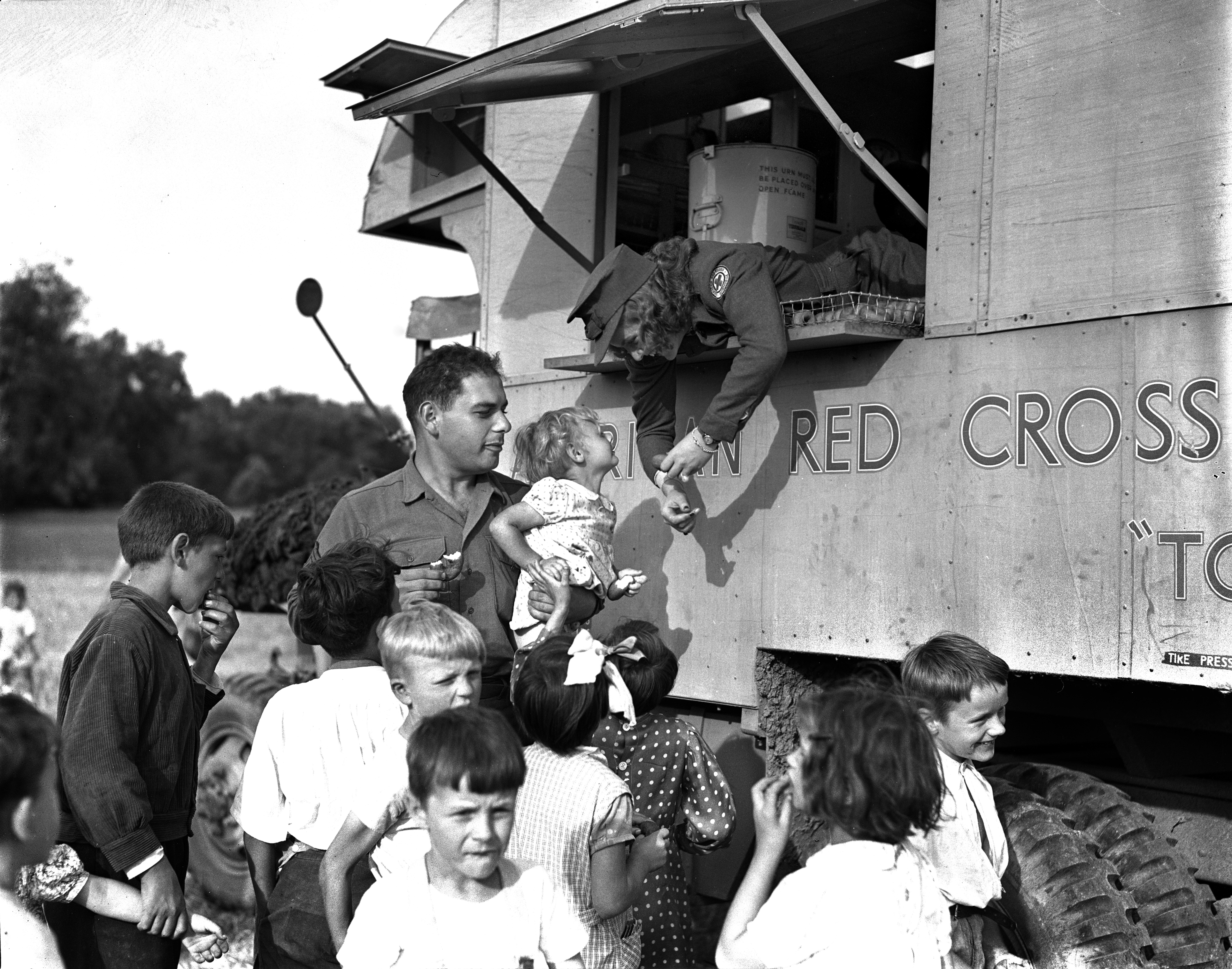
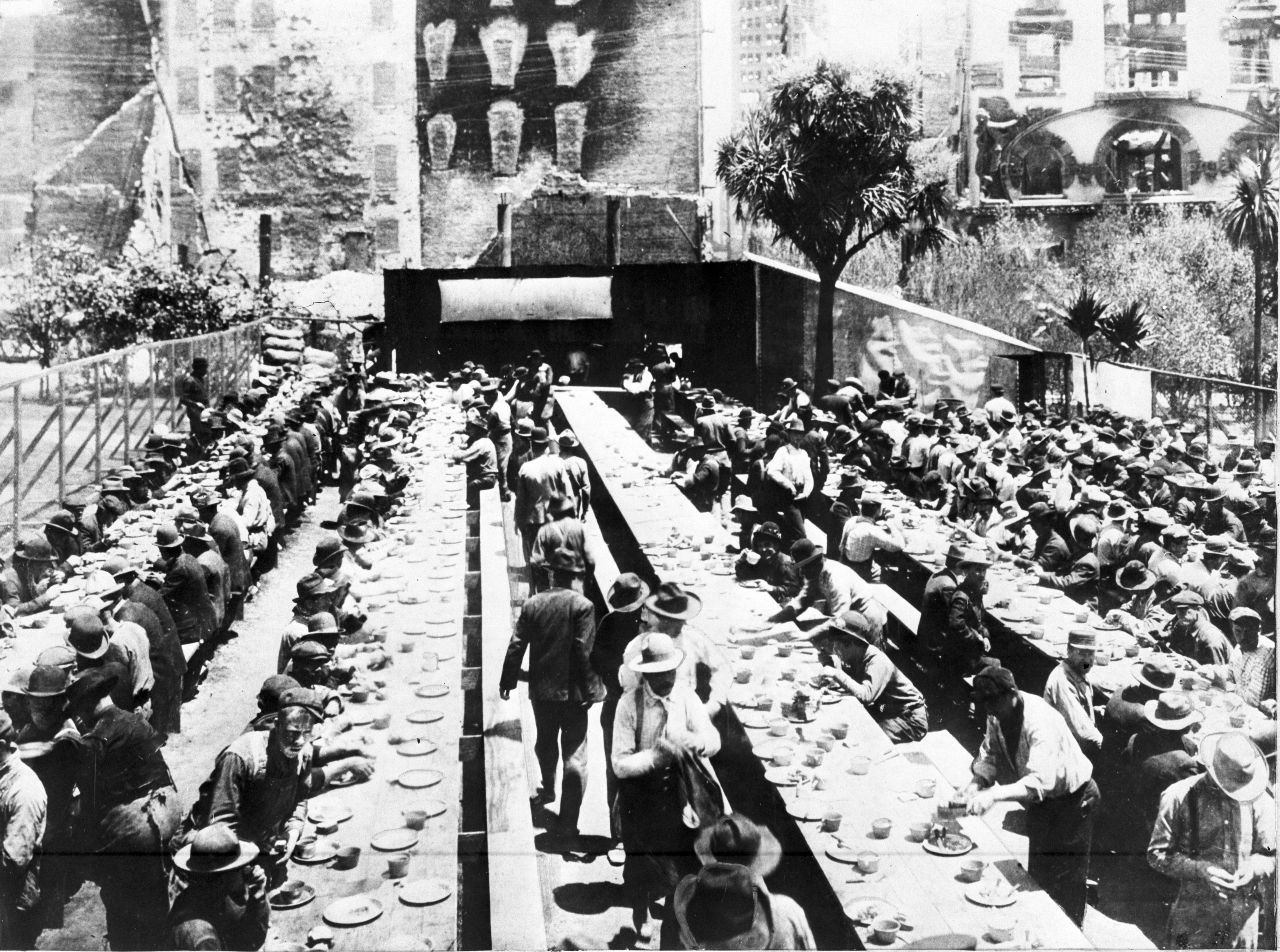
Under her leadership, the American Red Cross responded to some of the nation’s earliest major disasters, providing food, shelter and hope to communities in crisis. This shift marked a turning point—transforming the organization from a wartime aid society into a broader humanitarian force.
Over the next 145 years, that small volunteer effort grew into a nationwide network. Today, the American Red Cross is powered by more than 300,000 volunteers and supported by about 13,000 employees across the country. Volunteers make up 90% of the workforce, carrying forward Barton’s belief in the power of people helping people.
As the organization expanded, so did its services.
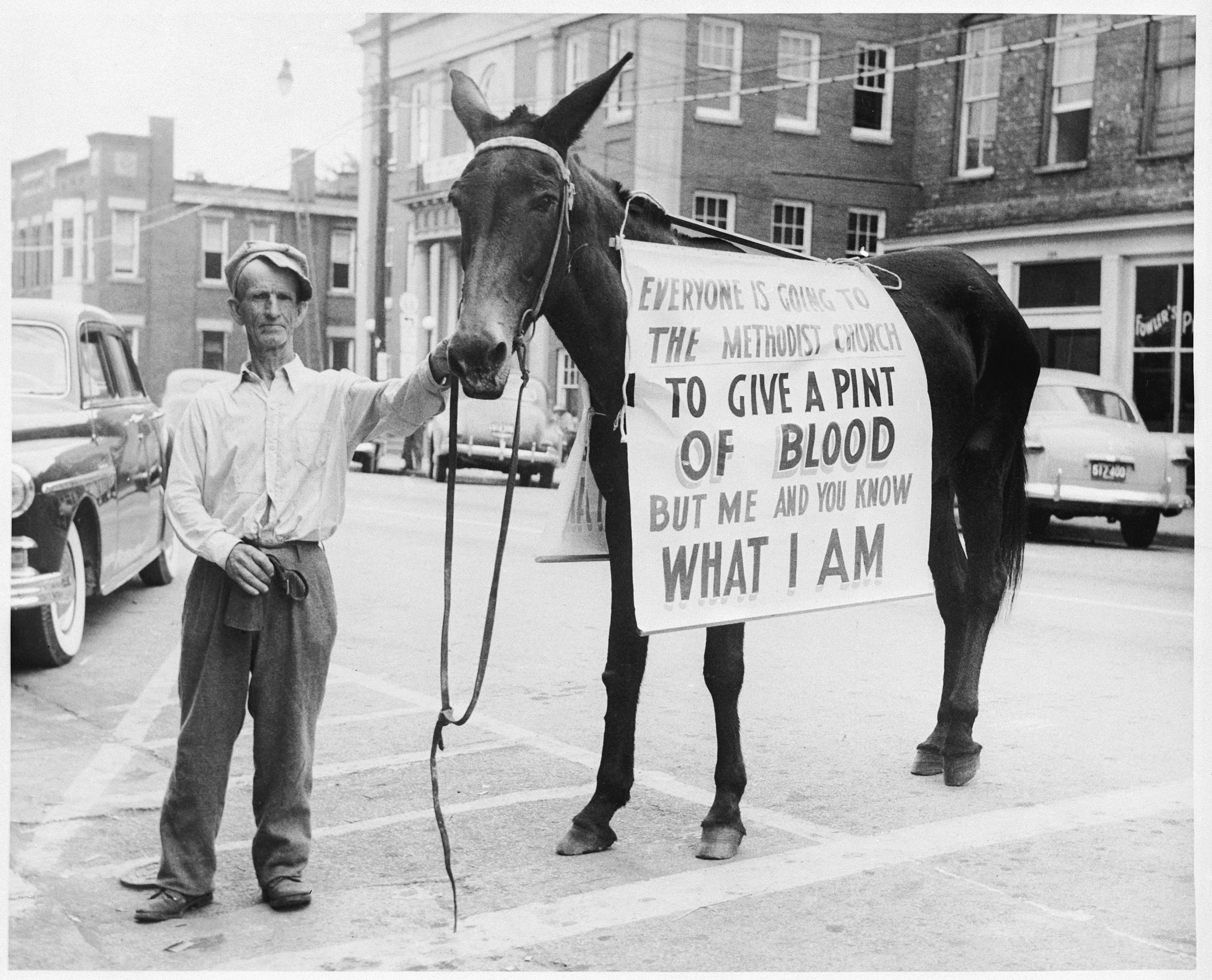
Lebanon, Ky., Dec. 16, 1950 — “Everyone is going to the Methodist church to give a pint of blood but me, and you know what I am.” Even his mule seemed to agree. When the American Red Cross Bloodmobile arrived, 100 people donated 100 pints of blood. Jack Collier, chairman of the Marion County campaign, credited the effort’s success in part to a mule paraded through the streets by G.B. Malone, which inspired more than 30 walk-in donors to give. (Photo courtesy of American Red Cross.)
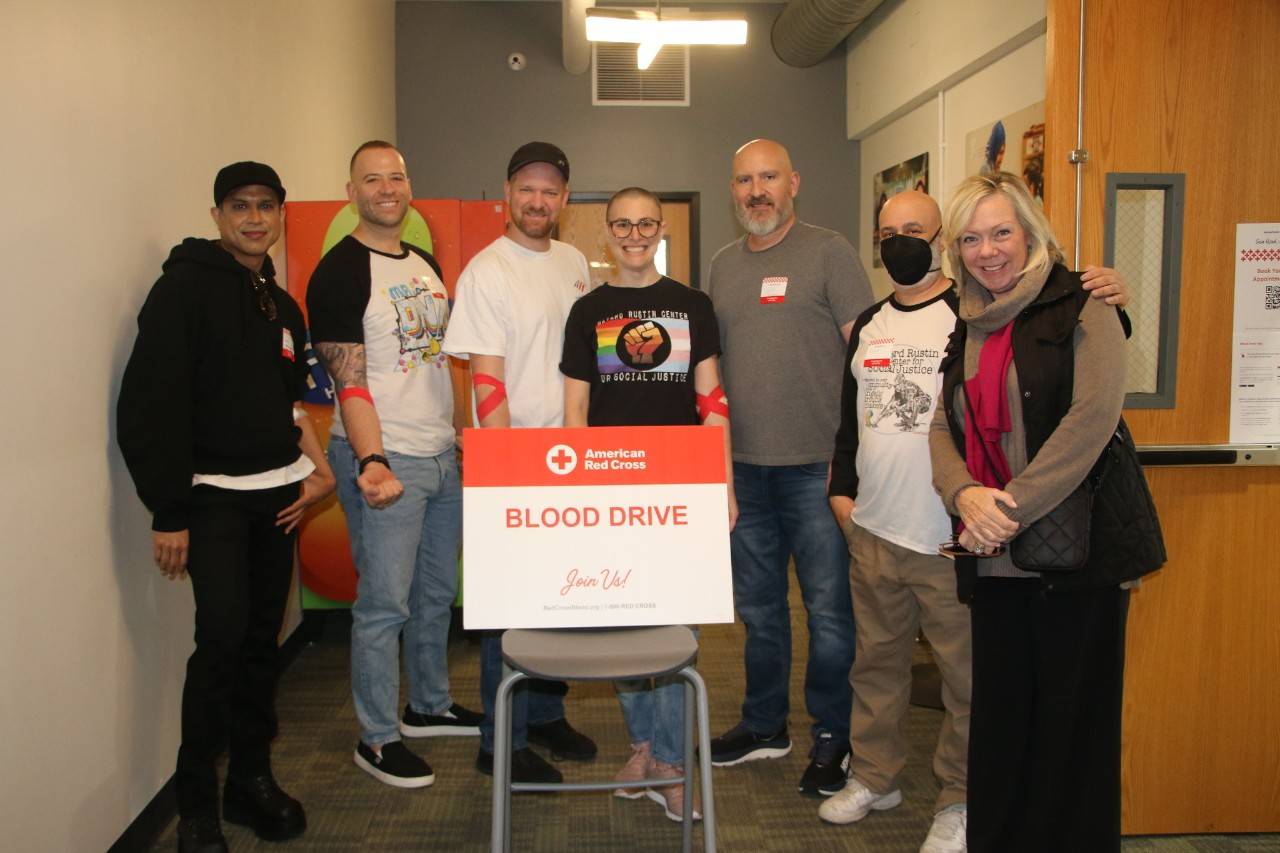
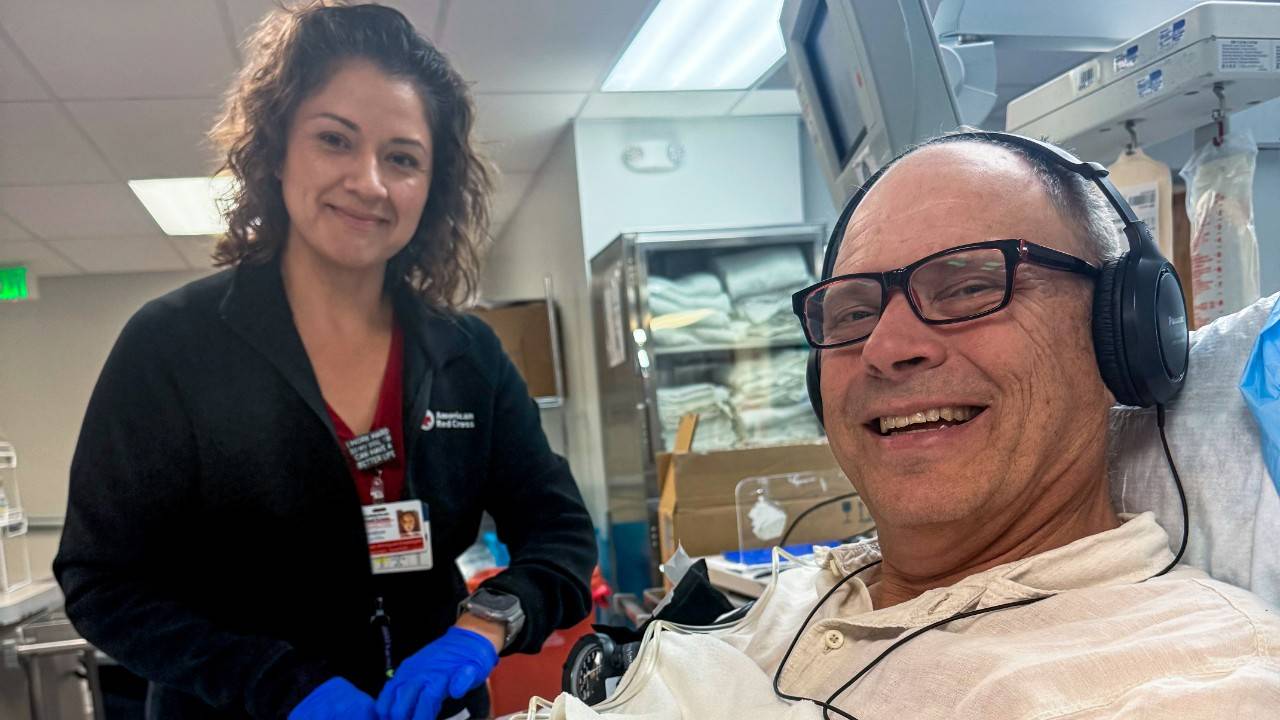
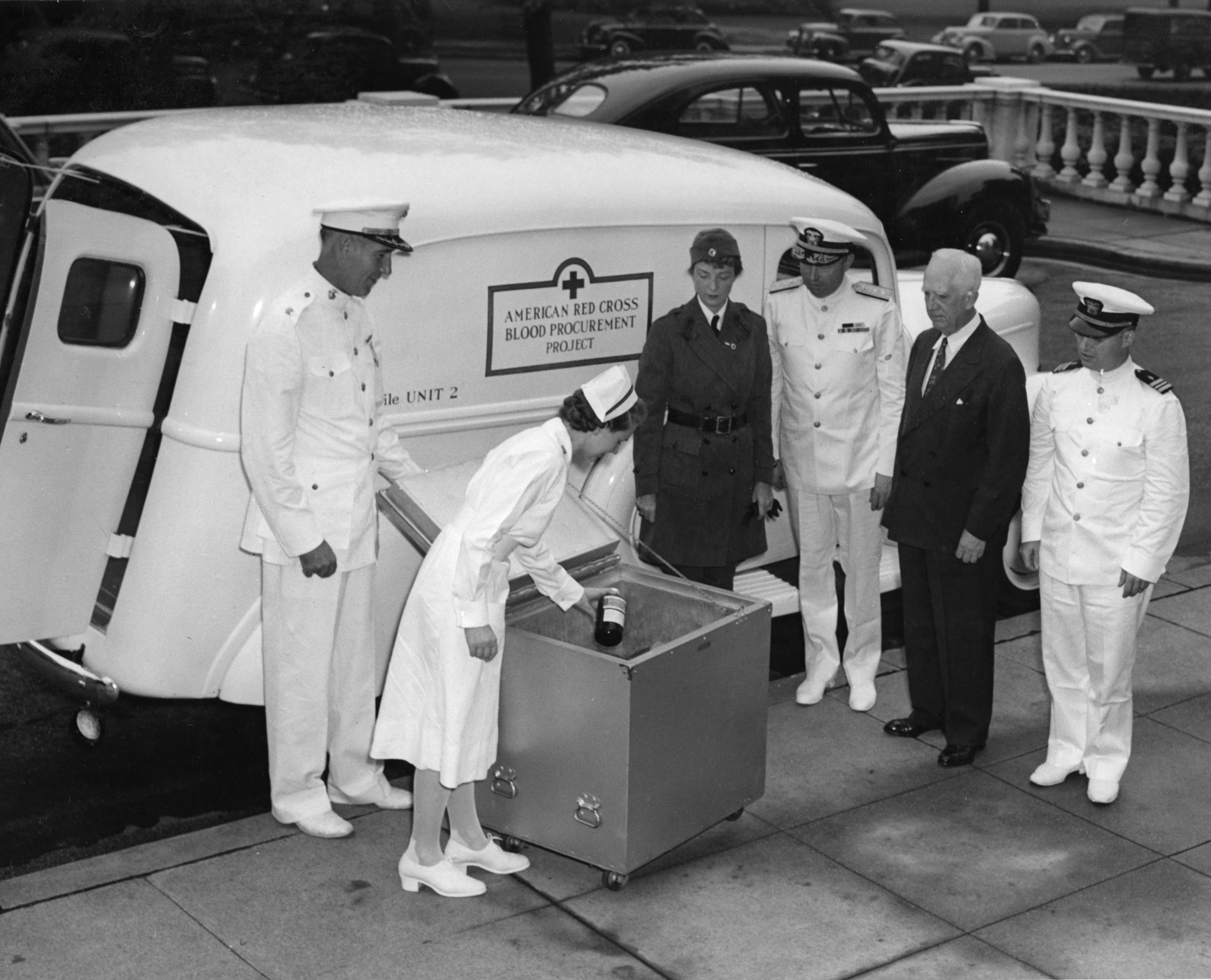
During World War II, the Red Cross began organizing blood collection efforts to support the military. That work evolved into one of its most critical missions. Today, the Red Cross supplies about 40% of the nation’s blood—a vital resource for patients in hospitals and trauma centers every day.
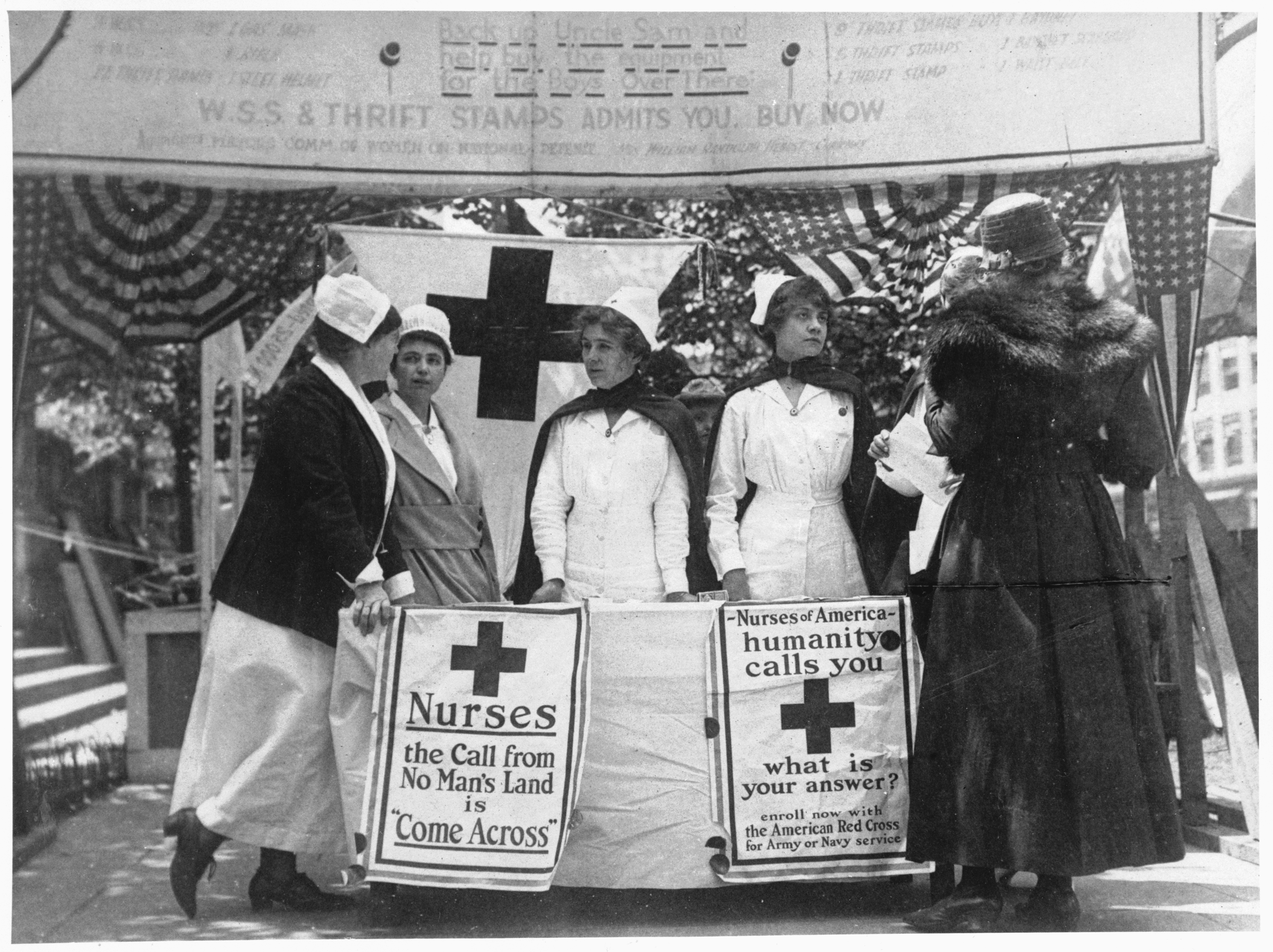
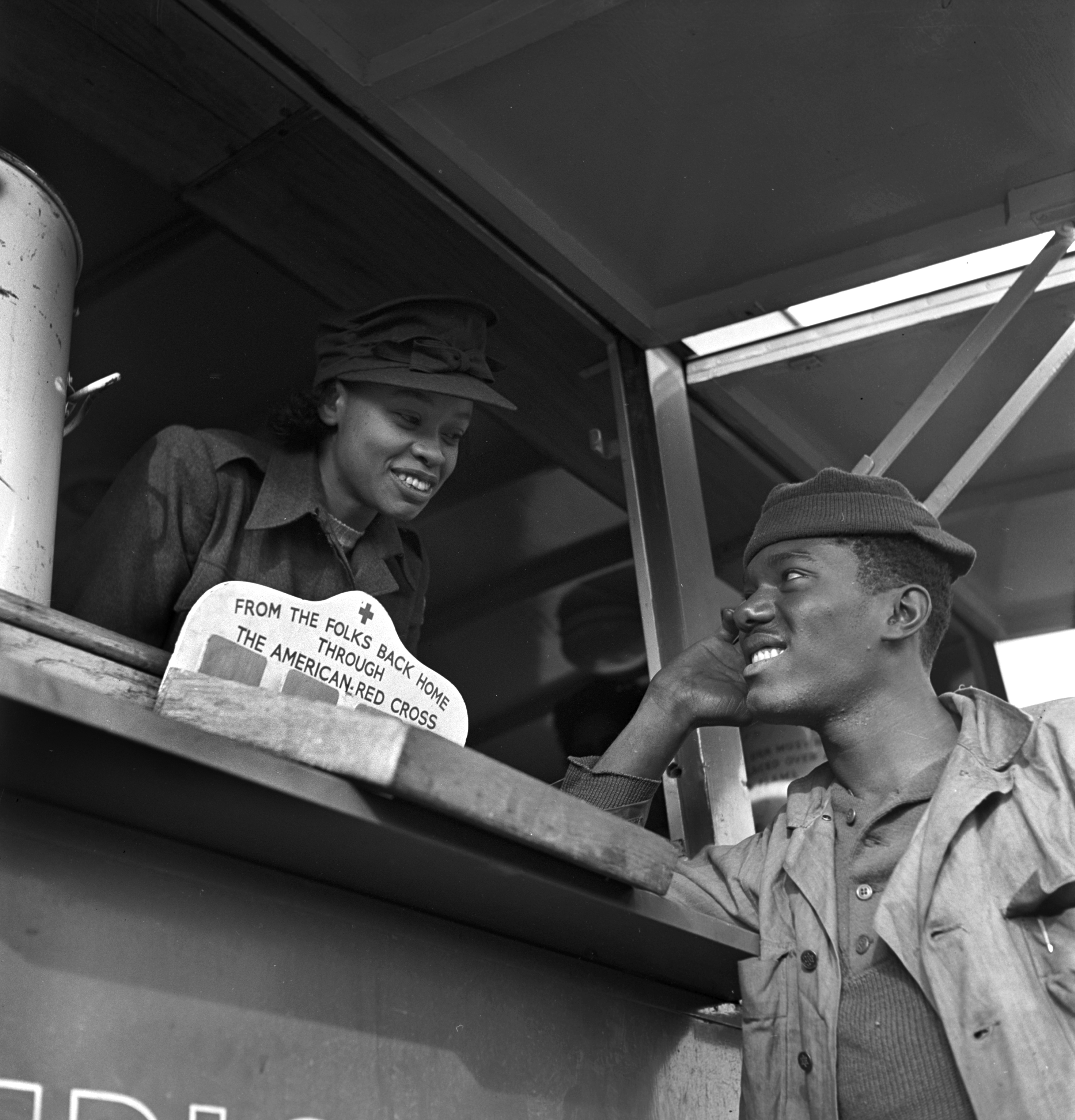
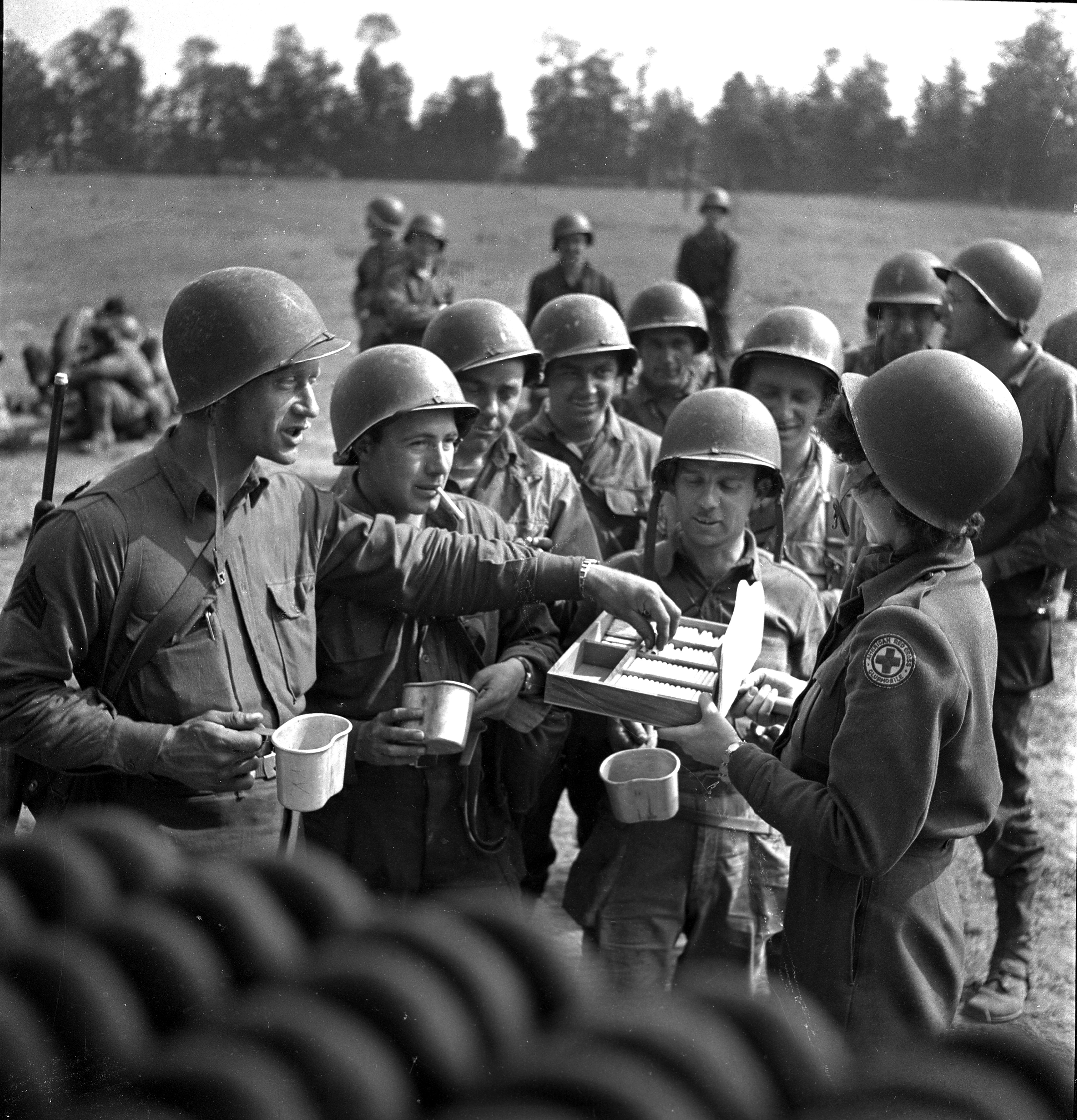
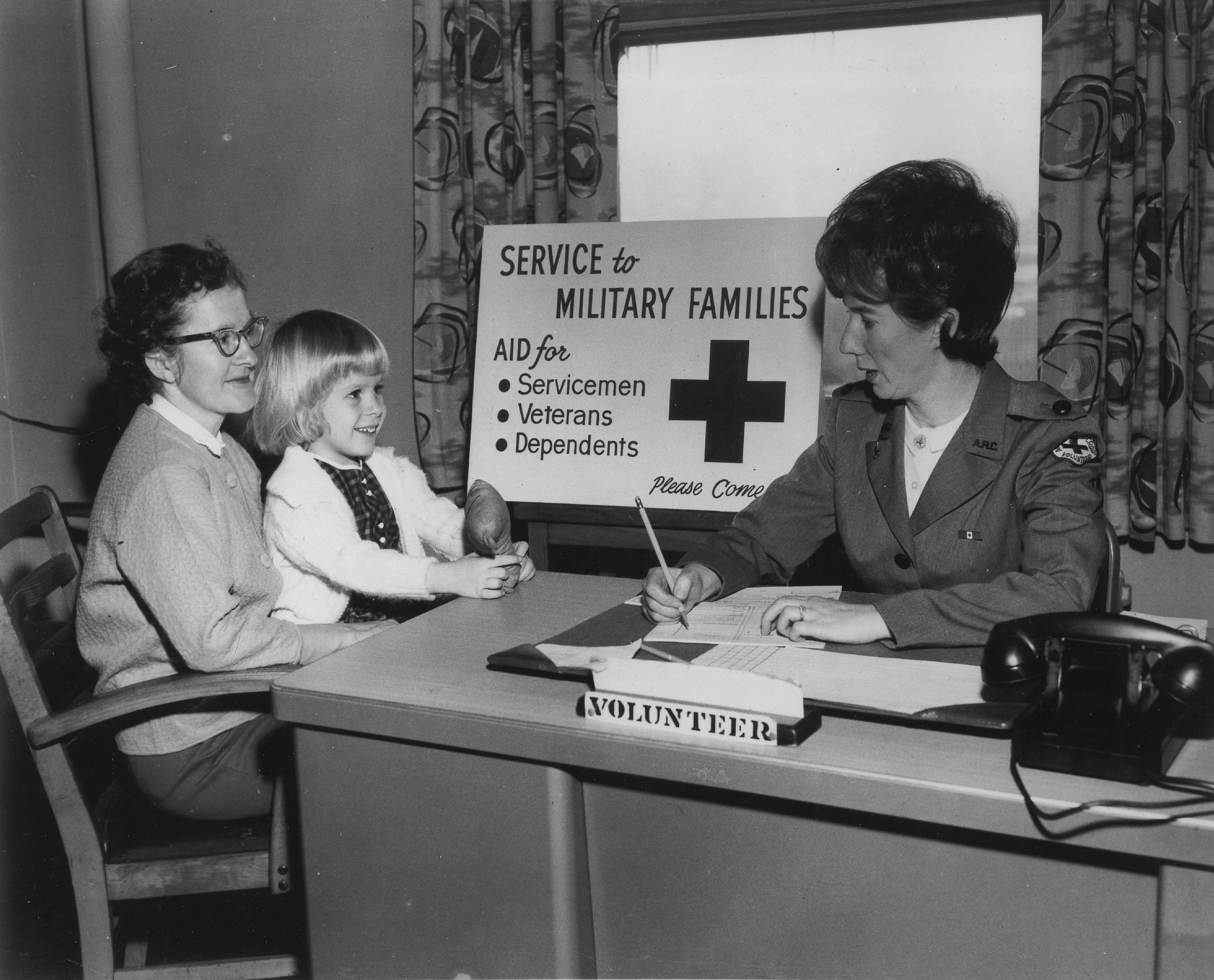
The commitment to the military also continued in new ways. What began with Barton caring for wounded soldiers now lives on through Service to the Armed Forces, which connects military members and their families with emergency communication and support during times of need.
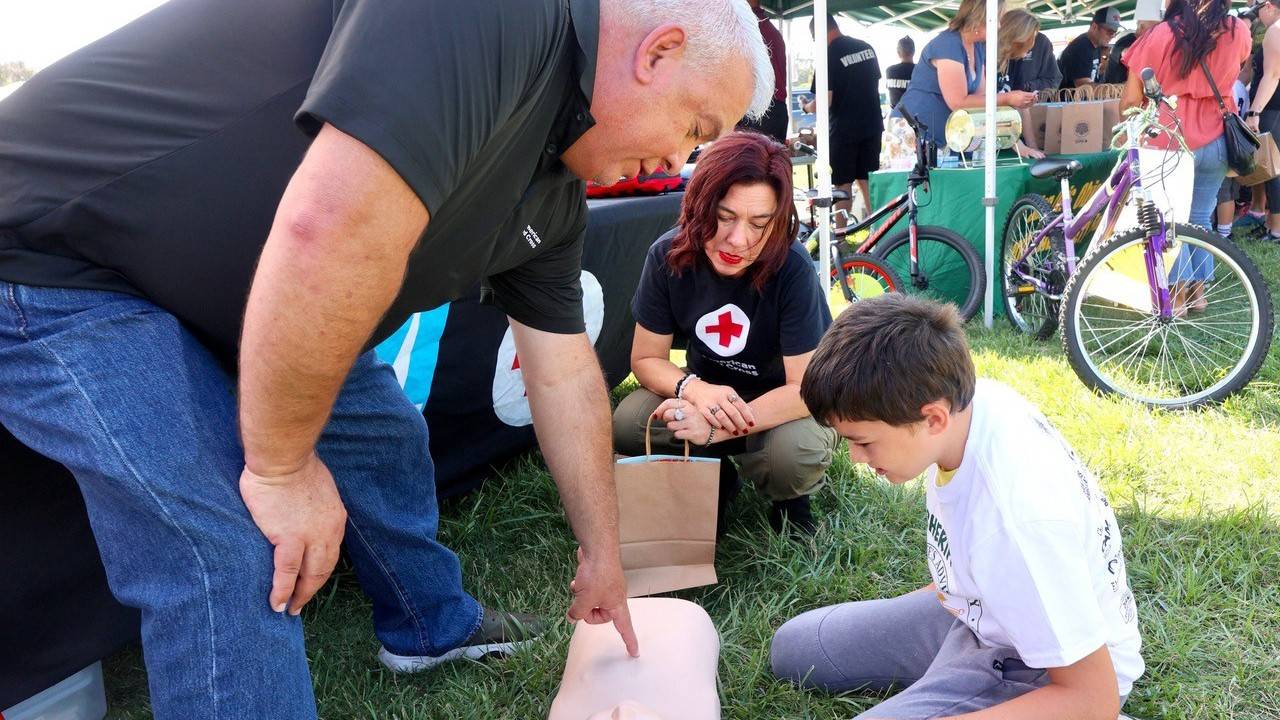
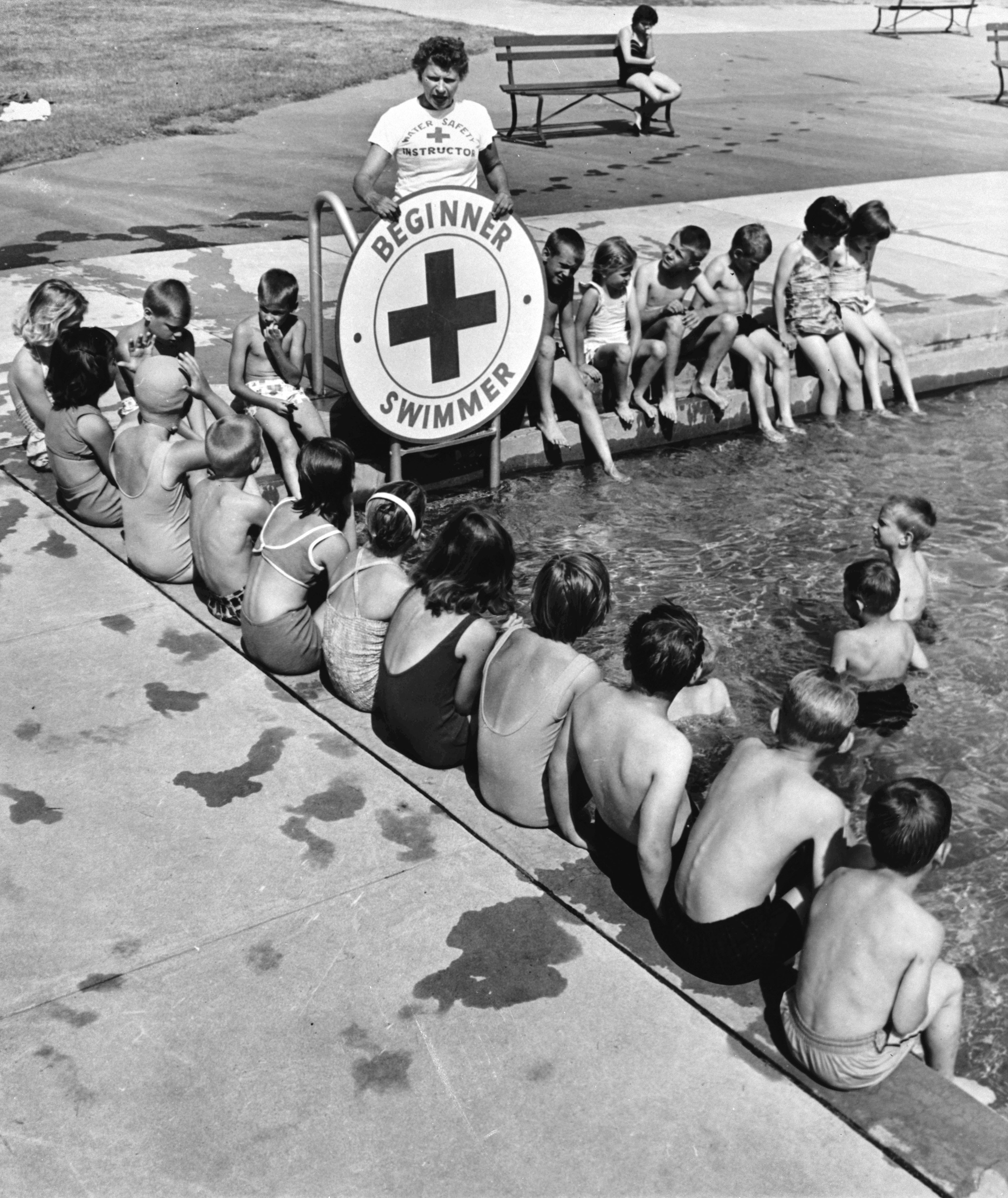
At the same time, the Red Cross broadened its role in communities across the country. No longer focused solely on responding after disasters, the organization became a leader in preparedness and education. Through first aid, CPR and AED training, lifeguarding certification and emergency preparedness programs, the Red Cross helps people build the skills and confidence to act in moments that matter.
Technology has further transformed this work. From digital mapping tools that track disasters in real time to mobile apps that provide emergency alerts and preparedness guidance, the Red Cross has adapted to meet the changing needs of the communities it serves. These tools help ensure faster, more efficient responses and greater reach than ever before.
Yet even as the organization has grown and modernized, its mission has become more inclusive. The American Red Cross continues to strengthen its commitment to serving all people by focusing on accessibility, cultural awareness and equitable care. This evolution reflects a deeper understanding of community needs and a dedication to meeting them with compassion and respect.
The Red Cross also remains connected to a global humanitarian network. As part of the international Red Cross and Red Crescent movement, it partners with organizations around the world to respond to disasters, support recovery and strengthen resilience in communities facing crises both locally and globally.
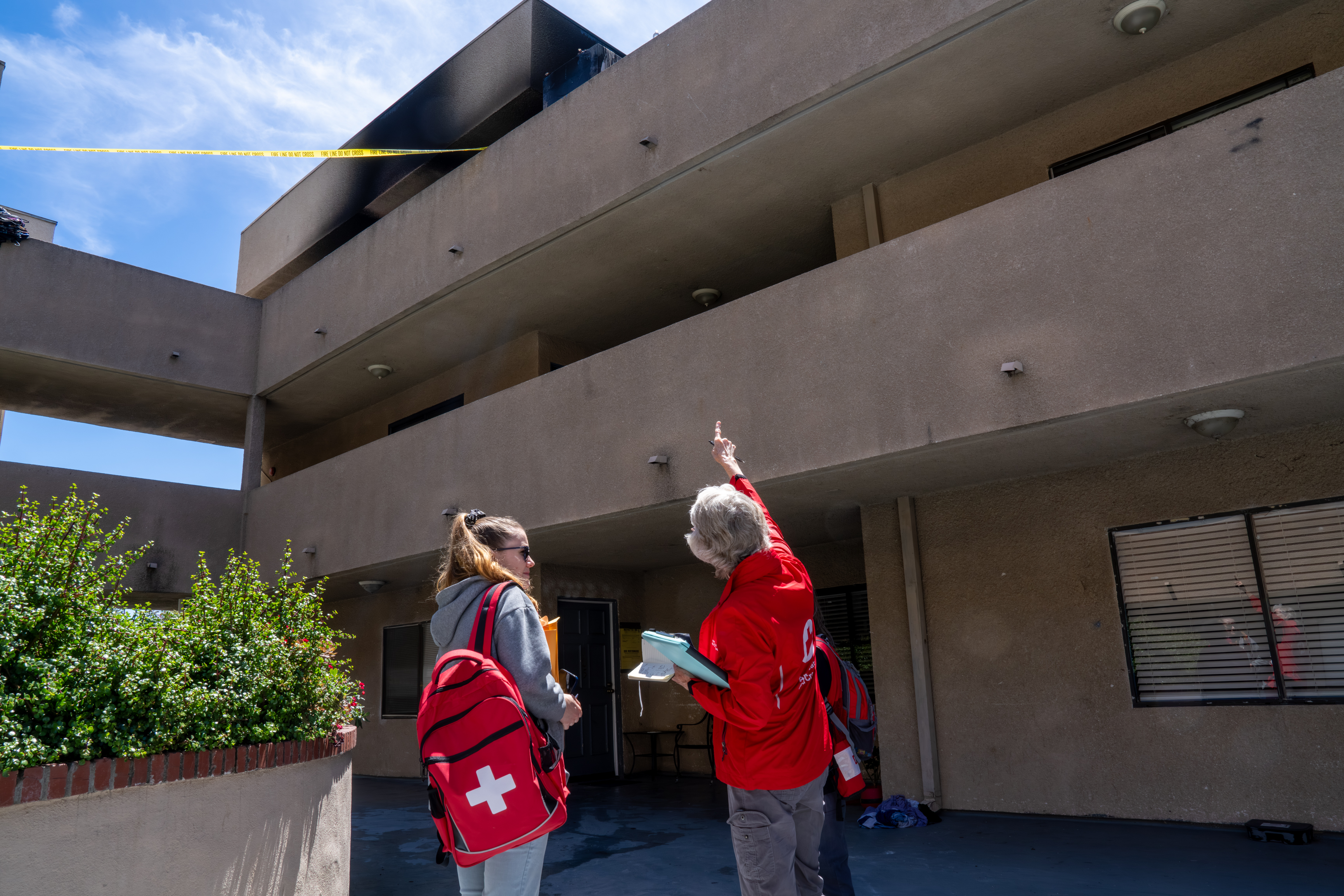
Pacoima, California, April 23, 2026 — American Red Cross disaster response volunteers from the Los Angeles Region assisted residents after a multifamily home fire displaced 10 adults and four children, along with their pets, including birds and lizards. One upper unit was destroyed, while units below sustained water damage from firefighting efforts. Pictured: Volunteer Ann Baltz (right) consults with fellow responder Tatiana Mesiura (left). (Photo by Mimi Teller/American Red Cross).
Today, the American Red Cross responds to tens of thousands of disasters each year—most often home fires, which occur every day in communities across the country. Whether opening shelters after hurricanes, supporting families after wildfires or helping a single household recover from a fire, the mission remains rooted in meeting people where they are and providing care when it matters most.
Through every change, one constant endures: the guiding principle Clara Barton lived by—to never think of anything except the need and how to meet it.
What began in 1881 with a small group of dedicated volunteers has become a nationwide force for good, built on compassion, commitment and community. As the American Red Cross marks 145 years of service, it stands as a powerful reminder that one person’s determination can inspire generations, and that the simple act of helping others can change the course of countless lives.
About the American Red Cross:
The American Red Cross shelters, feeds and provides comfort to victims of disasters; supplies about 40% of the nation’s blood; teaches skills that save lives; distributes international humanitarian aid; and supports veterans, military members and their families. The Red Cross is a nonprofit organization that depends on volunteers and the generosity of the American public to deliver its mission. For more information, please visit redcross.org or CruzRojaAmericana.org, or follow us on social media.
Support all the urgent humanitarian needs of the American Red Cross.
Find a drive and schedule a blood donation appointment today.
Your time and talent can make a real difference in people’s lives. Discover the role that's right for you and join us today!