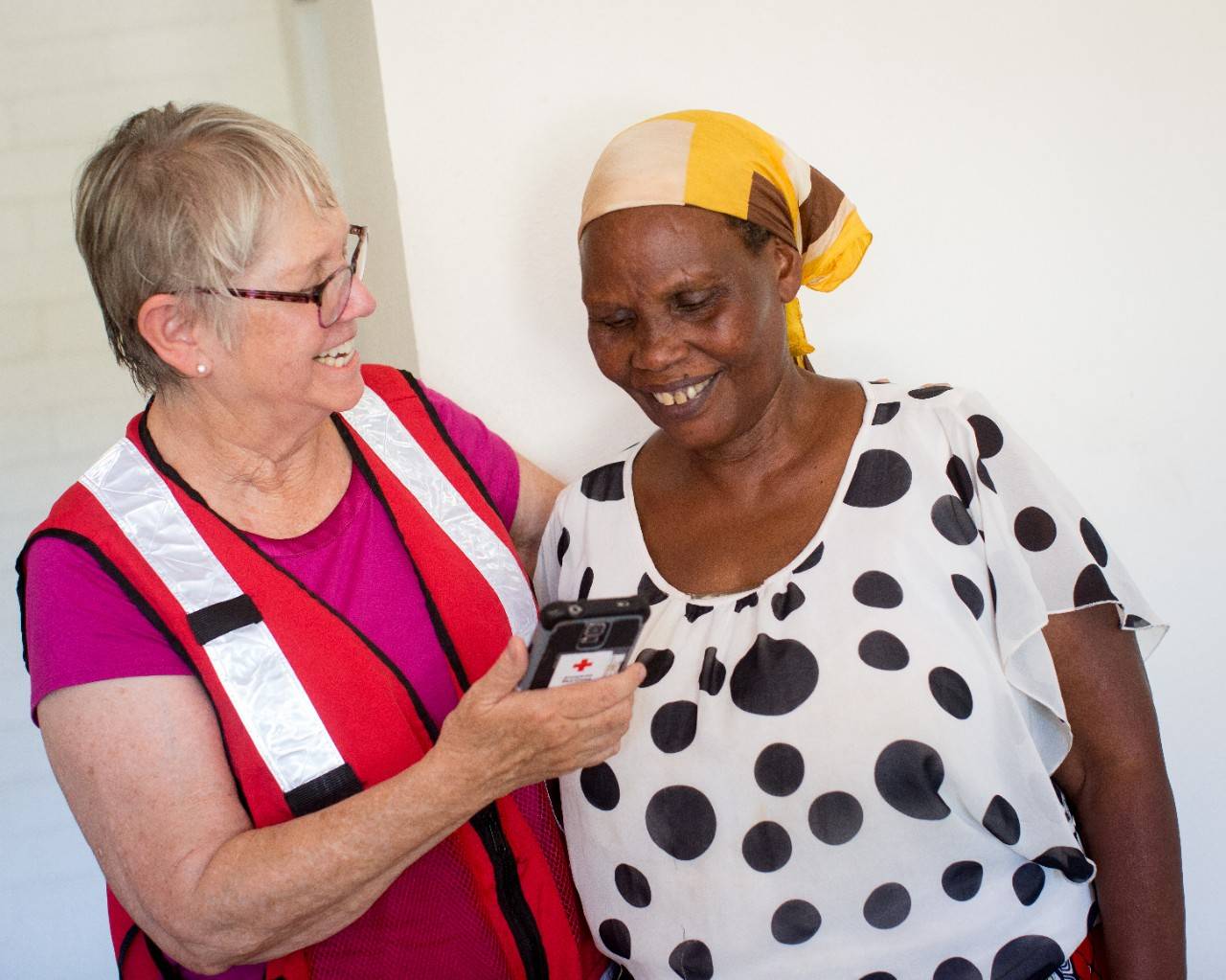
American Red Crosser Elissa Maish uses a Red Cross-sponsored phone to call Lydia’s daughter Odette.
Lydia spent months wondering if her daughter Odette was alive. Conflict in the Democratic Republic of Congo forced Lydia to seek asylum in the U.S., leaving her far away from her family and with a heavy heart. With the help of the Red Cross, Lydia located her daughter and sent her a message through the Restoring Family Links (RFL) program.
Photo by Michelle Frankfurter/American Red Cross
By Debbie Barto, Northwest Region
Families are often separated in the turmoil of violent conflict, natural disasters or other humanitarian crises, with neither side knowing where the other has ended up. The emotional distress and uncertainty caused by that separation can be devastating. RFL is a Red Cross service that helps reconnect loved ones and can make a significant difference in the lives of people affected by tragedy, many of whom are left vulnerable and with limited resources.
RFL is resolving the fate of missing persons worldwide through no-cost, confidential services accessible to vulnerable populations without structured communication.
Even before founding the American Red Cross, Clara Barton was working to reconnect war-torn families, caring for wounded Civil War soldiers and helping them write letters to anxious loved ones. Barton addressed requests from across the country regardless of which side they came from. She ultimately opened a missing soldiers’ office that reunited more than 20,000 military members and families.
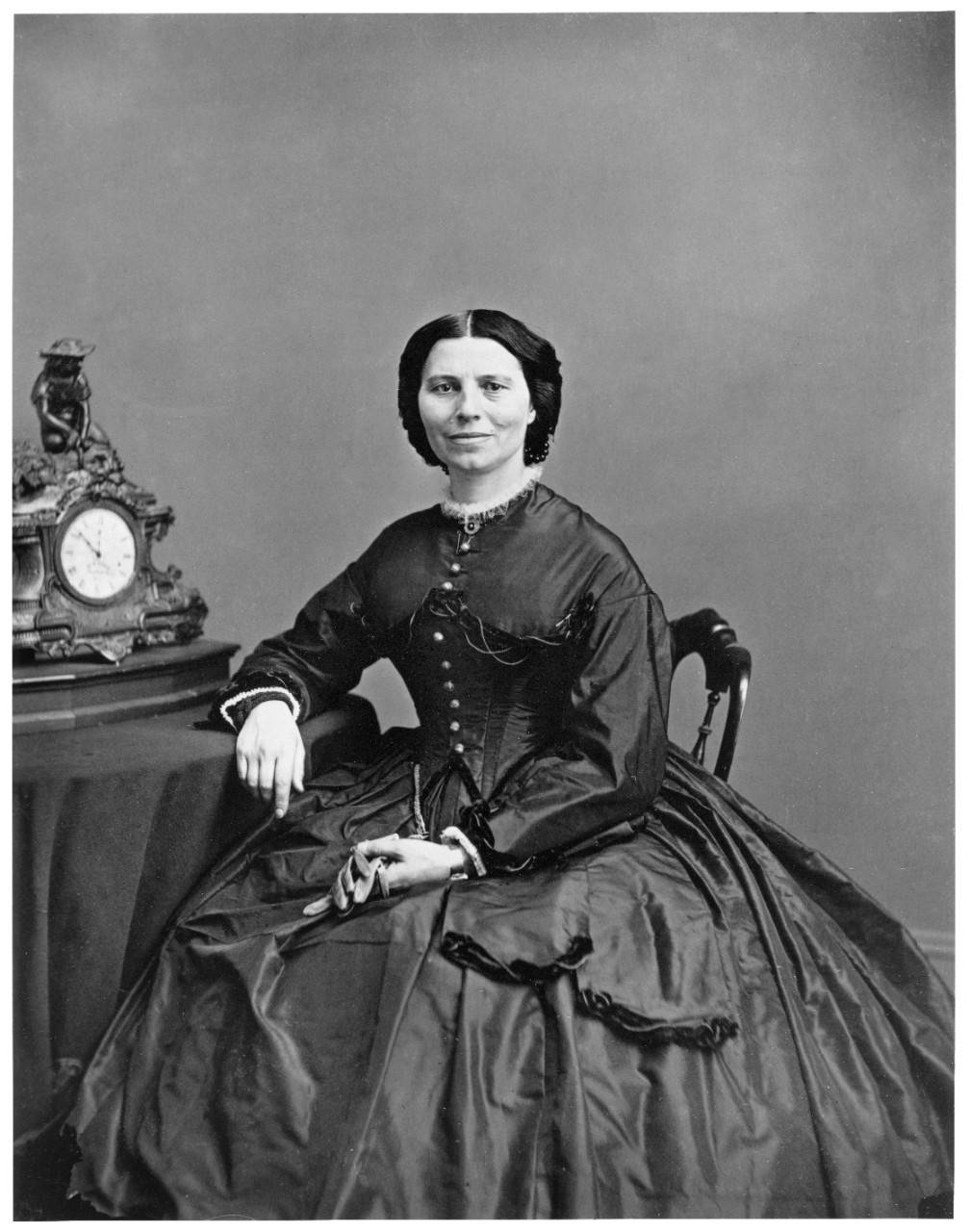
Circa1865. Matthew Brady portrait of Clara Barton.
Barton later learned of the International Committee of the Red Cross (ICRC) and its RFL program, which was implemented in 1870 during the Franco-Prussian War. The program’s humanitarian mission, its commitment to neutrality under the Geneva Conventions and its ability to reconnect families inspired Barton to establish the American Red Cross and launch a corresponding RFL program in 1881.
The American Red Cross is one of nearly 200 national Red Cross and Red Crescent societies that work with the ICRC and the Central Tracing Agency to locate missing persons within their respective regions. Today, Restoring Family Links continues across the United States, including in the U.S. Northwest Region, where the program is led by Red Cross volunteer Burke Nelson.
Nelson has long been committed to serving nonprofits. He was inspired to join RFL after volunteering at a local food bank, where he saw the large number of immigrants and refugees seeking food and other support. He began his work with RFL in January 2025 and became the U.S. Northwest regional lead seven months later.
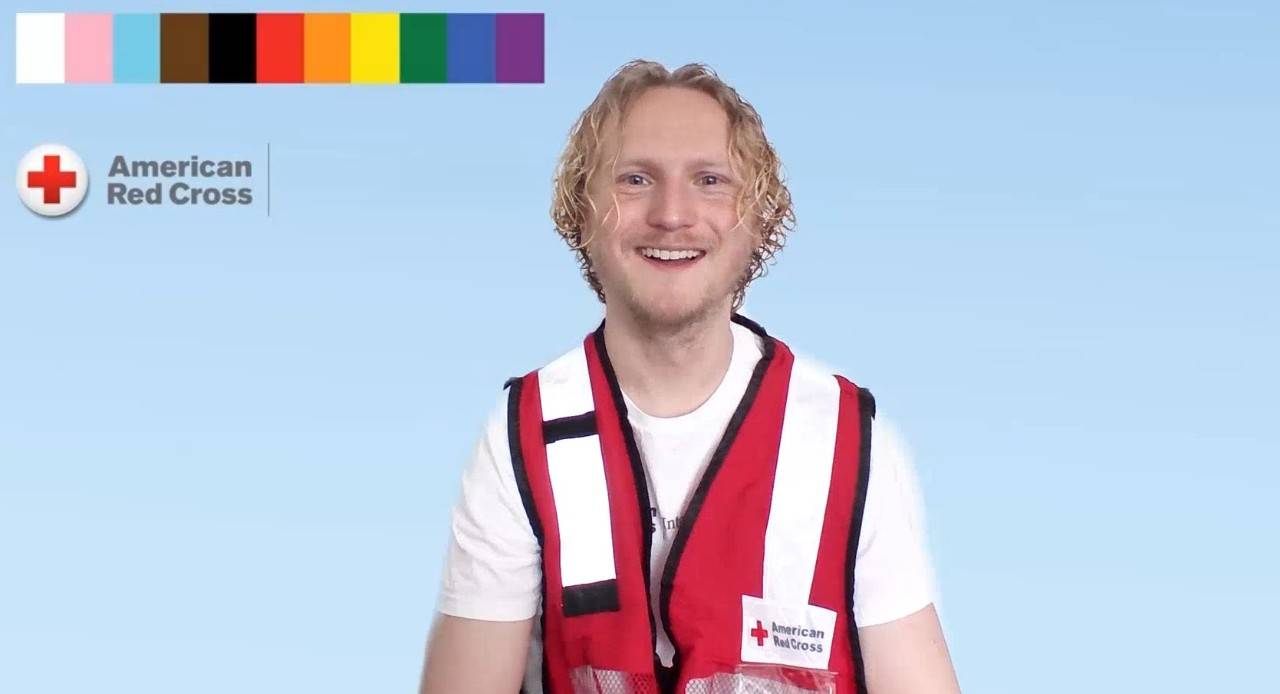
Northwest Region Restoring Family Links Lead Volunteer, Burke Nelson.
According to Red Cross statistics, in 2025 alone, the American RFL program helped reconnect more than 7,000 families. Nelson said the actual number may even be higher, as some people stop communicating with RFL before their cases are officially closed.
The RFL program operates in accordance with the fundamental principles of the global Red Cross network: impartiality, neutrality, independence and voluntary service. Assisting people regardless of nationality, race, religion, class, gender identity or political opinion, RFL refrains from political, racial, religious or ideological controversies. National societies such as the American Red Cross and its RFL program maintain independence to ensure their capacity to assist even when diplomatic relations are strained.
Nelson affirmed that, no matter what the political climate is, “When Red Cross volunteers are wearing and representing the Red Cross, we must stay neutral.” To account for cultural differences in interpretation, the Red Cross defines the term “family” broadly. In general, RFL will search for any loved one if contact was lost because of a humanitarian crisis.
The program also coordinates internationally to trace family members whose whereabouts are unknown and facilitates communication when a person’s location is known. However, standard means of contact are unavailable, such as during wartime detention.
Since Nelson joined RFL, thousands of successful reunions have taken place. “The majority of the time, we have been able to fully reconnect family members, which is always really gratifying,” Nelson said. He added that in some cases, the family member being sought has died, but RFL can still provide a sense of closure, such as locating a gravesite so loved ones can visit if they choose.
Nelson was inspired by a case from a few years ago involving a person who had fled their village as a child after it was attacked. Although they did not know the exact towns and settlements they had passed through, they remembered arriving at a specific church to seek help. RFL affiliates identified the church’s location and spoke with the priest, who knew about the child and helped reconnect the family.
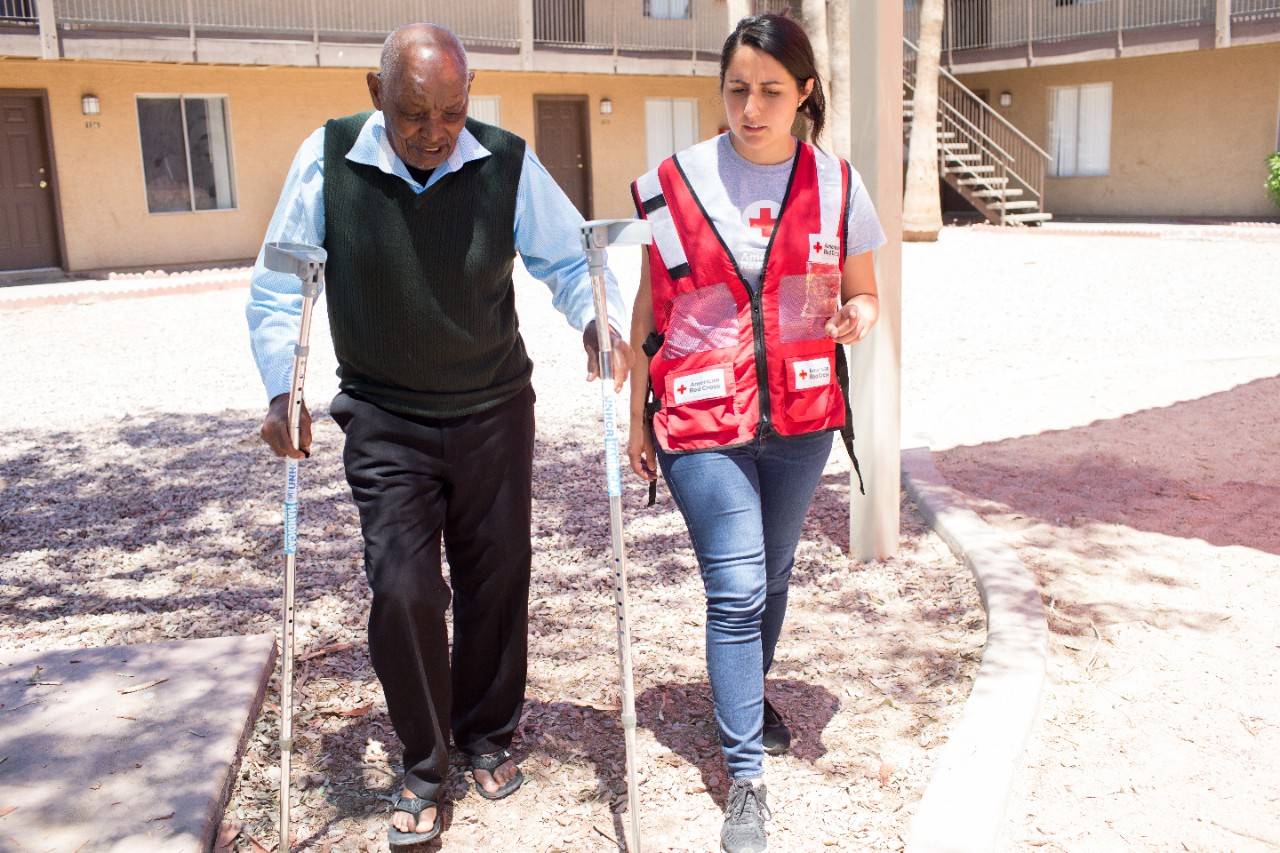
June 12, 2018. Phoenix, Arizona. American Red Cross’s Restoring Family Links (RFL) program helps reconnect family members separated internationally by disasters, war, conflict, migration, and other crises. The services are free and confidential.
American Red Crosser Stephanie Rendon and Manasse talk about the son he reconnected with through the Restoring Family Links (RFL) program.
Photo by Michelle Frankfurter/American Red Cross
In addition to locating missing family members, RFL can also help obtain documentation needed for travel. Nelson revealed that there is a current case in which a signed, notarized document is required from a person’s home country and his team has helped secure that paperwork. RFL also works closely with other Red Cross divisions to support displaced families by referring them to the Disaster Cycle Services team, helping ease the burden of poverty and homelessness caused by crisis.
The Restoring Family Links program is a free service for anyone searching for a loved one separated during a catastrophe. It is accessible to people living in poverty and those without formal means of communication, helping bring an end to years of searching and the agony of uncertainty.
While Nelson is aware of some upcoming restructuring, he hopes that “volunteers will continue this work, which, in my opinion, is too important and too involved for just a few employees to work on.” He added, “Currently, we have 14 volunteers in the northwest, making us one of the largest RFL areas in the country and that just shows how much work goes into helping families reconnect.”
Support all the urgent humanitarian needs of the American Red Cross.
Find a drive and schedule a blood donation appointment today.
Your time and talent can make a real difference in people’s lives. Discover the role that's right for you and join us today!