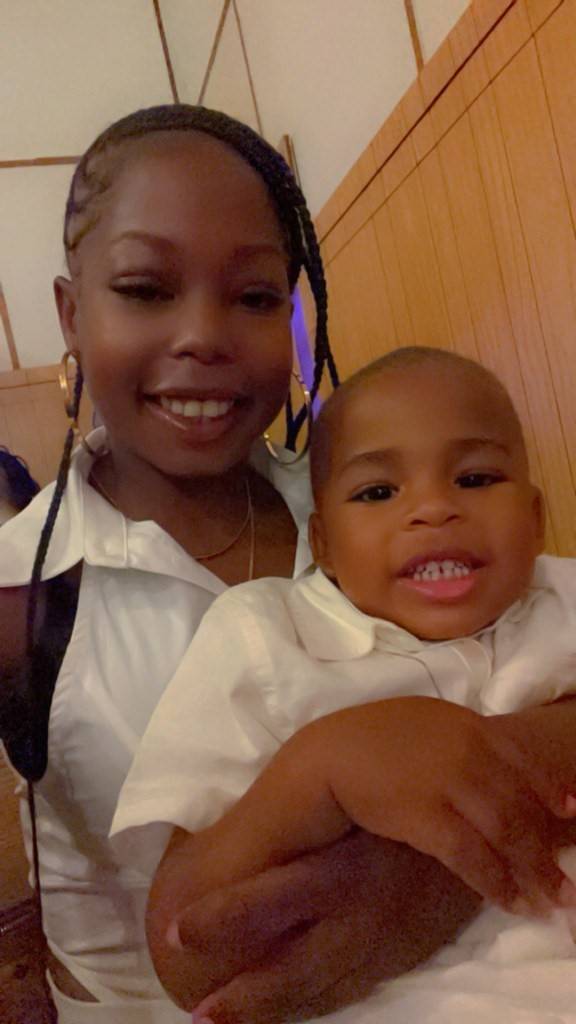
Calvanay Nunley is proud to call herself a mother and a sickle cell patient advocate
“I have really depended on blood transfusions my whole life,” says Calvanay Nunley. “If we didn’t have donors, I don’t know where I would be.”
Calvanay has relied on donors since she began receiving blood transfusions at the age of five. Blood transfusions are an important part of her treatment for sickle cell disease, the most common genetic blood disorder in the U.S. Sickle cell disease distorts soft and round red blood cells and turns them hard and crescent shaped. As a result, blood has difficulty flowing smoothly and carrying oxygen to the rest of the body, which may lead to severe pain, tissue and organ damage, anemia, and even strokes.
Without regular red blood cell exchanges every three weeks – known as apheresis – Calvanay might not be able to call herself a mother, nurse, children’s camp director, non-profit founder and sickle cell patient advocate. “I wear many hats,” she says.
One of those hats is her role working as a certified nursing assistant in Oakland, Calif. For the past 13 years, she has performed patient care in a hospital setting, like taking vitals, bathing, changing diapers, and ensuring patients eat.
“I am in the health care field because I love helping people,” she says. Whether she is bringing a patient some ice or listening to their concerns, she knows what it’s like to be the person in the hospital bed. She knows just how important patient advocacy is.
“I see both sides of it,” she says of having been hospitalized many times herself and now working in the field. “I know we need more strong advocates for sickle cell so we can get the quality care we need.”
She believes so strongly in advocacy that she is ensuring young people know how to “take charge of their health” through her volunteer role as director for a camp in Livermore, Calif., for kids with sickle cell disease. She also founded a non-profit called, “The Pull Up” that provides peer support to teens with sickle cell.
“A lot of people who come to The Pull Up say, ‘I’ve never met anyone with sickle cell the same age as me,’” says Calvanay, whose organization is a support group and resource hub. Feeling isolated is common among children with sickle cell because they can miss so much school due to illness. In addition, they have different childhood experiences than their healthier peers.
For example, Calvanay had three strokes, two brain surgeries and eight other operations while growing up. And it was a massive stroke at age 20 that temporarily derailed her plans to attend university.
“I had everything working against me, but I overcame it,” she says proudly as she recounts how she went on to complete her degree and then become a licensed vocational nurse.
During this September’s National Sickle Cell Awareness Month, the American Red Cross is urging eligible donors, particularly those of African descent, to donate blood to ensure a stable and diverse blood supply for these patients.
“I would like to see more African American donors,” says Calvanay. Blood donors who are Black are almost three times more likely to be a match for a patient battling sickle cell disease, which will improve compatibility with the blood and lessen the chance of complications from a transfusion.
Calvanay is grateful to donors whose gift of blood allows her to wear so many hats.
“They have definitely saved my life multiple times,” she says. “I can’t thank them enough.”
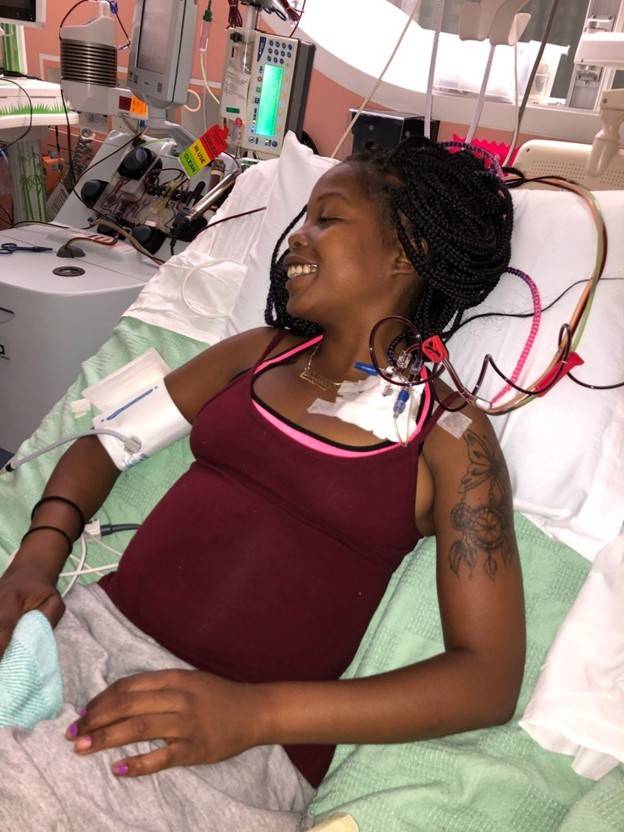
Calvanay Nunley receives donated blood during a red blood cell exchange treatment
Support all the urgent humanitarian needs of the American Red Cross.
Find a drive and schedule a blood donation appointment today.
Your time and talent can make a real difference in people’s lives. Discover the role that's right for you and join us today!