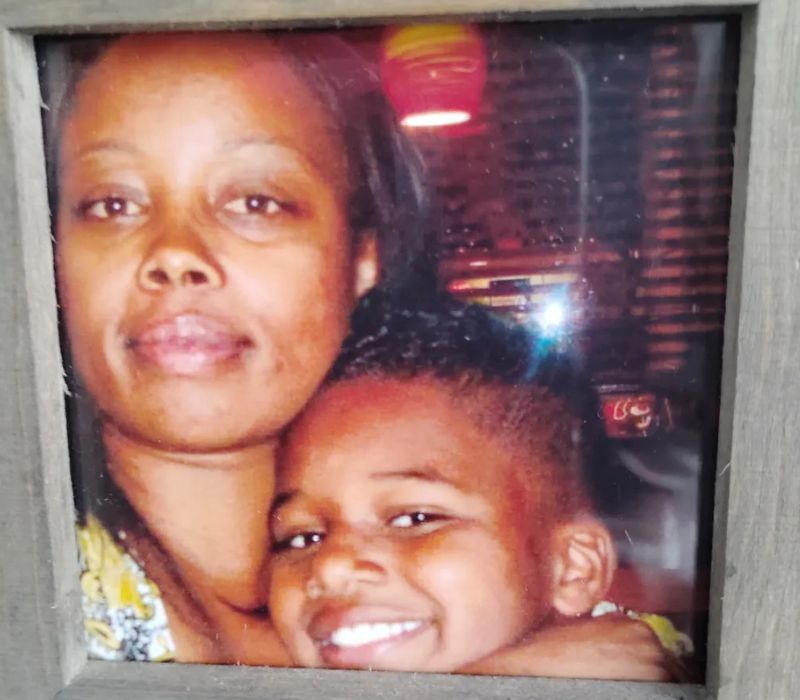
Latrese Fowler with her son Cameron when he was young
By: Alex Keilty
When Latrese Fowler found out her newborn son didn’t inherit sickle cell disease, she was so overjoyed that she had a celebration. “We had a party when we found out he doesn’t have sickle cell. We went to Las Vegas!” she remembers.
Twenty-six years later, Latrese is mom to grownup Cameron, and you can hear the pride in her voice as she describes his job as a utility locator. She is grateful her son was spared a lifetime of pain and hundreds of hospital visits treating sickle cell disease and its complications. It’s an experience she knows about firsthand.
Latrese herself was diagnosed with sickle cell as a baby. Her mother noticed she had discolored eyes and yellowing skin and was in distress all the time. She says, “My mom said I wouldn’t stop crying.”
Since then, Latrese has had hundreds of hospitalizations – “it feels like thousands” – and countless blood transfusions to manage the disease.
In the past year alone, she has been hospitalized 10 or 12 times, she says. A sickle cell crisis, as it’s called, starts with pain – an achy, throbbing kind of pain in the arms, legs and joints that radiates throughout her body. And then comes unrelenting nausea.
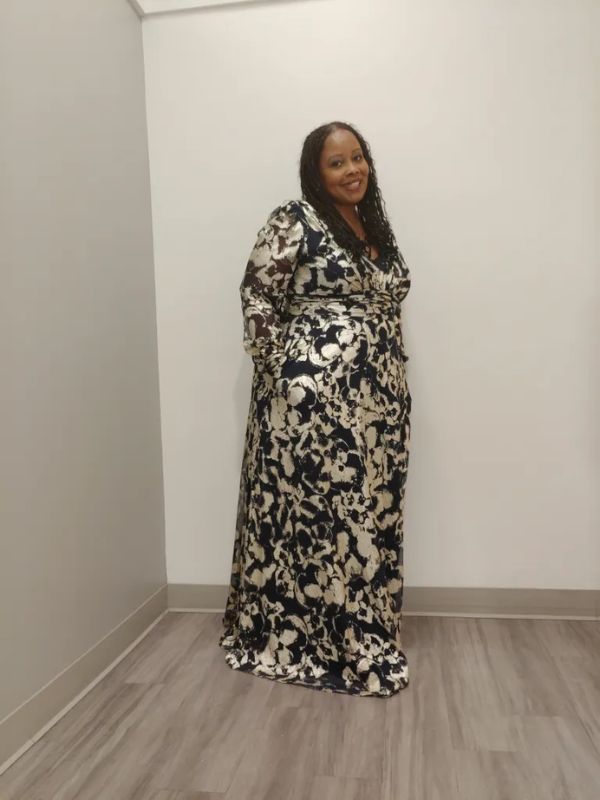
Latrese relies on blood donors who provide her lifesaving transfusions
“I just become so sick, I can’t stop vomiting at times,” she says.
Sickle cell disease is the most common genetic blood disorder in the U.S., and regular blood transfusions are critical to manage extreme pain and life-threatening complications. The disease distorts soft and round red blood cells and turns them hard and crescent shaped. As a result, blood has difficulty flowing smoothly and carrying oxygen to the rest of the body, which may lead to severe pain, tissue and organ damage, anemia and even strokes.
Latrese’s most recent hospital stay lasted three weeks. “I felt like I was going to die in there,” she says. It took two transfusions, plus a blood cell exchange, to get her back to normal.

“I can overcome any obstacle, because I don’t let pain or sadness stop me,” Latrese says
The American Red Cross partners with hospitals to provide therapeutic apheresis, including red blood cell exchange, for patients. This process involves removing sickled red blood cells from the patient’s body and replacing them with healthy red blood cells that were donated by someone else. One in three African American blood donors is a match for people with sickle cell disease. Closely matched blood is critical for ensuring that patients don’t develop an immune response from donated blood that is not compatible with theirs.
Apheresis treatment is new for Latrese and gives her hope that she could one day return to her career as an administrative assistant in the finance industry.
“I can overcome any obstacle, because I don’t let pain or sadness stop me,” she says.
Latrese, who lives in Oakland, Calif. is grateful for the blood transfusions that revive her.
“It just brings you back to life, a normal life,” she says. “It allows me to do anything I want. I like to shop, clean my home, get my nails done, my hair done, and spend time with my 26-year-old. It allows me to go to family functions.”
Latrese relies on blood donors who provide her lifesaving transfusions. Without blood donors, like those who donate through the Red Cross, Latrese would be bedridden, or worse. She says, “It means so much to me; it almost makes me want to cry real tears. I thank God for the Red Cross.”
Support all the urgent humanitarian needs of the American Red Cross.
Find a drive and schedule a blood donation appointment today.
Your time and talent can make a real difference in people’s lives. Discover the role that's right for you and join us today!