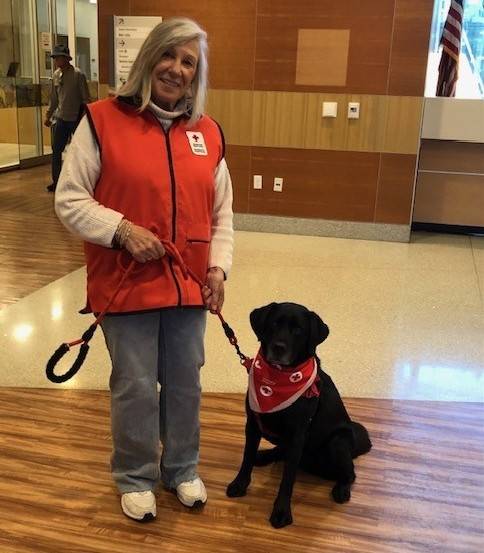
Each time a team of dogs and their handlers descends on the Major General William H. Gourley VA-DoD Outpatient Clinic in Marina, California, American Red Cross volunteer Penny Mount cannot help but feel a sense of satisfaction. She knows these dogs have a meaningful impact on patients, less than a year after their first visit as part of the first Red Cross’s Animal Visitation Program (AVP) in California’s Central Coast.
Penny started the AVP program in November 2024 at the request of her supervisor, Nikki Rowe. She had never built a similar program and “I knew nothing about therapy dogs,” says Penny. So, she reached out to local resources, including the Alliance of Therapy Dogs.
Penny sat, listened and learned as much about the therapy dogs as possible. She also followed the dogs and their handlers everywhere they went. These “teams volunteer at schools, in libraries. They are multi-talented teams,” Penny says.
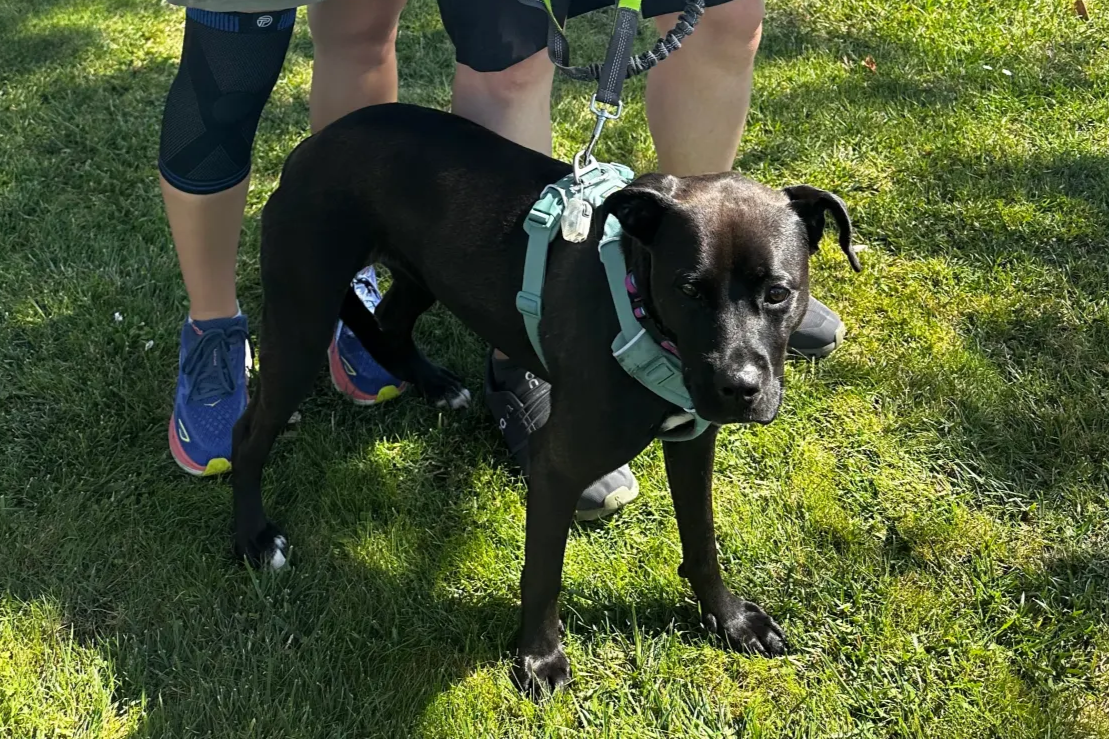
Eventually, Penny asked several of the handlers to bring their dogs to the Marina VA clinic. The first dog visit occurred at a staff event in November 2024. Today, the Red Cross has five canines and five handlers which visit the hospital once or twice a month.
Indeed, the dogs do have a critical job. Penny emphasizes “the dogs must stay at least 2 feet from each other at all times” since the dogs are there to work and not to play. They help vets manage the mental and physical scars from war. The dogs are so good at their jobs that many of the veterans have developed a deep, personal connection with them. “A lot of times, they are telling stories to the dogs. Vets tell the dogs their medical history and where they came from. They remember these dogs’ names well,” Penny explains.
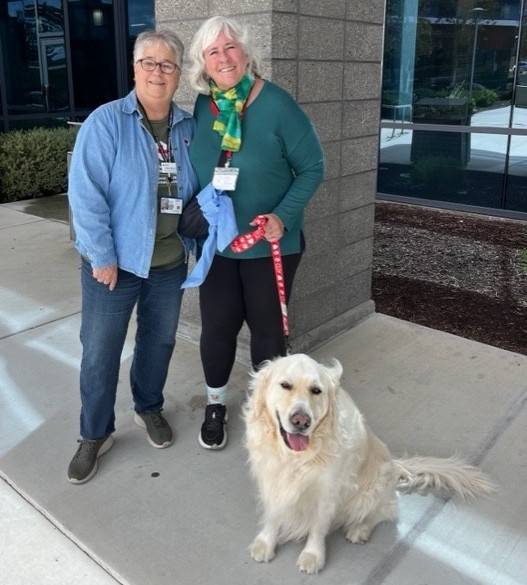
Sharon Bertoli, one of the Red Cross volunteer canine handlers on Penny’s team, agrees. “People light up when they see the pet therapy dog. People light up with a smile and it opens them up for conversation. They will come in for the dog. They may not remember the volunteer, but they always remember the dog.”
Based on the success of the AVP program to date, Penny wanted to build out the program further. Most recently, the canine teams meet and greet vets before their Parkinson’s Speech Therapy meetings.
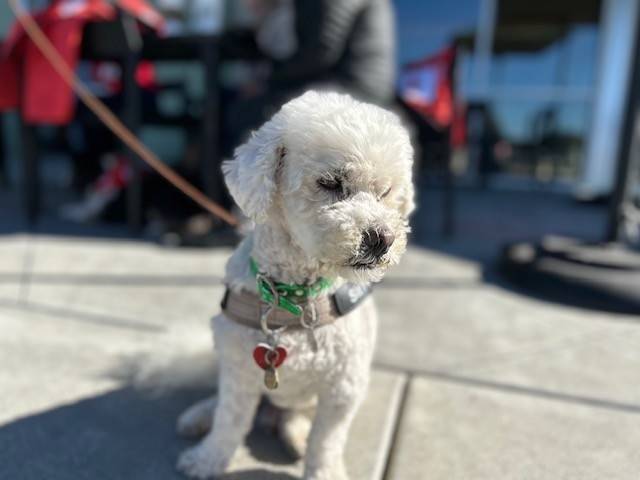
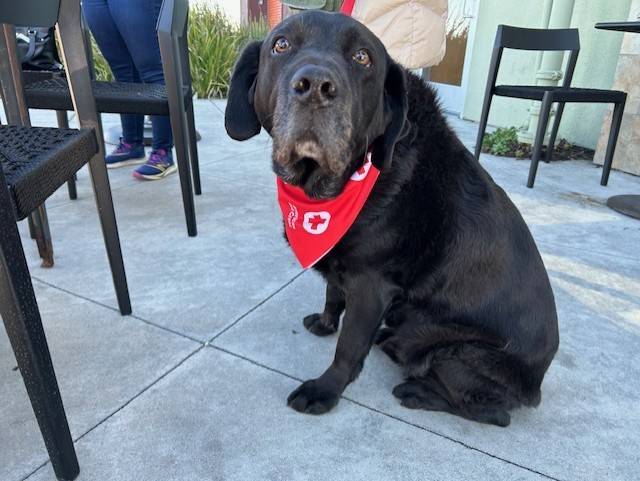
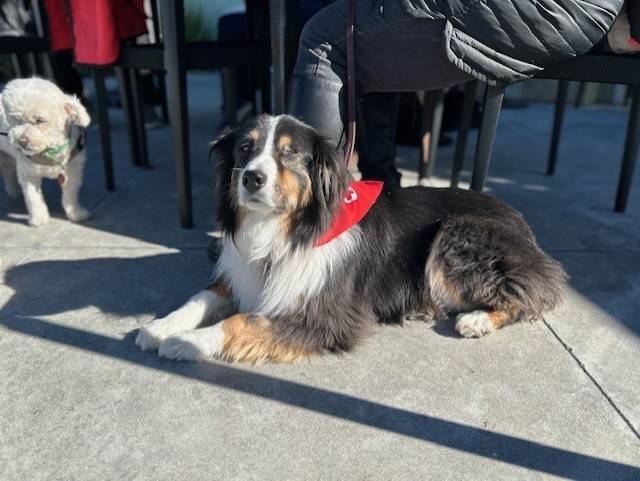
Penny’s supervisor, Nikki Rowe, also has important plans for the program. She wants to use the VA Marina program as a prototype to expand the AVP across the entire Palo Alto VA network. “This program has such an important impact on the veterans receiving care at the clinic. Penny has done a truly amazing job in getting this program off the ground,” Nikki says.
Notwithstanding this praise, Penny has stayed humble and readily deflects credit for her amazing work. Instead, she quickly attributes the success of the program to the canine teams. “I was incredibly lucky that the first three that came to the first event became volunteers. I’m overshadowed by wonderful teams. I feel very lucky they trust me,” she exclaims.
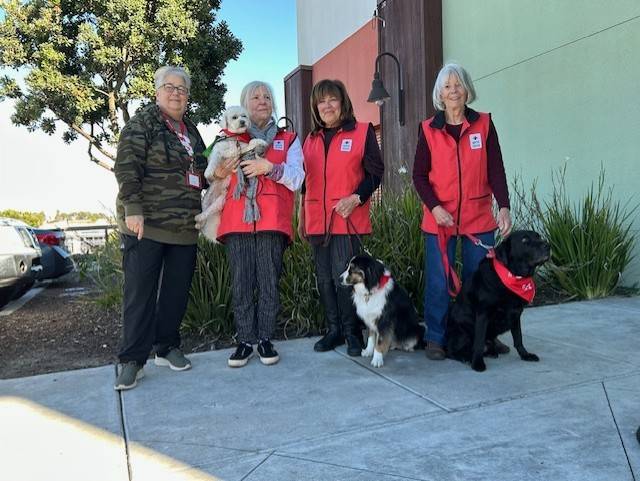
The Northern California Coastal Region is also lucky to have its first AVP thanks to Penny and the team of volunteer handlers. This program is part of the Red Cross commitment to supporting service members and their families, a tradition that goes back to the beginning of the Red Cross mission. And it is a mission that is close to Penny’s heart as she is the parent of a service member herself. She says, “The Red Cross is there when your family member ships off. And we are there when they come back.”
Support all the urgent humanitarian needs of the American Red Cross.
Find a drive and schedule a blood donation appointment today.
Your time and talent can make a real difference in people’s lives. Discover the role that's right for you and join us today!