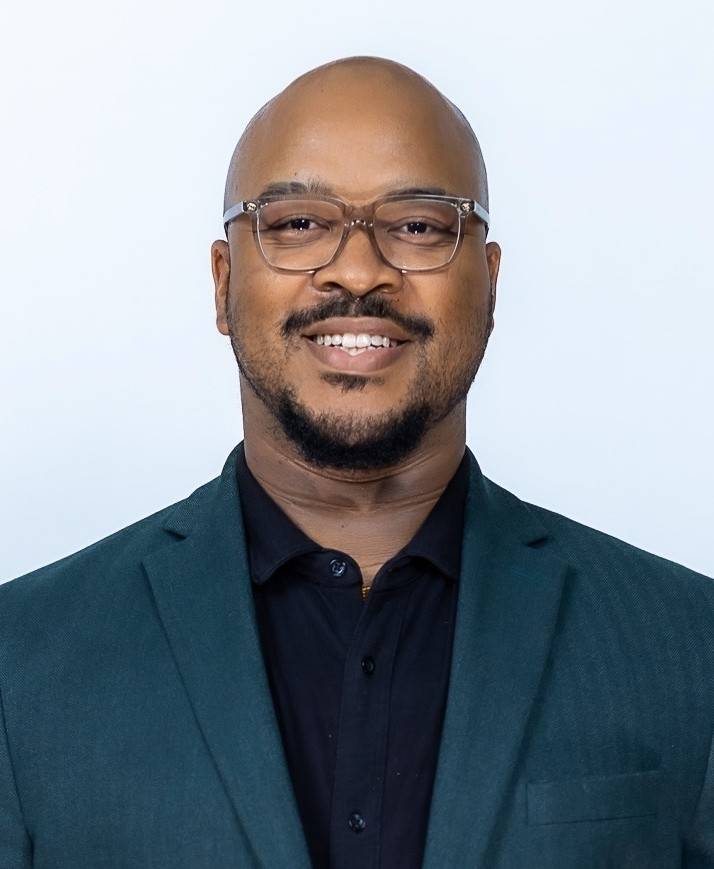
Noah relies on donated blood for his treatment.
By Alex Keilty
Modern, jazz, and contemporary dance — he loved doing them all on stage. He was a professional dancer who had performed in shows in Chicago, St. Louis, Atlanta, and D.C., until the pain became too much.
“Deep chronic pain in my femurs and spine and throughout my body. It wouldn’t go away,” remembers Noah James. He was just 25 years old when the doctors told him, “Your bones are decaying.”
Noah was no stranger to pain, as he had been wrestling with Sickle Cell Disease all his life. But this was different. “It felt like I was walking on glass,” he says.
He stopped dancing. He couldn’t work. He had to learn how to walk with a cane, and he came to depend on a caregiver for daily living. It was all a complication of Sickle Cell Disease, the most common genetic blood disorder in the U.S.
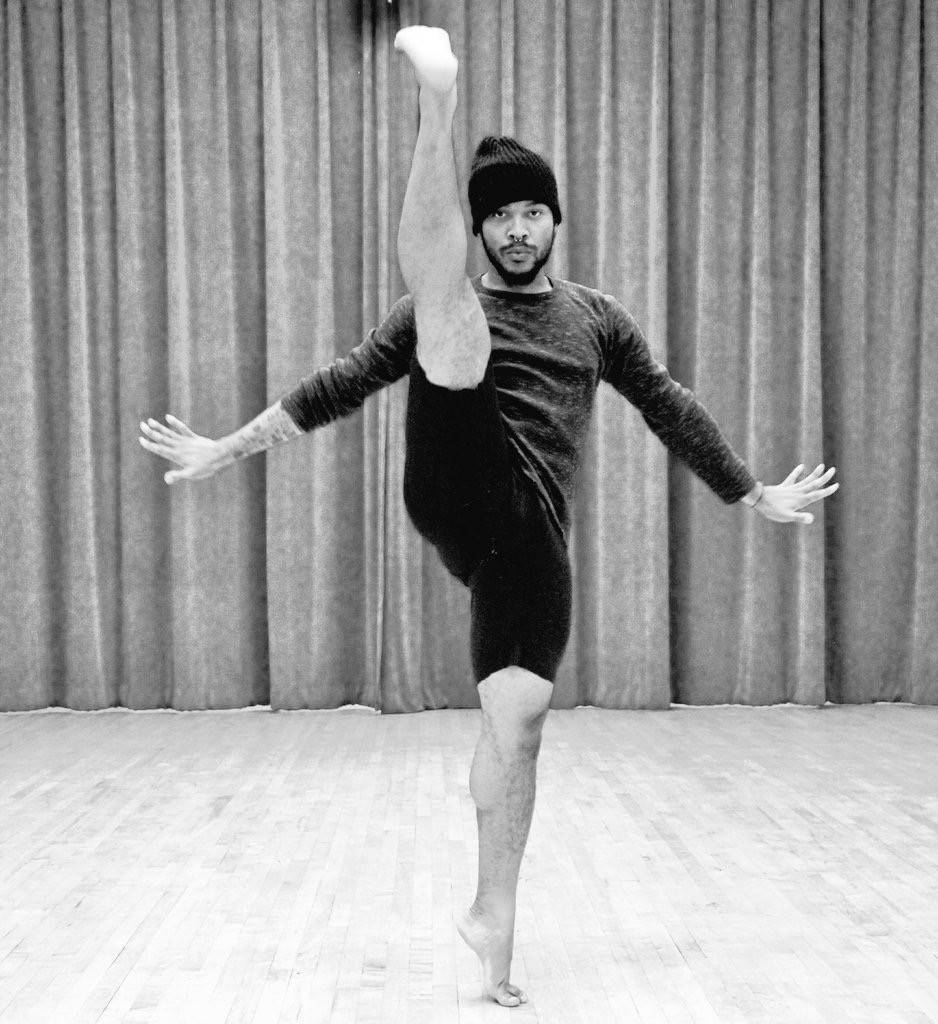
Noah was a professional dancer in his 20’s.
Sickle Cell Disease distorts soft and round red blood cells, turning them hard and crescent-shaped. As a result, blood has difficulty flowing smoothly and carrying oxygen to the rest of the body, which may lead to severe pain, tissue and organ damage, anemia, and even strokes. Bone-related issues are extremely common.
But this wasn’t the end of Noah’s story. Now, 10 years after the doctors delivered the devastating news about his bones, he is helping others with the same disease. He works as an Educational Liaison and Client Manager with Sickle Cell Anemia Awareness of San Francisco, connecting people to resources and opportunities, such as “better jobs, funding, scholarships,” Noah explains.
He also works as a Development Associate for the Shawl-Anderson Dance Center in Berkeley, Calif. It’s a dance school that fiscally sponsors Bay Area dance artists and companies. Noah is simultaneously finishing his B.A. degree in Philanthropy and Fundraising at Paul Quinn College.
While he used to make monthly visits to the hospital due to Sickle Cell crises, he hasn’t been hospitalized in almost a whole year. Noah credits this change to advocating for better healthcare for himself and trying to “sustain a life of health and wellness.”
Part of his current treatment involves going in once a month for apheresis, also known as red blood cell exchange, where healthy blood cells are provided by blood donors.
“Once the blood exchange finishes, I feel I have more energy and more life in my body. It almost feels like a recharge for me,” says Noah.
The American Red Cross provides blood for apheresis and transfusion treatments for Sickle Cell Disease by collecting donations from donors—especially those of African descent—who often have more compatible blood types. Since one in three African American blood donors is a match for people with Sickle Cell disease, the Red Cross is encouraging them to donate regularly, because closely matched blood is critical for preventing patients from developing immune responses to incompatible donors.
Noah is now back to dancing, taking one class each week. “At one point I couldn’t bend over, couldn’t stretch,” he says. But now, “It feels like a relief,” he says, to dance again.
Support all the urgent humanitarian needs of the American Red Cross.
Find a drive and schedule a blood donation appointment today.
Your time and talent can make a real difference in people’s lives. Discover the role that's right for you and join us today!