As America celebrates 100 years of Black history, the American Red Cross honors the dream-builders and culture shifters whose innovation, courage, and service continue to power our mission and inspire us to reimagine humanitarianism.
Since the organization's founding in 1881, African American changemakers have forged new paths in mission delivery, innovation and community care. From iconic to unsung Red Crossers, whose unwavering commitment revolutionized how we serve, we celebrate their remarkable stories and essential impact on society. Their legacy lives on in every life we touch, every community we serve, and every barrier we continue to break.
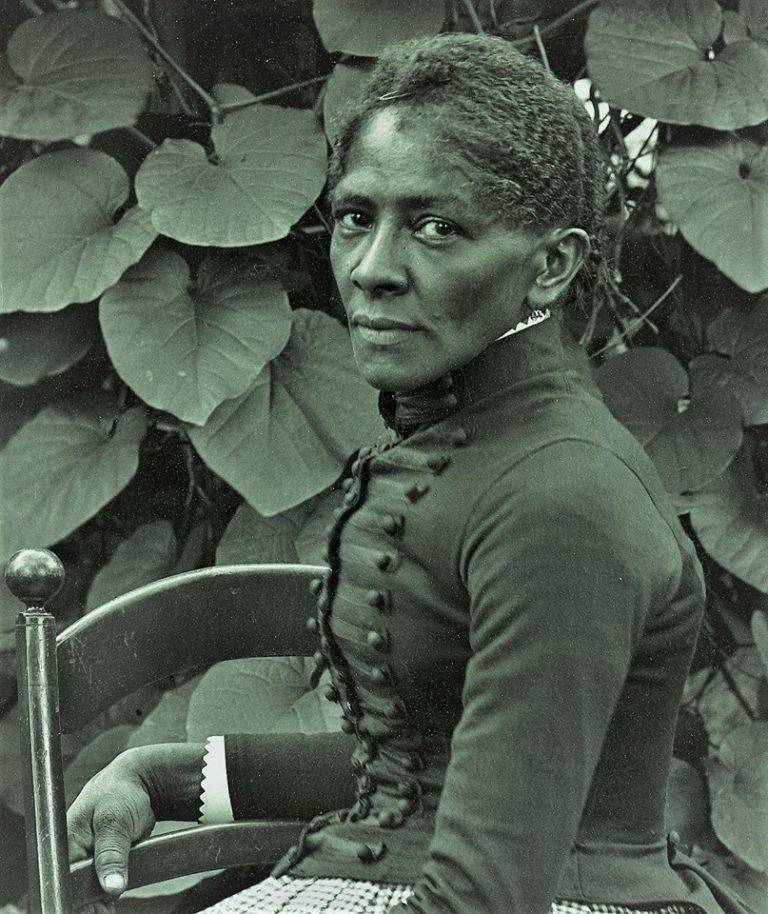
Susie King Taylor overcame enslavement to pioneer change as the first Black army nurse during the Civil War, and later as an educator and author. She served alongside future American Red Cross founder Clara Barton, caring for sick and wounded soldiers as a volunteer with the Union military. After the war, she opened schools for African Americans in Savannah and Midway, Georgia, and became the first Black woman to publish a memoir of her Civil War experiences.
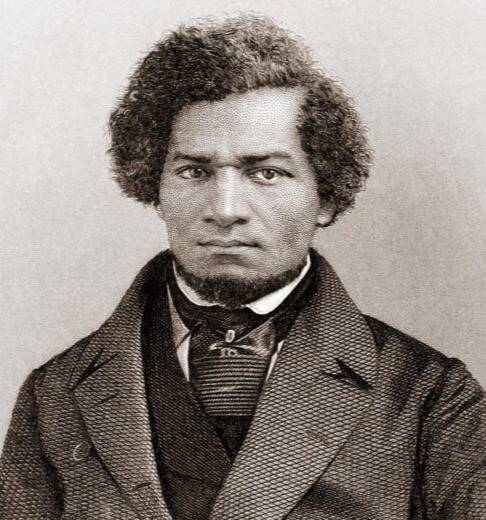
Frederick Douglass, the prominent abolitionist and author who escaped slavery, supported Clara Barton's efforts to establish the American Red Cross. Impressed by Barton's aid to Black soldiers during the Civil War and her desire to improve protection of the wounded during wartime, Douglass signed the original Articles of Incorporation for the Red Cross in 1881. February was later designated as Black History Month by Dr. Carter G. Woodson in honor of Douglass' birthday, February 14, and Abraham Lincoln's birthday, February 12.
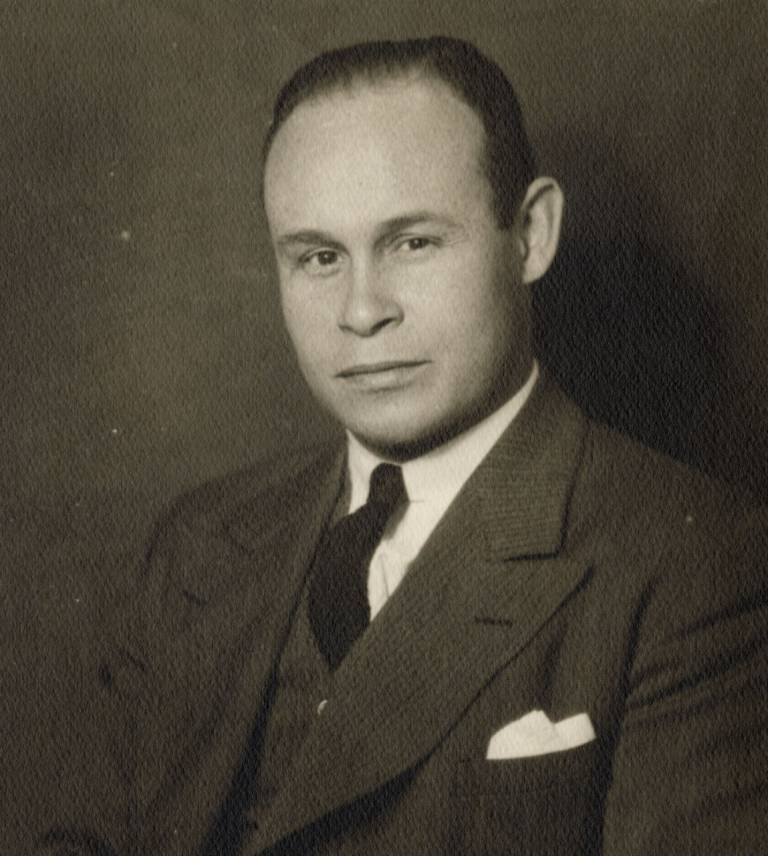
Dr. Charles R. Drew, a surgeon and pioneer of modern blood banking, was named the first medical director of the Red Cross National Blood Collection Program in 1941. His work with the Red Cross helped save the lives of hundreds of thousands of soldiers and civilians during World War II. Dr. Drew's efforts to increase the blood supply led to the use of bloodmobiles and other collection, preservation, and distribution processes still used today. A champion for equality, Dr. Drew challenged the U.S. military's policy of segregating blood plasma products by race. Through the collaborative support of civil rights organizations and the Red Cross, the government later discontinued this practice.
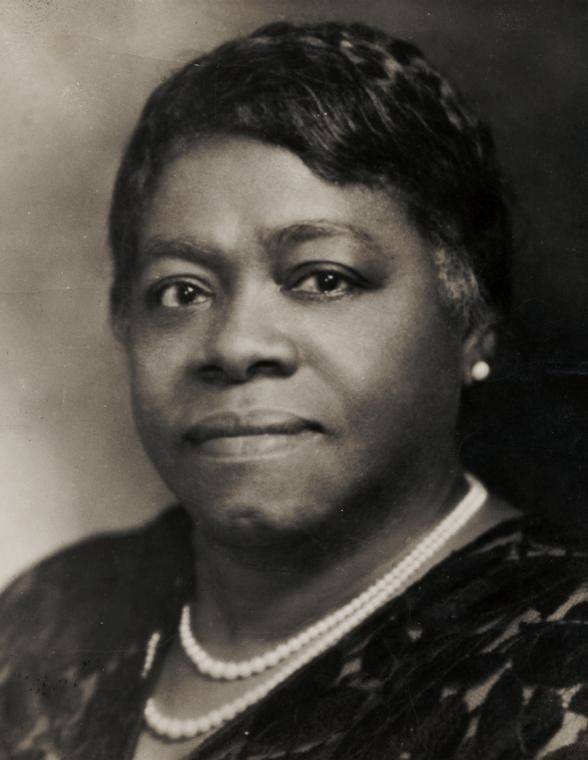
Dr. Mary McLeod Bethune, an educator and civil rights leader, helped usher in a sustained presence of Black Americans in the mission of the Red Cross. She advocated for the desegregation of blood collection practices, hosted blood drives, and encouraged African American women to staff canteens. During World War II, Dr. Bethune served as director of the Florida Chapter of the Red Cross, helping to build bridges with the Black community while advocating for employment opportunities, disaster relief, and diverse representation on Red Cross regional and national boards.
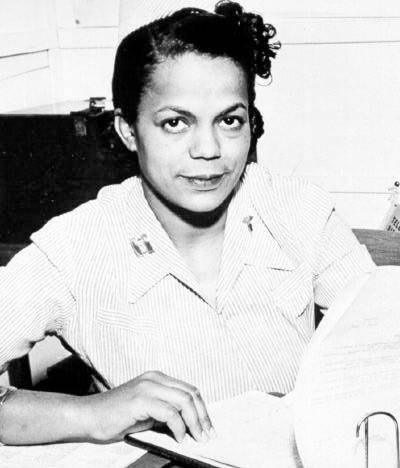
Major Della Hayden Raney, a nurse and military trailblazer, became the first Black nurse accepted into the U.S. Army Nurse Corps in 1941 after securing endorsement from the American Red Cross, a requirement for all military nurses at the time. She served as Chief Nurse at the Tuskegee Army Air Field station hospital during World War II, managing the first Black nurses assigned to care for the Tuskegee Airmen. Her service helped pave the way for the integration of Black nurses at military hospitals throughout the United States. Nurse Raney rose to the rank of Major in 1946, the highest rank achieved by any African American nurse who served in World War II.
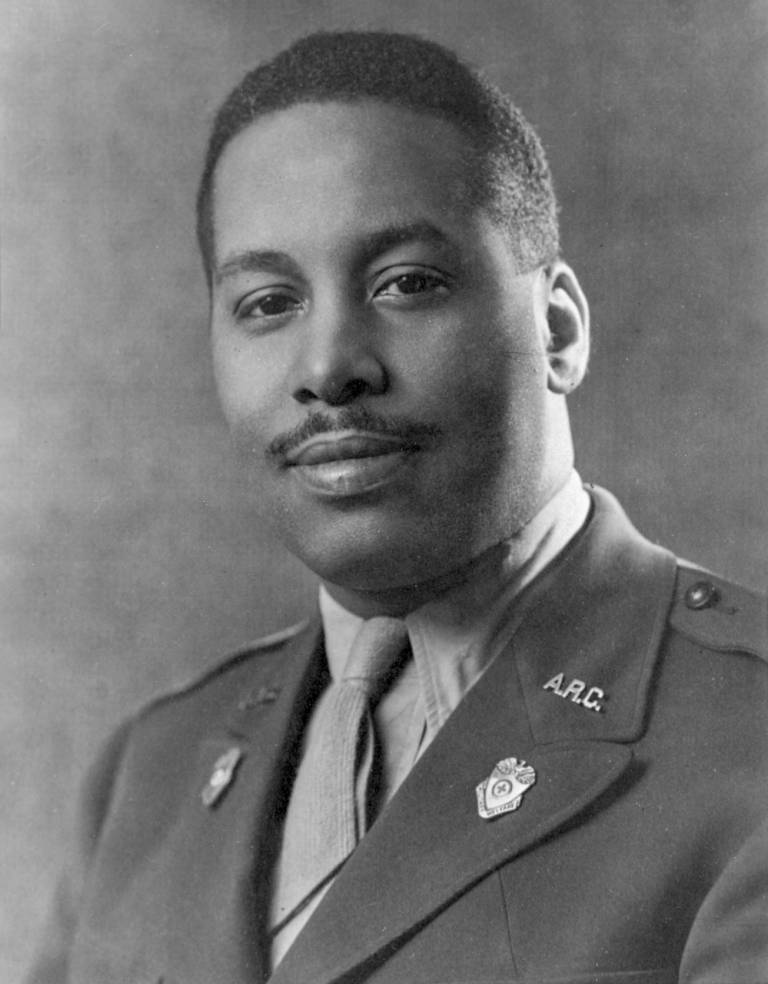
Peter S. Ridley, a psychology professor and humanitarian, championed African American representation in the Red Cross mission. As a Red Cross First Aid instructor in 1941, he trained over 300 students, faculty, and employees at Bowie State University, an HBCU in Maryland. During World War II, he served as a Red Cross club director in England, earning a Certificate of Merit for his exceptional service. During the Korean War, Ridley facilitated prisoner of war releases as part of a Red Cross delegation, and in 1951, the Red Cross appointed him as public relations consultant.
Black History Is Made Fresh Daily
At the Red Cross, Black history isn't just remembered—it's made fresh daily and is saving lives. Through the Sickle Cell Initiative, Black communities are reversing declining blood donation trends and strengthening community health. Since launching the Sickle Cell Initiative in 2021, more than 170,000 first-time African American blood donors have rolled up a sleeve, helping to strengthen our blood supply. More than 350,000 sickle cell trait screenings have been provided to donors who self-identified as African American, Black, or multiracial. These screenings give communities disproportionately impacted by sickle cell disease access to critical health information about their trait status.
The Heartbeat of Hope
During Black History Month, the Red Cross is partnering with community organizations to host over 460 blood drives supporting people living with sickle cell disease. This support is especially critical in winter months, when patients with sickle cell disease tend to experience more pain crises resulting in hospitalizations and requiring blood transfusions. When our communities give together, we heal together, creating a legacy of health, hope, and healing.
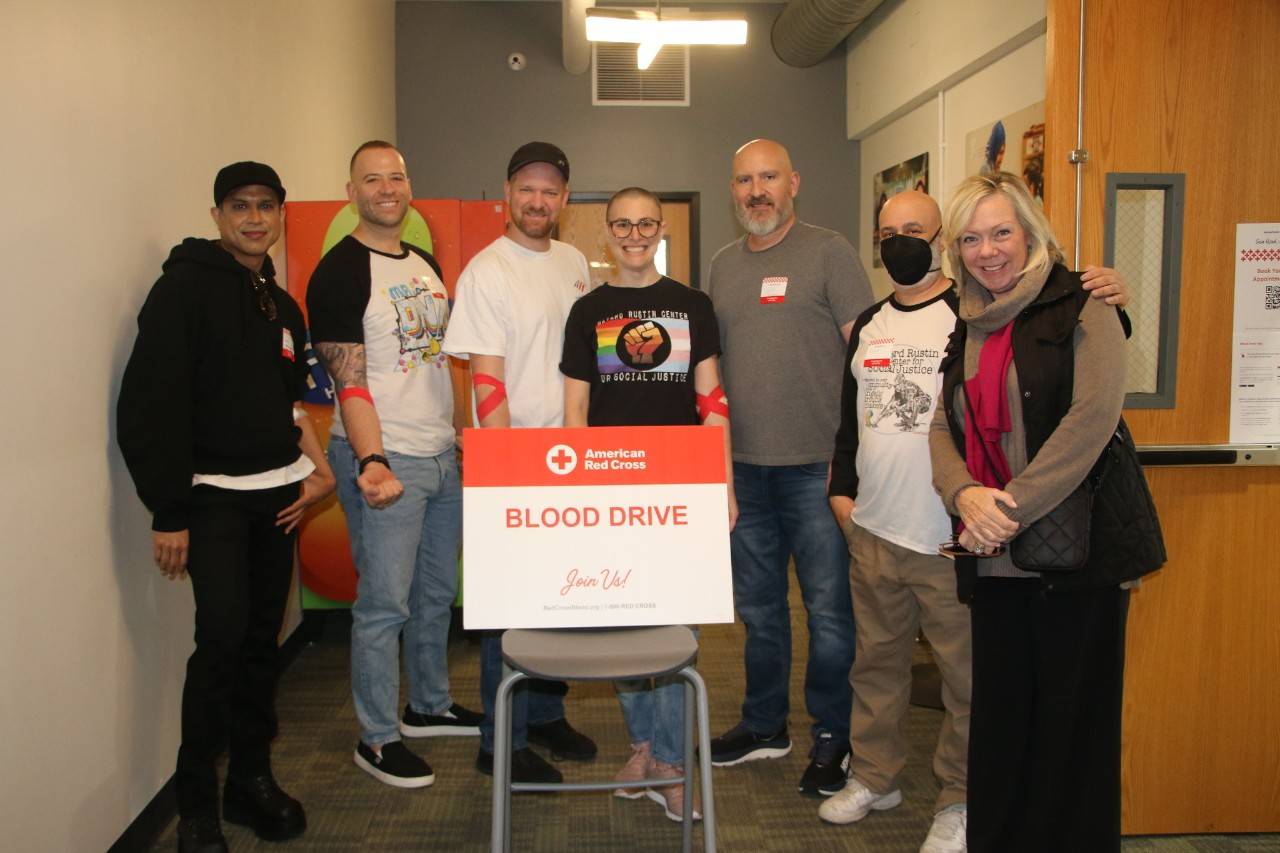
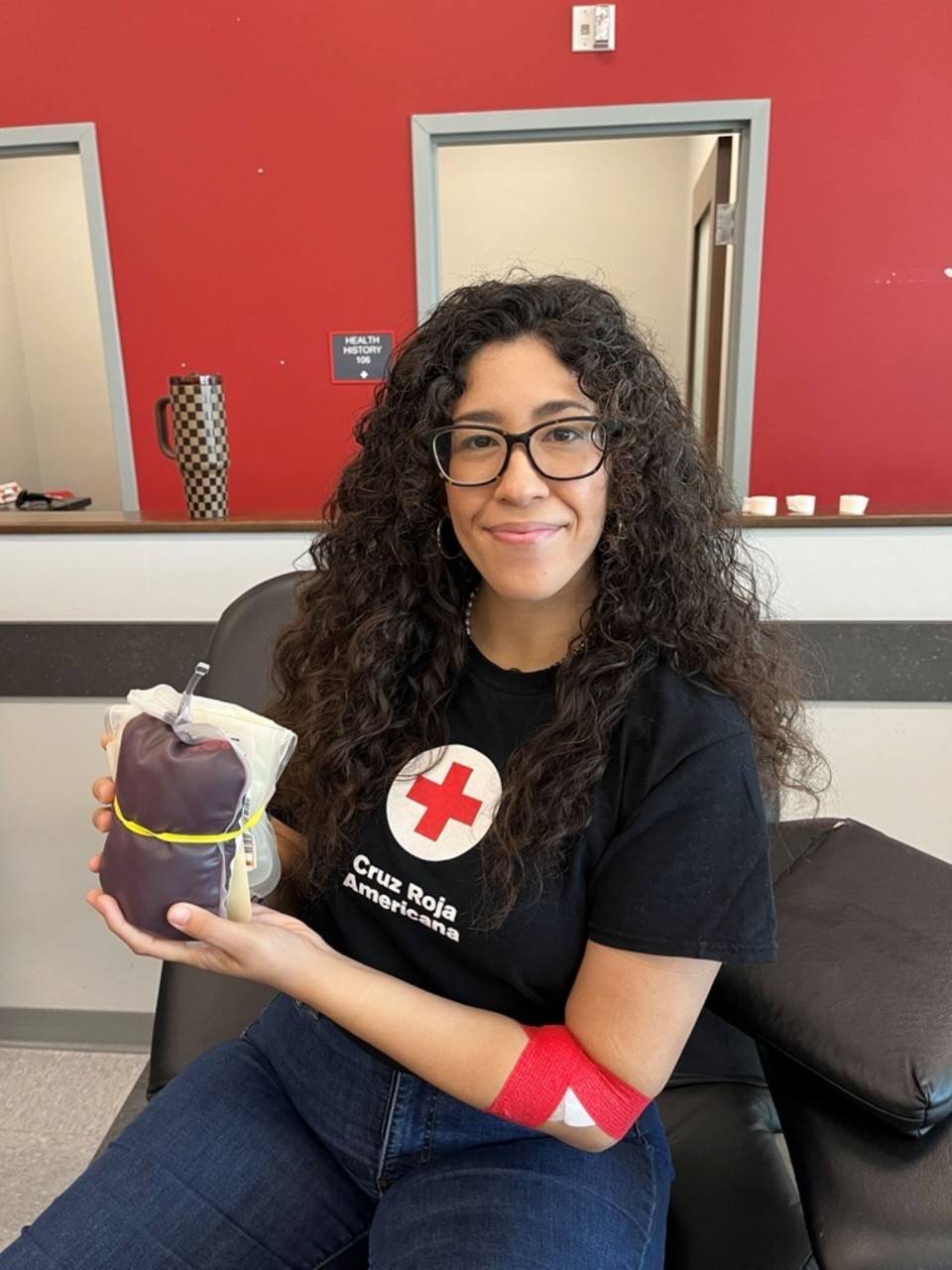
Commemorate 100 years of Black history by rolling up a sleeve to give blood. Make an appointment on the Red Cross Blood Donor App, visit RedCrossBlood.org/OurBlood, or call 1-800-RED CROSS (1-800-733-2767). Those who come to give blood, platelets, or plasma Jan. 26–Feb. 28, 2026 will receive a $20 e-gift card. Terms and additional details can be found at RedCrossBlood.org/Heart.
About the American Red Cross:
The American Red Cross shelters, feeds and provides comfort to victims of disasters; supplies about 40% of the nation’s blood; teaches skills that save lives; distributes international humanitarian aid; and supports veterans, military members and their families. The Red Cross is a nonprofit organization that depends on volunteers and the generosity of the American public to deliver its mission. For more information, please visit redcross.org or CruzRojaAmericana.org, or follow us on social media.
Support all the urgent humanitarian needs of the American Red Cross.
Find a drive and schedule a blood donation appointment today.
Take a class and be ready to respond if an emergency strikes.