Did you know[1]:
During Fire Prevention Week ─ October 4-10 ─ the American Red Cross offers simple things you can try to help prevent a fire in your home and keep your loved ones safe.
SAFETY STEPS — GET A PLAN AND ALARMS
Develop a fire escape plan and install smoke alarms. Learn how in the first 10 items listed below:
HAVE A PLAN You may have less than two minutes to escape from a burning home. Draw up your household fire escape plan and practice it twice a year.
1. Everyone in your household should know two ways to escape from each room in your home.
2. Decide where to meet once you get outside. Select a meeting spot at a safe distance away from your home, such as a neighbor’s home or landmark like a specific tree in your front yard, where everyone knows to meet.
3. Get out and stay out. Never go back inside for people, pets or things.
4. Time your fire drill and find out how long it took everyone to get out.
5. If a fire starts in your home, get out to safety, then dial 911.
SMOKE ALARMS can cut your risk of dying in a fire nearly in half.
6. Place smoke alarms on each level of your home, including inside and outside bedrooms and sleeping areas.
7. In addition to testing your alarms once a month, change the batteries at least once a year, if your model requires it.
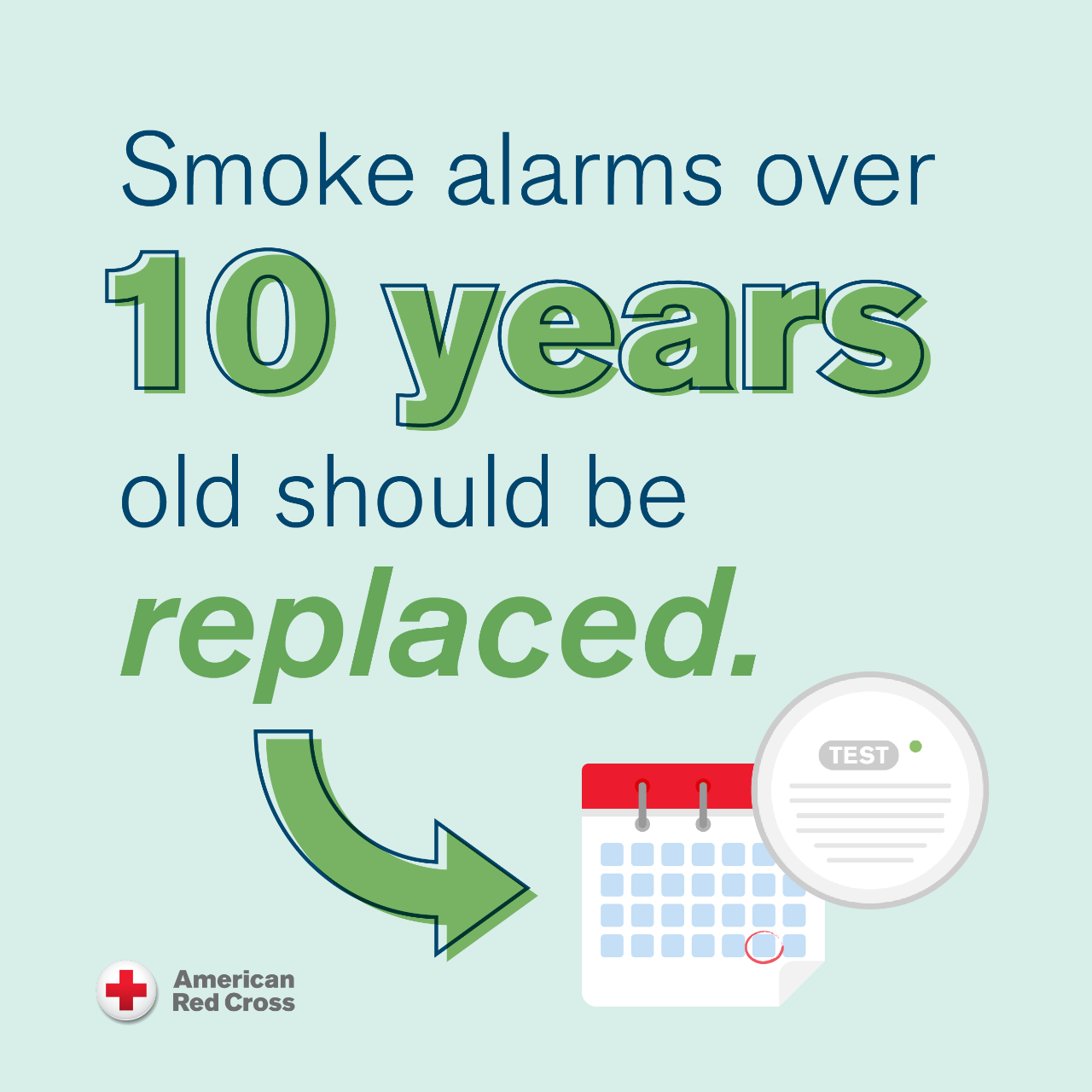
8. Also check the manufacturer’s date of your smoke alarms. If they’re 10 years or older, they need to be replaced because the sensor becomes less sensitive over time. Follow the manufacturer’s instructions.
9. Identify two exits from every room.
10. Teach children what smoke alarms sound like and what to do when they hear one.
Cooking and home heating are two of the leading causes of home fires. Steps 11 through 20 focus on things you can do to lessen the chance of a fire in your home:
BE SAFE IN THE KITCHEN Cooking is the leading cause of home fires in the U.S. Here are five steps to help you avoid a cooking fire:
11. Never leave cooking food unattended. If you must leave the kitchen for even a short period of time, turn off the stove. Use a timer to remind yourself that the stove or oven is on.
12. Avoid wearing loose clothing or dangling sleeves while cooking.
13. Keep kids away from cooking areas by enforcing a "kid-free zone" of three feet around the stove.
14. Keep anything that can catch on fire ─ pot holders, oven mitts, wooden utensils, paper or plastic bags, food packaging, and towels or curtains ─ away from your stove top and oven or any other appliance in the kitchen that generates heat.
15. Purchase a fire extinguisher to keep in your kitchen.
HEAT YOUR HOME SAFELY Home heating equipment is the second leading cause of home fires. Take these five steps to heat your home safely:
16. Never use a cooking range or oven to heat your home.
17. Never leave a fire burning in the fireplace unattended. Make sure any embers in the fireplace are extinguished before going to bed or leaving home. Use a glass or metal fire screen to keep embers in the fireplace.
18. Space heaters: It's critical to keep at least three feet of space around all heating equipment, and never leave space heaters unattended.
19. If you must use a space heater, place it on a level, hard and nonflammable surface, such as a ceramic tile floor. Don’t place it on rugs and carpets, or near bedding and drapes. And keep children and pets away from the heater.
20. Plug space heater power cords directly into outlets — never an extension cord. Turn it off every time you leave the room or go to sleep.
HOME FIRE FREQUENTLY ASKED QUESTIONS
Q. What causes most home fires?
A. Cooking is the leading cause of home fires, followed by home heating, the second leading cause.
Q. If I have to use a space heater, are there any do’s and don’ts I should follow?
A. Place your heater on a hard, level, nonflammable surface. Don’t let kids or pets near the heater and don’t plug it into an extension cord. Plug the heater directly into an outlet.
Q. Can I leave the kitchen while food is cooking?
A. Never leave cooking food unattended. If you must leave the kitchen for even a short period of time, turn off the stove. Use a timer to remind yourself that the stove or oven is on.
Q. Why are smoke alarms important?
A. Smoke alarms can cut your risk of dying in a fire nearly in half.
Q. What are some things that should be covered in my fire escape plan?
A. Everyone should know two ways to escape from each room. Also include where you all will meet once you get outside.
Q. Does the Red Cross have apps I should download?
A. Yes, the Emergency app and the First Aid App. Both are free and available in English or Spanish. Find them by searching for ‘American Red Cross’ in your app store or at redcross.org/apps.
About the American Red Cross:
The American Red Cross shelters, feeds and provides comfort to victims of disasters; supplies about 40% of the nation’s blood; teaches skills that save lives; distributes international humanitarian aid; and supports veterans, military members and their families. The Red Cross is a nonprofit organization that depends on volunteers and the generosity of the American public to deliver its mission. For more information, please visit redcross.org or CruzRojaAmericana.org, or follow us on social media.
Support all the urgent humanitarian needs of the American Red Cross.
Find a drive and schedule a blood donation appointment today.
Take a class and be ready to respond if an emergency strikes.