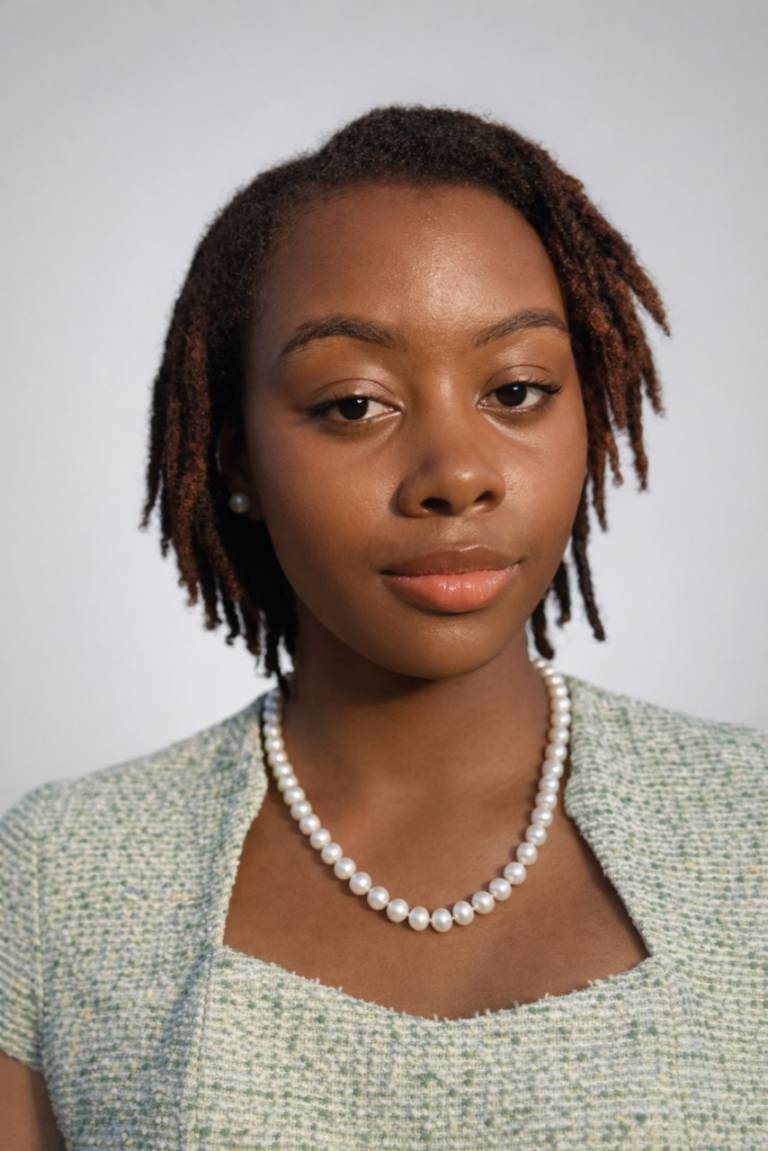
Julie Heyliger remembers the moment clearly: a student came to one of her campus blood drives nervous, as if they were not going to go through with donating blood. Julie took a few minutes to talk with them, explain the process, with hopes of making them feel comfortable.
That student made their first blood donation. Afterward, they told Julie it was not as bad as they thought, and they would donate again.
"That moment reminded me why this work matters," says Julie, a senior nursing student at Fort Valley State University, blood donor and third-year American Red Cross HBCU Ambassador. "It's not just about the number of donations, it's about changing someone's mindset and helping them realize they can make a real impact."
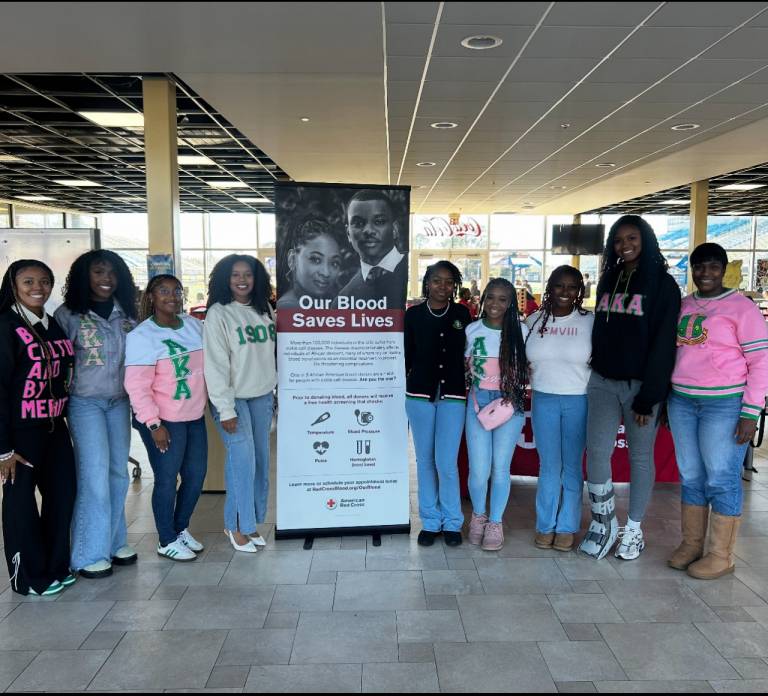
Julie is part of the Red Cross HBCU Ambassador Program, sponsored by Delta Air Lines, which empowers college students to improve health outcomes for diverse populations through training, mentoring and networking opportunities. Since its inception, ambassadors have helped coordinate hundreds of blood drives on HBCU campuses throughout the U.S., engaging thousands of volunteer blood donors.
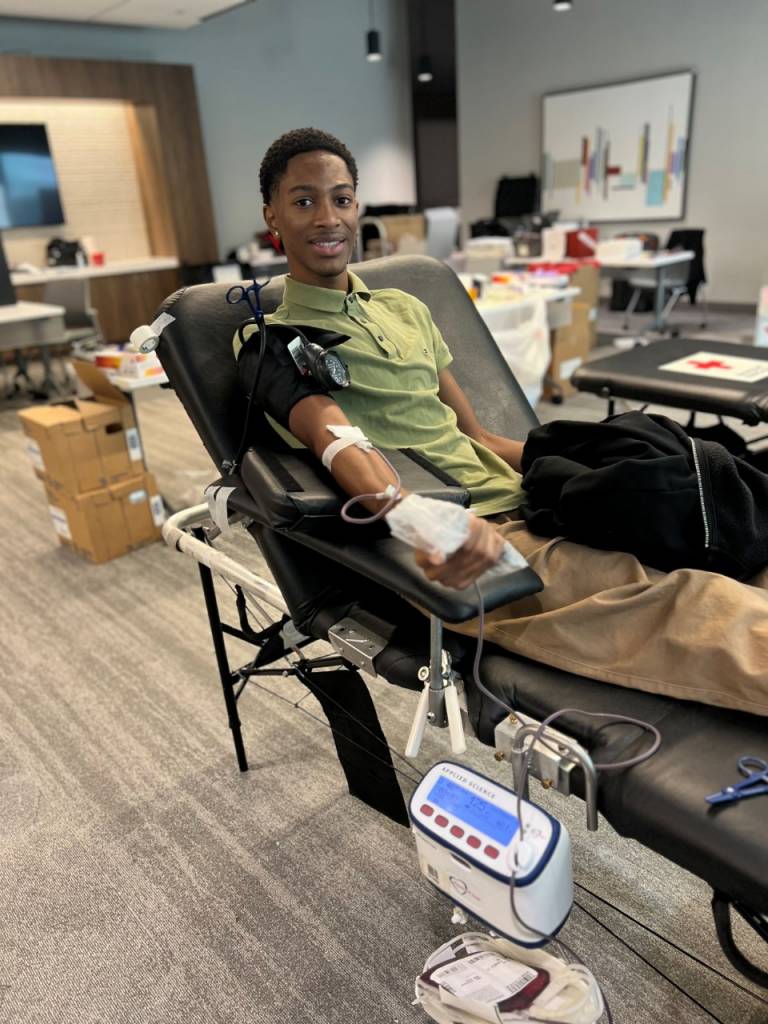
Nearly 600 miles west, at Sam Houston State University, freshman Grant Buckley is a volunteer blood donor who made his first donation in high school. His grandmother Carol had sickle cell disease. Although they never had a chance to meet, her legacy set the course for his family's commitment. Both of his parents are blood donors who host Red Cross blood drives and support sickle cell warriors through their organization, Carol's Promise Sickle Cell Foundation.
"[Blood donation] was modeled and if I'm being honest, it was expected," says Grant, a kinesiology major who has already made five donations at 18 years old. "Growing up in a family of servant leaders, serving and helping others is a way of life."
Julie and Grant are not alone in their commitment. The Red Cross volunteer community has grown by nearly 25% over the past three years, and Generation Z is the organization's fastest growing and largest demographic, representing more than 40% of volunteers nationwide. They represent something powerful: a generation that understands service is not separate from identity; it is an expression of it. Their commitment to blood donation is rooted in community, shaped by family and driven by the understanding that showing up for patients with sickle cell disease is showing up for the purpose of their neighbors.
"It's bigger than me," Julie says. "It's about building a culture of service, increasing representation in blood donation, and making a lasting difference where it matters most.
"This is a generation that is meeting the moment with purpose, impact and their sleeves already rolled up.
Patient-centered Impact
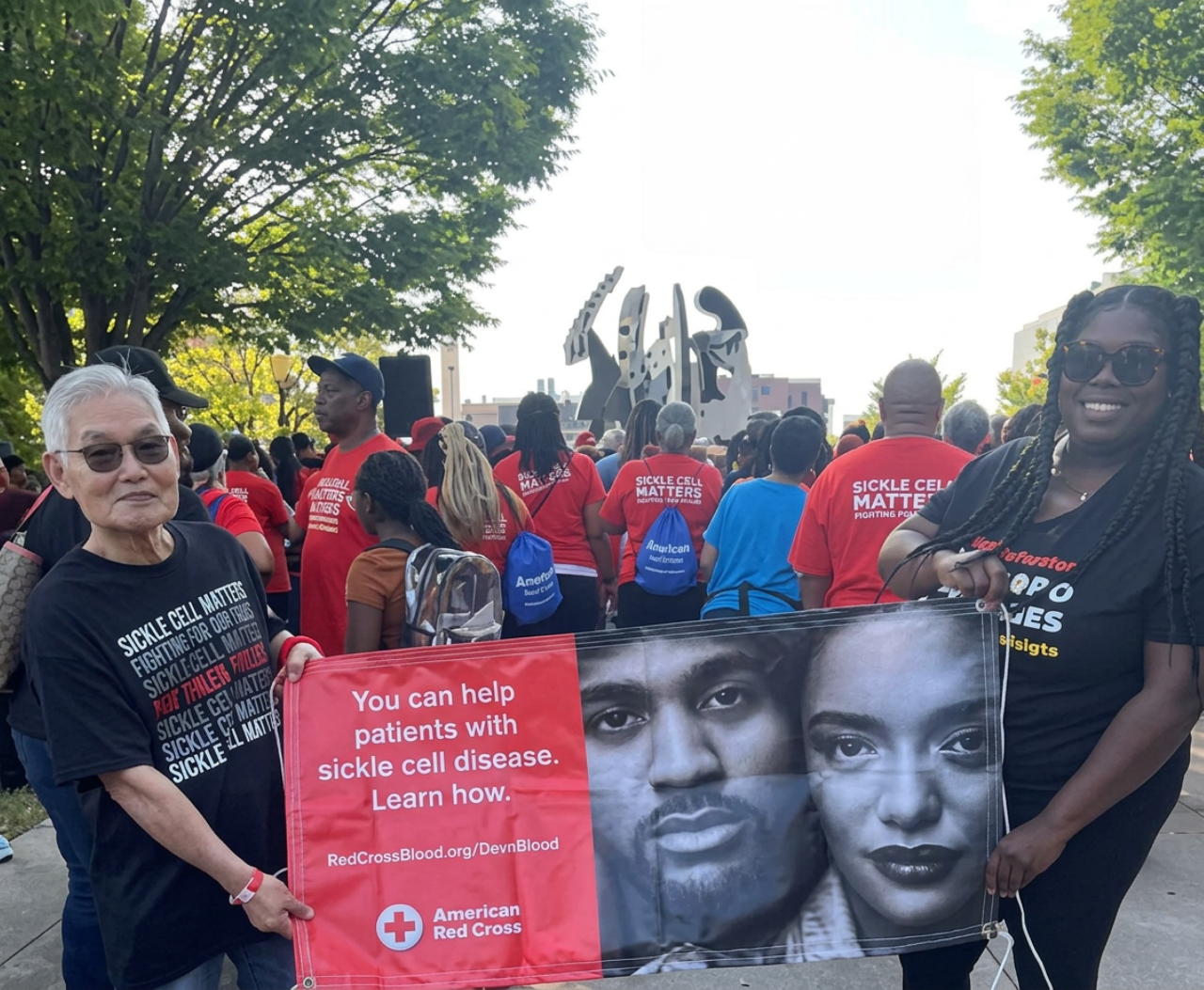
In the U.S., more than 100,000 people live with sickle cell disease and may require frequent blood transfusions throughout their lifetime. Historically, sickle cell disease has received less research funding per patient than comparable diseases. Health care providers with expertise in its treatment remain in short supply, and disease-modifying treatments can be limited in accessibility. For many patients, blood transfusions are one of the most accessible and immediate forms of care, making the work of blood donors essential.
Over time, frequent transfusions can cause patients to develop antibodies that make finding compatible blood increasingly difficult. CEK-negative blood donors, those whose blood lacks three proteins that trigger immune reactions, provide a critical safety net. Blood donors who are Black are nearly three times more likely to be a CEK-negative match for sickle cell patients, compared with donors who are not Black or African American.
"One donation can save multiple lives, but for someone with sickle cell disease, it can mean ongoing survival," Julie says.
Today, more patients with sickle cell disease are receiving closely matched blood donations than ever before due to the Red Cross Sickle Cell Initiative and its HBCU Ambassador program that powerfully engages the patient's community in their care continuum. When more donors who are Black give blood, there are more CEK-negative units available, which means patients with sickle cell disease experience less blood transfusion complications and are able to receive more units of compatible blood, an example of patient-centered care in practice.
Shared Purpose
Blood donation was not part of Julie's household growing up. When she first encouraged her family to donate, they were hesitant. She walked her family through the blood donation process and connected it to the patients whose lives depended on donors like them.
"Once they saw how passionate I was and realized the real impact it could have, they were more willing to step up," Julie says. "It changed our whole perspective.
"Today, Julie's family donates blood alongside her — a full-circle moment that began with her decision to inspire her family to share something bigger than themselves.
"HBCUs have always stood on a foundation of service, advocacy, and collective action, and being a student at one has shaped how I view my responsibility to others," Julie says.
Grant carries his grandmother Carol's legacy in ways that go beyond memory. Because his grandmother depended on blood transfusions as a sickle cell warrior, his family is making sure the need for blood donations does not go unanswered for other patients like her. In fact, the first friend he made on campus also has sickle cell disease, which helps him keep blood donation top of mind while away at college.
From Campus to Community
Many students Julie encounters at her blood drives are being introduced to blood donation for the first time, a reality shaped in part by a generation that missed school-hosted blood drives during the COVID-19 pandemic. But where others might see a challenge, Julie sees an opening.
"The most effective strategy has been making it personal and actually engaging with my peers instead of just asking them to donate," she says.
Grant takes an equally intentional, lead by example approach. "I'm hoping that my actions motivate my friends to donate," he says.
Both are pursuing health care careers and see their Red Cross service as foundational to the professionals they are becoming.
"I read somewhere that an hour of my time can give someone a lifetime," Grant says. "And that's all the reward I need.”
Julie also sees the work in a communal way.
"This experience has taught me that patient care goes beyond the hospital; it starts with education, trust and advocacy in the community," she says. "It's not just about donating. It's about representation, access, and making sure our communities have a fair chance at the care they need."
Give With Purpose
Roll up a sleeve today in support of patients battling sickle cell disease. Use the Red Cross Blood Donor App, visit RedCrossBlood.org or call 1-800-RED CROSS (1-800-733-2767) to schedule an appointment to give blood, platelets or plasma.
About the American Red Cross:
The American Red Cross shelters, feeds and provides comfort to victims of disasters; supplies about 40% of the nation’s blood; teaches skills that save lives; distributes international humanitarian aid; and supports veterans, military members and their families. The Red Cross is a nonprofit organization that depends on volunteers and the generosity of the American public to deliver its mission. For more information, please visit redcross.org or CruzRojaAmericana.org, or follow us on social media.
Support all the urgent humanitarian needs of the American Red Cross.
Find a drive and schedule a blood donation appointment today.
Take a class and be ready to respond if an emergency strikes.