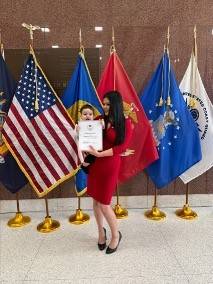
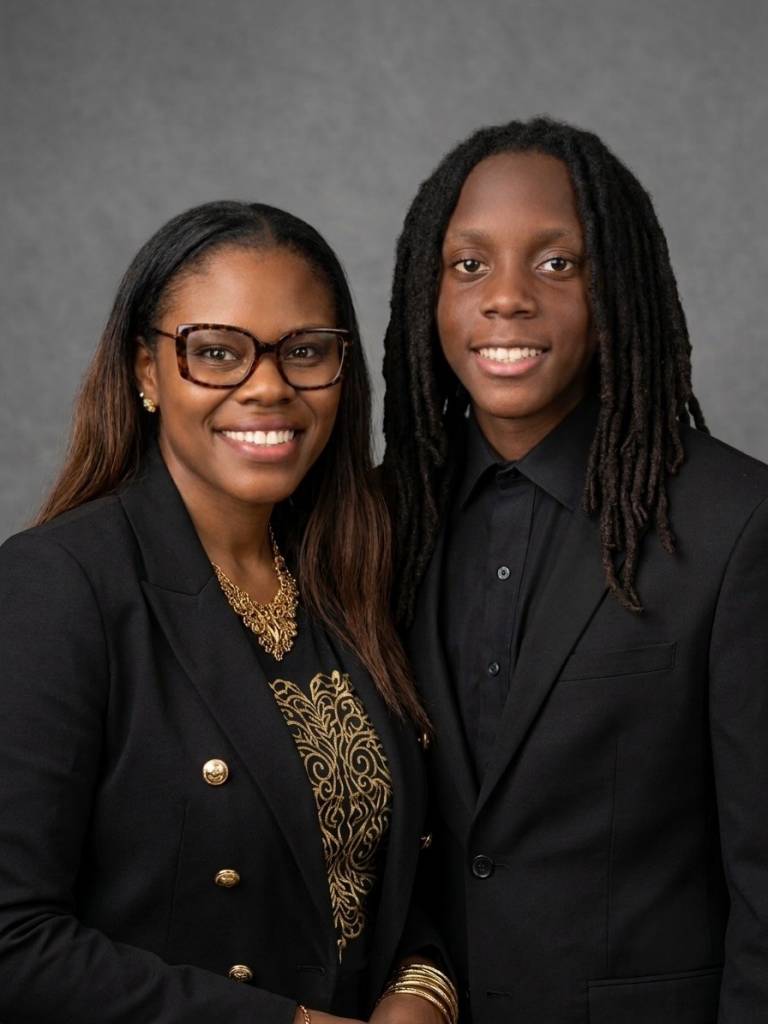
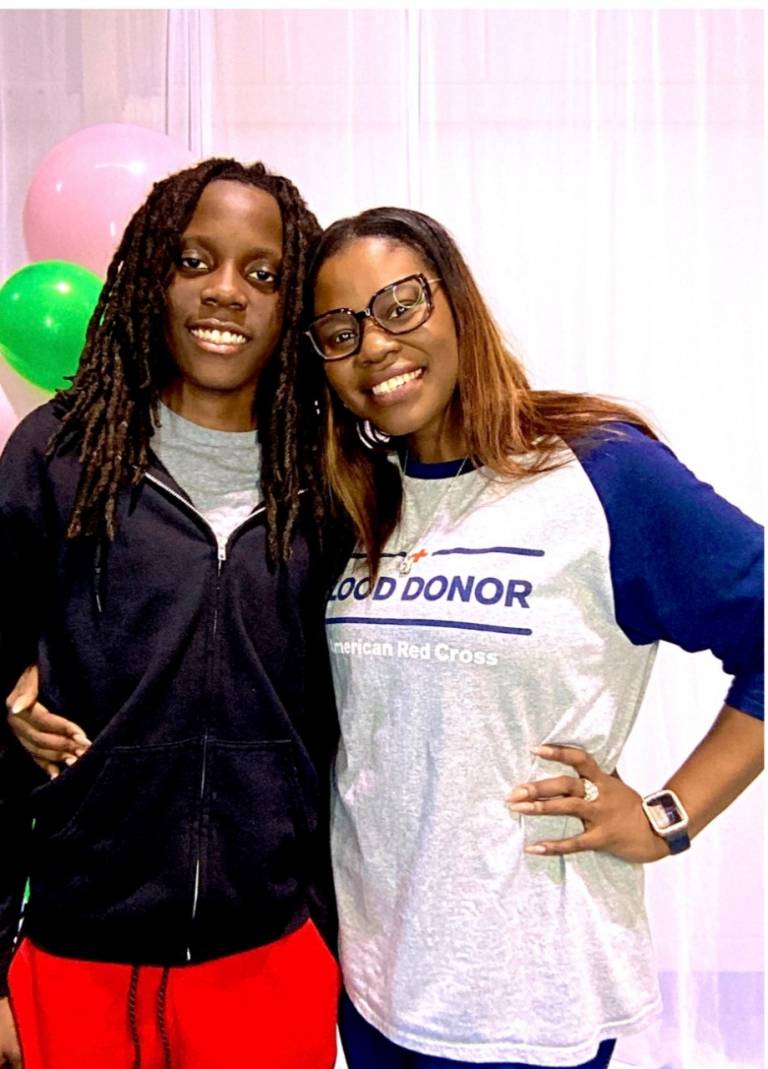
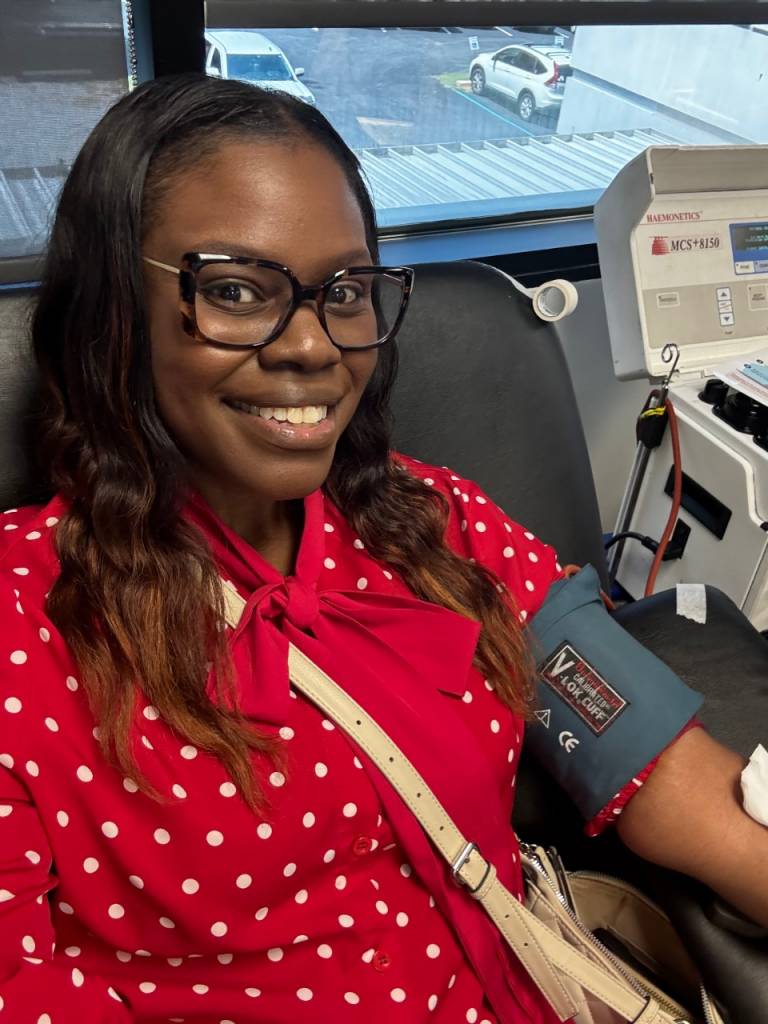
Vesha Jamison spends her workdays at the American Red Cross making sure hospitals have blood and that patients with sickle cell disease receive closely matched units when they need them. At her son Dreylan’s last transfusion appointment, his doctor asked whether he could accept a good match now or wait for the closest match.
"Dreylan has previously received molecularly matched units due to having antibodies in the past," Vesha said. "This time, his doctor asked if I would be comfortable with him receiving phenotypically matched units because they had two of those in-house, but only one molecularly matched unit. They had conducted a national inventory search and would have had to continue looking for the second unit, which would have delayed his transfusion."
Dreylan,16, has lived with sickle cell disease since birth and was diagnosed through newborn screening before he was 2 months old. He received his first blood transfusion at 9 months old and has relied on the generosity of blood donors ever since.
Dreylan’s blood type, A positive, is only the starting point. Red cells carry more than 300 known antigens, and some are unique to specific racial and ethnic groups. Patients with sickle cell disease who receive transfusions over time are most likely to develop antibodies to three of them, called C, E and K. Donors whose blood lacks those three proteins are known at the Red Cross as Sickle Cell Fighters or CEK negative donors, and their donations do not carry the antigens that trigger those immune reactions.
Both units in Dreylan's case were a C, E and K match. The difference was how each match was confirmed. Two were checked by blood testing, and one by genetic testing, which can find rare variants that blood testing alone can miss. For a patient who has already formed antibodies, that added precision matters.
The genetic profile that leaves red cells without C and E antigens is more than 10 times as common in blood donors who are Black compared to blood donors who are White. Additionally, blood donors who are Black are almost three times more likely to be a match for the blood most commonly needed by patients with sickle cell disease.
For families of sickle cell warriors, cancer patients and those battling beta thalassemia, the question is not only whether a blood donation exists. It is whether the blood is a close enough match, and how long patients are willing and able to wait while lab professionals keep searching.
"Working here, I have a little relief knowing the specialized work we do," Vesha said. "I am usually pretty calm at transfusion time because I know that we're out here every day, boots on the ground, making sure that we collect for our hospitals. His doctors know the work we do, so sometimes they even ask me questions."
But as a mother first, Dreylan’s doctor’s questions have sometimes left Vesha with more questions than answers.
"Even if the units are available, are they the best suited for individual patients, and what does that look like when it's not?" she said. "So overall, it adds a little anxiety for me. It makes me even re-evaluate my work, knowing that what we do directly impacts my own household."
Like other families, Vesha and Dreylan have had to wait before. In November 2021, weeks before the Red Cross declared the first national blood crisis in its history, Dreylan waited two days for blood.
Now the Red Cross has declared only the second national blood supply crisis in its history after blood donations fell to a four-year summer low, deepening an emergency shortage that threatens the availability of lifesaving blood for patients across the country.
Despite thousands of people answering the call to give, donations are not keeping pace with hospital demand, which climbs during the summer trauma season. Extreme heat, poor air quality and widespread foodborne illnesses have kept donors away this summer, straining the supply further.
Since issuing only the second blood crisis in Red Cross history in late July, thousands of generous donors have stepped up to help save lives. At the same time, the blood supply remains under severe pressure, just as many communities transition to back-to-school schedules and people enjoy final summer plans. When fewer donors are available to give, the impact on available lifesaving blood products can be significant — especially when the blood supply is already facing a four-year summer low.
Eligible blood donors of all blood types, including Sickle Cell Fighters or CEK negative donors are urged to make an appointment to give blood by using the Red Cross Blood Donor App, visiting RedCrossBlood.org or calling 1-800-RED CROSS (1-800-733-2767).
About the American Red Cross:
The American Red Cross shelters, feeds and provides comfort to victims of disasters; supplies about 40% of the nation’s blood; teaches skills that save lives; distributes international humanitarian aid; and supports veterans, military members and their families. The Red Cross is a nonprofit organization that depends on volunteers and the generosity of the American public to deliver its mission. For more information, please visit redcross.org or CruzRojaAmericana.org, or follow us on social media.
Support all the urgent humanitarian needs of the American Red Cross.
Find a drive and schedule a blood donation appointment today.
Take a class and be ready to respond if an emergency strikes.