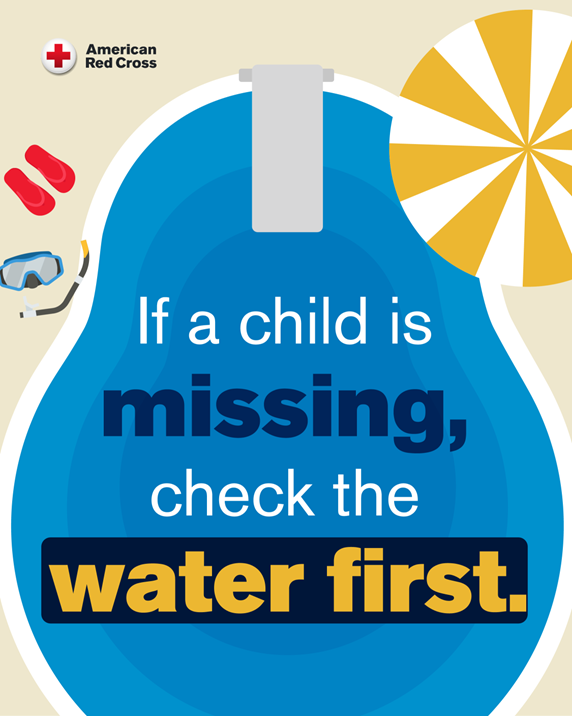
For some in many communities of color, the water has always looked different. What should be a place of joy, relief and cherished memories has too often become a place of preventable tragedy — one that claims more than 4,000 lives in the United States every year, according to the CDC.
April is National Minority Health Month, a time to raise awareness about health disparities in diverse communities and drive meaningful action. Drowning is one of those disparities. Behind every number is a family, a community and a life lost too soon to a public health crisis that disproportionately impacts communities of color and strikes at rates that demand urgent attention and collective action.
For people who are Black and under age 30, drowning rates are 1.5 times higher than for people who are White and the same ages. For people who are American Indian and Alaska Native and under age 30, drowning rates are two times higher than for people who are White and the same ages. These are not accidents of geography or chance. They are the multigenerational effects of communities long denied equal access to pools, swim lessons and water safety education.
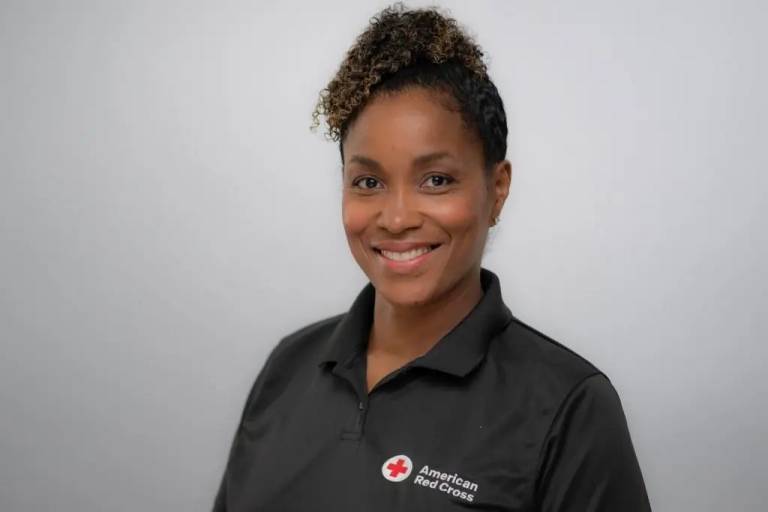
"Drowning is not simply a summer safety issue; it is a preventable public health issue rooted in historic segregation and systemic barriers to pools and aquatic education," said Dr. Angela K. Beale-Tawfeeq, Associate Professor at Rowan University and member of the American Red Cross Scientific Advisory Council. "National Minority Health Month challenges us to take action by removing these barriers, supporting community-based solutions, and expanding access to lifesaving water safety education for all."
The deep end of history
Decades of racially segregated pools, underfunded aquatics programs in under-resourced school districts, and geographic barriers to safe swimming facilities have compounded across generations.
When parents have limited or no swimming skills, their children are statistically unlikely to develop proficient skills either, a cycle that affects 78% of children who are Black, 62% of children who are Hispanic, and 67% of children who are White.
Turning the tide
Drowning prevention has been a mission of the American Red Cross for over 100 years. That commitment has always been rooted in alleviating human suffering and a belief that water safety is not a privilege, but a right for all. And the data on who drowns most, and why, demands that the work become more intentional and collaborative.
Since launching the Aquatics Centennial Campaign in 2014, the Red Cross has provided nearly 1.5 million swim lessons to children and adults and trained more than 3,000 lifeguards and lifeguard managers in communities across the country, prioritizing those with the greatest need and the fewest resources.
Building bridges through partnership
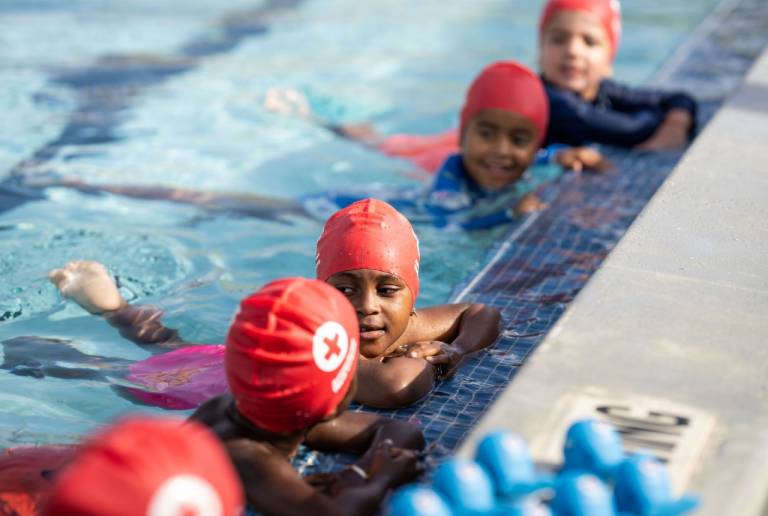
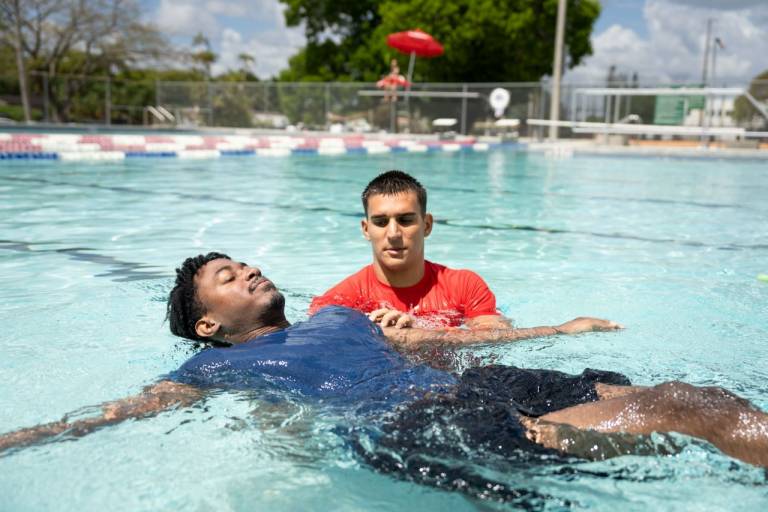
To combat drowning disparities and advance swim equity, the Red Cross works alongside a growing network of trusted community organizations including the CDC, Boys & Girls Clubs, the YMCA, Diversity in Aquatics and the USA Swimming Foundation to deliver water safety education and reduce drowning risks nationwide. These partnerships focus on training lifeguards and conducting Learn-to-Swim programs for all ages and skill levels, from infants to adults, covering water safety fundamentals, basic strokes, and advanced technique in underserved communities.
The Red Cross also extends its reach through grant funding and swim safety programs, supporting community-led initiatives that meet people where they are. Among them are the Jack and Jill of America's national JJ Swims program and Sigma Gamma Rho Sorority, Inc.'s Swim 1922 initiative, both working to ensure that every child, regardless of ethnicity or zip code, grows up knowing how to stay safe in the water.
More than a message, it’s a mission
National Minority Health Month is a reminder that health equity requires both awareness and action. Join the Red Cross in bringing water safety education, resources and lifesaving skills to the communities that need them most. To find a Red Cross Learn-to-Swim class, visit redcross.org/take-a-class/swimming.
About the American Red Cross:
The American Red Cross shelters, feeds and provides comfort to victims of disasters; supplies about 40% of the nation’s blood; teaches skills that save lives; distributes international humanitarian aid; and supports veterans, military members and their families. The Red Cross is a nonprofit organization that depends on volunteers and the generosity of the American public to deliver its mission. For more information, please visit redcross.org or CruzRojaAmericana.org, or follow us on social media.
Support all the urgent humanitarian needs of the American Red Cross.
Find a drive and schedule a blood donation appointment today.
Take a class and be ready to respond if an emergency strikes.