In the last three years alone, the American Red Cross has responded to an average of more than 63,000 disasters a year — early 58 every single day. Most of them are home fires, while others range from major hurricanes to fast-moving tornadoes. Behind that response is a network of warehouses and disaster responders working together to move supplies fast and open shelters when people need help most.
Take a step inside one of them in Baltimore, Maryland with Rey Vega, Community Disaster Program Manager for the American Red Cross. Rows of pallets rise to the ceiling, cots still wrapped in plastic, hundreds of blankets bearing the familiar red-and-white emblem, and trailers waiting outside the bay doors. “If we are called upon,” Rey says, “we can be there within one to two hours. We are ready to activate at a moment’s notice.”
Often working in this warehouse is Red Cross volunteer Ron Reckling, Logistics Supervisor and Coordinator. Ron walks the aisles, pointing out nearly 500 different items ready to ship. “Drinking water, comfort kits, blankets, cots, flood emergency kits,” he lists. “It’s critical that we have this stuff standing by — palatized, boxed, and ready to be shipped so we can immediately meet people’s needs.”
Anthony Evans Jr., Disaster Program Specialist, says that the public usually doesn’t see the work that goes on behind the scenes. “Most people only see the boots on the ground,” Anthony says, “but don’t get to see the people that really make it happen.”
Rey pauses beside a stack of Red Cross comfort kits. The adult versions contain the basics: toothbrush, soap, a comb and other hygiene items. Then he lifts a smaller kit. “These are the Red Cross comfort kits for children,” he says. “We try to put in something nice. They usually have a little toy in there… just something for them to feel a little warm while they’re going through some of these moments.”
Rey has seen the reaction to Red Cross services countless times: “People usually can’t believe that we’re there. We have to explain that this is a gift from the American people.” Then come the hugs. “Hugs are very common in what we do,” he smiles. “They are happy that we are there for their neighbors, they are happy that we are there for their community.”
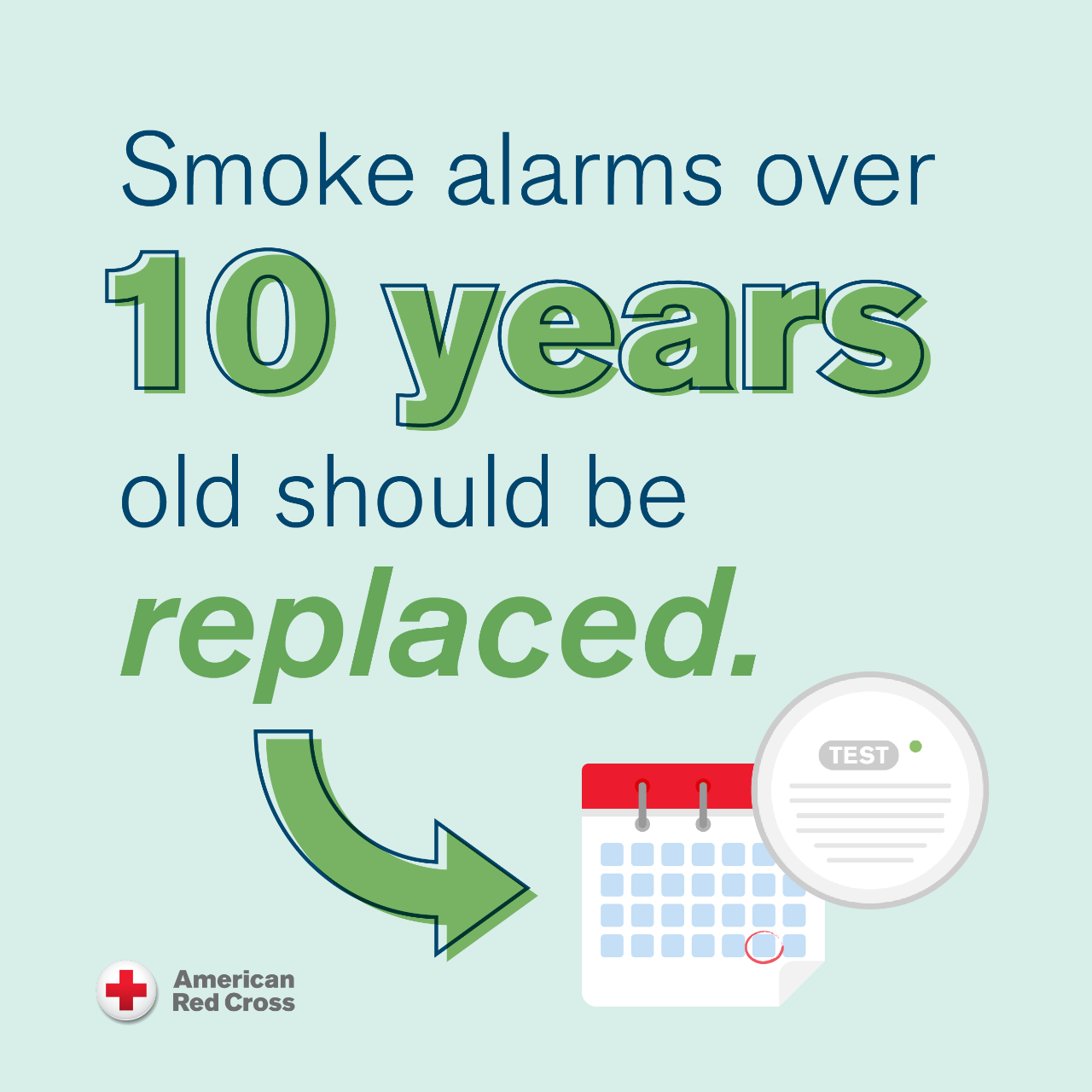
Even before disaster strikes, the Red Cross is in local communities through the Home Fire Campaign. Thousands of free smoke alarms, stacked in Red Cross warehouses across the country, are installed by volunteers who knock on doors, check batteries and teach home fire escape plans, often alongside fire departments and other community partners.
“It’s personally rewarding to be able to help people in their time of need. Knowing that your effort is going to help people deal with their hardship,” says Ron.
The warehouse lights stay on long after much of the country has gone to sleep, because disasters don’t take nights off. But neither do the people who stock the shelves, load the trailers and pack items into kits for people who are impacted by disasters.
“There are a ton of man hours that go into preparation and we are always looking for more volunteers to help serve the mission,” says Anthony.
Learn more about how you can support the Red Cross at redcross.org.
About the American Red Cross:
The American Red Cross shelters, feeds and provides comfort to victims of disasters; supplies about 40% of the nation’s blood; teaches skills that save lives; distributes international humanitarian aid; and supports veterans, military members and their families. The Red Cross is a nonprofit organization that depends on volunteers and the generosity of the American public to deliver its mission. For more information, please visit redcross.org or CruzRojaAmericana.org, or follow us on social media.
Support all the urgent humanitarian needs of the American Red Cross.
Find a drive and schedule a blood donation appointment today.
Take a class and be ready to respond if an emergency strikes.