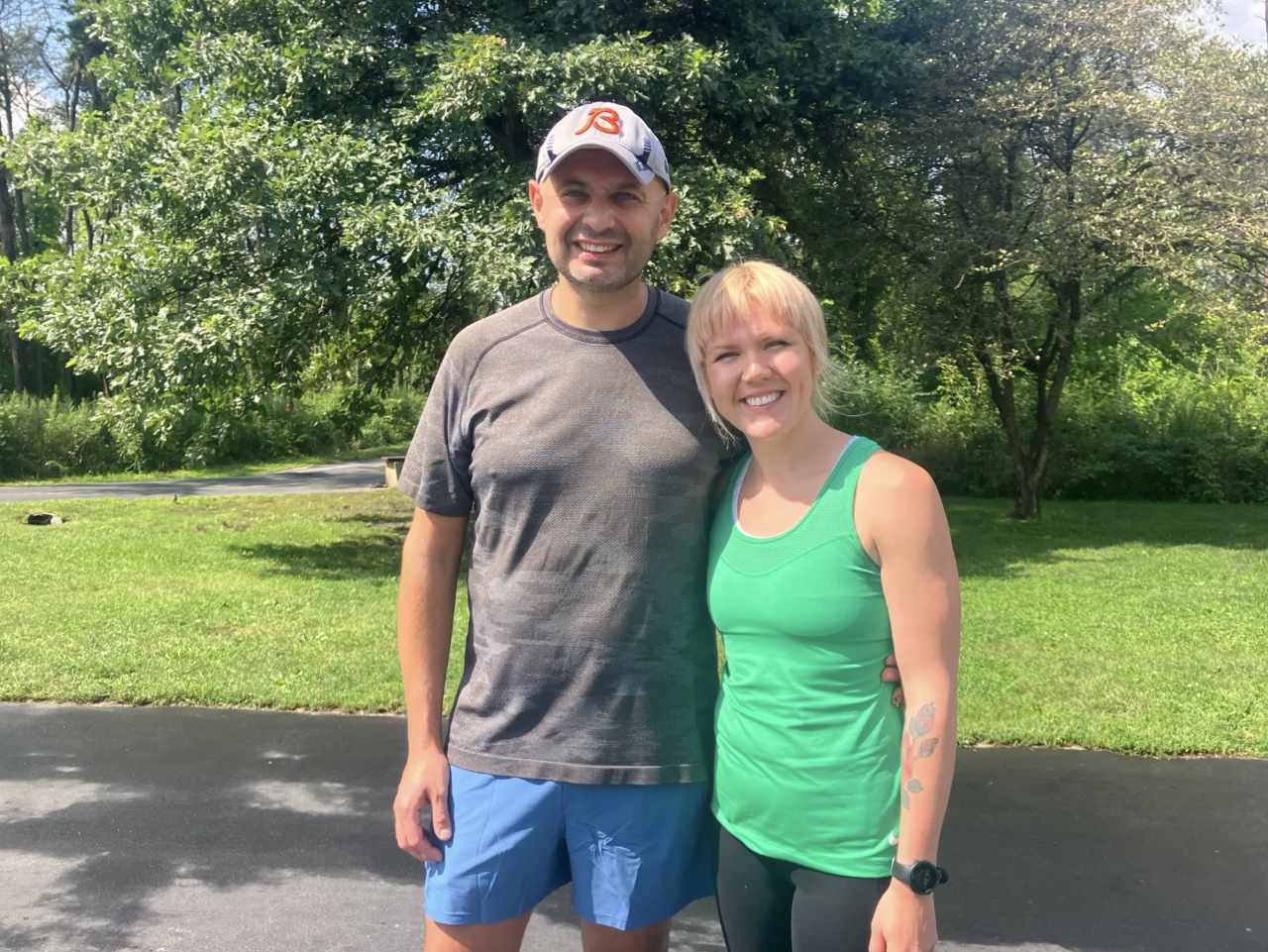
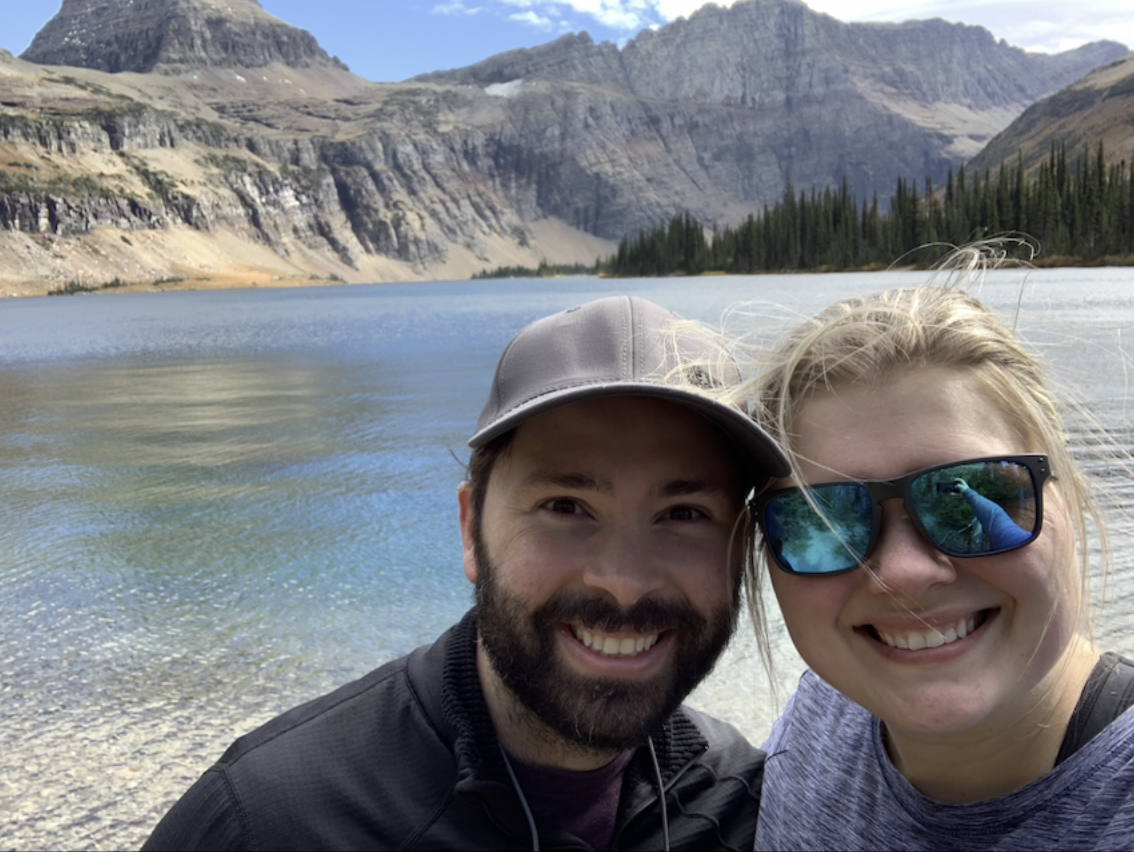
Daniel and Kaitie Matthews, a couple who are both ER nurses, performed CPR on a man who collapsed at a comedy show, saving his life.
Daniel and Kaitie Matthews were enjoying a comedy show in Spokane, Washington, when they noticed something in the crowd that didn’t seem right.
“I saw a staff member unlock her phone and dial three numbers and put the phone to her ear – it just made me think, ‘that’s 911’,” Daniel said.
Both Emergency Room nurses, Daniel and his wife Kaitie moved quickly toward a man who had suddenly collapsed. When they reached him, they couldn’t find a pulse and saw that he was not breathing. With a family member nearby, the couple immediately began CPR.
“It was time to go to work,” Daniel recalled as he and his wife took turns performing chest compressions.
When the Act of Two Inspires Many
Delivering care in a crowded venue was far from easy, but their decision to act set off a ripple effect. The room fell silent as the couple focused on saving a life—and the crowd focused on helping them. “Other people pitched in,” Kaitie said. “People started moving tables and chairs out of the way. It seemed like everyone started to do that so people could get in and help the patient we were caring for.”
When first responders arrived, a clear path had been created to reach the man who had regained consciousness. Early CPR played a critical role in keeping him alive until advanced medical care could take over.
The day after the incident, Daniel and Kaitie learned that the man was in the hospital and stable — an outcome that may not have been possible without their quick action and the support of those around them.
When Every Second Counts — Be the Help
One of the most common reasons for people not stepping in to help in an emergency is simple — they don’t know how. Lack of skill confidence too often stops bystanders from helping a neighbor, friend, loved one in need, even through immediate CPR can triple the chance of survival. Unfortunately, only about 40% of cardiac arrest victims receive bystander CPR.
For Daniel and Kaitie, lifesaving skills are second nature but their message to people everywhere is simple, you don’t need a medical degree to perform CPR. “It doesn’t require you to be a nurse or work in a hospital,” said Daniel.
That’s why learning lifesaving skills can create an extraordinary impact in moments that matter. Just this past year, over 260 people received a Red Cross National Lifesaving Award for helping save more than 150 lives using their Red Cross training.
“Learn the skillset. If you don’t need to use it, consider yourself lucky,” Daniel said. “If you do need to use it, you have the knowledge to provide help and not feel helpless in this kind of a situation.”
Sign up for a class that can help save lives here.
Emergencies come in many forms, from disasters like fires, floods and storms to personal crises for hospital patients and military families. A donation of any size makes a difference ─ whether a person needs relief after a disaster, lifesaving blood, CPR or help contacting a deployed service member during a family emergency. Your donation can bring care and hope. Visit www.redcross.org/gift to support disaster survivors, hospital patients and military families.
About the American Red Cross:
The American Red Cross shelters, feeds and provides comfort to victims of disasters; supplies about 40% of the nation’s blood; teaches skills that save lives; distributes international humanitarian aid; and supports veterans, military members and their families. The Red Cross is a nonprofit organization that depends on volunteers and the generosity of the American public to deliver its mission. For more information, please visit redcross.org or CruzRojaAmericana.org, or follow us on social media.
Support all the urgent humanitarian needs of the American Red Cross.
Find a drive and schedule a blood donation appointment today.
Take a class and be ready to respond if an emergency strikes.