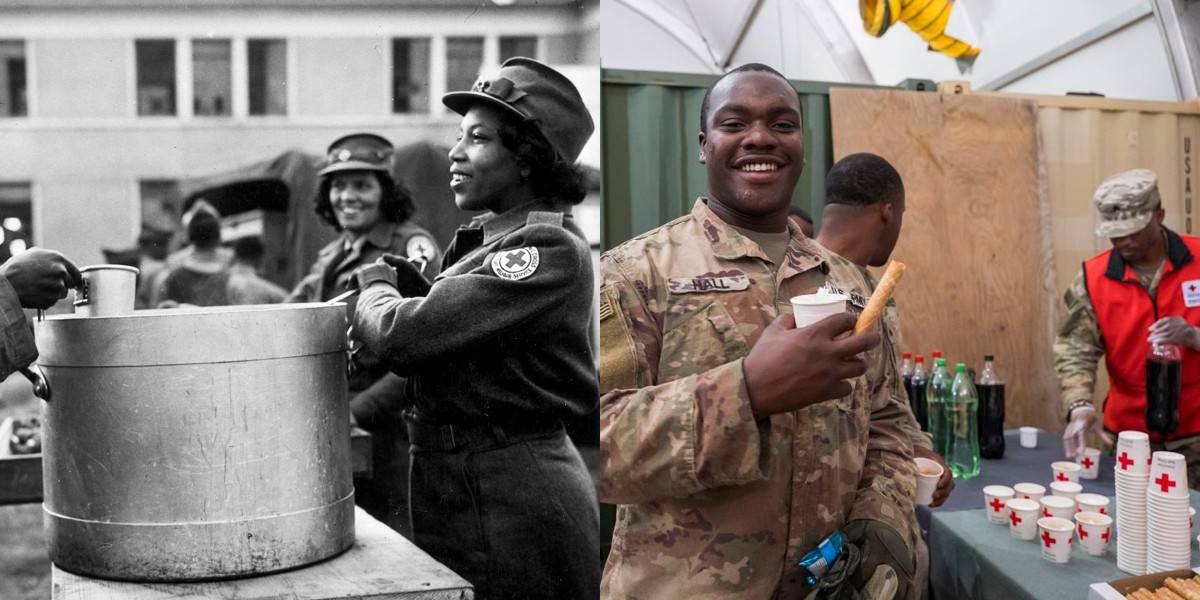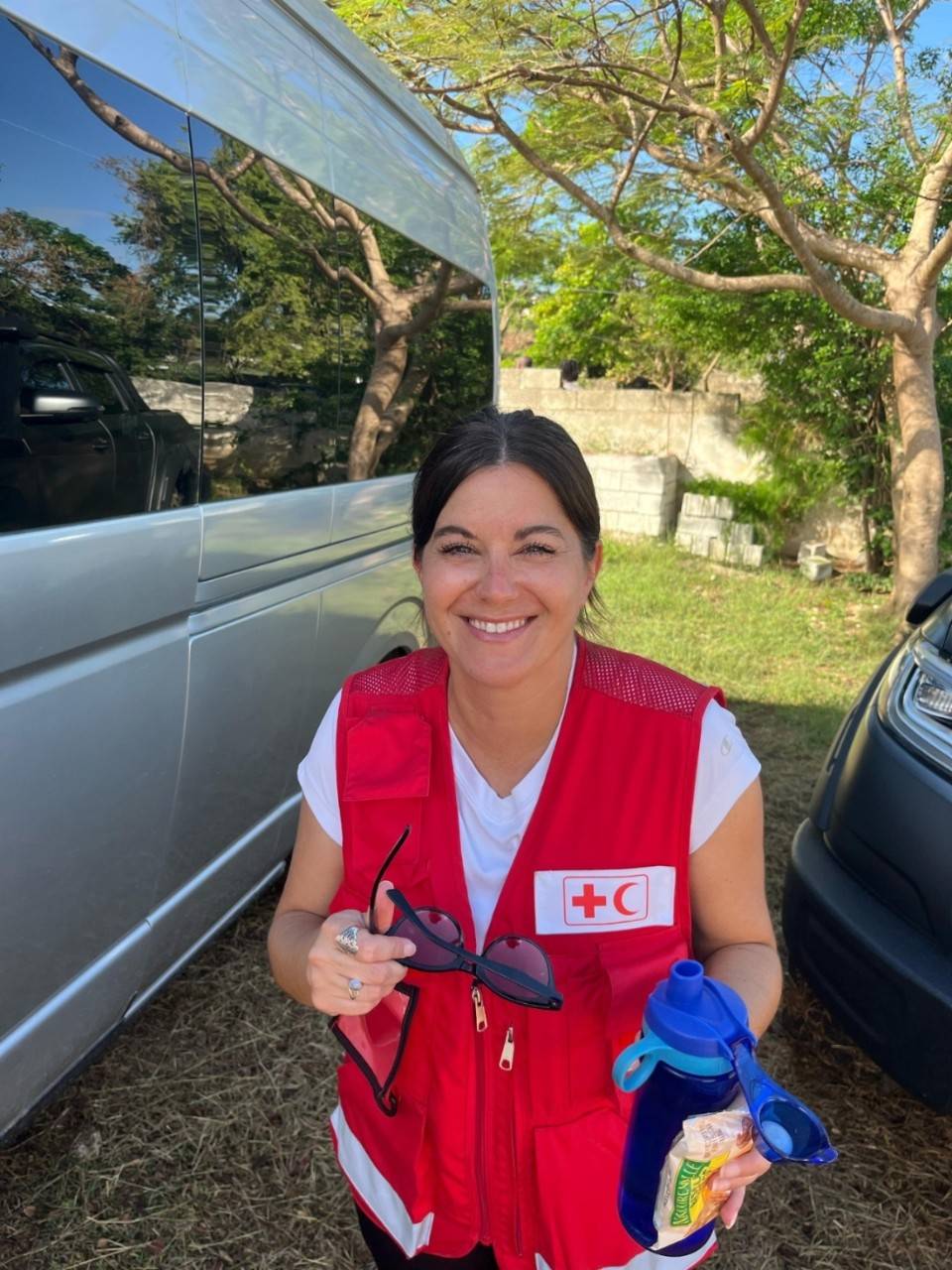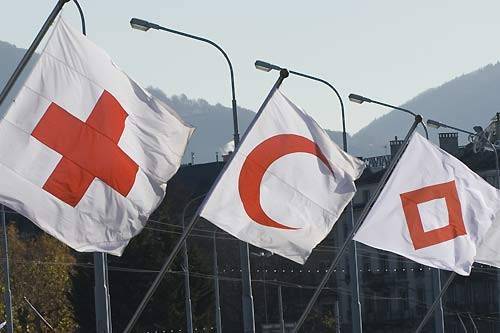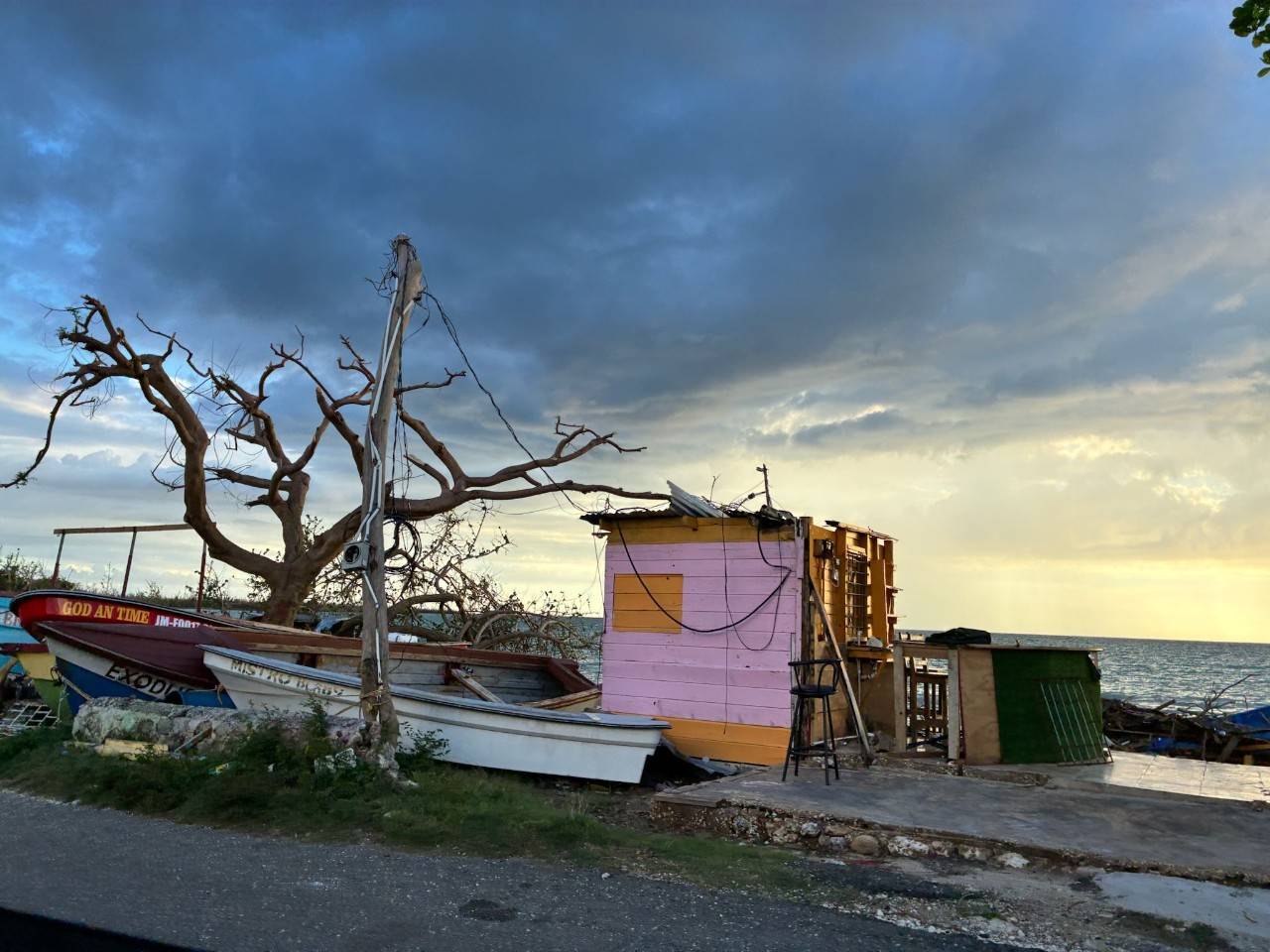
Millions of people in countries across the globe are experiencing devastating disasters that have taken their homes, their livelihoods, and tragically for some, their loved ones. This International Services Activity Update provides a brief snapshot of significant international disasters that the American Red Cross is currently monitoring or responding to.
HONG KONG FIRE
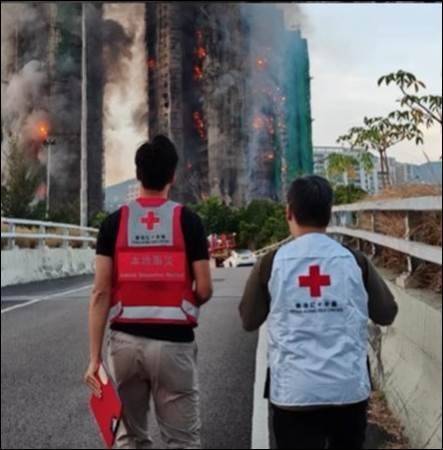
In late November, a massive fire broke out at the Wang Fuk Court apartment complex in the Tai Po District of Hong Kong. Seven of the eight tower blocks rapidly went up in flames, as the fire spread both upwards and between the blocks. The building housed nearly 2,000 units and due to the rapid spread of the fire, many residents were trapped inside. Extensive rescue operations were executed in response to the level 5 alarm fire, but it took more than 40 hours and over 2,000 firefighters to get under control. It was one of the worst fires in Hong Kong’s history, more than 160 people lost their lives.
The Hong Kong Red Cross mobilized immediately following the fire to provide emergency assistance in coordination with authorities. The teams provided emergency support, including first aid, sheltering and mental health services. Red Cross teams also activated their psychological support hotline for people affected by the fires. As families were displaced, Hong Kong Red Cross staff distributed essential supplies such as pillows, quilts, mattresses, chargers and personal hygiene items. Teams will continue to provide mental health support, relief supplies, support with transitional housing and emergency cash assistance for those in need.
The American Red Cross has contributed more than $110,000 to the Hong Kong Red Cross to assist with providing psychosocial support and cash assistance.
TROPICAL CYCLONES
MADAGASCAR
Two tropical cyclones (what we know as hurricanes in the U.S.) made landfall in Madagascar just ten days apart, causing flooding and major damage.
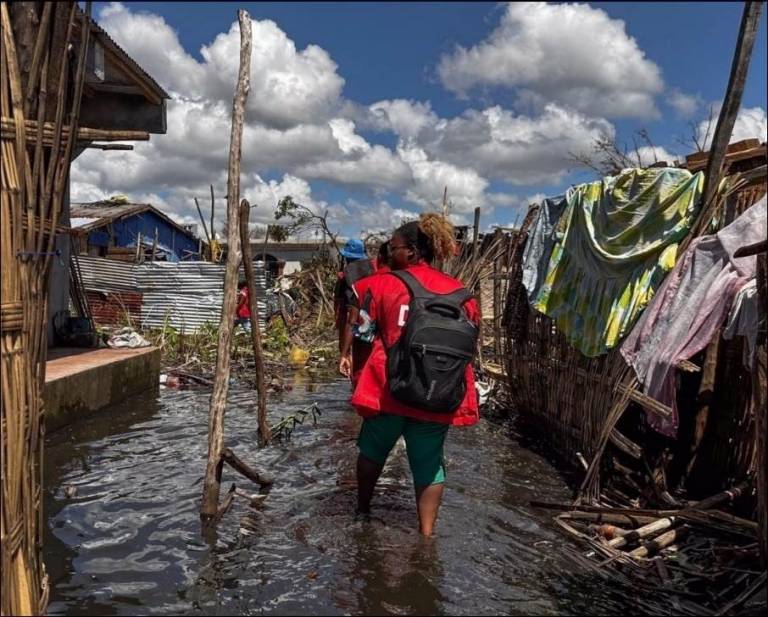
Tropical Cyclone Fytia made landfall first on January 31, 2026, as a Category 3 cyclone. Fytia triggered widespread flooding across northwestern Madagascar, damaging schools and health facilities. Moreover, the flooding led to extensive losses of rice fields and livestock, severely undermining livelihoods and food security for thousands. Some areas can only be accessed by air, hampering emergency response efforts.
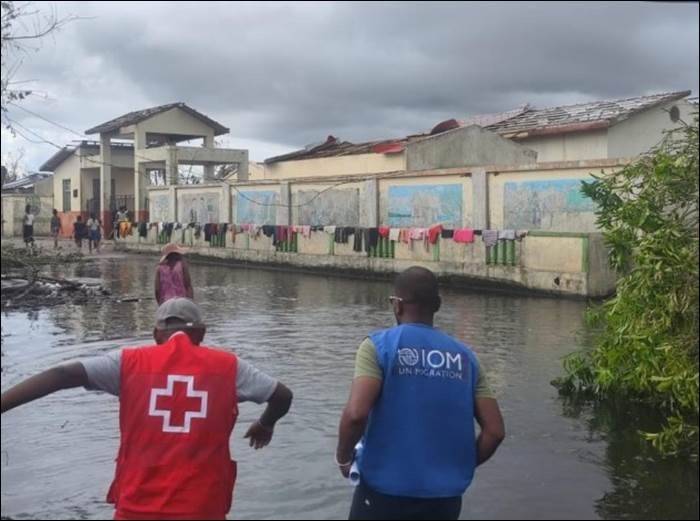
Ten days later, Tropical Cyclone Gezani roared ashore as a Category 4 Cyclone, with maximum sustained winds of 155 miles per hour and heavy rains hitting central-western Madagascar. A total of 478,000 people were affected by Gezani, with the highest impact in Toamasina, Madagascar’s second largest city. Roughly 75 percent of Toamasina was devastated by severe structural damage, uprooted trees and extensive infrastructure collapse.
The impact from the two cyclones has been severe, with 800 reported injuries, more than 70 deaths and 15 individuals missing. In addition to the devastation from the storms, some of the cyclone-affected districts are also facing additional complications including Mpox outbreaks in northern regions and food insecurity in eastern and southern Madagascar.
The Malagasy Red Cross Society deployed early action preparedness activities to support communities prior to the landfall of both cyclones. For Tropical Cyclone Fytia, 70 volunteers were mobilized to carry out preparedness and response activities, including the distribution of shelter kits; kitchen sets; water, sanitation and hygiene kits; and dignity kits. For Cyclone Gezani, nearly 90 volunteers were deployed to deliver early warnings and support across eight primary sites. These volunteers alerted approximately 300 people and distributed dignity kits. They also conducted alert messaging and awareness activities.
The American Red Cross has contributed $300,000 to the IFRC Emergency Appeal to assist the Malagasy Red Cross Society.
SRI LANKA
Tropical Cyclone Ditwah made landfall on the eastern coast of Sri Lanka in the early morning of November 28, 2025, unleashing unprecedented rainfall and severe weather impacts across the country for several days. The stalled system led to significant flooding and landslides across all 25 provinces of the country. In total, the tropical cyclone, and resulting flooding, impacted more than 1.7 million people, destroyed more than 100,000 homes and tragically killed over 650 people, with more than 150 individuals still reported as missing.
The cyclone also caused massive infrastructure damage, submerging roads, destroying bridges and cutting off key transportation routes. Months later, access remains limited – more than 200 roads and over 20 bridges are still damaged. Widespread power outages and damaged communication systems further isolated communities and limited their ability to access essential goods such as food, medicine and clean water. Remote areas were incredibly difficult to access and crops across the country were destroyed.
The President of Sri Lanka declared a nationwide state of emergency. Across the country, people are in need of emergency shelter and supplies, drinking water, food, hygiene items and access to health services. Mental health and psychosocial support for those impacted is also a concern.
In response, the Sri Lanka Red Cross Society (SRCLS) activated all 25 branches and deployed some 300 volunteers to help. SRCLS has focused on clean-up campaigns, distributing relief supplies, providing emergency first aid services and supporting cash and volunteer assistance programs. To date, SRCLS has reached more than 46,000 people through their relief efforts.
The American Red Cross has contributed $300,000 to the IFRC Emergency Appeal to assist the Sri Lanka Red Cross Society with providing cash grants for shelter and recovery, along with water, sanitation and hygiene programs.
FLOODING IN MOZAMBIQUE
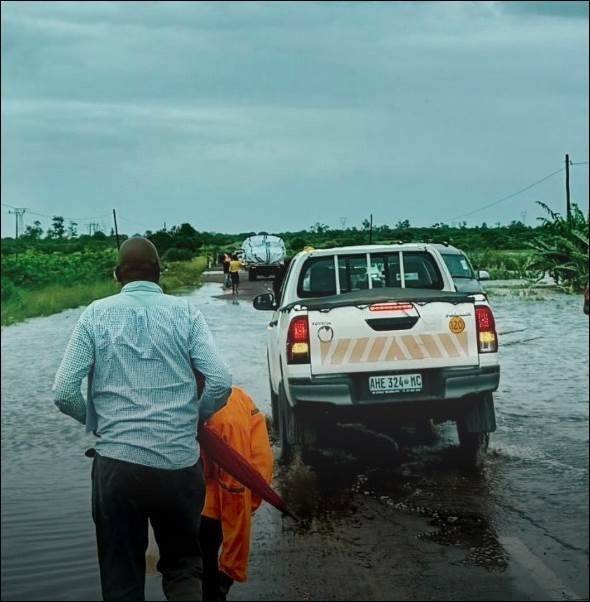
There is a growing crisis in Mozambique driven by prolonged heavy rains and widespread flooding across the country. Official data indicates more than 724,000 people have been affected by the flooding nationwide. Tragically, more than 200 people have died and nearly 300 were injured in the disaster.
More than 180,000 homes were flooded, leaving more than 400,000 people displaced. Additionally, damage to roads and sanitation infrastructure has been extensive, limiting access to some areas, disrupting the delivery of help. Preliminary damage assessments estimate losses at $220 million USD.
More rain is forecast which will bring more flooding to thousands of families that have already experienced flooding this year. Across the country, people are in need of emergency shelter, food, water, emergency health services, and hygiene items.
Since the rains began, the Mozambique Red Cross Society (CVM) has deployed response teams, implemented anticipatory actions, supported evacuations and prepositioned emergency supplies. Currently, CVM teams are supporting shelters, assisting with search and rescue efforts and providing first aid services.
The American Red Cross has contributed $300,000 to the IFRC Emergency Appeal to assist the Mozambique Red Cross Society with cash grants.
About the American Red Cross:
The American Red Cross shelters, feeds and provides comfort to victims of disasters; supplies about 40% of the nation’s blood; teaches skills that save lives; distributes international humanitarian aid; and supports veterans, military members and their families. The Red Cross is a nonprofit organization that depends on volunteers and the generosity of the American public to deliver its mission. For more information, please visit redcross.org or CruzRojaAmericana.org, or follow us on social media.
Support all the urgent humanitarian needs of the American Red Cross.
Find a drive and schedule a blood donation appointment today.
Take a class and be ready to respond if an emergency strikes.