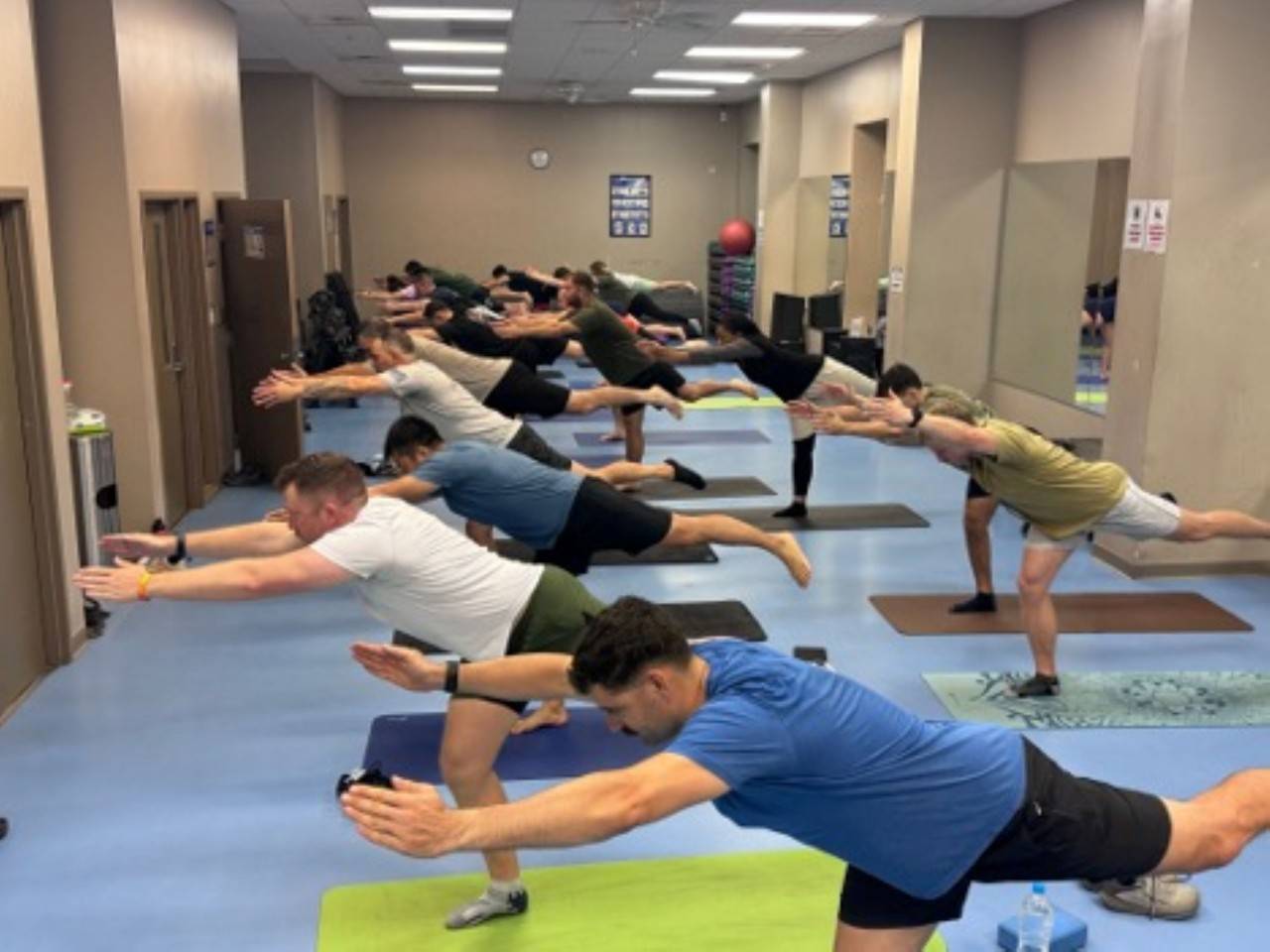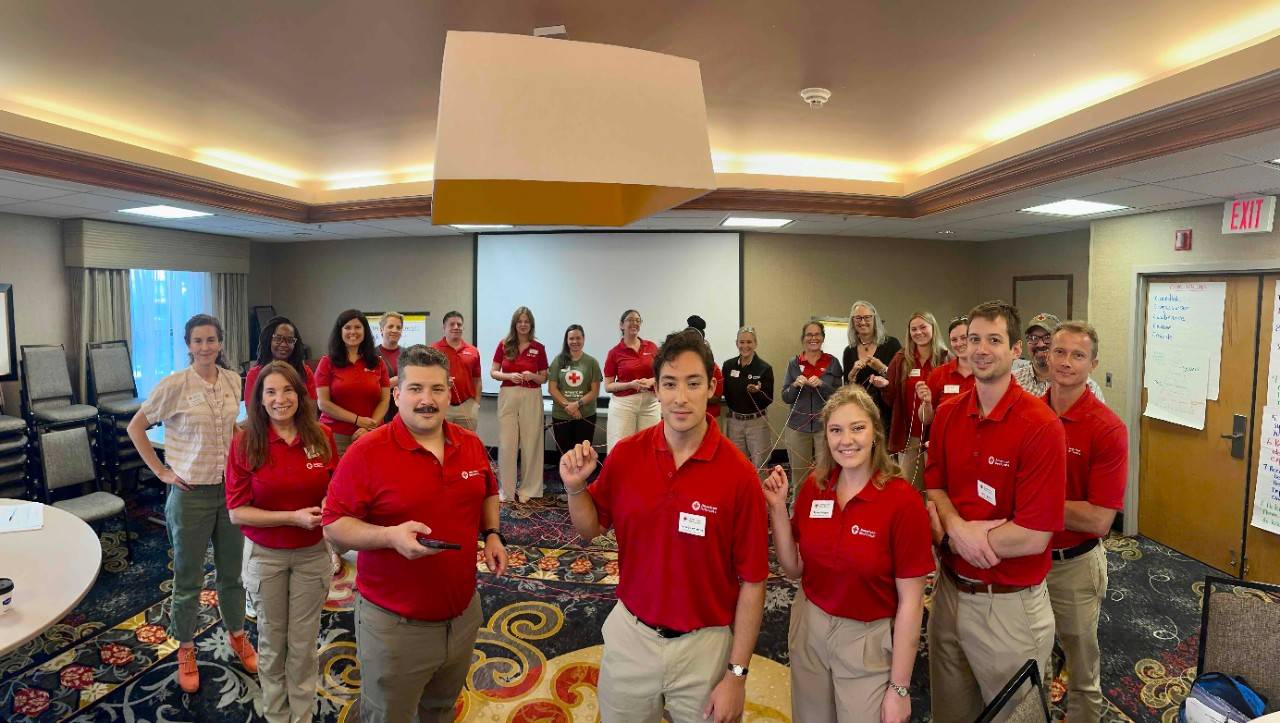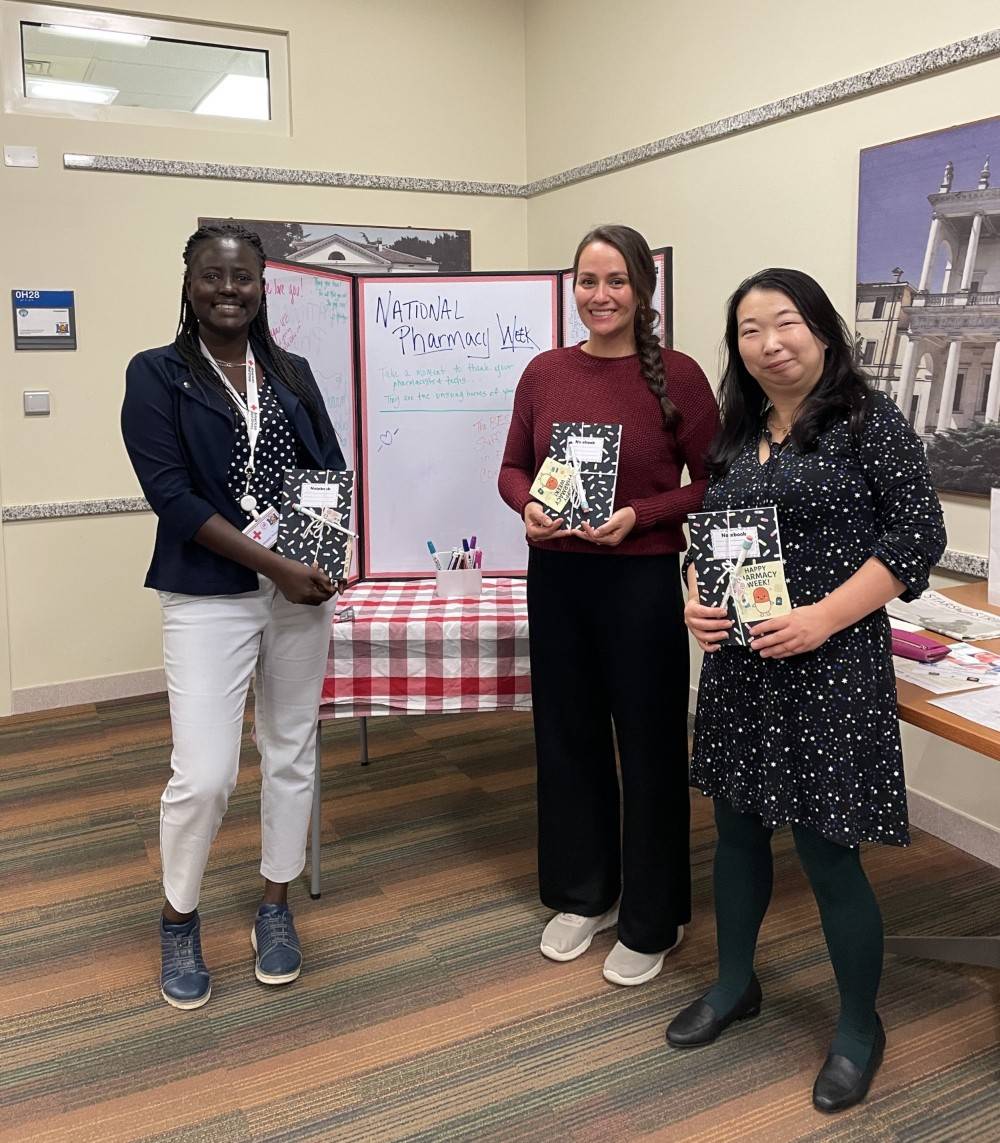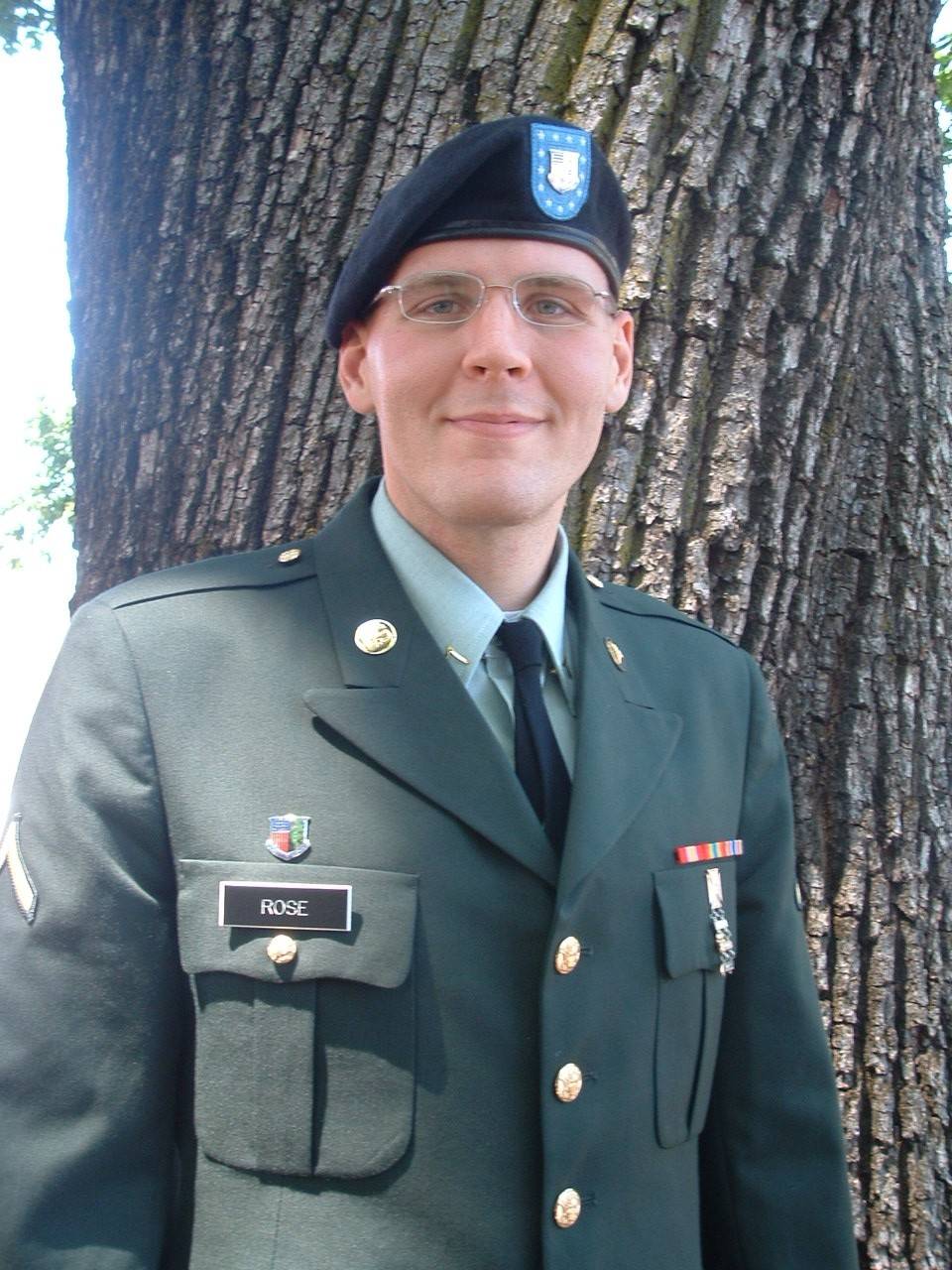
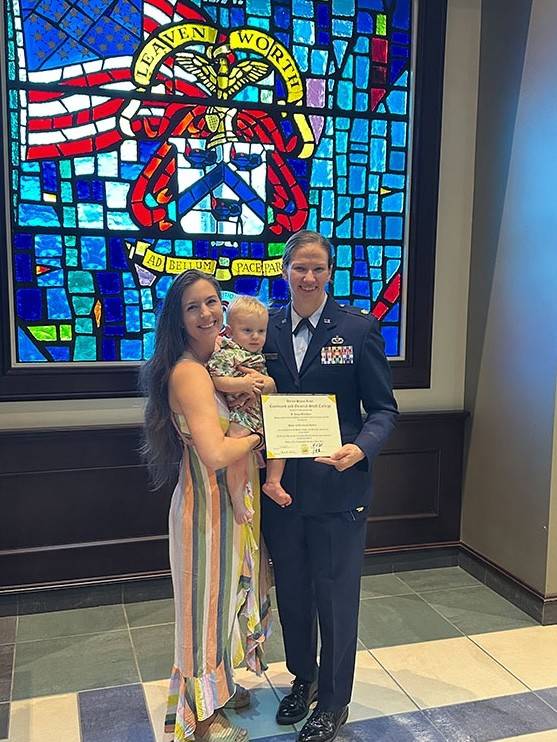
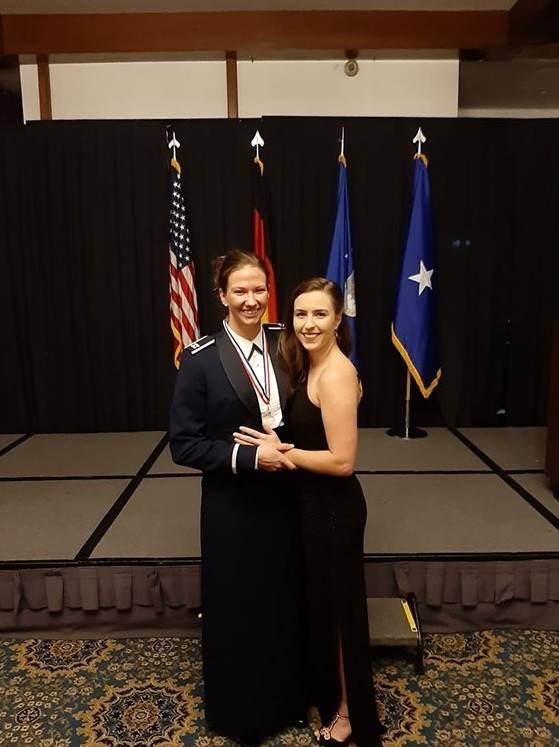
When disaster strikes, Riley shows up. As a longtime American Red Cross volunteer — and at times, employee — she has deployed to Kuwait and Romania, responded to local emergencies, and made it her mission to ensure that no one in crisis feels alone. But to understand what drives her, you have to understand where she comes from: the world of a military spouse, where resilience isn’t optional, and community is everything.
Military life, Riley says, is “kind of like living in an alternate reality.” While others settle near family and friends, military spouses pack up and start over — again and again. But Riley and her wife Paige have chosen to see it differently, turning every new assignment into an adventure and building friendships across the globe. “At the end of the day, I am my wife’s biggest fan. But she is also mine, and we both know that neither of us could do it without the other.”
That same mindset fuels Riley’s Red Cross volunteer work. Military spouses don’t have time to ease in slowly, and neither does Riley. Two philosophies from former Arizona/New Mexico Red Cross CEO Kurt Kroemer have stuck with her for years: “Velocity is important — perfection is the enemy” and “Feeling belonged is paramount — it’s a moral imperative.” Having felt alone and overwhelmed in a new place many times over, Riley makes sure no one in her orbit feels that way. “I will sit with you as long as it takes, and we can figure it out together.”
Military spouses are often called resilient, but Riley is quick to add nuance: “You don’t just get married and build it overnight.” It comes from doing hard things, over and over — moving, unpacking, finding new doctors and schools and friends, holding the family together through long deployments, and then doing it all again. That steadiness now shows up in every Red Cross response. “Nothing really surprises me anymore,” Riley says. And alongside that steadiness: deep empathy, born from years of knowing exactly what it feels like to start over.
Riley has volunteered, worked as a Red Cross employee, and volunteered again — including deployments to Kuwait and Romania to support service members firsthand. What has moved her most is watching what happens after military careers end: veterans, retirees, and spouses who spent years depending on community support programs turning around and giving back. “It has been my absolute honor to work alongside them,” Riley says. “That’s the thing about service. Once it’s in you, it doesn’t really stop.”
The Red Cross has a global reach. By leveraging a network of staff and volunteers across the country and around the world, each year, the Red Cross assists tens of thousands of military families through in-person and virtual programs and services on hundreds of military bases, medical facilities and deployment sites worldwide. To learn more about Red Cross Service to the Armed Forces, go to www.redcross.org/SAF.
About the American Red Cross:
The American Red Cross shelters, feeds and provides comfort to victims of disasters; supplies about 40% of the nation’s blood; teaches skills that save lives; distributes international humanitarian aid; and supports veterans, military members and their families. The Red Cross is a nonprofit organization that depends on volunteers and the generosity of the American public to deliver its mission. For more information, please visit redcross.org or CruzRojaAmericana.org, or follow us on social media.
Support all the urgent humanitarian needs of the American Red Cross.
Find a drive and schedule a blood donation appointment today.
Take a class and be ready to respond if an emergency strikes.