Military families are no strangers to frequent moves and starting over. Red Cross Career Enhancement Programs offer dependents (and CAC-card holders) the opportunity to develop professionally while filling unique needs in their community.
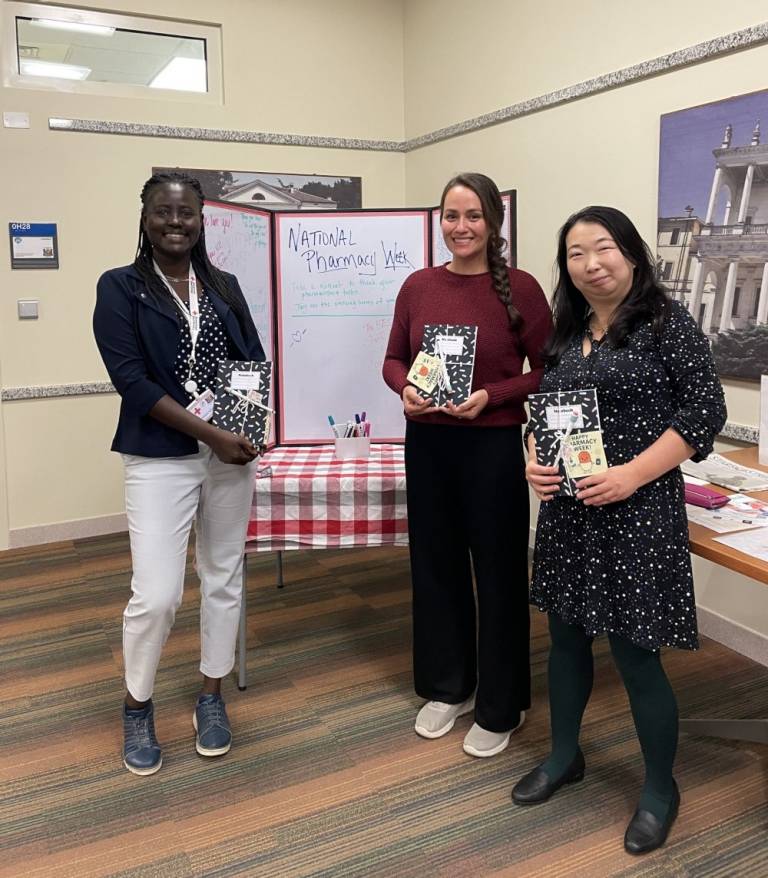
In the small town of Vicenza, in northern Italy, the American Red Cross has launched its first overseas pharmacy technician training class, part of a larger Career Enhancement Program in partnership with the Defense Health Agency. The inaugural group includes three military spouses volunteering their time to learn a skill that supports the military community. Their work helps fill critical gaps in pharmacy services when soldiers are deployed but patient needs continue.
Antoinette Richard is a pharmacist at the Vicenza Health Clinic and a dedicated volunteer with the Red Cross. She runs the pharmacy technician training program at the clinic. Antoinette has a strong history of volunteering for the Red Cross, a commitment that her husband and children also embrace, starting before their relocation to Italy.
“Like myself, I know that a lot of spouses, when you are stationed overseas, want to be helpful to the community in any way we can,” Antoinette said. “It's natural, I think, to use an existing skill set to kind of see where you can fit in that puzzle.”
The real value shows up when things get hectic. Because many pharmacy technicians are active-duty service members, it’s not uncommon for them to be pulled away for additional duties or other assignments. When that happens and the pharmacy team is stretched thin, these volunteers step in as the backbone that keeps everything moving. Antoinette has seen that impact on the ground.
“I can tell you firsthand that having Red Cross pharmacy technicians present not only enables spouses to develop marketable skills they can carry with them but also ensures that the clinic's pharmacy operations run smoothly,” Antoinette said. “This is especially important when soldiers are called away for additional duties or tasks, as the volunteers help maintain overall readiness.”
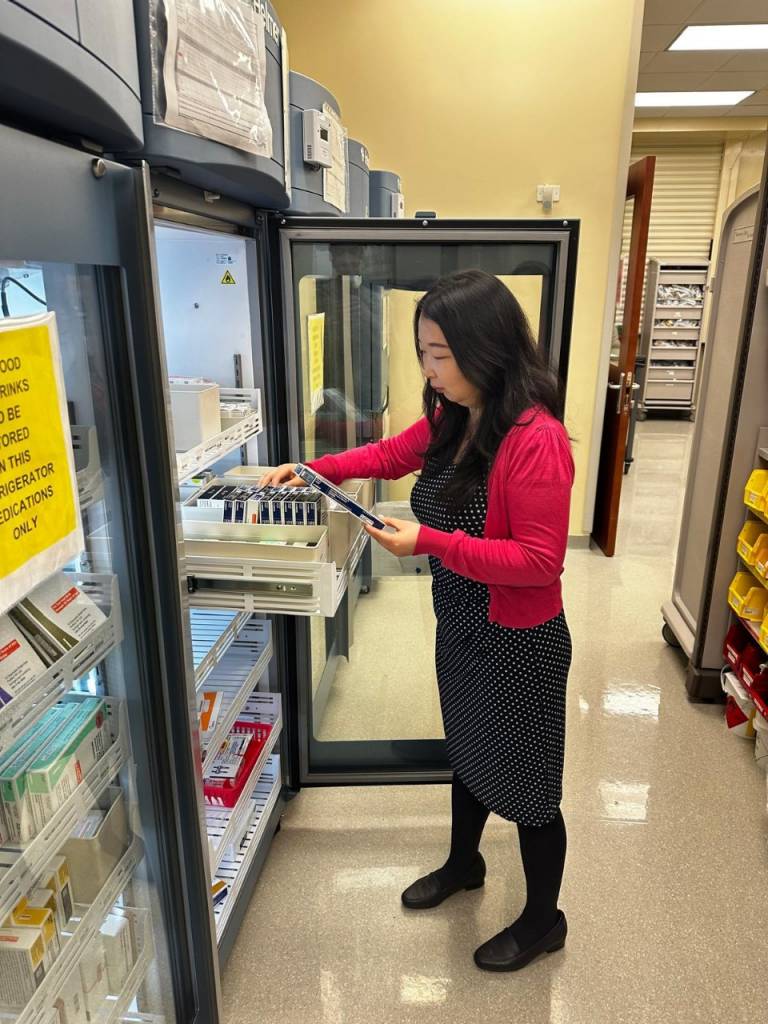
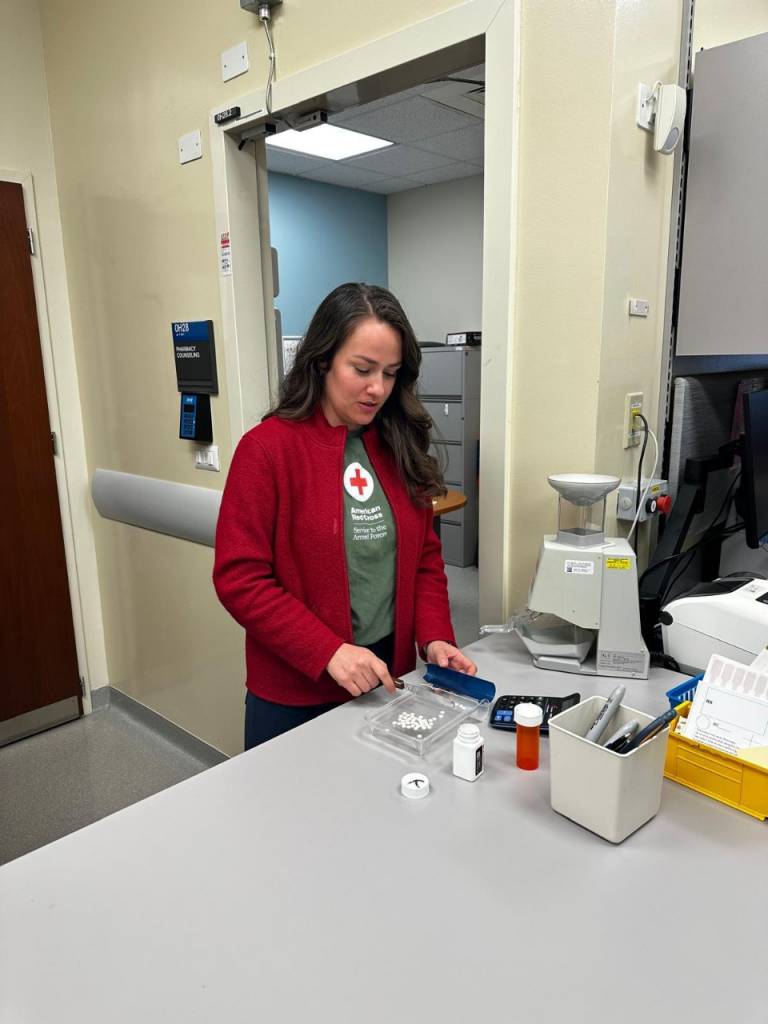
The training program is designed to meet the specific requirements totaling 500 hours spread throughout the year. The inaugural class has already completed their fall instructional sessions and is currently in the clinical phase, putting their classroom knowledge to the test in the pharmacy. The goal is for each volunteer to pass the certification exam by the end of Spring.
“Since then they've been doing direct patient care. Starting with more close shadowing with either myself or one of the other technicians that are there. Most of those 500 hours have been hands-on and will continue to be hands-on throughout the rest of the training,” Antoinette said.
The program is part of a larger effort to promote whole health and wellness amongst military families whose lives are subject to stress and disruptions due to frequent moves, or PCS (permanent change of station). Across the U.S. and on installations overseas, dependents already participate in well-established Dental Assistant Programs, which have demonstrated how hands-on medical training benefits both families and the clinics that serve them.
Antoinette shared that the program offers flexible scheduling to accommodate personal and family needs. Classes meet three days a week for four to six hours, with the option to make up time if conflicts arise.
In a tight-knit community, familiarity and trust can make all the difference in healthcare. Residents often see the same faces at school, local events, and in everyday life, which extends into their interactions with healthcare providers.
“I think it's important that you know when you are talking to a patient and you want them to be able to not only understand their medications and what it's for, but also to just get a little bit more commitment from the patient as far as adhering to the medication regimen,” Antoinette explained. “It's important when you have a familiar face, somebody that's a neighbor or you know your kids play together. That makes a really big difference when you are forming a relationship and kind of leveraging that relationship.”
For Antoinette, there’s a strong sense of optimism about the program’s future. She hopes not only to guide the current volunteers through certification as pharmacy technicians, but also to see them remain involved, sharpening their skills and helping train the next group. Susan Lewis, a program specialist with the American Red Cross Service to the Armed Forces program, echoed that optimism.
“From a Red Cross standpoint, we want the success of this one to spread to other stations,” Susan said. “If the hospital system understands the positive impact that it can have, more and more stations will be able to get their commands to say yes to this.”
At its core, the program is about more than staying busy. It’s about finding purpose while living far from loved ones and building a sense of belonging in the community around them.
“I can tell you from personal experience, I think moving, particularly overseas, can be really difficult to adjust to. I think a program like this was helpful for me as a volunteer, and I think it's helpful for other spouses because the hardest part when you go overseas is to kind of form a sense of community,” Antoinette shared. “Having something like this that gives you an opportunity to put a skill set to use or learn something new and be part of the community kind of helps break down some of the hardship that really can come with being stationed overseas in an environment that's unfamiliar.”
The success and popularity of Career Enhancement Programs like Vicenza's underscore the public need and enthusiasm for opportunities that build portable skills and strengthen communities.
About the American Red Cross:
The American Red Cross shelters, feeds and provides comfort to victims of disasters; supplies about 40% of the nation’s blood; teaches skills that save lives; distributes international humanitarian aid; and supports veterans, military members and their families. The Red Cross is a nonprofit organization that depends on volunteers and the generosity of the American public to deliver its mission. For more information, please visit redcross.org or CruzRojaAmericana.org, or follow us on social media.
Support all the urgent humanitarian needs of the American Red Cross.
Find a drive and schedule a blood donation appointment today.
Take a class and be ready to respond if an emergency strikes.