Wildfire Awareness Month and National Hurricane Preparedness Week both take place in May – making it an ideal time to prepare if you live in areas at risk for these disasters.
Multiple areas of the country are expected to face an above-normal wildfire potential, including the High Plains, Southwest, much of the Southeast, the southeast Atlantic coast and Florida, northern California and the Inland Northwest. In the West, above-normal potential is expected to cover a broader area overall.
While it’s too early for an official outlook from the National Hurricane Center, one early forecast calls for 4 to 7 hurricanes, including 2 to 4 major storms and 3 to 5 potential direct impacts to the U.S.
We’ve put together these ten questions and answers to help you get your household ready.
Q1. Why is it important to prepare your household for an emergency?
Emergencies can happen anywhere, at any time. Being prepared is your best defense ─ make a plan to help keep you and your loved ones safe.
Q2. What’s my first step?
It’s important to know what hazards may affect your community. Some disasters can happen anywhere, while others are more common in certain areas. Contact your local emergency management to learn what hazards may affect your community, and sign up for free emergency alerts from your local government. Make sure you know what different types of alerts mean. For example, a WATCH means be prepared, and a WARNING means take action.
Q3. What should I include in my plan?
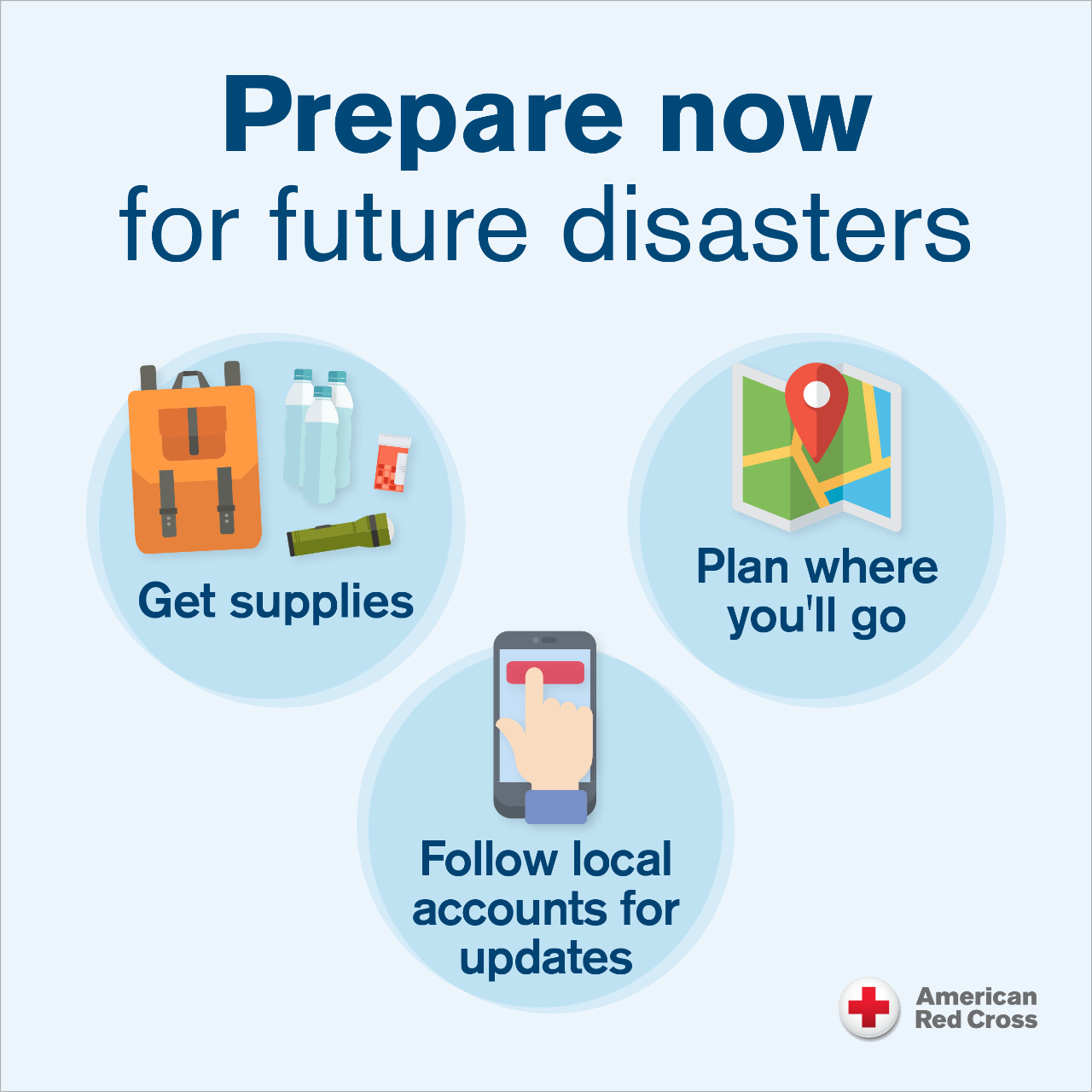
You and members of your household should have a plan to evacuate and a plan to shelter safely at home. Your evacuation plan should include knowing where you’ll go, how you’ll get there, and where you’ll stay. Your stay-at-home plan should focus on gathering the right supplies so that you can live safely without power, water, gas, phone or internet for a long time.
Families may need to evacuate quickly with little notice. Plan on how you will reconnect with loved ones if you are separated or if the phone or internet is down. Write down important phone numbers on a contact card and carry it with you. Figure out how you’ll stay informed, how you will monitor local weather and news reports even if the power goes out. Have a backup battery or another way to charge your cell phone, and a battery-powered or hand-crank radio.
Q4. OK, I have a plan. What else should I do?
It’s also important to have a go-kit and a stay-at-home kit filled with critical supplies like food, water and medicine. Your go-kit should include three days of supplies that you can carry with you. Include backup batteries and chargers for your devices (cell phone, CPAP, wheelchair, etc.) Your stay-at-home kit should have two weeks of food and water, and, if possible, a one-month supply of medications and medical supplies.
If you have pets, include leashes, carriers, food, bowls, litter, litterbox and photos of you with your pet in case you’re separated. If you have young children, include diapers, wipes and formula.
Keep your important papers ─ personal, financial and medical records ─ in a safe place that’s easy to access (hard copies or securely backed up). Consider keeping a list of your medications and dosages on a small card to carry with you.
Q5. Should I check on my loved ones?
Once you’ve got your plan ready and kits packed, check with loved ones and neighbors to see if they need help with their plan. You could save a life just by sending a text, making a call or knocking on their door.
Q6. I tend to focus on my phone for information. Are there any Red Cross apps I should get?
The free Red Cross Emergency app includes short guides to help you prepare, National Weather Service alerts, help locating Red Cross shelters, all available in English or Spanish, and designed with accessibility in mind. Our free First Aid App puts expert advice for common emergencies at your fingertips. Videos, interactive quizzes and simple step-by-step advice makes learning easy and engaging. You can access your course certifications, new lifesaving First Aid content, and locate your nearest hospital in case of emergency. Select English or Spanish language with an in-app toggle. Download both by searching for ‘American Red Cross’ in your app store or at redcross.org/apps.
Q7. Help can be delayed, sometimes first responders can’t get to everyone right away. Is there a class I can take to learn how to care for someone until professional help arrives?
Take a Red Cross first aid course so you’ll know what to do if help is delayed. You’ll learn skills to help you respond when moments matter, to care for people in crisis as they wait for medical professionals to arrive.
Q8. I’d like to be able to help if something happens in my community. What do I have to do to become a Red Cross volunteer?
There are many ways you can help. Each day, our volunteers support blood drives, assist the military, veterans and military families and provide food and shelter after disasters of all sizes. Our volunteer opportunities match a wide range of interests and time commitment. Visit redcross.org/volunteer to get started today.
Q9. I live in an area where hurricanes are a threat. Are there things I can do now to get
my home ready?
Plan on securing items outside that could be picked up by high winds and hurt someone.
Trim or remove trees close enough to fall on your home. Get storm shutters or pre-cut plywood to protect windows. Clean drains, gutters and downspouts. Consider installing a sump pump and elevating your heating system, water heater and electric panel.
Q10. My region is prone to wildfires. Are there steps I can take now to be better protected should a fire start nearby?
You may have to leave your home quickly. Know where you will go, how you will get there, and where you will stay. Have different escape routes and practice them so everyone in your household is familiar with them. Have an evacuation plan for pets and livestock. Ensure your gas tank is full and you are ready to leave at a moment’s notice.
About the American Red Cross:
The American Red Cross shelters, feeds and provides comfort to victims of disasters; supplies about 40% of the nation’s blood; teaches skills that save lives; distributes international humanitarian aid; and supports veterans, military members and their families. The Red Cross is a nonprofit organization that depends on volunteers and the generosity of the American public to deliver its mission. For more information, please visit redcross.org or CruzRojaAmericana.org, or follow us on social media.
Support all the urgent humanitarian needs of the American Red Cross.
Find a drive and schedule a blood donation appointment today.
Take a class and be ready to respond if an emergency strikes.