Cardiac arrest can happen to anyone, anywhere, at any time, sometimes without warning.
When we know what to look for and how to respond to an emergency, we’re better prepared to help the people we care about. That’s especially important with sudden cardiac arrest, which may not always look or happen the way we expect.
There’s no one picture of someone who could experience cardiac arrest. It could happen to an athlete, a parent, or even a young person. Learning CPR and how to use an AED can help turn a bystander into an important link in the chain of survival.
This Sudden Cardiac Arrest Awareness Month, the American Red Cross is helping people look beyond some common misconceptions about cardiac arrest and understand the power we all have to help save lives.
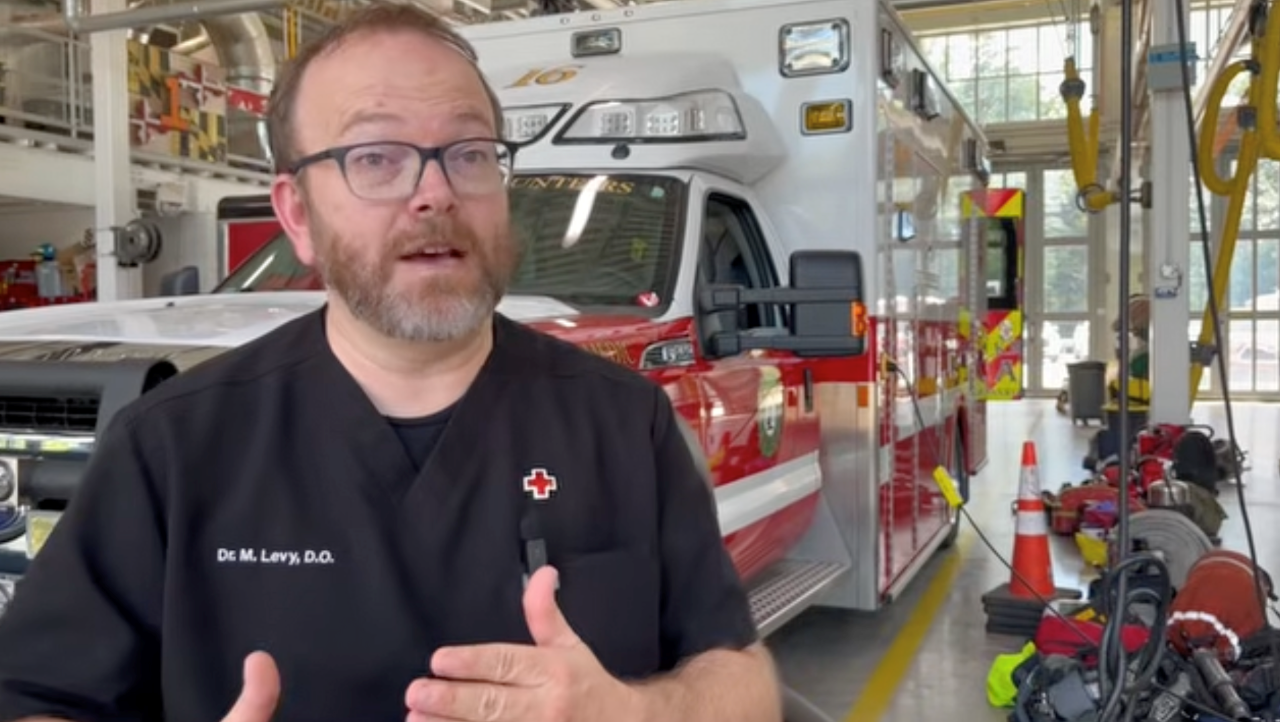
"Immediate CPR can double or even triple a person’s chance of survival during cardiac arrest. Bystanders are often the first ones on the scene of an emergency, which is why learning CPR and how to use an AED is so important. Training gives people the skills and confidence to step in and help when someone needs it most.” - Dr. Matthew Levy, American Red Cross Training Services Medical Director
Cardiac Arrest Can Happen to Anyone
Cardiac arrest happens when the heart suddenly stops beating or beats too ineffectively to circulate blood to vital organs. It can happen to anyone, anywhere, and at any time – sometimes without warning. Yet misconceptions about who experiences cardiac arrest and where it happens can make it easy to assume that helping is someone else’s responsibility.
These lifesaving stories show why preparedness and training matter.
You Can Appear Healthy and Active and Experience Cardiac Arrest
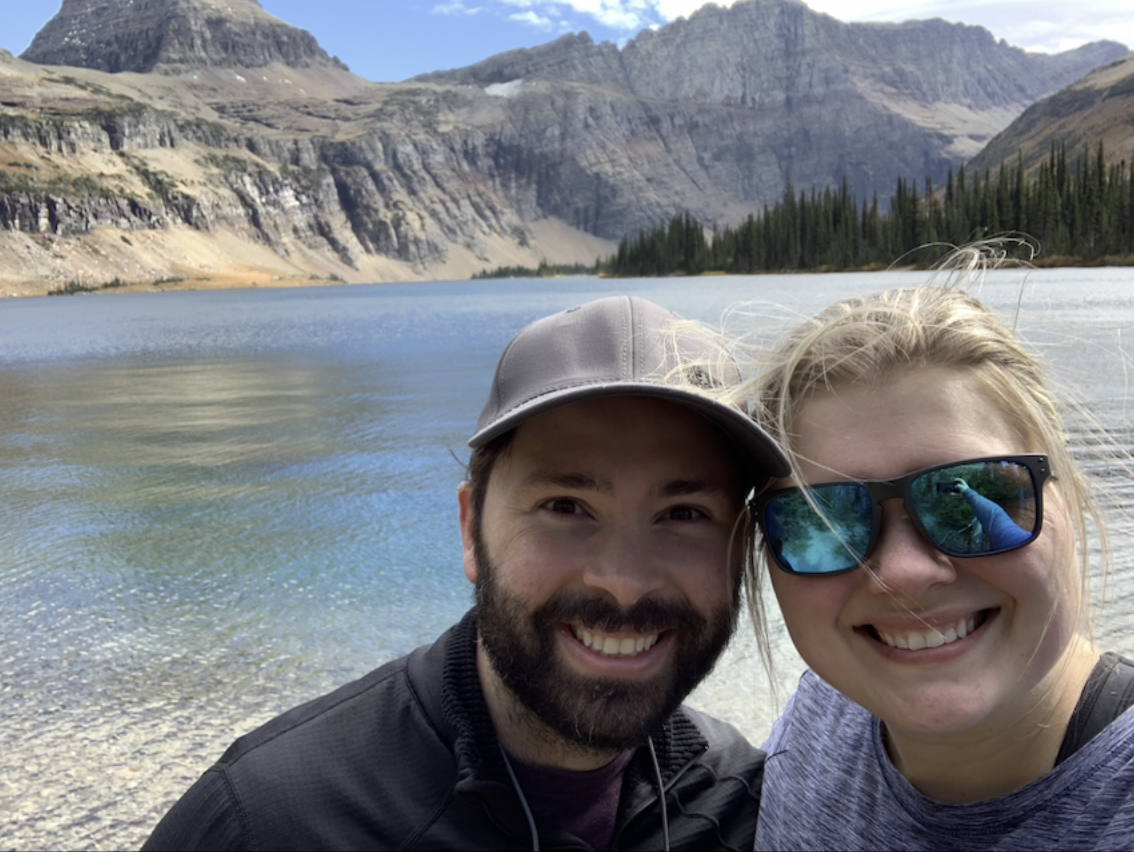
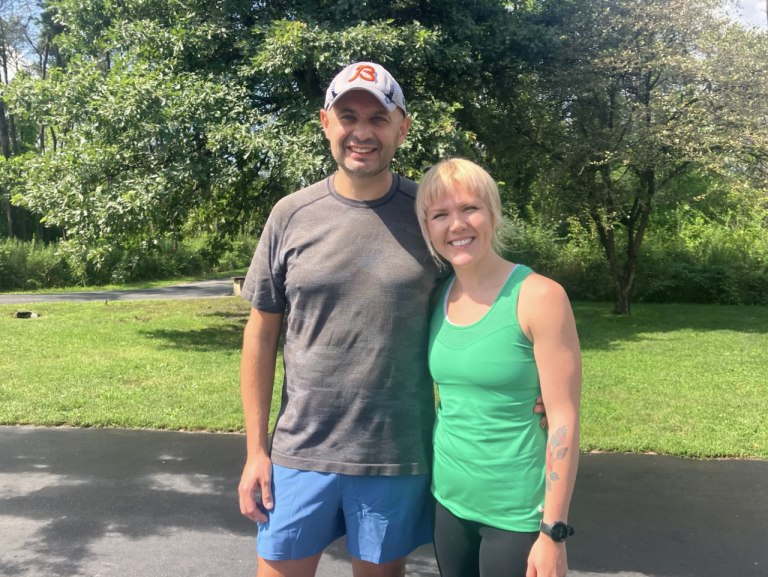
In fact, experiencing cardiac arrest can be the first sign that there’s an issue. Experienced runner Wojciech Wilczynski never had any symptoms but went into sudden cardiac arrest while training for a marathon on a trail with friends. Luckily, fellow runner Stephanie Koklys called 911 and performed CPR until first responders arrived to take over. “I remember thinking, ‘just do the best you can,’” Stephanie said. “It’s go time.” Wojciech woke up in the hospital days later learning he had coronary heart disease. He survived and is doing well, while forever grateful that Stephanie knew what to do before he could get to a hospital.
Hospitals Are Not Where Most Cardiac Arrests Happen
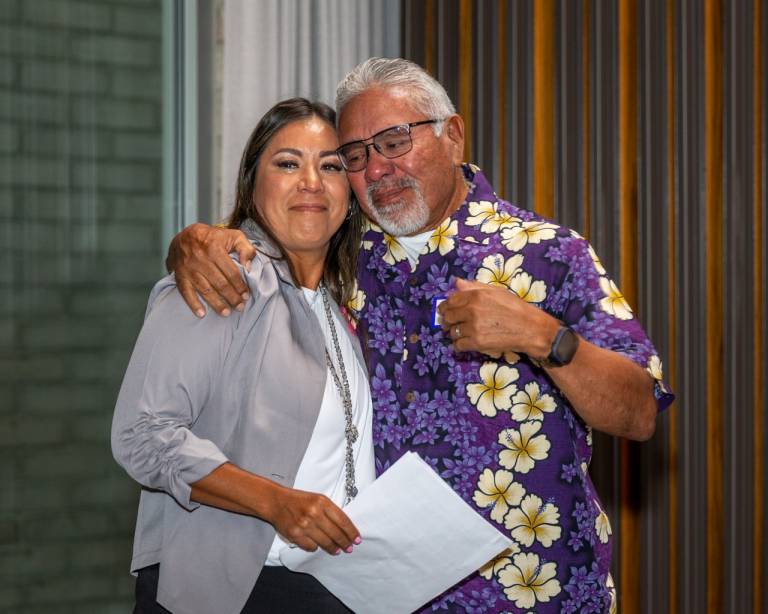
Out of hospital cardiac arrests account for more than 70% of all cardiac arrests. That means this kind of emergency is more likely to happen at home, at work, or in the community. Tina Royer never thought a day at the softball field would turn into her needing to use CPR on her own father. The two coach softball together. During one practice, her dad suddenly wasn’t feeling well. He went into cardiac arrest but survived because Tina knew what to do. Training matters," Tina said. "I was trained my whole life in CPR, and I never knew that this training would prepare me to save my dad's life."
Cardiac Arrest Can Happen at Any Age
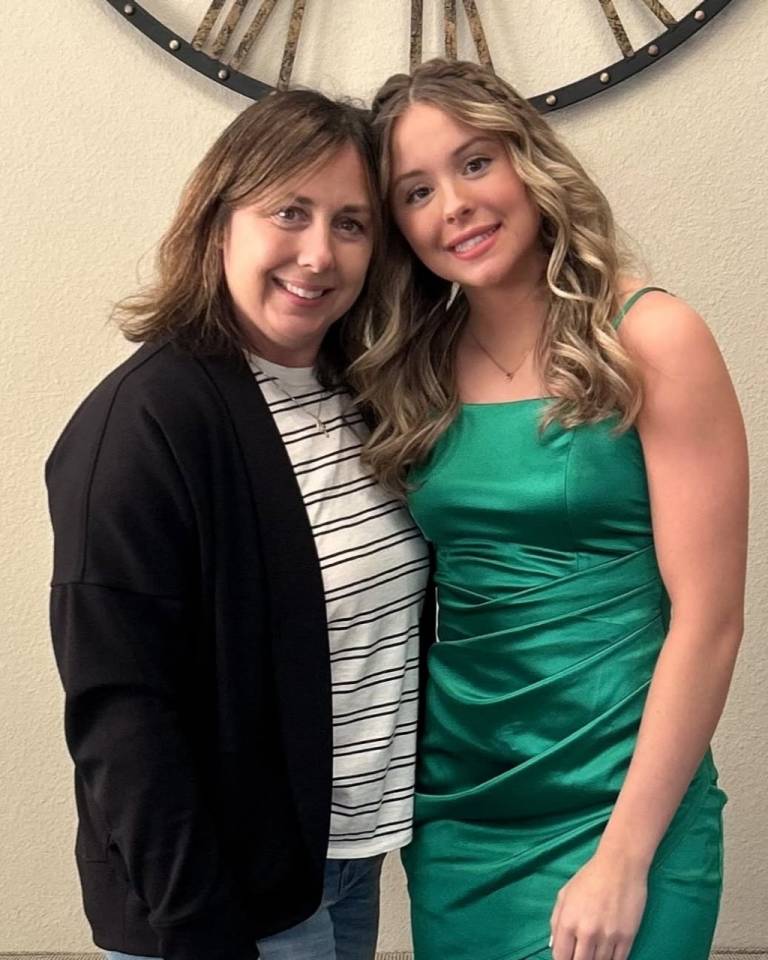
Jessica came face to face with that reality after she needed to save her teen daughter’s life. Her daughter, Jocelyn, was pulled from a lake without a pulse and not breathing. With spotty cell phone service as they tried to call for help, she knew Jocelyn’s life depended on her to do CPR. “Nothing prepares you for doing it on your own child,” Jessica said. Thanks to her mom’s skills and quick action, Jocelyn made a full recovery.
You Can Help: Training Builds Skills and Confidence to Act
Knowing how to recognize cardiac arrest and respond quickly can help save a life. A person experiencing cardiac arrest may suddenly collapse, become unresponsive, and stop breathing normally or only gasp for air. If you suspect someone is in cardiac arrest:
This Sudden Cardiac Arrest Awareness Month, make a pledge to learn CPR and how to use an AED to be there for the ones you love and your community. You may learn these skills and never need to use them, but if that moment comes, you can act with skill and confidence when seconds count. Find a lifesaving class near you at redcross.org/takeaclass.
About the American Red Cross:
The American Red Cross shelters, feeds and provides comfort to victims of disasters; supplies about 40% of the nation’s blood; teaches skills that save lives; distributes international humanitarian aid; and supports veterans, military members and their families. The Red Cross is a nonprofit organization that depends on volunteers and the generosity of the American public to deliver its mission. For more information, please visit redcross.org or CruzRojaAmericana.org, or follow us on social media.
Support all the urgent humanitarian needs of the American Red Cross.
Find a drive and schedule a blood donation appointment today.
Take a class and be ready to respond if an emergency strikes.