
Winter is here with its cold temperatures and frigid wind chills causing many of us to shiver just thinking about the weather.
The forecast is calling for cold Arctic air to hit much of the U.S. ─ from the Midwest to the Northeast ─ and these frigid conditions could keep their grip on the weather into next month.
This weather can be dangerous, bringing an increased threat of frostbite and hypothermia. The American Red Cross offers 10 steps people can follow to help them stay safe. And don’t forget your pets ─ visit here to get information on keeping them safe in cold weather.
1. Stay warm.
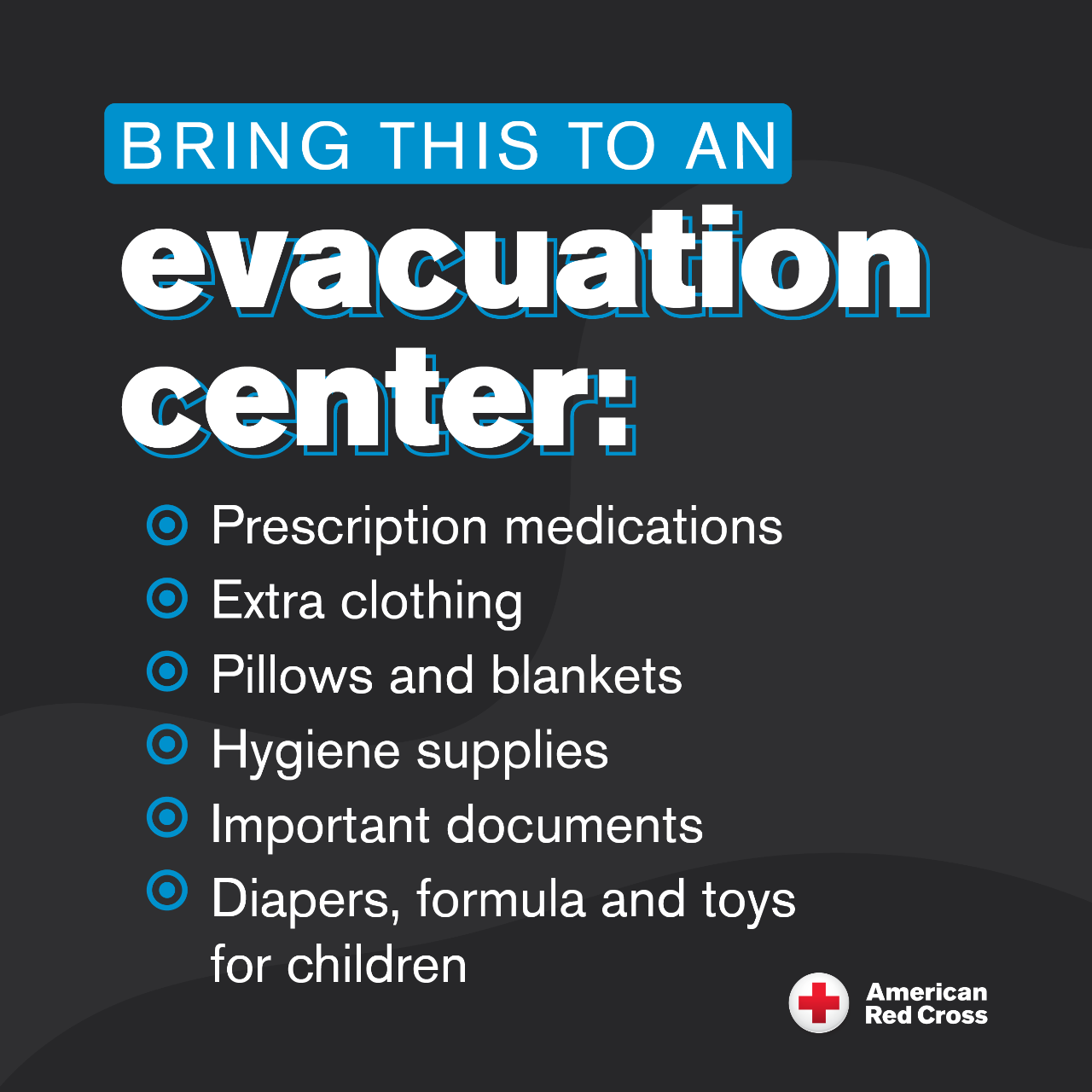
If your home becomes too cold, go to a public library, shopping mall or warming center
2. Heat safely.
Use care with space heaters and fireplaces to prevent fires. Keep anything that could catch fire at least 3 feet from the heat. Find more information on how to heat your home safely here.
3. Skip the candles.
Use battery-powered lights and flashlights instead of candles to prevent fires.
4. Carbon monoxide is deadly.
If you start to feel sick, dizzy or weak, get to fresh air right away. To prevent carbon monoxide poisoning, never use an oven to heat your home. Only use generators, grills and camp stoves outdoors and away from windows.
5. Look out for others.
Check with loved ones and neighbors to see if they need help. You could save a life just by sending a text, making a call or knocking on their door
6. Walk (and Drive) Like It’s Icy—Because It Is
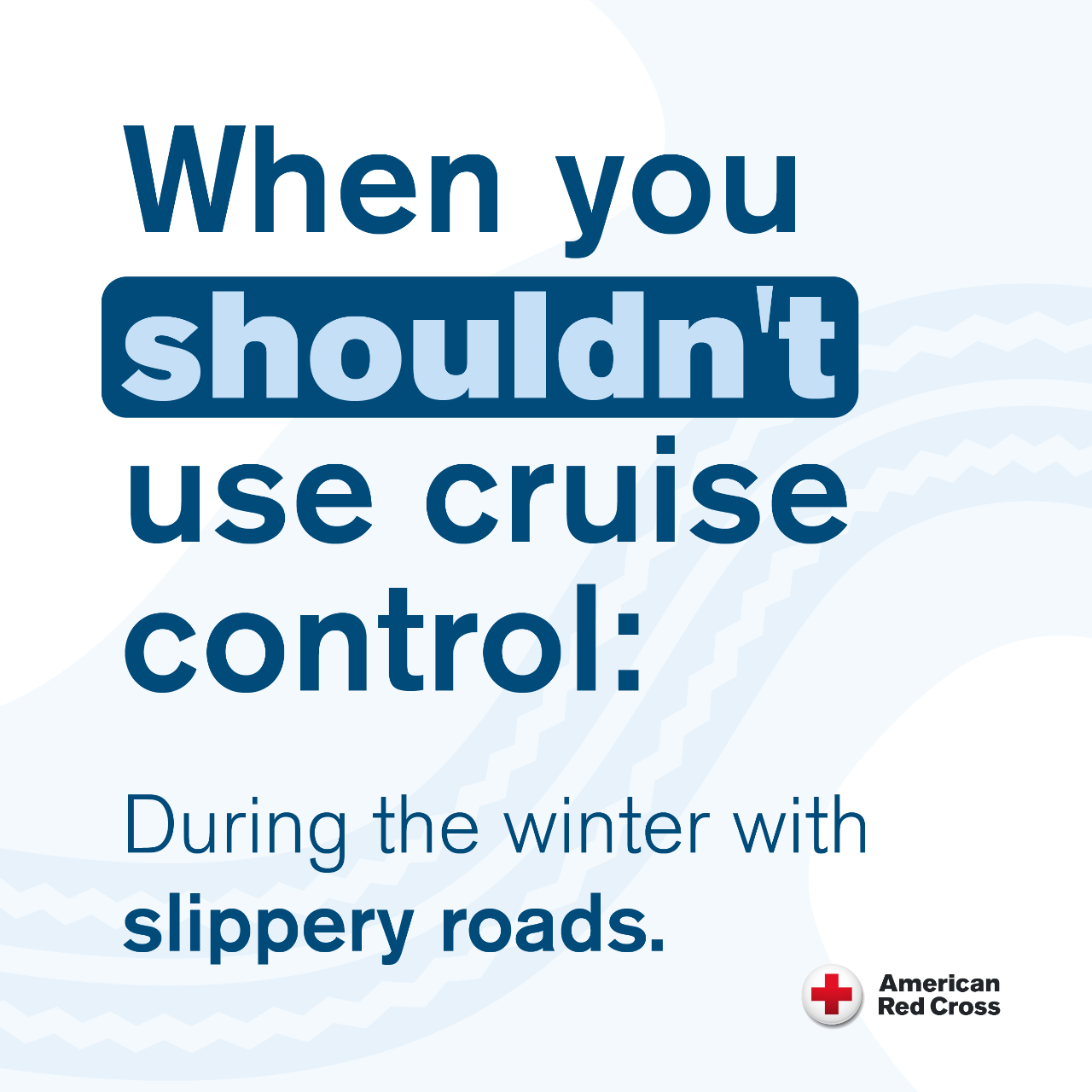
Be careful walking on snow or ice. Stay off the roads if you can during severe weather. If you have to go out during a winter storm, use public transportation if possible. If you must drive, slow down, increase following distance, and keep an emergency kit in your vehicle.
7. Layer like a pro.
Wear layers of loose clothing, a coat, hat, mittens and water-resistant boots. Use a scarf to cover your face and mouth.
8. Don’t overdo it.
Avoid overexertion when shoveling snow, and if possible, work with a partner and take frequent breaks.
9. Watch for Frostbite and Hypothermia
Stay warm to avoid frostbite and hypothermia. Your nose, ears, cheeks, chin, fingers and toes are often the first areas affected. Signs of frostbite include pain, numbness or a change in skin color. Signs of hypothermia, which can be deadly, often include shivering, confusion, drowsiness and slurred speech. Act fast and get out of the cold immediately if you see signs of hypothermia or frostbite. Get emergency medical care right away
10. Check out our apps.
Download the free Red Cross First Aid app so you’ll know what to do if emergency help is delayed and the free Emergency app for weather alerts, open Red Cross shelter locations and safety steps for different emergencies. Choose whether you want to view the content in English or Spanish with an easy-to-find language selector. Find these and all of the Red Cross apps in smartphone app stores by searching for the American Red Cross or going to redcross.org/apps.
About the American Red Cross:
The American Red Cross shelters, feeds and provides comfort to victims of disasters; supplies about 40% of the nation’s blood; teaches skills that save lives; distributes international humanitarian aid; and supports veterans, military members and their families. The Red Cross is a nonprofit organization that depends on volunteers and the generosity of the American public to deliver its mission. For more information, please visit redcross.org or CruzRojaAmericana.org, or follow us on social media.
Support all the urgent humanitarian needs of the American Red Cross.
Find a drive and schedule a blood donation appointment today.
Take a class and be ready to respond if an emergency strikes.