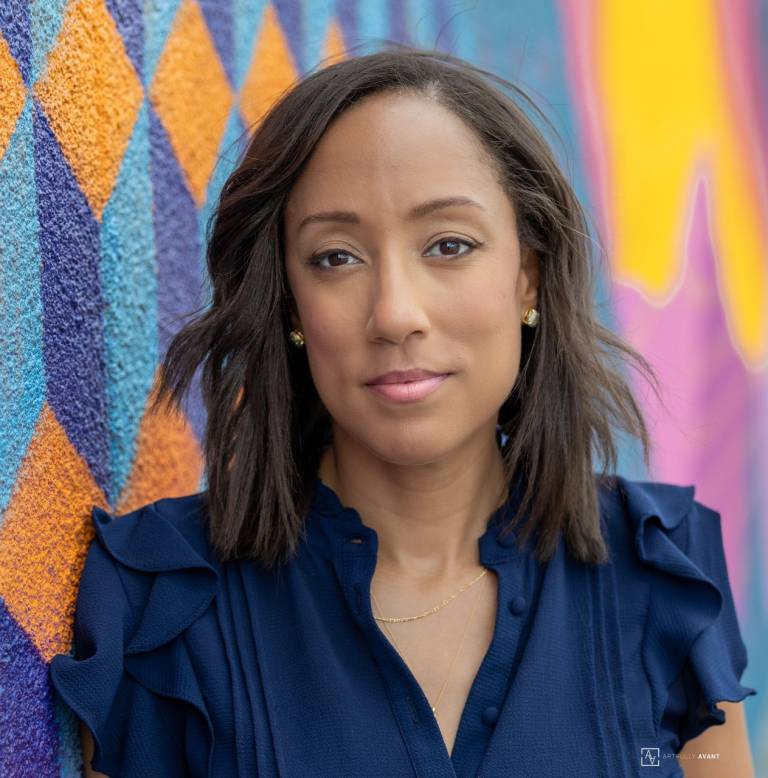
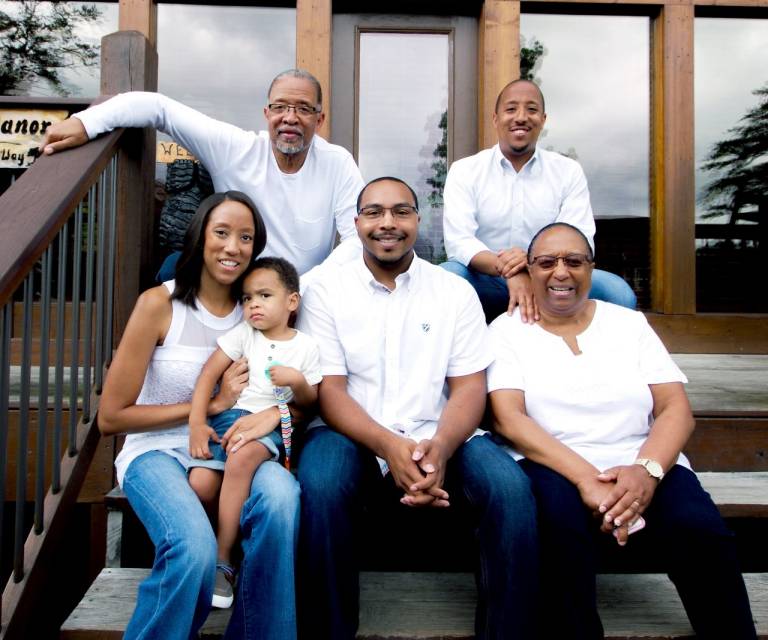
Ask Heather Avant about her life, and she will not begin with sickle cell disease. She begins at home. That home was Ypsilanti, Michigan, a small town just outside Ann Arbor, where her mother worked at the University of Michigan and her father as a presser at a dry cleaners. The daughter of a minister and a deacon, Heather was raised inside an order that never wavered: God first, family second, work and education third. Everything else, including the sickling cells in her blood, had to find its place behind the first two.
Heather and her older brother were both born with sickle cell SS, the most common and severe form of the disease. She spent her childhood in and out of the hospital, but her parents refused to let the disease define them. Heather and her brother rode bikes, climbed trees and jumped in the lake.
“Our lives didn’t revolve around it,” Heather says. “Sickle cell didn’t have us”.
What her parents gave her instead was trust in her own body. “You know your body better than anyone else,” they told her. “So, you will always need to advocate for your own care.”
Finding the light
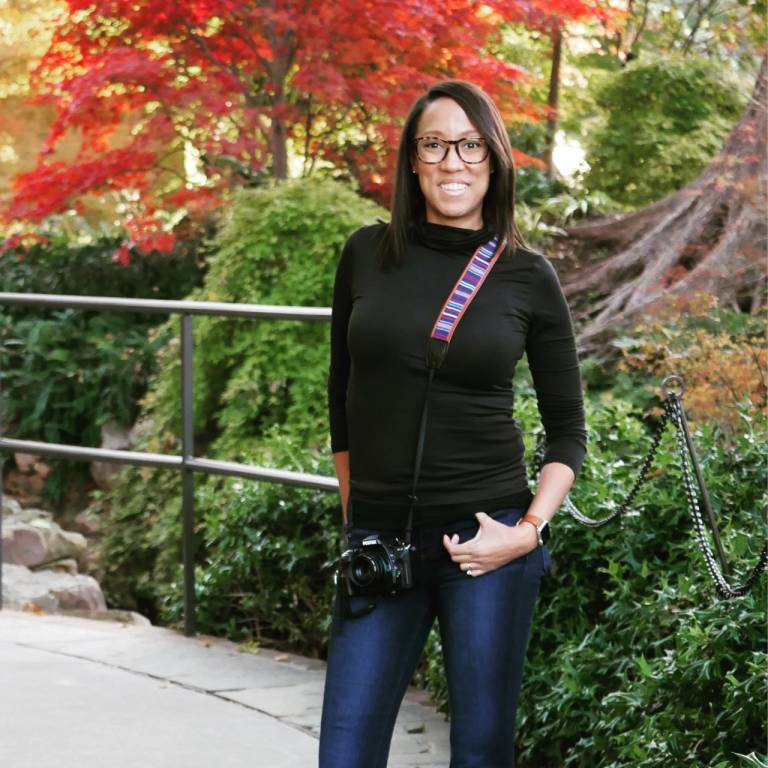
Today, Heather is a highly sought out photographer and the founder of “Artfully Avant,” a business she calls her baby that was born of a desire to create. While she trained in photography, she set it aside for years.
“I never wanted to be a starving artist,” says Heather. “And, I also had to make sure I had health insurance.”
After leaving corporate America and experiencing a few pulmonary embolisms, a serious complication of sickle cell disease that she describes as “an eye-opener,” she decided to return to her love of photography.
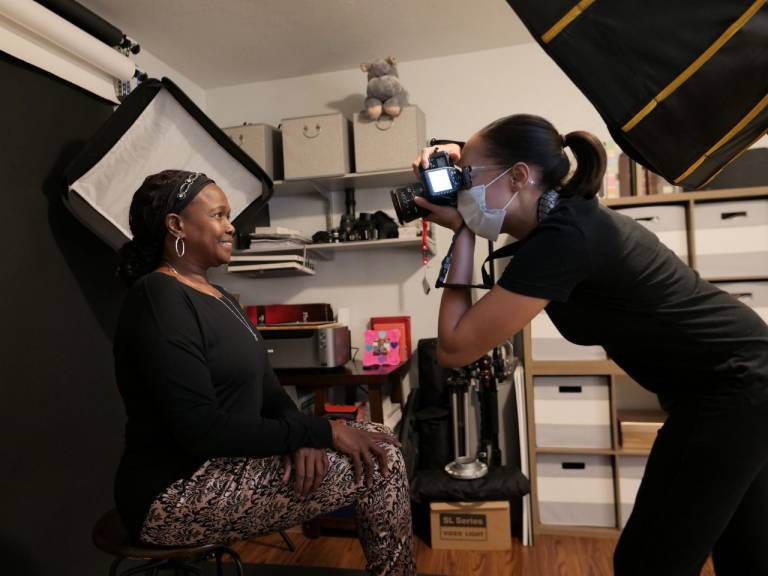
She started photographing newborns after the birth of her son, teaching herself in a former home office turned studio to shape light around her smallest subjects. From there she went looking for a challenge in architecture, learning to see buildings through the eyes of her husband, Jason, who works in construction. In those years, light was a craft she was mastering. Then it became something more. When she lost her grandparents, friends and her father, light was all she could think about. It was no longer simply a technique to enhance or control contrast, but the hope and clarity she reached for in grief.
"I fell deeper and deeper in love with photography,” says Heather. “My love for my work was apparent. I was proud of my work…walking in my divine light and seeing the light that shines on the people who I love and admire."
The light behind the camera lens is an attribute Heather is continuing to embrace.
“I know that I'm genuine and I try my best to live in my own personal truth, understanding that I'm a sickle cell warrior, but I'm also a mother, a daughter, a wife, a sister, a niece, a friend, and often a confidante,” says Heather. “My camera sees all people on the same playing field. When I'm looking through my lens, everyone is level. Their truths become my truths."
The advocate’s advocate
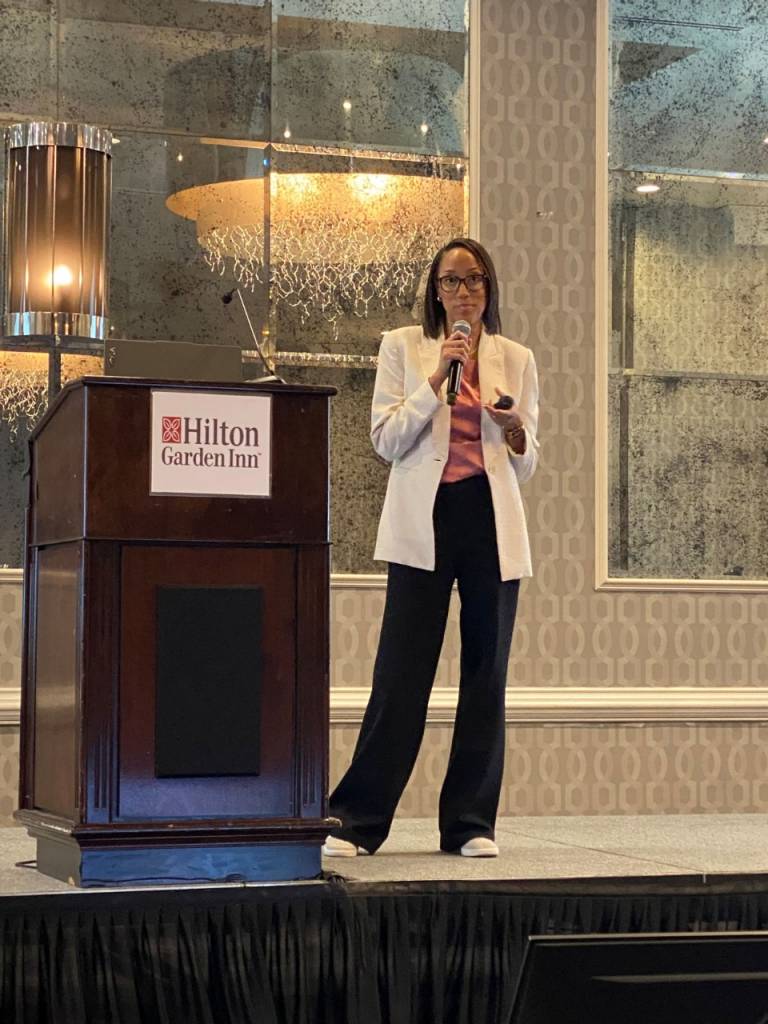
That same instinct drives Heather’s advocacy. After partnering with the Sickle Cell Community Consortium in 2018, a recommendation from Dr. Lakiea Bailey led her to chair the National Heart, Lung, and Blood Institute’s Community Input Panel until the program’s end. She has since served as chair and co-chair of the American Society of Hematology’s Research Collaboratives Community Advisory Board and co-chair of the Consortium’s Mental Health and Wellness Initiative, and co-created the “I Believe in Therapy” campaign and workbook with colleague Carley “Elle Cole” Cavins. Her newest project, “Scar Stories,” with Dr. Carolyn Rowley of the Cayenne Wellness Center in Los Angeles, is a photographic exploration of “the scars we wear,” opening as a full gallery exhibition in July.
“I am an advocate’s advocate,” Heather says. “Before I am a patient, I am a person…my voice is for the underdog. My words are for those who have no words. Within the sickle cell community, it is well known how under-resourced sickle cell is. As advocates, many of us have our lanes, but don't often intersect. It's not that the resources don't exist; it's more that we lack a communal voice to help solidify what our main goal is and how we attack it.”
Stronger Than Before
Behind the public voice is a body that has asked a great deal of Heather. In her young adult years, she became allergic to pain medications, and some of the country's best specialists told her they could not help her. She learned instead to make pain a normal part of her daily ritual. A diagnosis of avascular necrosis in her shoulders came in her 20s, and carrying her son left her, in her words, "ravaged."
"I had to learn how to deal with new pain, a different type of ache outside of a sickle cell crisis or what I called an episode," says Heather. “After getting married, sickle cell would once again humble me when I wanted to have a baby. My body gave everything to the most beautiful, healthy little boy, but I was left ravaged; my bones and body were weak, making it all but impossible to have more children."
And yet, when asked what sickle cell has given her, Heather answers without hesitation: “empathy.”
“I understand pain in a way that I’ve grown close with it,” says Heather. “Pain was my closest childhood companion. Yet, I was born from generations of strong women, many who aged into their hundreds; they gave God and sass in the same sentence.”
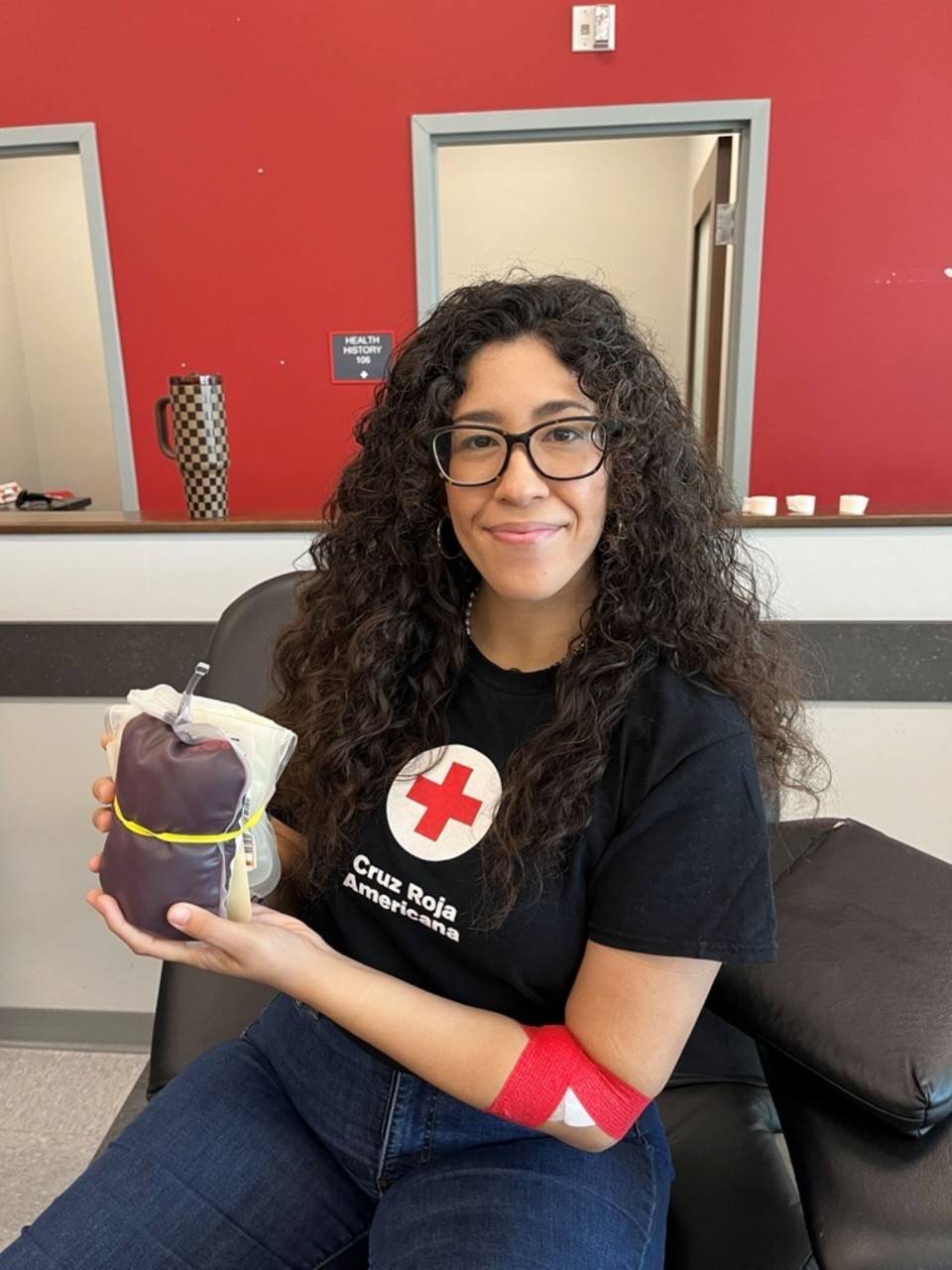
In addition to the strength that came from the women who raised her, Heather has also been surrounded by the light and generosity of people she may never meet. To date, she estimates she has received more than 185 blood transfusions. This World Sickle Cell Day, she has a message for anyone unsure about giving blood.
"Giving blood can save up to three lives," she says. "There are humans walking this earth who need that to keep being someone's parent, someone's caregiver, someone's world.”
The Light We Carry
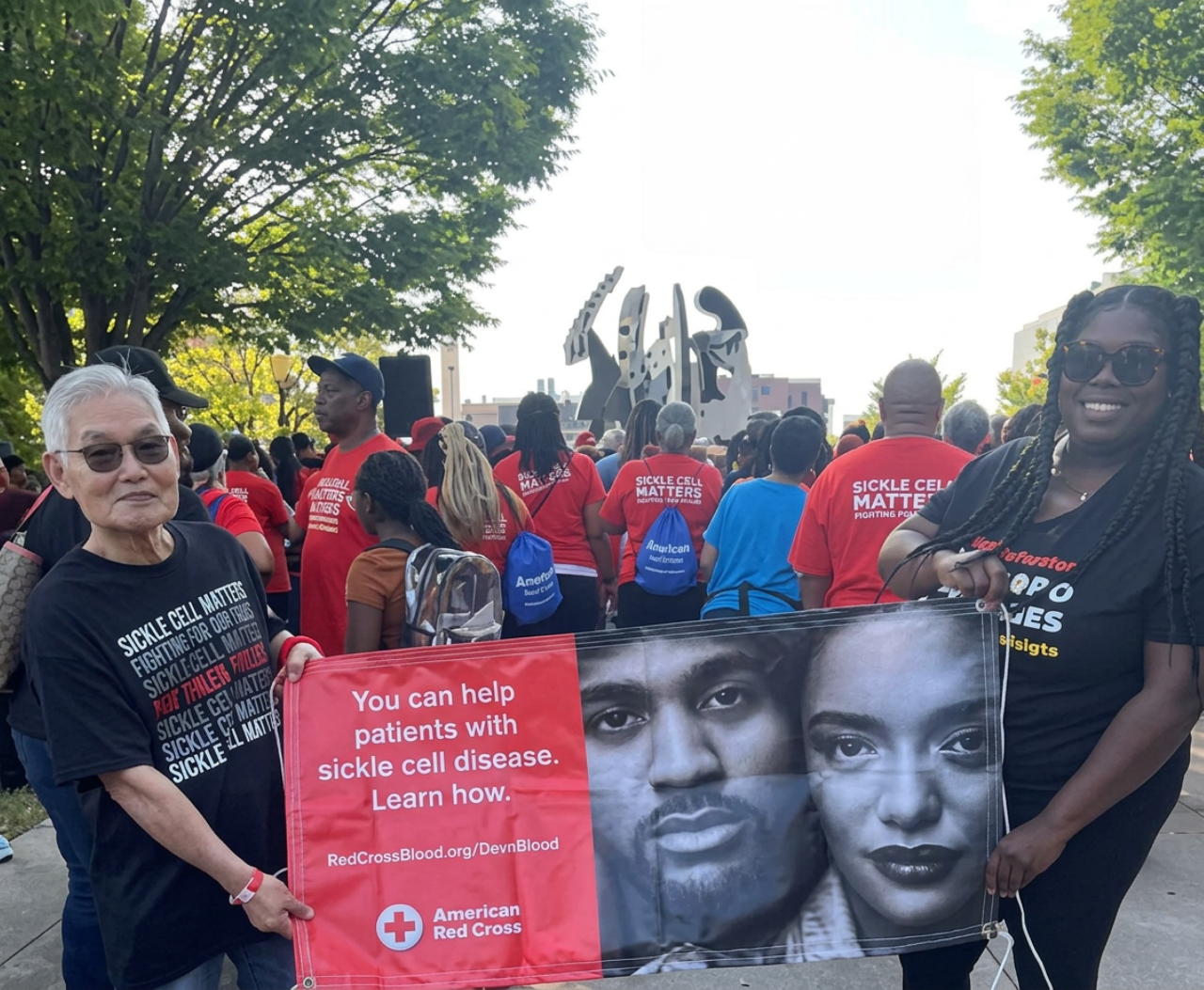
This Juneteenth and World Sickle Cell Day, the American Red Cross honors sickle cell warriors, the light they carry, and the family and donors who surround them. Donate this June and help patients continue to thrive.
Individuals of all blood types are urged to make an appointment now by using the Red Cross Blood Donor App, visiting RedCrossBlood.org/OurBlood or calling 1-800-RED CROSS (1-800-733-2767).
Come to give blood June 1-28 for a $15 e-gift card to your choice of merchant PLUS automatic entry for a chance to win one of two $7,500 gift cards. See rcblood.org/June for details.
About the American Red Cross:
The American Red Cross shelters, feeds and provides comfort to victims of disasters; supplies about 40% of the nation’s blood; teaches skills that save lives; distributes international humanitarian aid; and supports veterans, military members and their families. The Red Cross is a nonprofit organization that depends on volunteers and the generosity of the American public to deliver its mission. For more information, please visit redcross.org or CruzRojaAmericana.org, or follow us on social media.
Support all the urgent humanitarian needs of the American Red Cross.
Find a drive and schedule a blood donation appointment today.
Take a class and be ready to respond if an emergency strikes.