The American Red Cross has declared its second-ever national blood supply crisis. Book your blood donation appointment today and help patients whose lives depend on transfusions.
The middle of the country will see dangerous high temperatures this week as extreme heat covers the Plains, Mississippi Valley and Southeast. In the Desert Southwest, temperatures could go as high as 120 degrees by next weekend, about 12 degrees above normal in a region which normally sees warm weather this time of year.
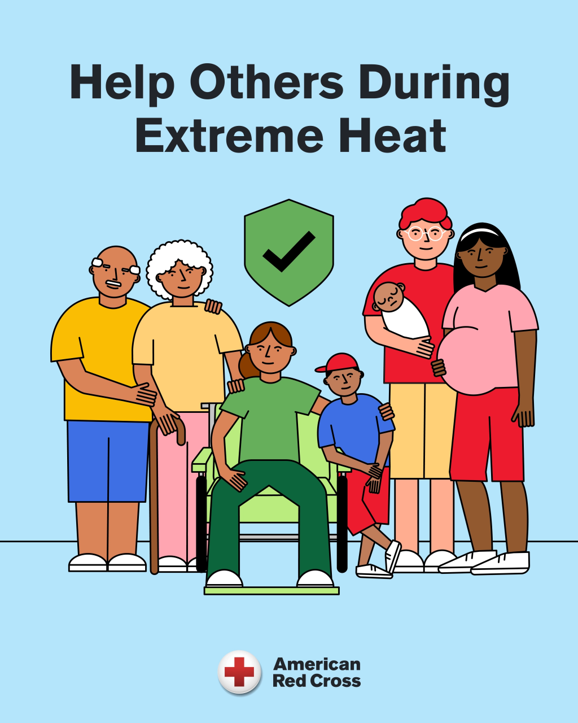
The American Red Cross reminds everyone that these high temperatures are extremely dangerous ─ the leading cause of weather-related deaths in the United States. The Red Cross is monitoring the heat to respond if necessary and has steps people can follow to help them stay safe during the high temperatures this week.
BLOOD SUPPLY CRISIS Meanwhile, the American Red Cross has declared only the second national blood supply crisis in its history after blood donations fell to a four-year summer low, deepening an emergency shortage that threatens the availability of lifesaving blood for patients across the country. Despite thousands of people answering the call to give, blood donations are not keeping pace with hospital demand — which is up during the summer trauma season. Extreme heat, poor air quality and widespread foodborne illnesses are contributing to lower donor turnout this summer, further straining the nation’s blood supply. Don’t wait. Those who may be eligible are urged to book an appointment now at RedCrossBlood.org or 1-800-RED CROSS.
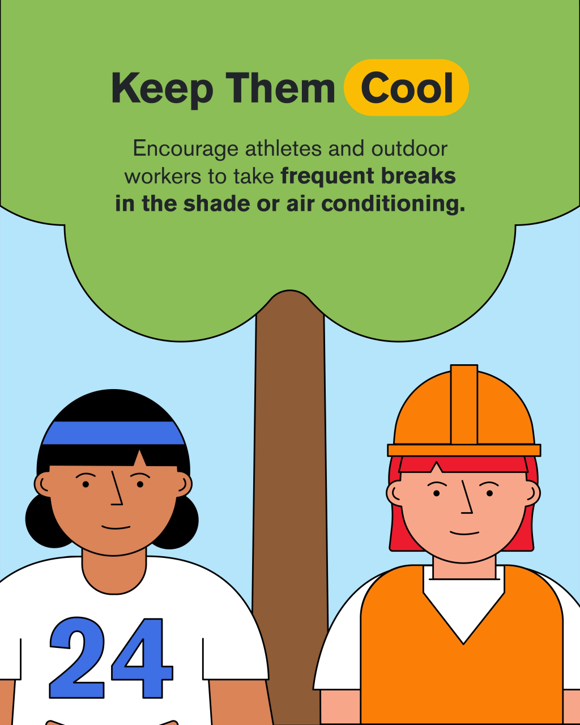
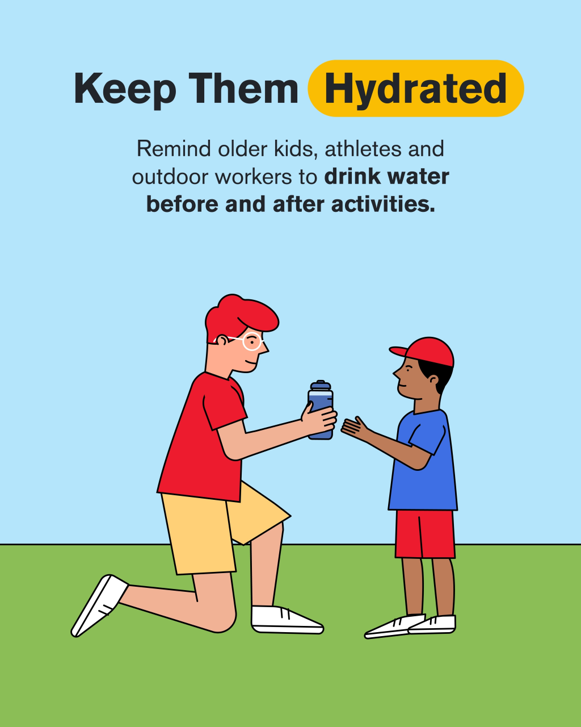
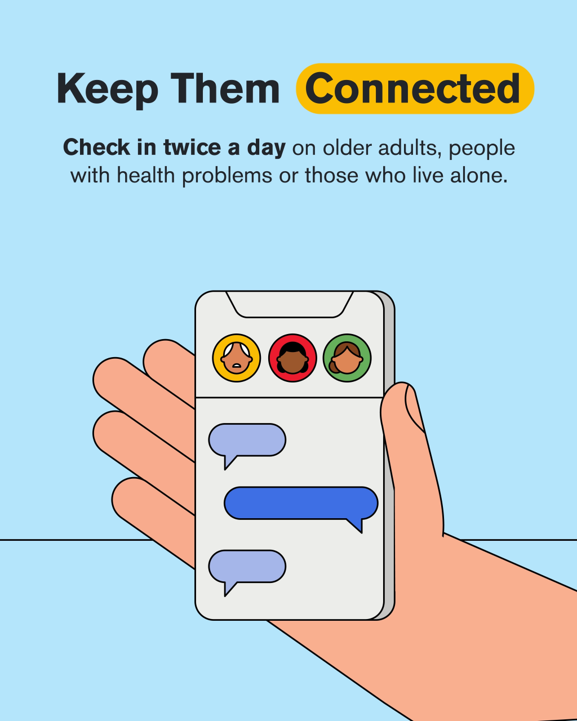
HEAT SAFETY STEPS The Red Cross recommends taking three steps in extreme heat ─ stay hydrated, stay cool and stay connected.
Don’t forget your furry friends. Visit here to find heat safety steps for your pets.
KNOW THE SIGNS OF HEAT ILLNESS Extreme heat can make anyone sick and it’s critical to act fast. The Red Cross recommends learning the warning signs and knowing what to do so you can react quickly.
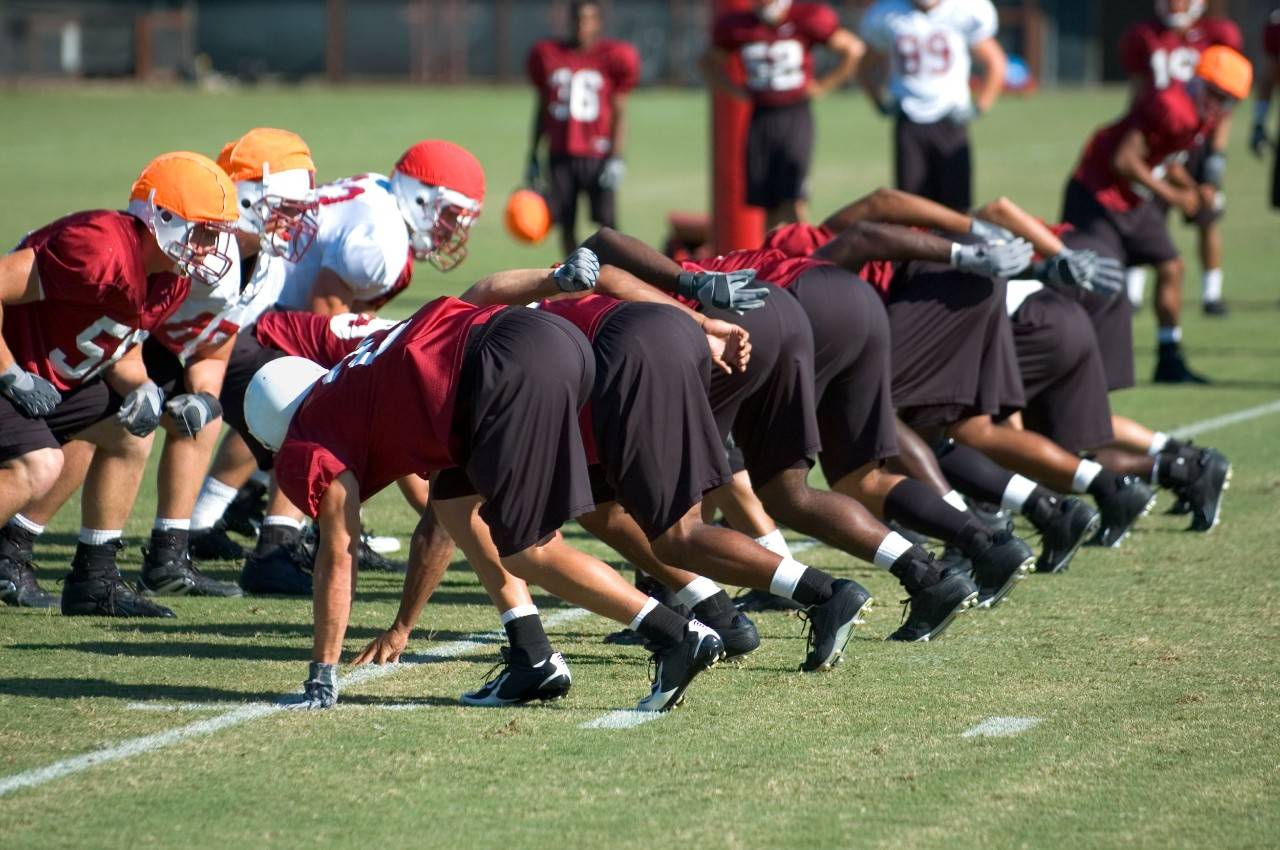
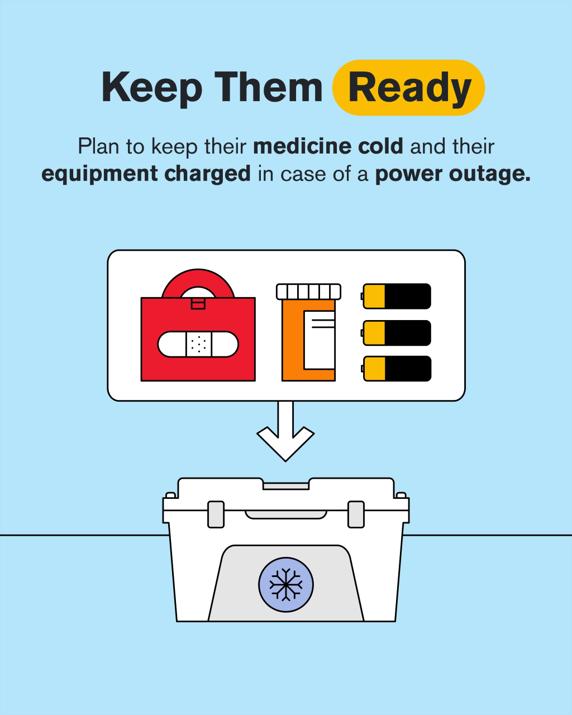
Some people are at higher risk of getting sick because their bodies have a harder time staying cool. This includes older adults, children, pregnant women, and people with chronic conditions or disabilities. Individuals who take certain medications are at higher risk for heat related injury and illness and should consult their medical provider for guidance on managing their medication during periods of extreme heat. Athletes, outdoor workers and people without air conditioning are also at higher risk for heat illness.
Here are more steps to help keep you safe as temperatures rise:
About the American Red Cross:
The American Red Cross shelters, feeds and provides comfort to victims of disasters; supplies about 40% of the nation’s blood; teaches skills that save lives; distributes international humanitarian aid; and supports veterans, military members and their families. The Red Cross is a nonprofit organization that depends on volunteers and the generosity of the American public to deliver its mission. For more information, please visit redcross.org or CruzRojaAmericana.org, or follow us on social media.
Support all the urgent humanitarian needs of the American Red Cross.
Find a drive and schedule a blood donation appointment today.
Take a class and be ready to respond if an emergency strikes.