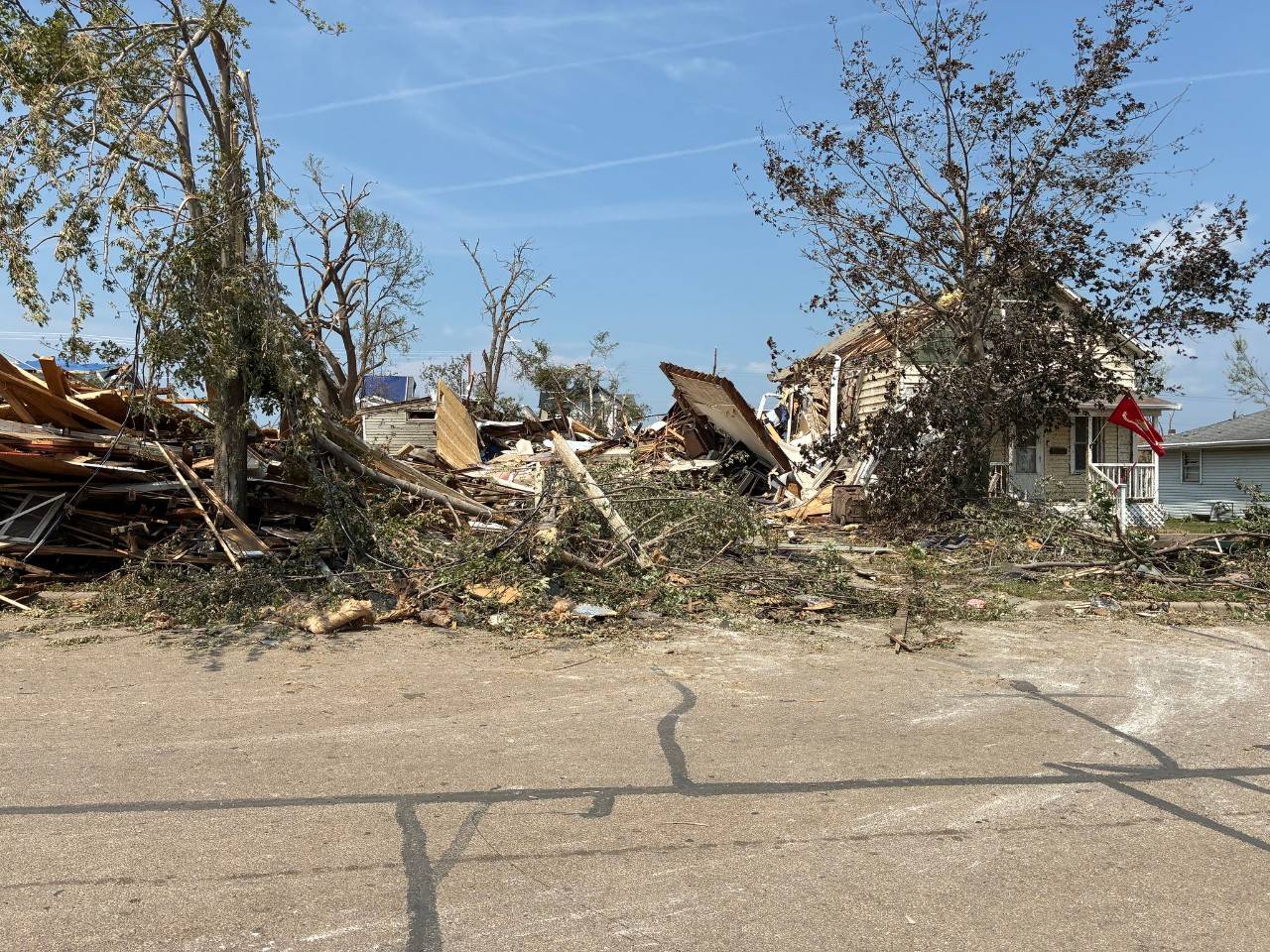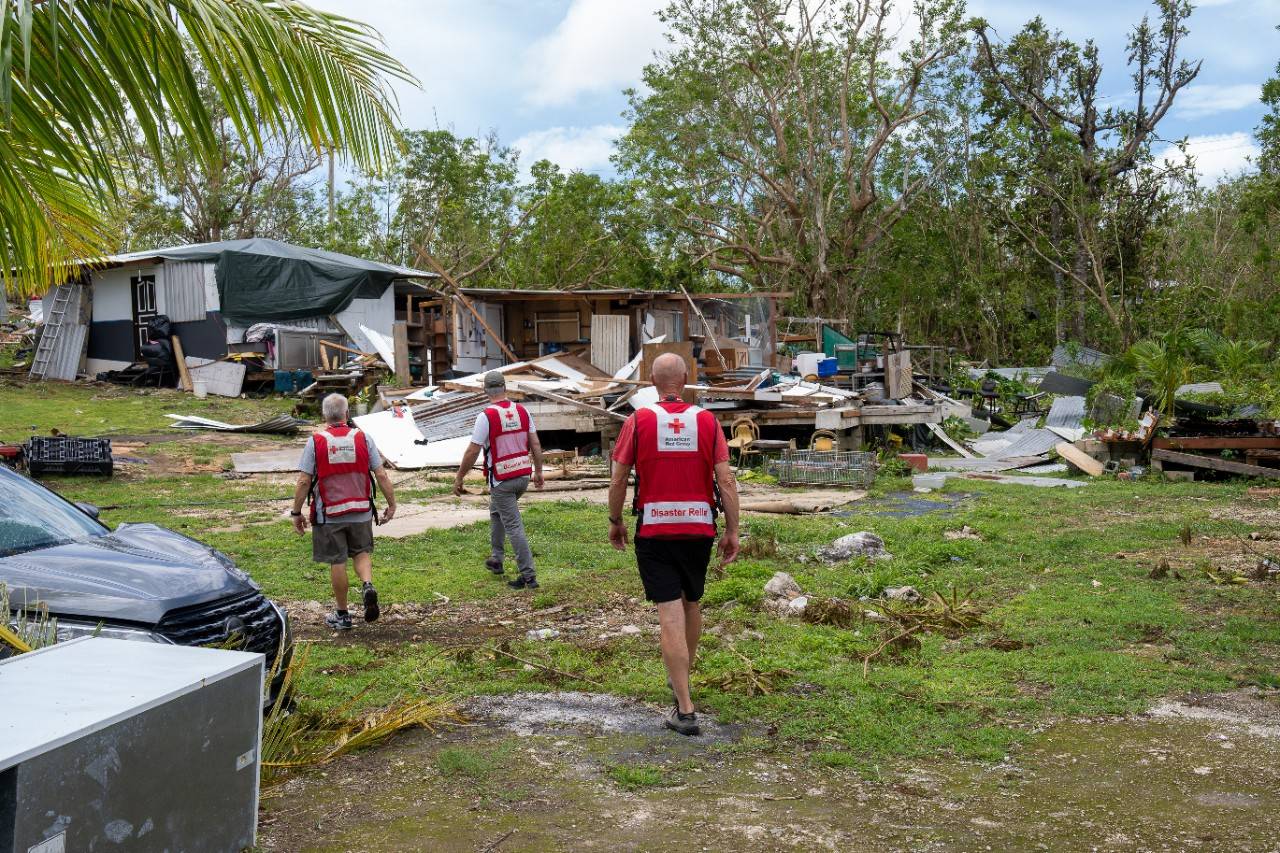
It’s been a year since devastating floodwaters tore through Texas homes in and around the community of Kerrville over the 4th of July weekend. The American Red Cross responded then, welcoming people into our shelters as they waited for the floodwaters to recede so they could safely return home to survey the damage.
Red Cross team members and partners rallied to meet the physical and psychological needs of local residents reeling from the floods, which claimed more than 130 lives and uprooted communities in a matter of hours. One year later, the Red Cross continues to work alongside our partners to support the families affected by this heartbreaking event.
AFTER THE FLOOD
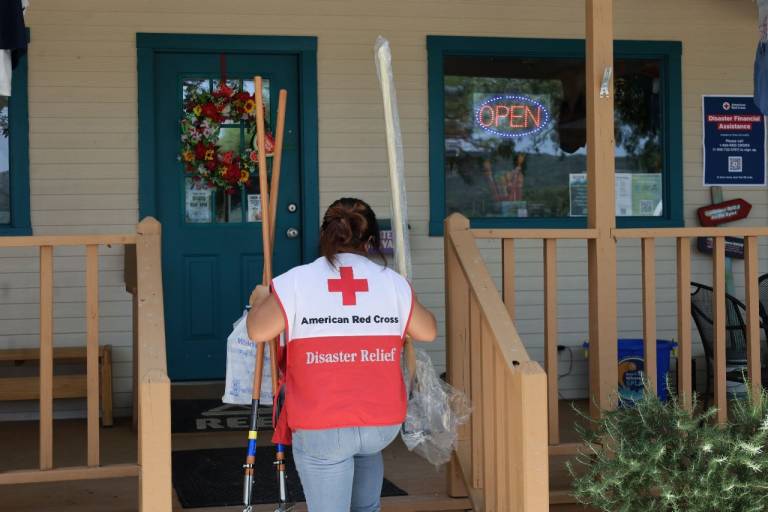
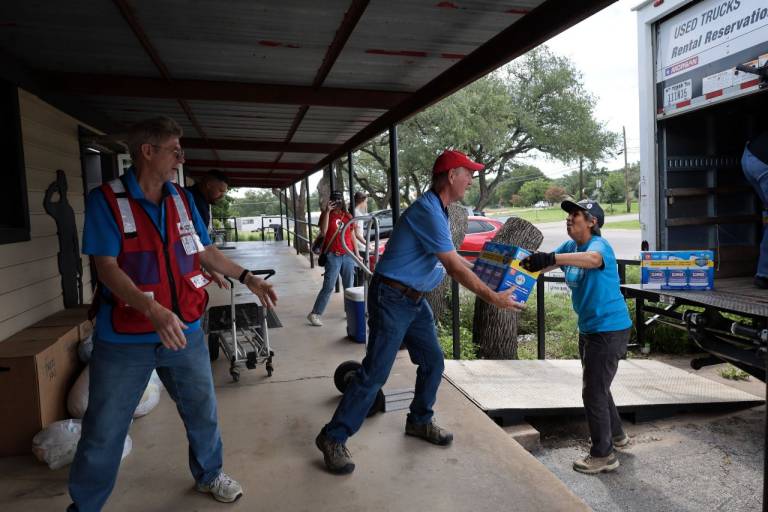
Red Cross shelters and family reunification centers opened in the days after the flooding, providing food and shelter to the affected families, as well as health and mental health support. Immediate cash assistance was provided to ensure they had what they needed to replace essentials lost in the flood.
As with any disaster, the days and weeks that followed brought new challenges. To meet them, the Red Cross long-term recovery team provided an additional round of financial assistance to families who had been affected. Recipients used the funds primarily for temporary housing, food security needs, childcare and health and mental health support.
Senior Community Recovery Manager Candi Douthit, both a member of the Red Cross long-term recovery team and a resident of Kerrville herself, described the city as “a big city, with small town community,” where you regularly see the same people. They pride themselves in being self-sufficient as well, she explained.
Douthit and her teams have centered their work on nine counties ─ a mix of rural, recreational and villages ─ where she said people “haven’t ever been hit by disaster at this scale… Most counties haven’t done anything like this before.”
COMMUNITY SUPPORTS LONGER TERM RECOVERY
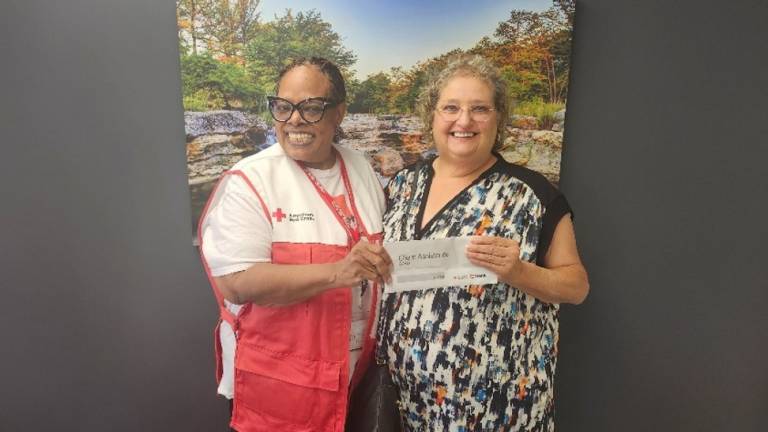
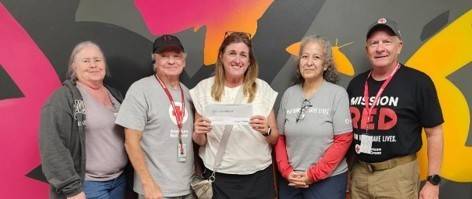
Red Cross support continues. To meet the evolving needs, the long-term recovery team will be awarding grants to organizations that are continuing to serve the affected communities. Based on community needs, the focus of these grants is on mental health and home rebuilding. Ten grants have been awarded as of late June. Among them were grants to Children’s Bereavement Center of South Texas and ToolBank.
Community members supporting the recovery are not exempt from the emotional impact the disaster had on their friends and neighbors. Candi recalls the immediate aftermath of the storm. “It was hard to grasp,” she said. They were driving around, trying to find places to volunteer, but many roads were closed. “I mucked and gutted for weeks and housed friends and their dogs.” It was humbling. Her role, she felt, above all was “to walk through it with them.”
Despite the devastation, they felt an overwhelming sense of community. Her church converted to a shelter, and she started doing disaster case management. A nurse by background, she is from a rural community and says, “This is what we do, we pull together.”
FACING DIFFICULT EMOTIONS ONE YEAR LATER
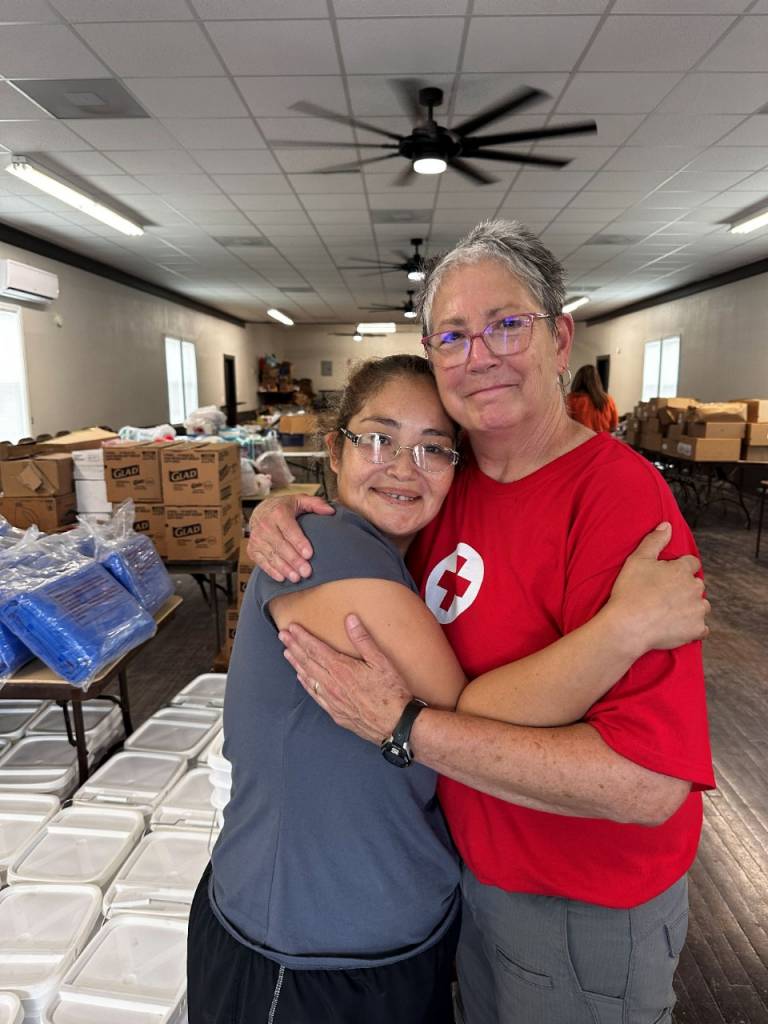
One year later, the community continues to pull together, gathering for vigils and memorials across the affected area. Members of the Red Cross Central and South Texas Region are sending disaster mental health volunteers out to these events, providing emotional support to their friends and neighbors on a difficult day.
As recovery efforts continue, the Red Cross team focuses on connecting and empowering the local organizations that continue to support the affected communities ─ building relationships and fostering collaboration across them, raising awareness of community needs, and strengthening partnerships to more effectively address those needs.
Mobilizing the community to take the lead in their own recovery means they will be more resilient when the next storm hits.
For Candi, reaching into the lives of survivors and helping them has been the most beautiful aspect of it. “That’s just gorgeous,” she said.
About the American Red Cross:
The American Red Cross shelters, feeds and provides comfort to victims of disasters; supplies about 40% of the nation’s blood; teaches skills that save lives; distributes international humanitarian aid; and supports veterans, military members and their families. The Red Cross is a nonprofit organization that depends on volunteers and the generosity of the American public to deliver its mission. For more information, please visit redcross.org or CruzRojaAmericana.org, or follow us on social media.
Support all the urgent humanitarian needs of the American Red Cross.
Find a drive and schedule a blood donation appointment today.
Take a class and be ready to respond if an emergency strikes.