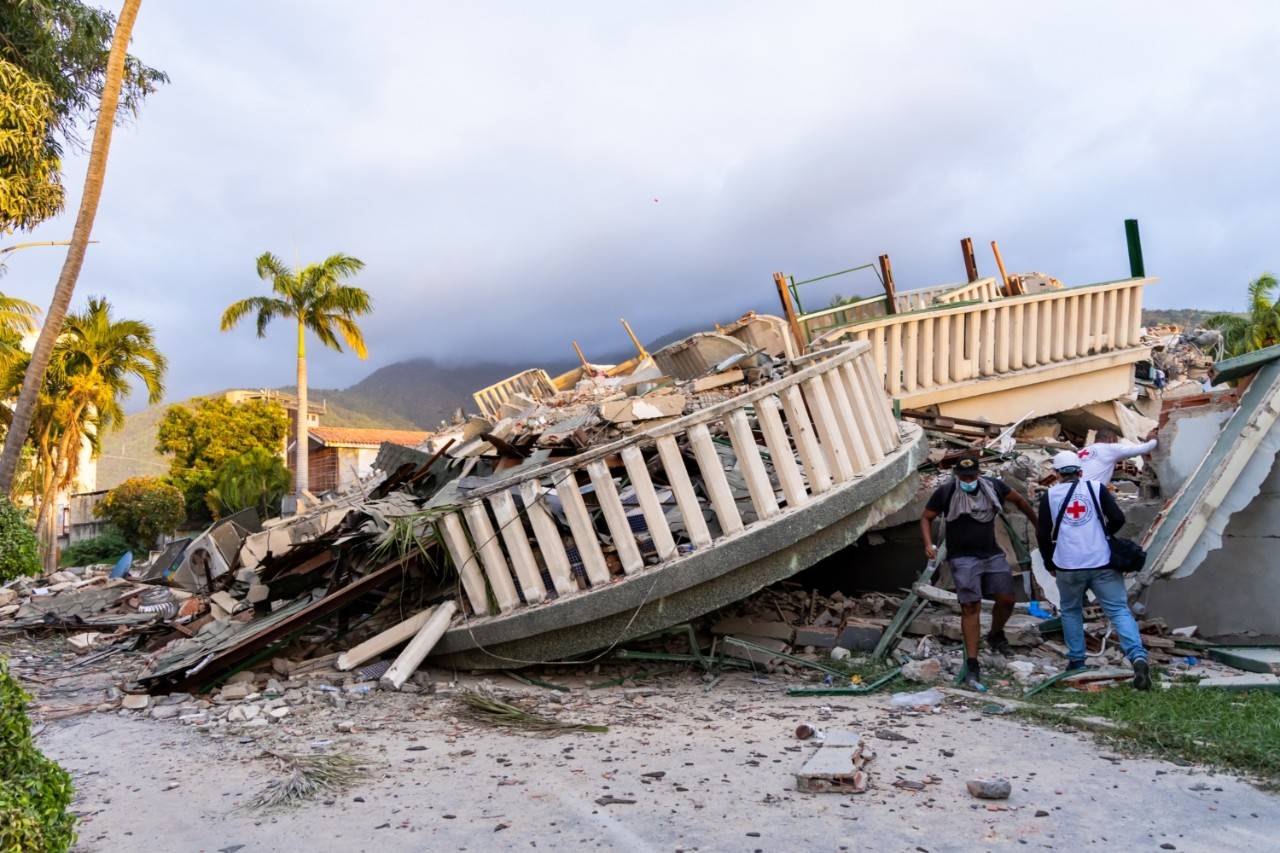
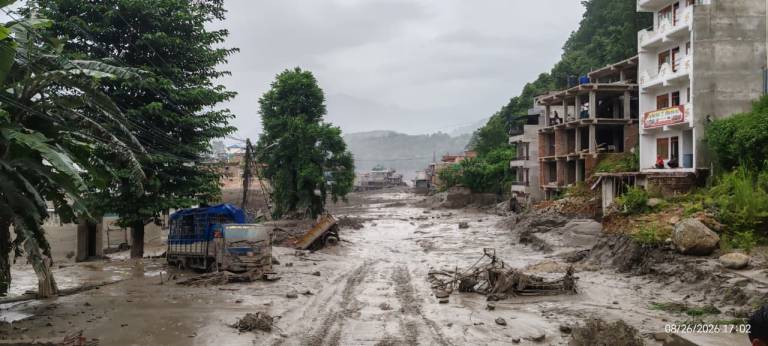
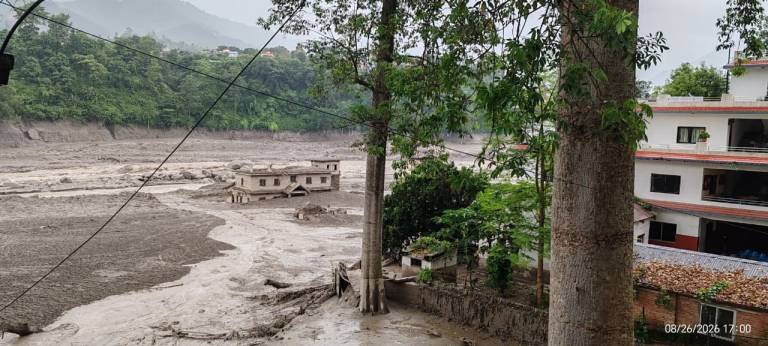
Critical infrastructure has been badly damaged, multiple bridges washed away and major roads disrupted, making it harder for responders to assess the full scale of the disaster.
A major flash flood struck Nepal’s Rasuwa District on August 26, 2026, after a sudden surge of water entered the Bhote Koshi River from Tibet. The flood has caused enormous destruction and pain in downstream communities. Rasuwa and Nuwakot were among the hardest hit regions, and authorities have reported hundreds of fatalities while hundreds of people remain missing.
Critical infrastructure has been badly damaged. Multiple bridges were washed away and major roads are disrupted, leaving some of the worst-affected communities extremely difficult to reach. These access constraints are making it difficult for responders to assess the full scale of the disaster and deliver assistance to people in need.
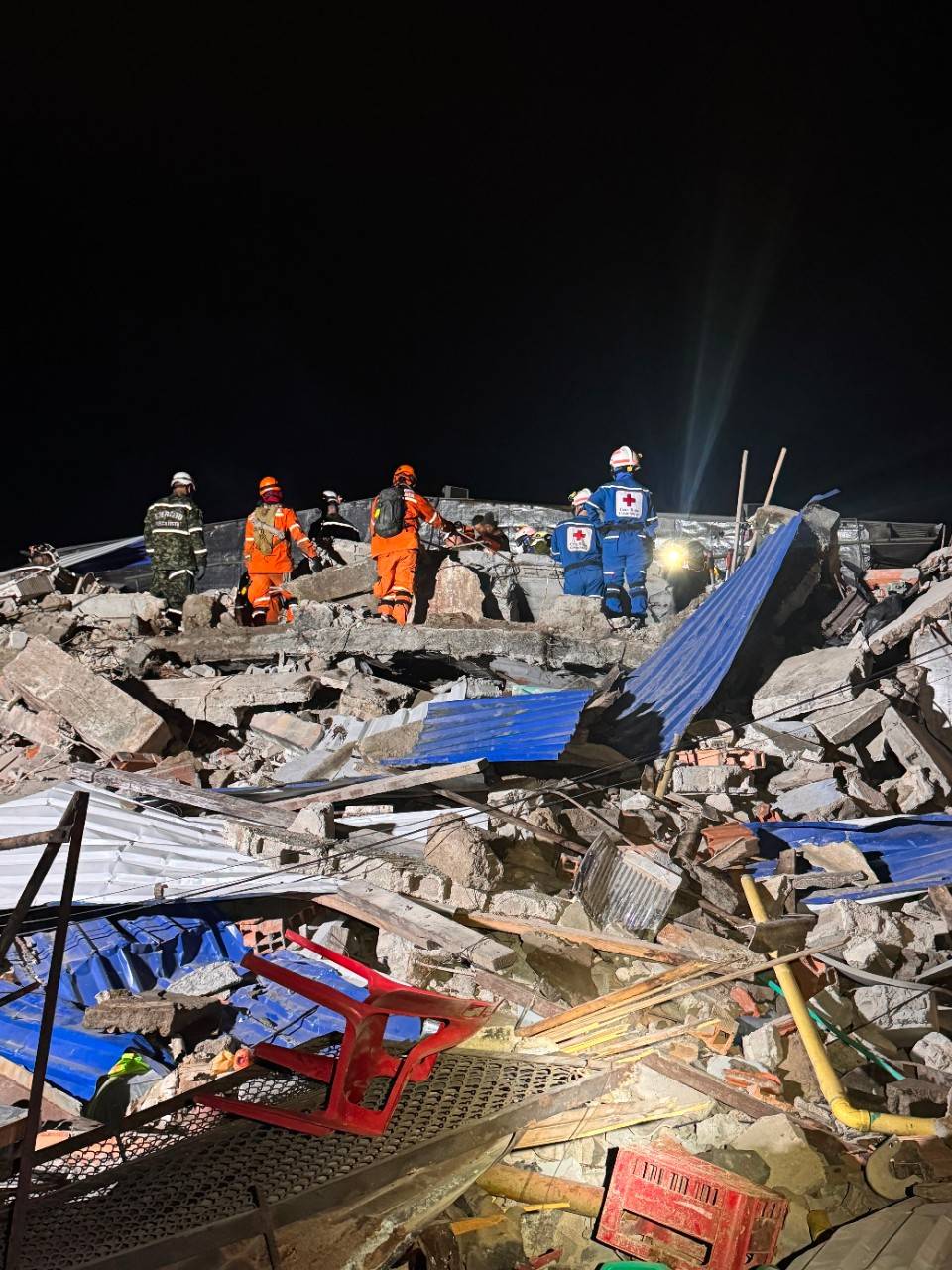
Immediate humanitarian needs include search and rescue operations, emergency shelter, food, safe drinking water, basic relief items, sanitation services, first aid, health, mental health and psychosocial support and assistance in reconnecting families.
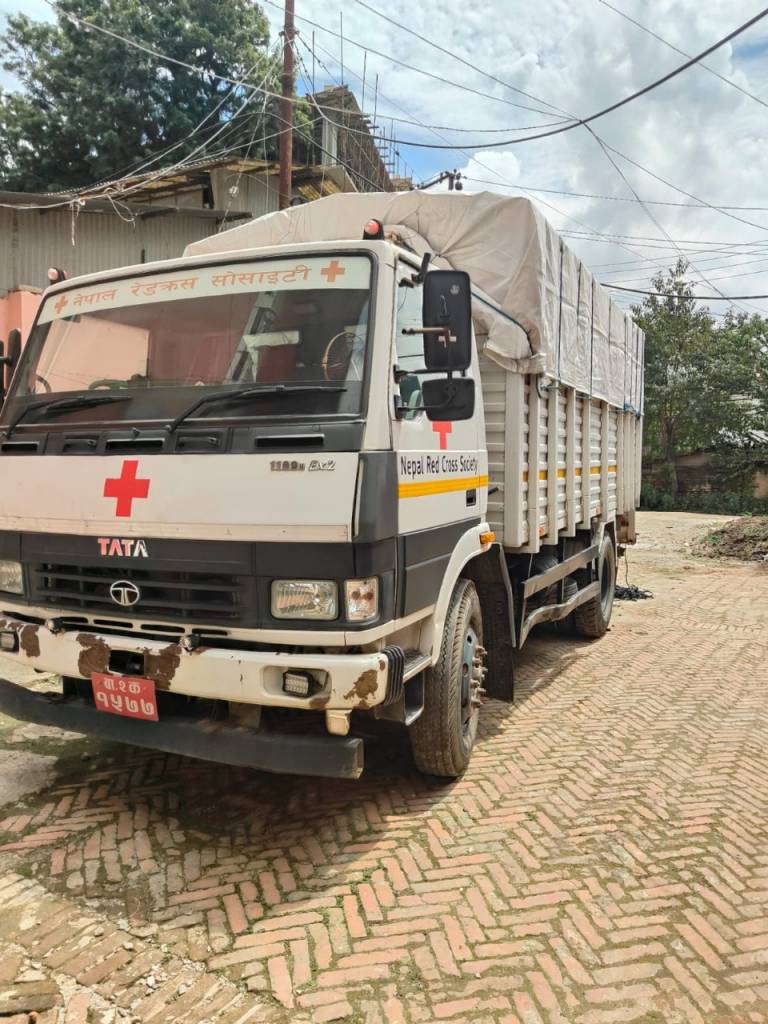
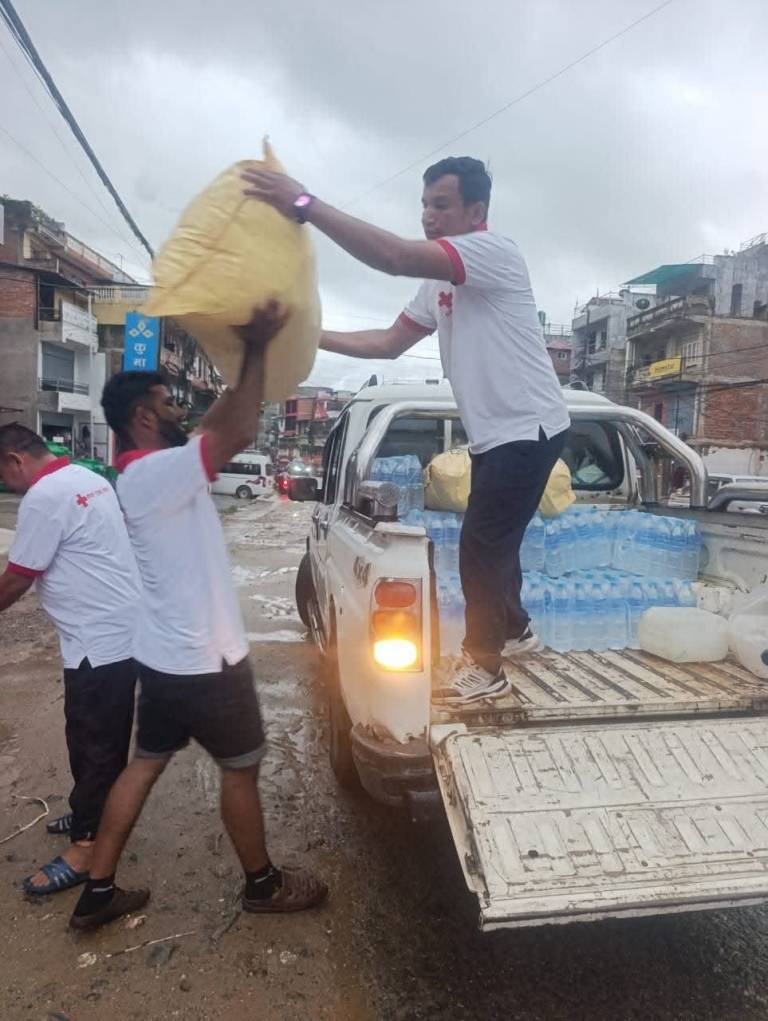
The Nepal Red Cross Society activated its Emergency Operations Center and rapidly deployed emergency response teams to the affected areas. Relief teams are delivering essential emergency supplies including drinking water, tarps, blankets, mattresses, first aid kits, stretchers and body bags, while additional stocks remain ready for deployment. The teams are also actively providing psychosocial support to survivors.
The IFRC immediately mobilized its entire global network to support the Nepal Red Cross Society and will adapt the response as additional emergency funding, deployment of emergency personnel, and operational coordination support are needed.
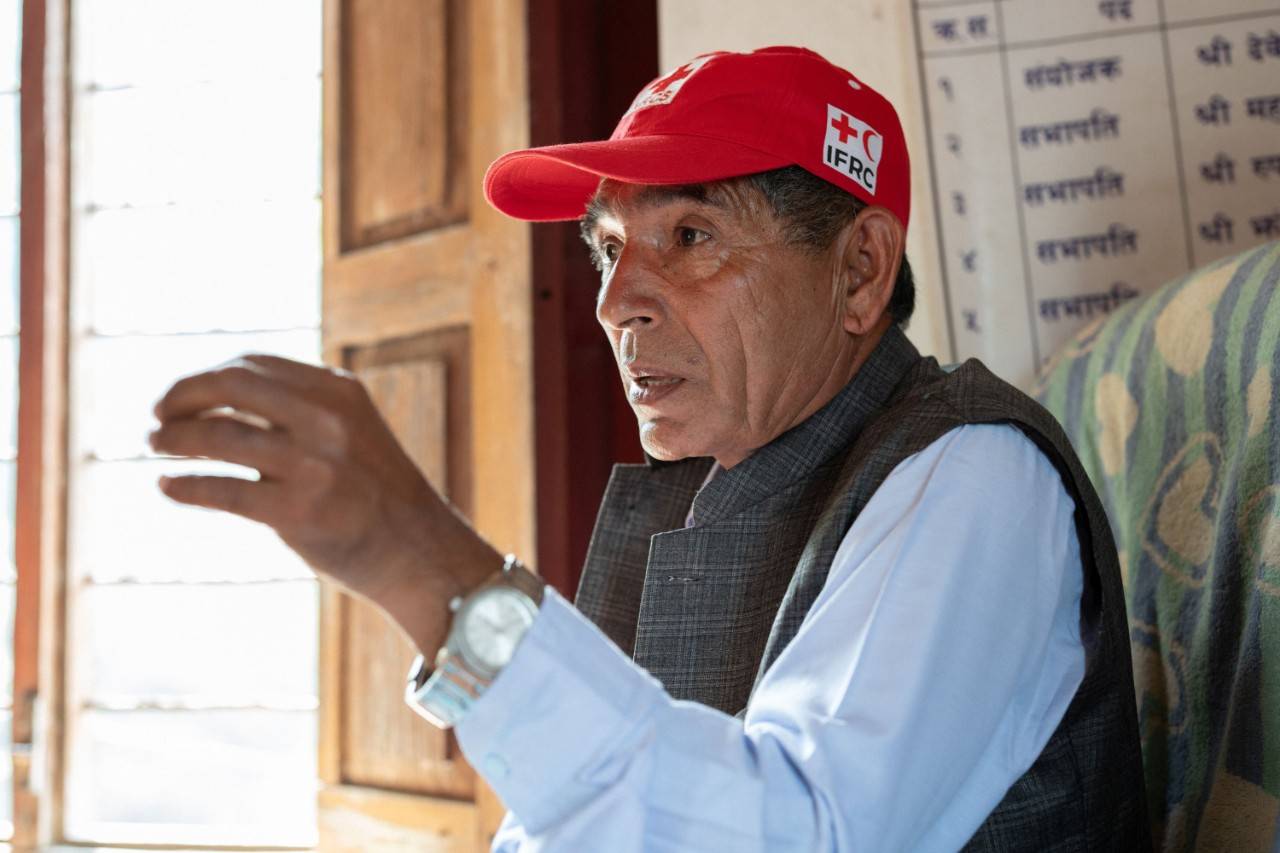
“The priority now is to reach affected communities and get assistance to people who have lost their homes, suffered injuries or have been cut off,” said the International Federation of Red Cross and Red Crescent Societies (IFRC) head of delegation for Nepal, David Fisher.
Year-round, the American Red Cross partners with local Red Cross and Red Crescent societies around the world to strengthen disaster preparedness, and the Nepal Red Cross Society is one of these partners. By providing technical support and funding for locally driven projects, we help create safer, healthier, and more resilient communities together. As part of this work, the American Red Cross has a team of staff based in the country, and they are all safe and accounted for.
Since the day of the flood, the American Red Cross team in Nepal has been supporting Nepal Red Cross Society partners as they navigate this tragedy, and two American Red Cross country office colleagues have deployed to Nuwakot to support efforts on the ground. The team will continue providing coordination, finance, administration, information analysis and reporting support to the operation in the weeks to come.
As part of the global response, the American Red Cross is providing $400,000 to support Nepal Red Cross Society efforts. The situation remains highly dynamic, and the American Red Cross will continue coordinating closely with the IFRC and the Nepal Red Cross Society to provide additional capacity and international assistance if required.
Family members in the United States that are unable to contact loved ones in Nepal as a result of the flood can initiate a search through the Restoring Family Links program by submitting an International Reconnecting Families Inquiry Form or calling our free national helpline at +1 844-782-9441. The Nepal Red Cross Society is currently focused on immediate response efforts, and it may be some time before they are able to process welfare requests.
More information from the IFRC on the Red Cross and Red Crescent Movement response is available in English and Spanish.
About the American Red Cross:
The American Red Cross shelters, feeds and provides comfort to victims of disasters; supplies about 40% of the nation’s blood; teaches skills that save lives; distributes international humanitarian aid; and supports veterans, military members and their families. The Red Cross is a nonprofit organization that depends on volunteers and the generosity of the American public to deliver its mission. For more information, please visit redcross.org or CruzRojaAmericana.org, or follow us on social media.
Support all the urgent humanitarian needs of the American Red Cross.
Find a drive and schedule a blood donation appointment today.
Take a class and be ready to respond if an emergency strikes.