Recognizing an Opioid Overdose and Knowing What to Do
Interview with Dr. Nathan Charlton, emergency medicine physician, medical toxicologist and addiction medicine specialist at the University of Virginia and member of the Red Cross Scientific Advisory Council.
When someone experiences an opioid overdose, the person who saves their life may not be a doctor, nurse or first responder. It may be a friend, roommate, parent, coworker or bystander who recognizes the signs, calls 911 and knows how to use naloxone. Dr. Nathan Charlton, an emergency medicine physician, medical toxicologist and addiction medicine specialist at the University of Virginia, has seen firsthand how those few moments, and someone who is prepared to act, can make all the difference.
Opioid overdoses remain a major public health concern in the United States. While overdose deaths have declined in recent years, opioids continue to play a major role in fatal drug overdoses. In 2024, there were more than 79,000 drug overdose deaths nationwide, and opioids were involved in a substantial share of those deaths. Many more people experience nonfatal overdoses and require emergency medical care.
To help people recognize an opioid overdose and know what to do when every second counts, Marie Manning of the American Red Cross sat down with Dr. Charlton to discuss the warning signs, the role of naloxone, common myths and how anyone can be prepared to help save a life.
MM: What are the warning signs of an opioid overdose?
NC: The warning signs of an opioid overdose include being unresponsive or difficult to awaken and breathing that is slow, shallow, irregular or absent. The person may also have very small, or “pinpoint,” pupils and gray or blue discoloration of the lips, fingernails or skin.
The most important signs to recognize are unresponsiveness and abnormal or absent breathing.
MM: How can someone help a person they suspect may be experiencing an opioid overdose?
NC: If you suspect an opioid overdose, check for responsiveness and normal breathing, call 911 or direct someone else to call and give naloxone as soon as it is available.
Opioid emergencies are especially time-sensitive because opioids can suppress the brain’s drive to breathe. Without enough oxygen, permanent brain injury or death can occur within minutes.
MM: What is naloxone?
NC: Naloxone is a medication that temporarily displaces opioids from receptors in the brain and reverses their dangerous effects. Most importantly, it can restore breathing that has become dangerously slow or stopped because of an opioid overdose.
Let’s talk about some common myths about opioid overdoses and administering naloxone.
MM: Do opioid overdoses only happen to people using illegal drugs?
NC: One common misconception is that opioid overdoses only happen to people using drugs illegally. Overdoses can occur in that situation, but they can also happen to people taking prescription opioid medications, including when medications are taken as prescribed, or after an accidental exposure, such as a child gaining access to medication they should not have.
MM: If you administer naloxone and the person wakes up, do they still need medical care?
NC: Absolutely. Naloxone does not end the emergency. Its effects are temporary, additional doses may be needed, and the person still needs emergency medical evaluation because breathing problems can return after naloxone wears off.
MM: Do you have to be 100% sure someone is experiencing an opioid overdose before administering naloxone?
NC: No. If an opioid overdose is suspected, naloxone should be administered even if you are not completely sure opioids are involved. Naloxone is safe to administer when an opioid overdose is suspected. If someone is unresponsive and showing signs of an overdose, it is better to act quickly than delay treatment while trying to determine exactly what happened.
Back-to-School Preparedness
MM: As students head back to school and college campuses, what should families and young adults know about opioid overdose preparedness?
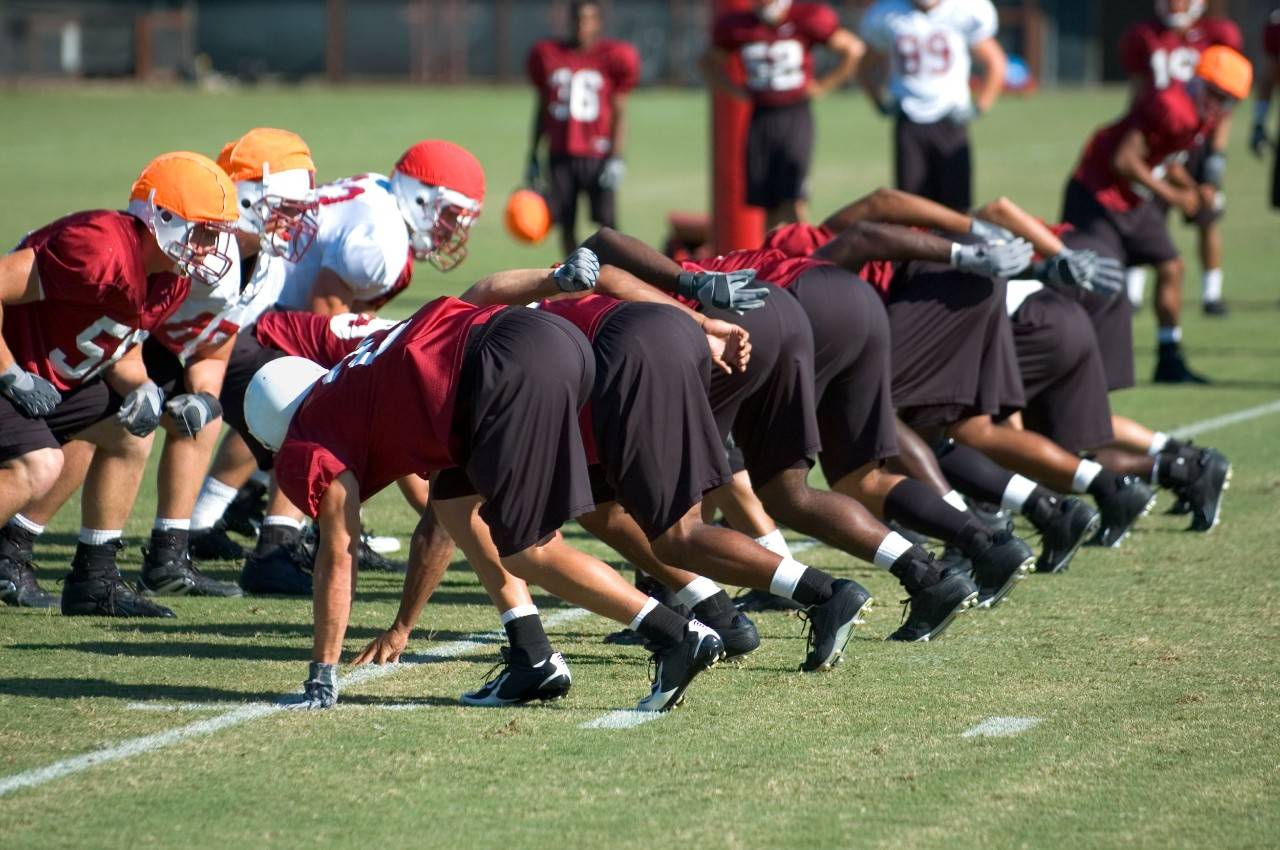
NC: Back-to-school season is a good reminder that emergencies can happen anywhere, including dorms, apartments, athletic events and social gatherings.
Students, parents and educators should understand that many overdoses today involve counterfeit pills that may look like legitimate prescription medications but can contain fentanyl or other potent opioids.
MM: What can people do to be prepared to act during an emergency?
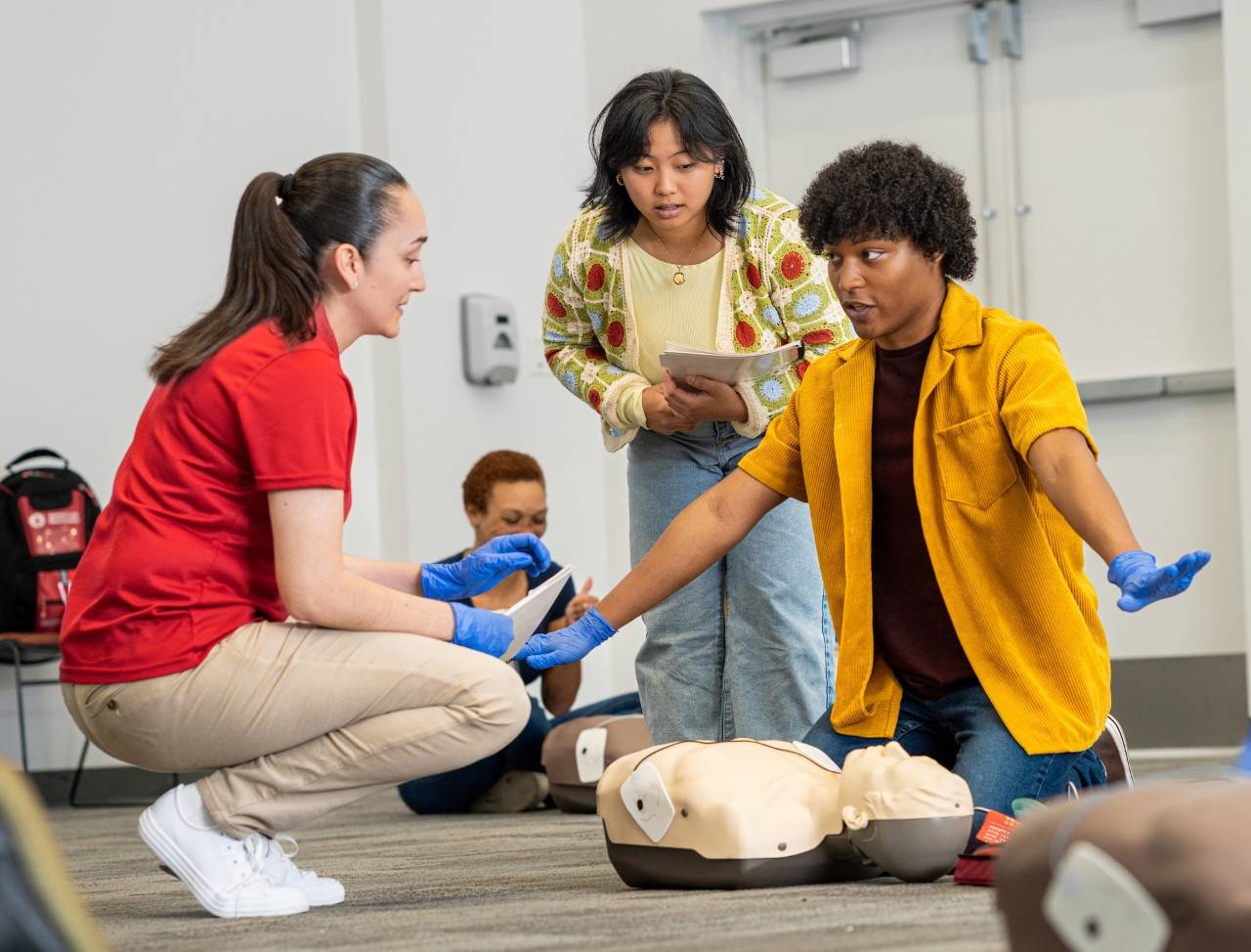
NC: Beyond having naloxone readily available, people can learn first aid and CPR, keep emergency supplies accessible, learn how to activate emergency medical services and periodically check medication expiration dates.
It is also helpful to mentally rehearse what you would do in an emergency. Preparation can make it easier to act quickly and confidently when every second matters.
Being prepared does not mean expecting an emergency. It means being ready to help if one occurs.
The American Red Cross offers an online First Aid for Opioid Overdose course that teaches participants how to recognize the signs of an opioid overdose, administer naloxone and take appropriate action in an emergency. Sign-up to take the course today.
About the American Red Cross:
The American Red Cross shelters, feeds and provides comfort to victims of disasters; supplies about 40% of the nation’s blood; teaches skills that save lives; distributes international humanitarian aid; and supports veterans, military members and their families. The Red Cross is a nonprofit organization that depends on volunteers and the generosity of the American public to deliver its mission. For more information, please visit redcross.org or CruzRojaAmericana.org, or follow us on social media.
Support all the urgent humanitarian needs of the American Red Cross.
Find a drive and schedule a blood donation appointment today.
Take a class and be ready to respond if an emergency strikes.