The strongest March heat wave in 14 years continues its trip across the country with record breaking temperatures expected from California to the East Coast.
With temperatures rising as much as 25 to 35 degrees above normal, some areas of the Southwest will continue to see ,heat of 100 degrees or higher with the Plains and Mississippi Valley experiencing temperatures in the 90s.
The American Red Cross is prepared to respond if needed and has steps people should follow to stay safe in the unusually early heat.
FOLLOW THESE SAFETY STEPS The first steps involve planning and preparation ─ they’re your best defense. Visit here for full information on how to get your household prepared.
Next, download the free Red Cross Emergency app for real-time alerts, expert advice in English and Spanish, and available disaster shelter and support locations. Search “American Red Cross” in app stores or go to redcross.org/apps.
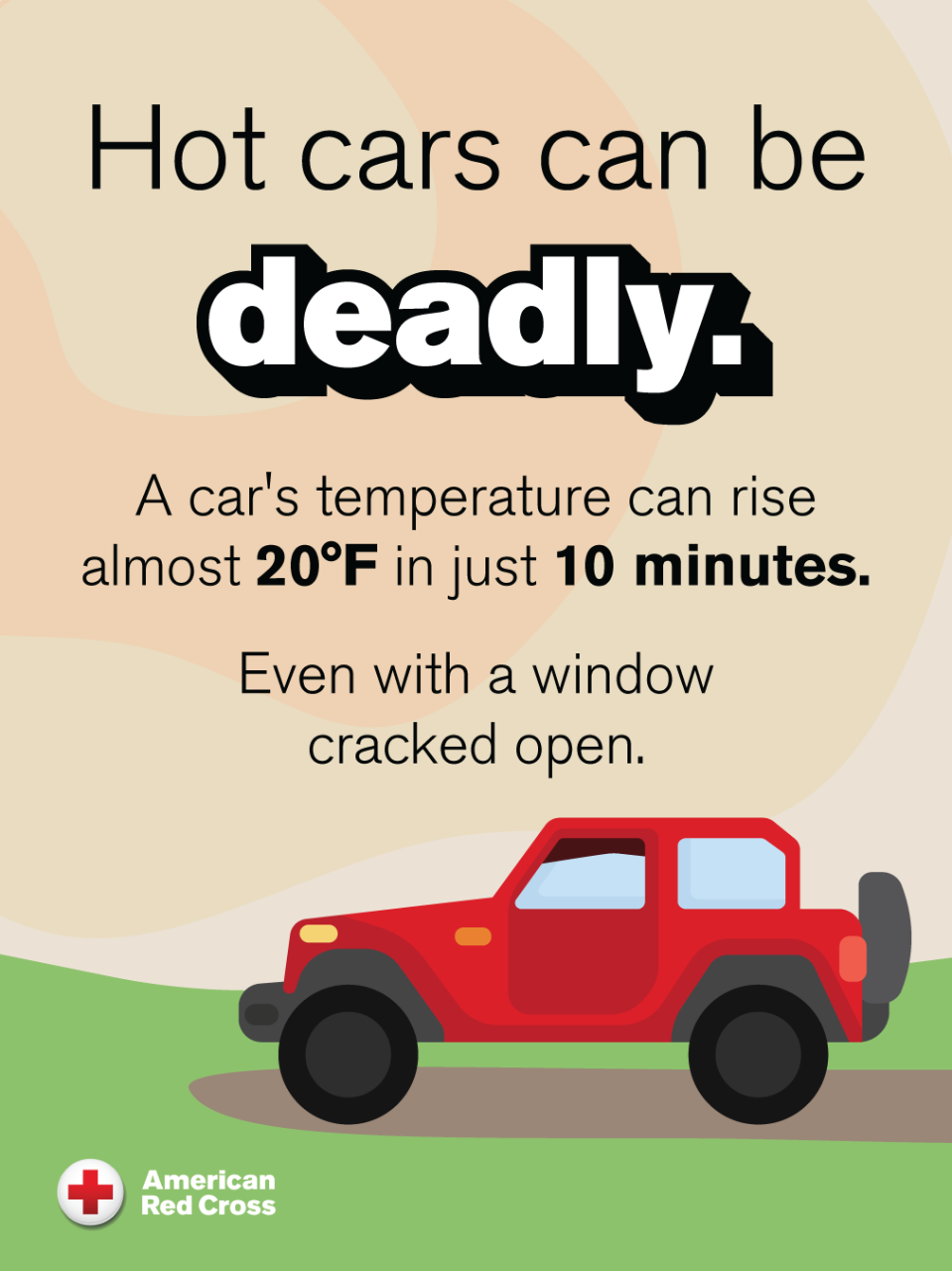
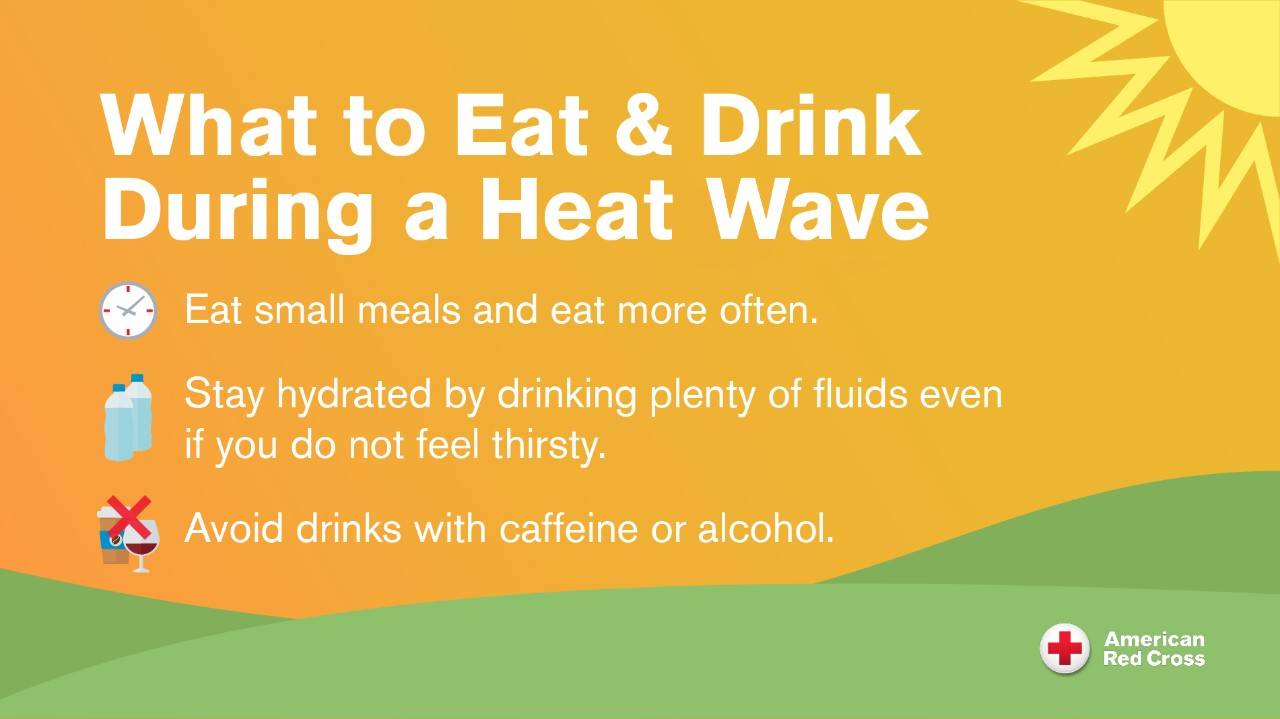
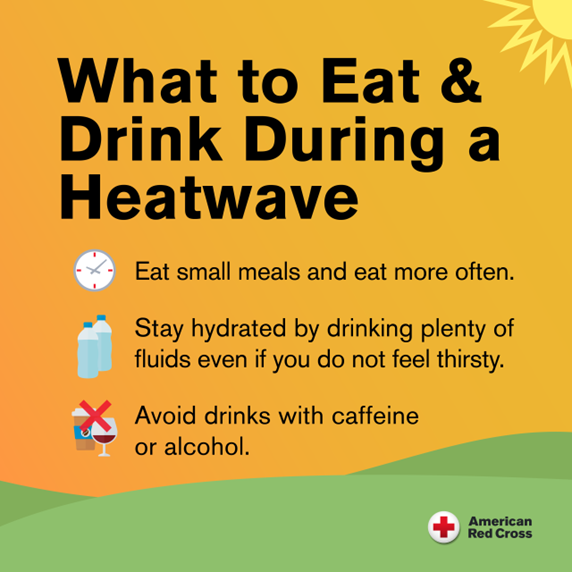
HEAT SAFETY The Red Cross recommends taking three steps in extreme heat — stay hydrated, cool and connected.
Extreme heat can make anyone sick, and it’s critical to act fast. Learn the warning signs and know what to do, so you can act quickly in an emergency.
About the American Red Cross:
The American Red Cross shelters, feeds and provides comfort to victims of disasters; supplies about 40% of the nation’s blood; teaches skills that save lives; distributes international humanitarian aid; and supports veterans, military members and their families. The Red Cross is a nonprofit organization that depends on volunteers and the generosity of the American public to deliver its mission. For more information, please visit redcross.org or CruzRojaAmericana.org, or follow us on social media.
Support all the urgent humanitarian needs of the American Red Cross.
Find a drive and schedule a blood donation appointment today.
Take a class and be ready to respond if an emergency strikes.