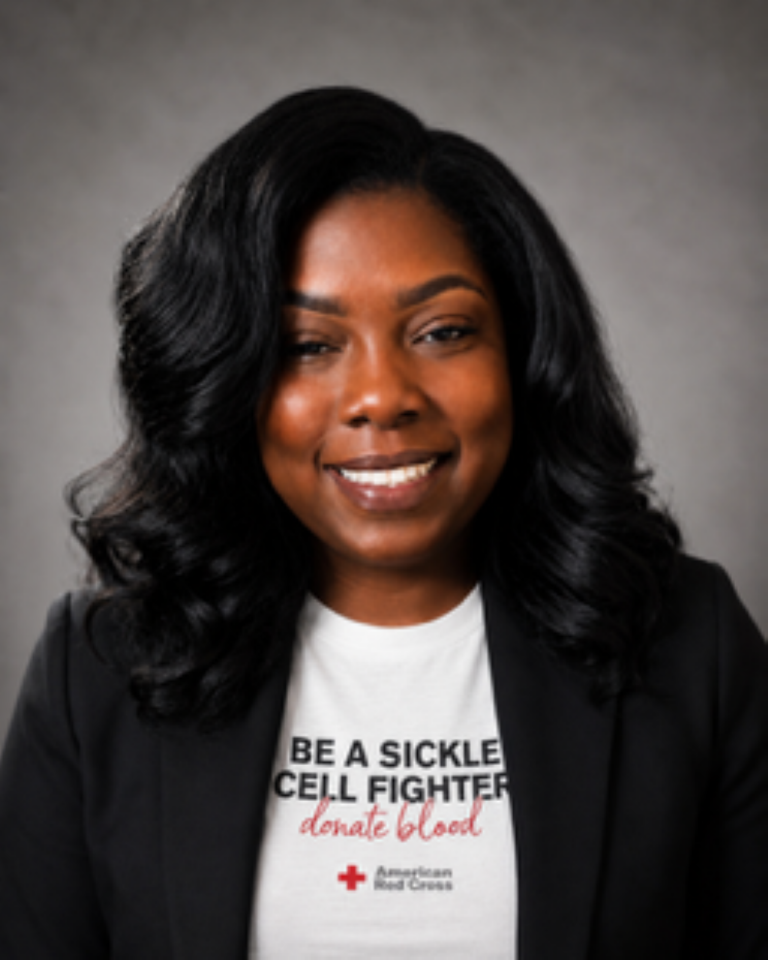
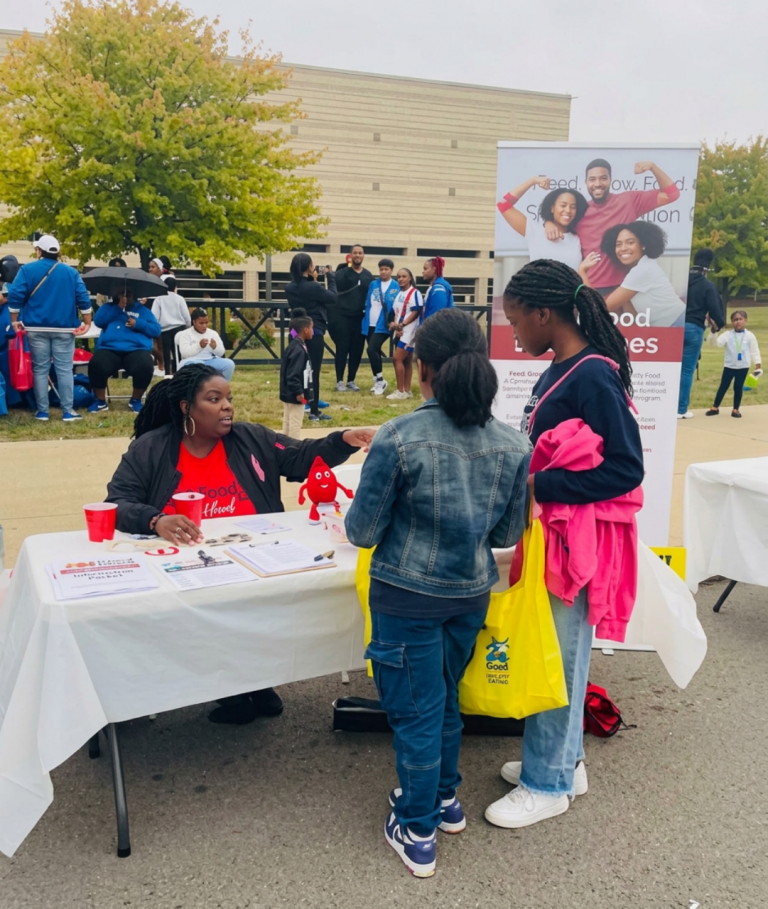
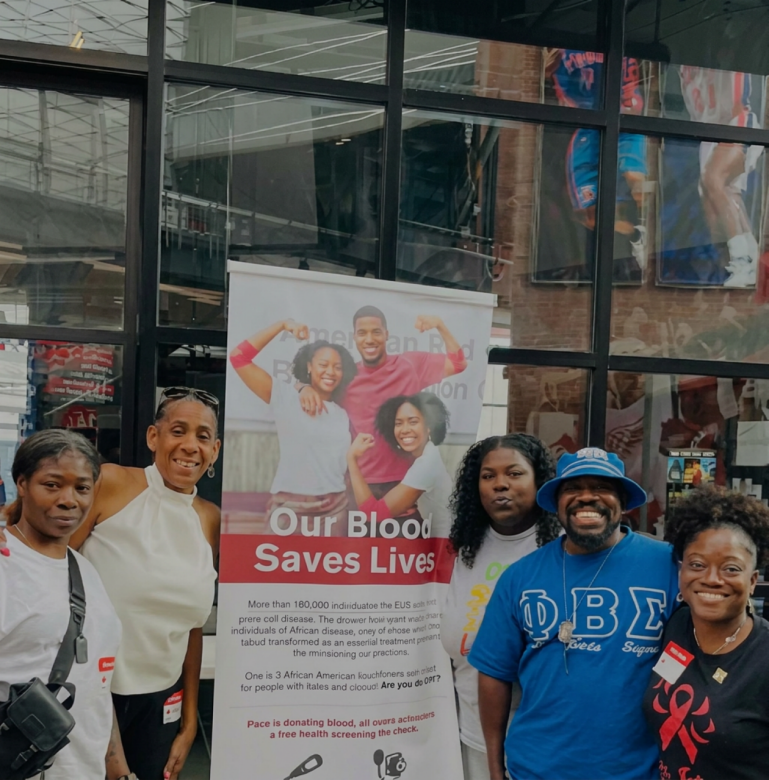
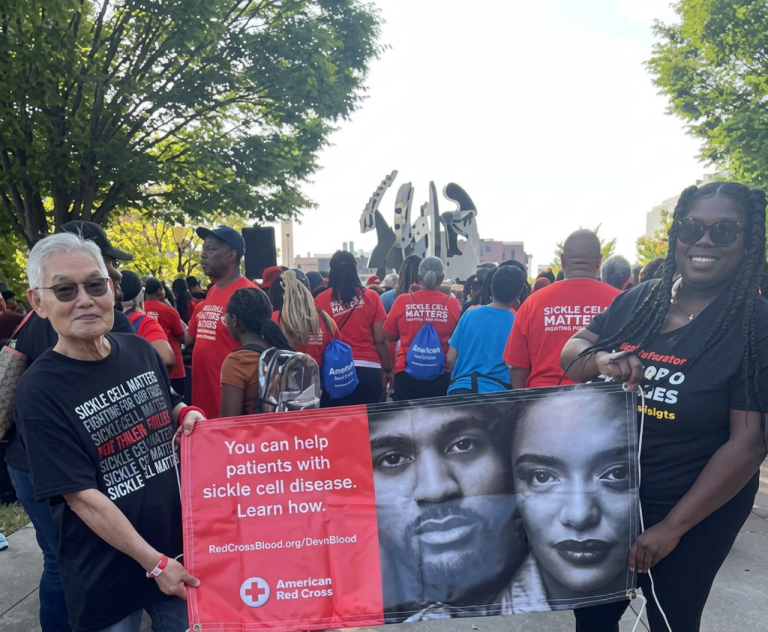
On Sept. 12, DeAndra Smith will step off the Sickle Cell Matters Walk from the grounds of the Charles H. Wright Museum of African American History in Detroit. For more than 10 years she has joined the walk from a blood donor recruitment table or carrying one end of an American Red Cross banner. This year the Sickle Cell Disease Association of America (SCDAA) Michigan Chapter named her one of its three honorary co-chairs.
"This is like my Essence and NAACP Image Award, all rolled into one," she said.
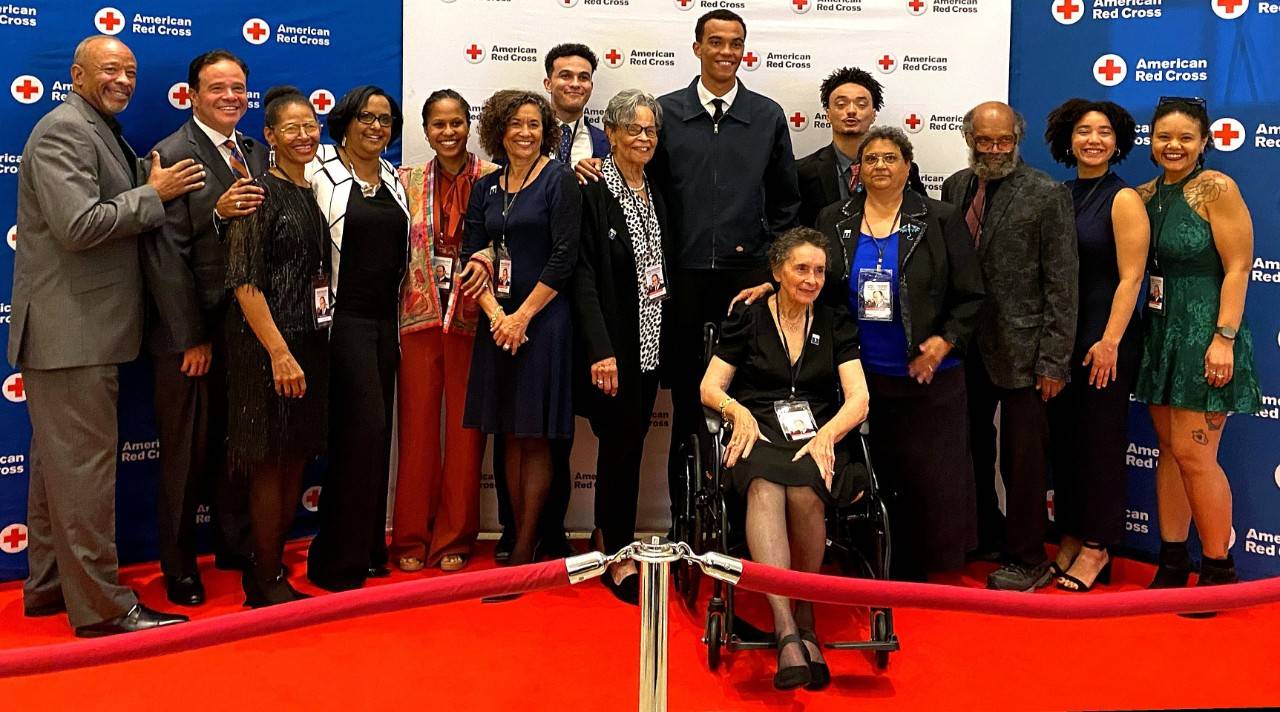
For DeAndra, the honor carries weight because of who is giving it. Diagnosed with sickle cell disease at age 2, she grew up surrounded by the Detroit chapter's support groups and has advocated alongside it since 2001. Dr. Charles F. Whitten founded the chapter in 1971, the first of its kind in the country, and his daughter, Dr. Wanda Whitten-Shurney, leads it today as CEO and medical director. And the national Sickle Cell Initiative partnership with the Red Cross and SCDAA brings blood drives into the chapter's building three to four times a year.
Clearing the Hurdles
Ask DeAndra how the disease has shaped her life and she does not begin with pain.
"I have to plan ahead for every aspect of my life," she said, "because in the back of my mind, I'm wondering if sickle cell will affect or deter my plans."
A cold room can be managed with a thermostat. DeAndra, whose hemoglobin runs higher than most people living with the disease, brings her own personal fan to every sickle cell event she attends. Within minutes, the rest of the room of sickle cell warriors will ask for the air to be turned off, because cold temperatures can trigger a sickle cell crisis for others. An airplane cabin at high altitude cannot be managed the same way.
"Once we hit that elevation, it feels like my blood is going through a straw," she said. "My arms and my legs immediately start to hurt."
Although DeAndra hydrates for days beforehand, slides on compression socks the night before and flies in a day early to sleep off the pain medication, none of it prevents a pain crisis.
"If I'm flying out to see you, I love you," she said, "because I really don't like to fly."
The same calculation runs through her career. At 44, her job as an emerging markets manager for the Red Cross in Michigan is the longest she has ever held.
"Not because I was unwilling to work," she said. "But because I would get sick too much."
When she was younger, DeAndra did not know she could ask for accommodations, and learning to ask is what made a longer career possible. Even with career longevity, the overplanning never stops. DeAndra often banks her paid time off rather than spending it, holding it in reserve in case she has to endure an unexpected hospitalization.
The Marathon Continues
People living with sickle cell disease are living longer, which DeAndra calls a beautiful thing. Yet the information on what that looks like has not caught up. For the first time in her life, she is scheduling appointments for bone density scans and bringing questions to a support group that cannot answer them. At a conference this spring, a physician told her she was the oldest person they had ever met living with the disease. DeAndra said the comment shocked her.
"There's not really any information on sickle cell and aging," she said. "I'm experiencing pain in places I never had pain before."
Her lab work can even work against her. Emergency room clinicians unfamiliar with the disease see her hemoglobin and prepare to send her home.
"I had to learn how to communicate better," she said. "I tell them, I see a hematologist, I have a pain plan, I've always had high hemoglobin levels. I am in pain."
Aging is not the only new territory. For most of her adult life, her diagnosis was the first thing she told someone she was dating.
"I've seen it firsthand, where it'll be fine, and then I can get sick at the drop of a dime, and a lot of people couldn't handle that," she said.
Now, for the first time, she hesitates.
"Now that I'm a woman of a certain age, I'm scared to share my sickle cell status with people," she said.
Passing the Baton
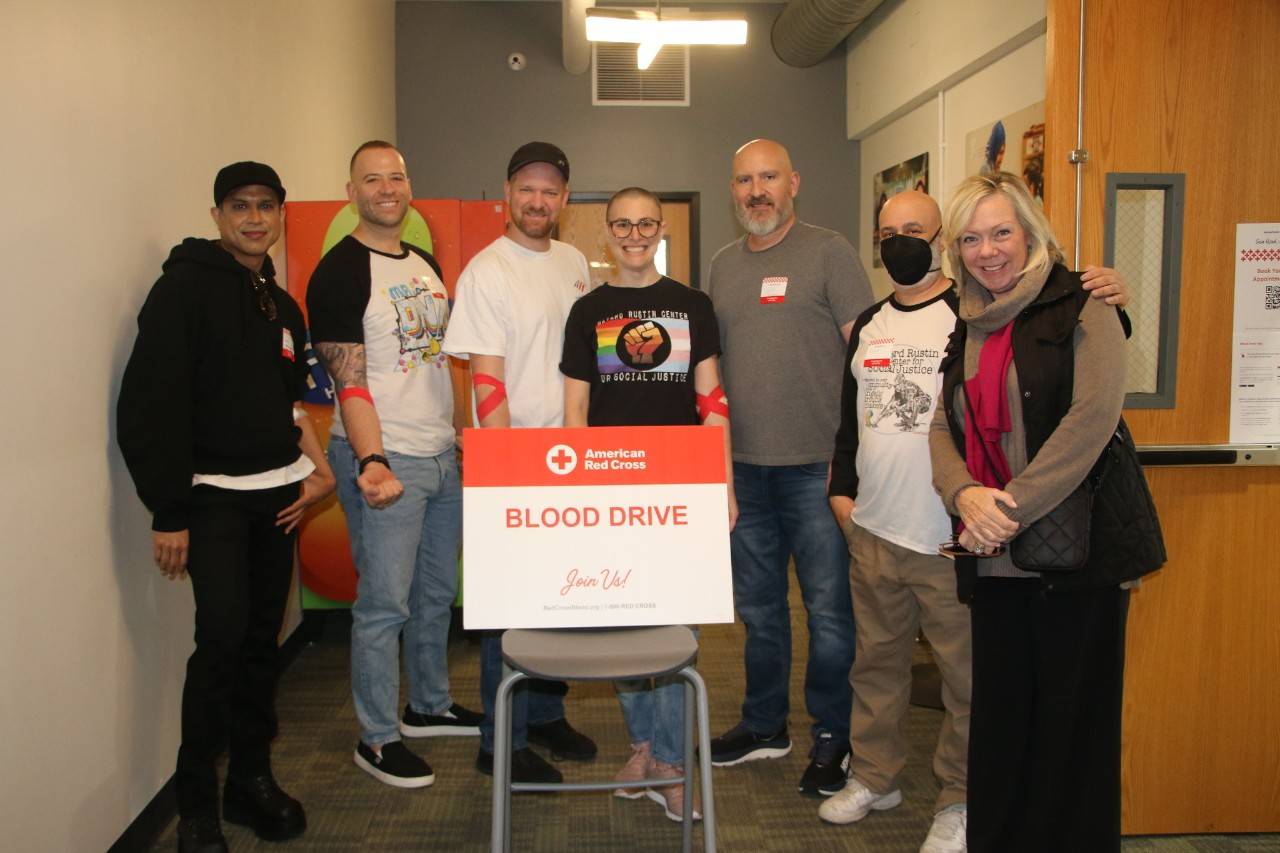
What she has learned about her own body, she teaches. At a recent Little Caesars Arena blood drive, she invited five other people living with sickle cell disease to volunteer with her and coached them on what to tell donors.
"Do not stop at the word pain," she told them. "Tell people that when your arms hurt, it is hard to cook. It is hard to brush your teeth. Tell them what a transfusion actually does for you."
She is teaching them what took her years to learn: that the most convincing case for donating is a recipient who can say exactly what one donation gave them back.
Joined by Blood
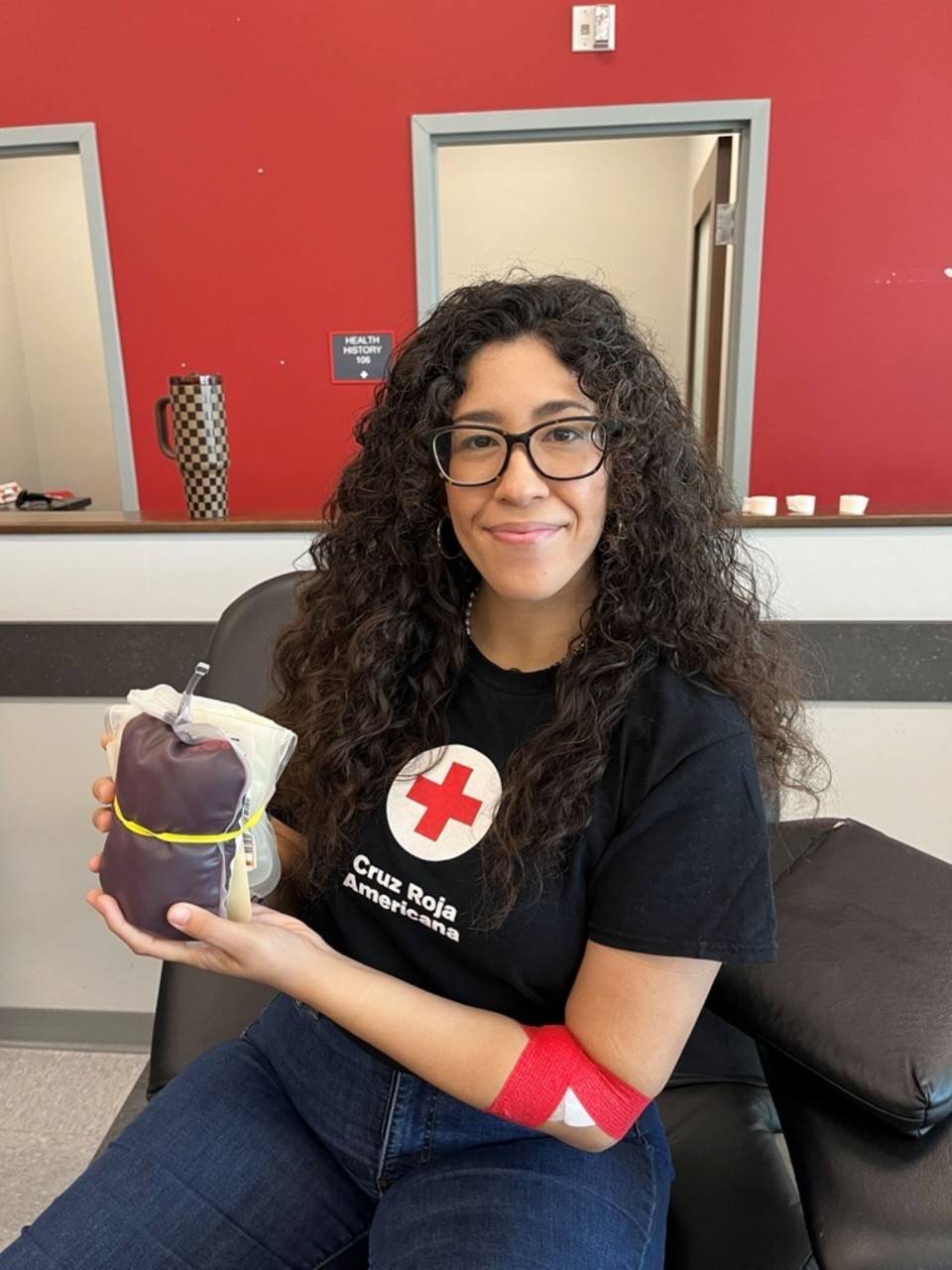
DeAndra has lived on both ends of a blood donation, first as the patient receiving it and now as the person inspiring eligible blood donors to roll up their sleeves. Since launching its Sickle Cell Initiative in 2021, the Red Cross has nearly doubled the number of blood donors who are Black or African American, an increase of more than 89%, and collections of sickle cell units from those donors have risen 91%.
For DeAndra, those figures have faces. They are the donors who filled her chapter's building to give blood on World Sickle Cell Day and Juneteenth. They are the people who learn their own sickle cell trait status for the first time after donating at a Red Cross blood drive. And she knows who they give for, including her and others like her friend from the support group who depends on a red cell exchange every month.
"There is unity and power in our blood," DeAndra said.
Schedule a blood donation appointment today by visiting RedCrossBlood.org/OurBlood, using the Blood Donor App or calling 1-800-RED CROSS (1-800-733-2767). Those who come to give blood or platelets Sept. 1-20, 2026, will receive an exclusive Red Cross x Hello Kitty plush mascot clip and surprise sticker pack, while supplies last! Visit RedCrossBlood.org/HelloKitty for details. All who come to give Sept. 21-Oct. 18, 2026, will receive a $15 e-gift card to a merchant of their choice.
About the American Red Cross:
The American Red Cross shelters, feeds and provides comfort to victims of disasters; supplies about 40% of the nation’s blood; teaches skills that save lives; distributes international humanitarian aid; and supports veterans, military members and their families. The Red Cross is a nonprofit organization that depends on volunteers and the generosity of the American public to deliver its mission. For more information, please visit redcross.org or CruzRojaAmericana.org, or follow us on social media.
Support all the urgent humanitarian needs of the American Red Cross.
Find a drive and schedule a blood donation appointment today.
Take a class and be ready to respond if an emergency strikes.